Why a Black Brindle Cane Corso Lives Longest
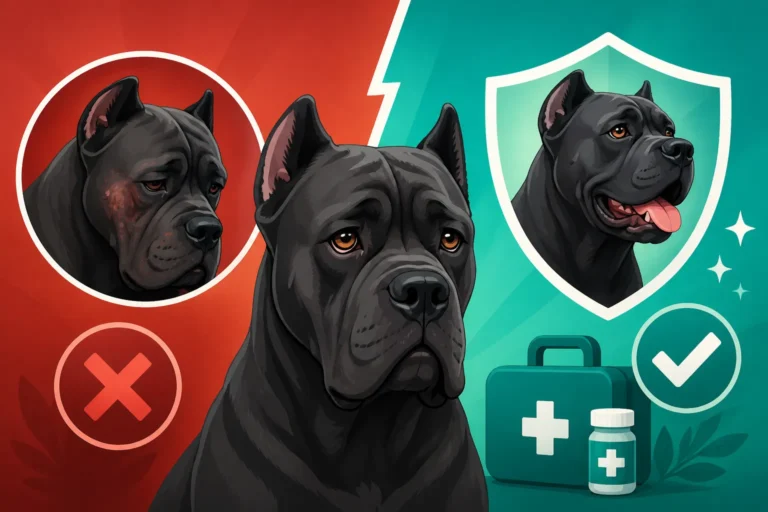
It's a question many of us Cane Corso owners ponder with a mix of hope and a little anxiety: how can we ensure our magnificent companions live long, healthy, and vibrant lives? While we adore all colors and personalities, there's a fascinating, often discussed whisper among enthusiasts about the black brindle Cane Corso – a belief that these striking dogs might just have an edge in the longevity department. This guide will dive deep into the genetic theories, health realities, and practical care advice that might explain why a black brindle Cane Corso often lives longest, helping you understand the factors that truly contribute to a robust lifespan.
The Surprising Link Between Coat Color and Health in Cane Corsos
It might sound a little bit like old wives' tales, but there's a growing body of anecdotal evidence and some scientific reasoning to suggest that a Cane Corso's coat color isn't just about aesthetics; it can actually be intertwined with their overall health and, by extension, their lifespan. When we talk about why a black brindle Cane Corso might live longer, we're really digging into the underlying genetics that dictate not just pigment, but sometimes, a dog's predisposition to certain conditions.
Understanding the Genetic Basis of Coat Color
To really grasp this, we need to talk a little about dog genetics, specifically the genes responsible for coat color. At a very basic level, dog coats get their color from two main pigments: eumelanin, which produces black and brown, and phaeomelanin, which creates red and fawn. The expression of these pigments is controlled by various genes, and it's some of these controlling genes, or genes that are closely linked to them, that can carry implications for health. For instance, the 'dilute' gene, often seen as 'd/d,' causes a dilution of black pigment to blue (or gray) and brown pigment to Isabella (or lilac). These dilutions, while beautiful, are where some of the potential health connections begin.
The black brindle pattern itself is a combination of these base pigments. Brindle means you have stripes of black pigment (eumelanin) overlaying a fawn or red base (phaeomelanin). This combination isn't just a random paint job; it suggests a specific genetic makeup that often aligns with what we call "wild type" or ancestral genes. These are genes that have been present in the breed for a very long time, selected for function and robustness, rather than being introduced for novel appearances.
Why Diluted Colors Often Face More Health Challenges
Now, let's get into why some other colors might statistically face more hurdles. Diluted colors, like blue (gray) and formentino (a dilute fawn often with a gray mask), are often perceived to have a shorter lifespan or more health issues. This isn't because the color itself is inherently bad, but because the gene responsible for the dilution can sometimes be linked to other health concerns.
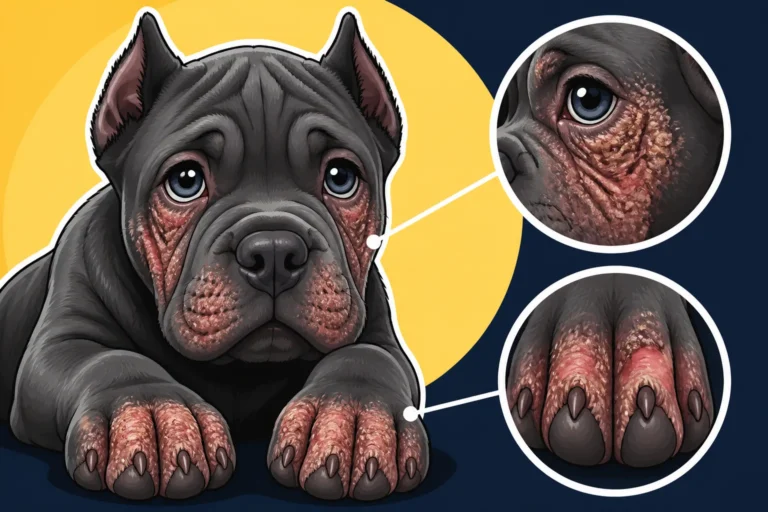
The most common issue associated with diluted colors, especially blue or gray Cane Corsos, is Color Dilution Alopecia (CDA). This condition manifests as thinning hair or bald patches, often accompanied by flaky, dry, or infected skin. While not life-threatening on its own, CDA can significantly impact a dog's quality of life, leading to chronic discomfort, itching, and recurrent skin infections. These persistent health issues require ongoing veterinary care and can definitely take a toll on a dog's overall vitality. We've certainly seen our share of Why a Gray Cane Corso Gets More Skin Trouble discussions within the community. While a dog with CDA might not die from it directly, the chronic pain, stress, and medical interventions can influence their long-term well-being and, potentially, their overall longevity and happiness. It's crucial to remember this isn't a given for every dilute dog, but it's a known risk factor that can impact a dog's comfort and health throughout their life.
The Black Brindle Advantage: A Deeper Look at Its Genetic Resilience
So, if diluted colors can come with their own set of potential genetic baggage, what makes the black brindle such a standout for longevity? It largely boils down to genetic diversity and the inherent robustness often associated with its specific genetic makeup. It's less about a "magic bullet" and more about a combination of factors that seem to contribute to a more resilient constitution.
The Protective Power of the Brindle Pattern
The brindle pattern itself is a fascinating one. Imagine bold, dark stripes overlaying a lighter background – for a black brindle, that means black stripes on a fawn or red base. From a genetic standpoint, this isn't a diluted color. The genes responsible for brindle are thought to be some of the oldest, most "foundational" genes in many working dog breeds, including the Cane Corso's ancestors. This often means that brindles tend to come from a broader, more diverse gene pool, rather than highly selected lines focused solely on specific, often rarer, solid colors.
Genetic diversity is like a strong immune system for a breed. When there's a wide variety of genes within a population, there's less chance of two copies of a harmful recessive gene coming together to cause a problem. Highly inbred or heavily line-bred animals, even if beautiful, sometimes carry hidden genetic weaknesses because their gene pool is too narrow. The brindle pattern, particularly a traditional black brindle, seems to be less associated with these narrower genetic lines that can sometimes crop up when breeders chase specific "rare" color traits. It’s an indicator of a genetic heritage that emphasizes strength and function, rather than novelty. This broader genetic base can translate to better overall health and a stronger ability to ward off various ailments, potentially contributing to why Whether Brindle Really Makes a Cane Corso Healthier is a common question.
The Role of Eumelanin in Black and Brindle Coats
Let's talk about eumelanin again – that black pigment. In black and black brindle Cane Corsos, eumelanin is expressed strongly. This is important because, unlike diluted pigments, full-strength eumelanin is rarely linked to the dermatological issues we discussed earlier, such as color dilution alopecia. Dogs with strong black pigmentation in their coats, noses, and paw pads generally tend to have healthier skin and coats. This isn't just about appearance; healthy skin and fur act as a primary barrier against environmental irritants, allergens, and infections.
Consider the practical implications: a Cane Corso prone to chronic skin issues due to genetic dilution will spend more time at the vet, more money on specialized food and medication, and potentially suffer from discomfort and stress. A dog with a robust, healthy coat, supported by strong eumelanin expression, is less likely to face these battles. While this might not directly add years to their life, avoiding chronic inflammation and discomfort certainly contributes to a higher quality of life, fewer vet visits for recurrent issues, and less stress on their immune system. All of these factors can indirectly support a longer, healthier existence.
Beyond Genetics: Lifestyle Factors That Complement Longevity in All Cane Corsos
While genetics certainly play a role in setting the stage for a long life, even the most genetically robust black brindle Cane Corso won't thrive without excellent care. The truth is, many of the keys to a long, healthy life are in our hands as owners, regardless of coat color. It's about a holistic approach that supports their magnificent bodies and minds from puppyhood right into their golden years.
The Critical Importance of Proper Nutrition and Weight Management
One of the absolute biggest factors in a Cane Corso's longevity is what goes into their bowl and how much of it. These are giant breed dogs, and their nutritional needs are unique and critical. Feeding the right food, specifically a high-quality large or giant breed formula, is paramount. For puppies, this means a diet formulated to support slow, steady growth. Too much protein or calcium in a puppy's diet can lead to rapid growth, which puts immense stress on their developing joints and can contribute to conditions like hip and elbow dysplasia later in life. We often talk about Why a Cane Corso Puppy Needs Giant Breed Food for this very reason.
As adults, The Daily Ration an Adult Cane Corso Actually Needs varies based on activity level and metabolism, but the goal is always to keep them lean. Overweight Cane Corsos are at a significantly higher risk for a whole host of problems: joint pain, arthritis, diabetes, heart disease, and even certain cancers. Every extra pound puts undue strain on their large frames, accelerating wear and tear on hips and elbows that might already be predisposed to issues. Checking their ribs – you should be able to feel them easily but not see them – is a simple way to gauge their condition. Keeping a Cane Corso lean, as discussed in Why a Lean Cane Corso Keeps Its Hips Longer, is one of the most impactful things you can do to extend their active years and improve their overall health.
Regular Exercise and Mental Stimulation for a Longer Life
A Cane Corso is not a couch potato by nature, though they certainly enjoy their downtime with their people. These dogs were bred for work, for guarding, and for active lives. They need consistent, appropriate exercise to maintain muscle mass, keep their joints supple, and prevent boredom and destructive behaviors. However, "appropriate" is the key word, especially for growing puppies whose growth plates are still open. Intense, high-impact exercise should be avoided during their first year to protect their developing joints. Once mature, 60-90 minutes of daily activity, split into a few sessions, is often ideal. This could be brisk walks, playtime in a securely fenced yard, or even canine sports like obedience or scent work.
Beyond physical exertion, mental stimulation is equally vital. A bored Cane Corso can become a destructive Cane Corso, but more importantly, a mentally under-stimulated dog can develop anxiety, stress, or even depression, all of which can indirectly impact their physical health. Puzzle toys, training sessions, chew toys, and even just new environments to sniff and explore during walks provide crucial mental enrichment. A dog that is physically fit and mentally engaged is a happier, healthier dog, less prone to stress-related ailments and more resilient overall.
Proactive Veterinary Care and Early Detection
No matter how good their genetics or how diligent their care, all Cane Corsos will need consistent veterinary attention throughout their lives. Being proactive about their health, rather than reactive, is a cornerstone of maximizing their lifespan and ensuring those years are filled with comfort and joy.
Regular Check-ups and Preventative Screenings
Think of your Cane Corso's annual vet visit as their version of your yearly physical. These check-ups aren't just for vaccinations; they're an opportunity for your vet to catch subtle changes that might indicate an underlying health issue before it becomes a major problem. For Cane Corsos, specific preventative screenings are crucial due to breed predispositions. This includes screening for orthopedic issues like Hips and Elbows a Cane Corso Must Be Cleared On through X-rays at the appropriate age, and cardiac evaluations like The Cardiac Exam Behind a Cane Corso's Clearance to detect potential heart conditions early.
Early detection of issues like Heart Disease in a Middle Aged Cane Corso can mean the difference between managing a condition effectively for years versus being caught off guard when it's already advanced. Blood work, urinalysis, and physical exams can reveal hidden problems with kidneys, liver, thyroid, or other organs long before your dog shows obvious symptoms. Staying on top of these routine checks is non-negotiable for a long, healthy life. This is also where investing in pet insurance, like a comprehensive plan from Healthy Paws, can be a real game-changer. Knowing that you can afford these crucial diagnostic tests and treatments without breaking the bank gives you peace of mind and allows you to always make the best medical decisions for your dog.
Understanding and Mitigating Breed-Specific Risks
Cane Corsos, like all purebreds, have certain health predispositions that owners need to be aware of. Gastric Dilatation-Volvulus (GDV), commonly known as bloat, is a life-threatening emergency that deeply-chested breeds like the Cane Corso are highly susceptible to. Knowing the signs of Bloat and What a Cane Corso's Deep Chest Costs and taking preventative measures, such as a prophylactic gastropexy (stomach tacking) often done at the same time as spay/neuter, can literally save their life. This is another area where a robust pet insurance plan can be invaluable, as emergency bloat surgery can run into thousands of dollars. Healthy Paws can help cover these unexpected, high-cost emergencies, ensuring you can say "yes" to life-saving treatment without hesitation.
Epilepsy is another significant concern, with The Seizures That Start in a Cane Corso Around Two often catching owners by surprise. Understanding the signs of a seizure, how to manage them, and working with your vet to find appropriate medication can help control the condition and maintain your dog's quality of life. Other concerns include certain cancers, eye issues like entropion, and skin allergies. Being informed about these risks allows you to be vigilant, discuss concerns with your vet, and implement preventative strategies or early interventions.
The Impact of Responsible Breeding Practices
Ultimately, even with the best care in the world, a dog's genetic blueprint sets the foundation for their health. This is where responsible breeding truly comes into play. If you're looking to bring a Cane Corso into your life, understanding the importance of ethical breeding practices is paramount to ensuring you get a healthy, long-lived companion, regardless of their coat color.
The Cornerstone of Health: Reputable Breeders
A responsible breeder is not just selling puppies; they are guardians of the breed's future health and integrity. They meticulously screen their breeding dogs for known genetic and orthopedic conditions before ever considering breeding them. This means conducting X-rays for hip and elbow dysplasia through organizations like OFA (Orthopedic Foundation for Animals) or PennHIP, performing cardiac evaluations by a certified veterinary cardiologist, and DNA testing for specific inherited diseases. For Cane Corsos, this includes screening for conditions like Dilated Cardiomyopathy and neuronal ceroid lipofuscinosis (NCL), which are part of The Two DNA Diseases in Cane Corso Pedigrees.
A reputable breeder will be transparent about the health clearances of both parents, often providing certificates and encouraging you to verify them. They'll ask you just as many questions as you ask them, ensuring their puppies go to suitable homes. This diligence in health testing significantly reduces the likelihood that your puppy will inherit debilitating genetic diseases, giving them a much stronger start in life and increasing their chances for a longer, healthier existence. It’s an investment that truly pays off in the long run.
Genetic Diversity and Avoiding Inbreeding
While a breeder aims to produce puppies that meet the breed standard, a truly responsible breeder also understands the critical importance of genetic diversity. Excessive linebreeding or inbreeding, while sometimes used to solidify certain traits, can also unfortunately concentrate recessive genes for diseases within a population. Even if the immediate parents are healthy, a narrow gene pool increases the risk that their offspring will inherit two copies of a problematic recessive gene, leading to health issues down the line.
The theory behind the black brindle's longevity often touches on this. Because the black brindle pattern is a more ancestral and less "designer" color, these lines might inherently possess greater genetic diversity compared to some lines where specific, sometimes rarer, colors have been heavily emphasized through selective breeding. Breeders who prioritize health, temperament, and genetic diversity over fleeting color trends are doing the breed, and future owners, a huge service. They ensure that their puppies have the most robust genetic foundation possible, which is a powerful predictor of long-term health and vitality. When selecting a puppy, looking at not just the parents' health clearances but also the depth and diversity of their pedigree can offer further clues to their potential longevity.
| Cane Corso Coat Color | Common Health Associations (Potential Risks) | General Longevity Observation |
|---|---|---|
| Black Brindle | Generally robust, fewer specific links | Often cited for longer lifespans |
| Solid Black | Generally robust, fewer specific links | Good, often similar to black brindle |
| Fawn/Red | Generally robust, fewer specific links | Good, common in the breed |
| Blue (Gray) | Higher risk for Color Dilution Alopecia (CDA), chronic skin issues, potentially shorter lifespan due to associated conditions | Often cited for shorter lifespans due to increased health risks |
| Formentino | Similar to Blue/Gray due to dilution genes, may have CDA risk | Potentially shorter, similar to blue/gray |
Disclaimer
The information provided in this article is for educational and informational purposes only, and does not constitute veterinary advice. Always consult with a qualified veterinarian for any health concerns or before making any decisions related to your pet's care. Individual results may vary, and while certain coat colors may be statistically linked to specific health outcomes, every dog is an individual.