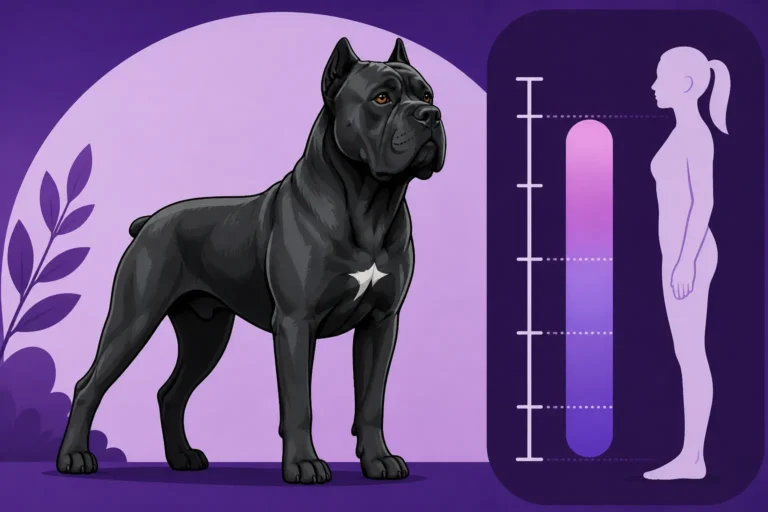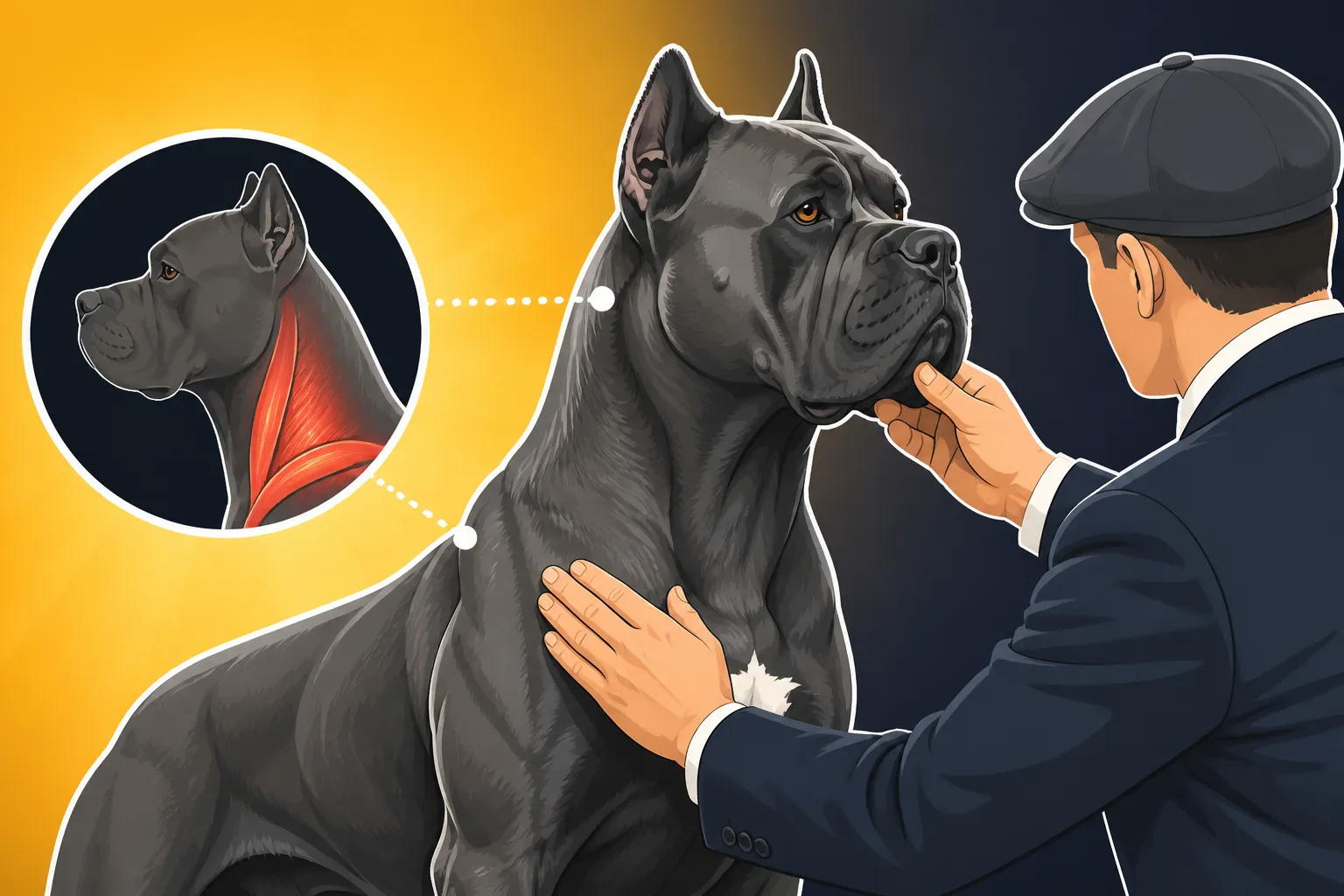
The Neck and Shoulder a Cane Corso Judge Looks At
It’s easy to look at a majestic Cane Corso and simply see a powerful, impressive dog. But for those of us who appreciate the breed's history and function, there's a world of detail in their physical structure. Understanding what a conformation judge looks for in a Cane Corso’s neck and shoulders can feel like deciphering a secret code, especially when you're just starting out or contemplating entering the show ring. This guide will peel back the layers, explaining precisely what makes an ideal neck and shoulder assembly in this magnificent Italian Mastiff, helping you appreciate the breed's form and function on a deeper level.
The Foundational Importance of Correct Structure in the Cane Corso
When you look at a Cane Corso, you're not just seeing a large dog; you're seeing centuries of intentional breeding designed to create a functional, powerful guardian. Every line, every angle, and every muscle serves a purpose, and nowhere is this more evident than in the neck and shoulder assembly. These aren't just aesthetic features; they are the bedrock of the dog's ability to perform its historical duties with strength, agility, and endurance.
Beyond Aesthetics: Functionality and Breed Type
The Cane Corso was historically used for guarding property, livestock, and even hunting large game like wild boar. Imagine a dog needing to hold a powerful animal or stand its ground against a potential threat. This isn't a job for a dog built like a greyhound, nor one with the lumbering gait of some heavier mastiffs. It requires a specific balance of power and agility. The neck and shoulders are absolutely vital to this functionality. A strong, well-muscled neck allows the dog to deliver a powerful bite and maintain control, while properly angled shoulders enable the powerful, sweeping gait needed for both quick bursts of speed and sustained work. Without these foundational elements, the dog simply wouldn't be able to do what it was bred for.
It's tempting to think of conformation shows as purely about beauty pageants, but for a working breed like the Cane Corso, the "beauty" is intrinsically linked to utility. A judge isn't just looking for a pretty dog; they're assessing how well that dog embodies the physical traits necessary for its original purpose. This is why the breed standard exists, and why adherence to it is so important. When breeders talk about "breed type," they're often referring to this combination of form and function. A Cane Corso that looks the part but can't move correctly or doesn't possess the foundational strength in its neck and shoulders isn't truly representative of the breed.
The Standard as a Blueprint
The official breed standard, put forth by organizations like the AKC, serves as the ultimate blueprint for what a Cane Corso should look like. It's a detailed description that guides breeders and judges alike, ensuring consistency and preserving the breed's characteristics. When it comes to the neck and shoulders, the standard doesn't leave much to interpretation, providing specific details about desired length, musculature, and angulation. These aren't arbitrary rules; they've been carefully crafted over generations to describe the most functional and type-correct Cane Corso. Anyone serious about understanding the breed, whether as a pet owner, breeder, or exhibitor, needs to familiarize themselves with this document. It's the definitive guide to what a Cane Corso should be.
Understanding the standard helps you see beyond the superficial. For example, you might see a dog with a very thick neck and assume it’s powerful, but if that thickness comes at the expense of proper length or arch, it could actually hinder the dog's movement and functional capability. Similarly, overly upright shoulders might look strong in a static pose, but they severely limit a dog's reach and drive, making it inefficient in motion. The standard helps to clarify these nuances, providing a common language and set of expectations. If you've ever wondered What the Standard Says a Cane Corso Should Look Like, you'll find these elements are critical to the overall picture.
Unpacking the Cane Corso's Powerful Neck
The neck of a Cane Corso is one of its most striking features, conveying an immediate sense of power and nobility. However, a show judge isn't just looking for a thick neck; they are scrutinizing its length, arch, and musculature to ensure it meets the breed's functional requirements. It's a balancing act: the neck must be robust enough for its protective duties, yet refined enough to allow for agile movement and an impressive carriage.
Ideal Neck Length and Arch
The breed standard specifies that the Cane Corso's neck should be strong, muscular, and of a length that is roughly equal to the length of the head. This isn't just an aesthetic guideline; it's a functional one. A neck that is too short would restrict the dog's ability to turn its head quickly and efficiently, hindering its protective capabilities. Imagine trying to maneuver a heavy object with a very short handle – it's cumbersome. The same applies to a dog's neck. Conversely, an excessively long, fine neck, while elegant on some breeds, would compromise the Cane Corso's power and make it appear less substantial than the standard demands. It's that medium, substantial length that's ideal.
Beyond length, the arch of the neck is another critical component. The neck should have a slight, distinct arch, sometimes referred to as a "nuchal crest," particularly visible along the upper line. This arch should flow smoothly from the skull, widening gradually and blending seamlessly into the shoulders without any abrupt breaks or dips. This elegant curve isn't just for show; it acts as a natural shock absorber and allows for flexible, powerful head movements. A flat, straight neck can suggest a lack of musculature or an incorrect attachment to the shoulders, detracting from the desired powerful yet agile silhouette. When observing a Cane Corso moving, this arch becomes even more apparent, indicating a well-balanced structure ready for action.
Musculature and Dewlap
A Cane Corso's neck must be heavily muscled. This isn't optional; it's fundamental to the breed's working heritage. These muscles provide the incredible strength needed for the powerful bite the breed is known for, and also allow for sustained periods of holding onto something or someone, should the need arise. When you run your hand along a well-conditioned Cane Corso’s neck, you should feel a firm, solid mass of muscle, tapering slightly as it approaches the head, but robust throughout. This musculature contributes to the overall impression of power and athleticism, ensuring the dog is not only capable but looks the part of a formidable guardian. Adequate exercise and proper nutrition, like those found in quality foods on platforms like Chewy, are essential for developing and maintaining this crucial muscle mass.
The presence of a dewlap is also a specific point in the standard. Unlike some other mastiff breeds, the Cane Corso should have only a minimal dewlap, or loose skin, under the throat. A pronounced, heavy dewlap is considered a fault. While a small amount of skin might be present, it should not hang down prominently or create a "gullet." This minimal dewlap is another nod to the breed's functional background, as excessive loose skin could be a hindrance in rough terrain or when engaging in protective work. It’s a subtle detail, but one that contributes significantly to the Cane Corso's cleaner, more athletic appearance compared to its heavier-jowled cousins.
The Crucial Role of Shoulder Angulation
The shoulders are arguably one of the most vital components of a Cane Corso's structure, dictating not only its silhouette but, more importantly, its movement and overall working efficiency. Correct shoulder angulation allows for optimal reach and drive, giving the dog that powerful, ground-covering stride that is characteristic of a well-bred Corso.
Layback and Angle of the Scapula
For a Cane Corso, judges are looking for well-laid back shoulders. This refers to the angle at which the shoulder blade (scapula) sits against the body. Ideally, the scapula should be long and slope backward, forming an angle of approximately 45-50 degrees to the ground. This specific layback is critical because it allows for maximum extension of the front leg, contributing to a long, efficient stride. When the shoulder blade is too upright, or "straight," the dog's front legs will have a restricted range of motion, leading to a choppy, inefficient gait. Imagine trying to run with your arms held stiffly at your sides – it’s a similar effect for a dog.
The angle of the scapula is then paired with the angle of the upper arm bone (humerus). The humerus should be roughly equal in length to the scapula and should form an angle of about 90-100 degrees with it, allowing the elbow to sit directly under the highest point of the scapula. This precise angulation creates a strong, flexible spring system for the dog's front end, absorbing impact and propelling it forward. Judges will often feel these bones, assessing their length and angles. A common fault is a short humerus, which can lead to a straight front assembly despite a good scapular layback, again compromising movement. Ensuring proper development during puppyhood, with appropriate nutrition and controlled exercise, is key to fostering this correct structure. You might find joint supplements available on Chewy beneficial, though always consult your vet.
Well-Laid Back Shoulders for Efficient Movement
The direct consequence of proper shoulder layback and angulation is efficient, powerful movement. A Cane Corso with correctly structured shoulders will exhibit a free-striding, ground-covering gait, especially at the trot. Their front legs will reach forward with purpose, covering a good amount of ground with each step, and then swing cleanly back. This movement should appear effortless and fluid, not choppy or stiff. When a judge asks a dog to move, they are assessing this efficiency, looking for a strong, fluid trot that suggests endurance and agility. This is directly tied to the saying that the ideal Cane Corso should "look boring in public" – meaning they are calm until called upon, then move with impressive athleticism. For a deeper dive, check out The Movement a Cane Corso Should Show in the Ring.
Dogs with straight shoulders will often have a high-stepping gait, where the legs lift high but don't extend far forward. This "hackney" action is highly inefficient and quickly tiring for a large, powerful dog. It's a significant fault because it directly impacts the Cane Corso's ability to perform its historical tasks. These dogs may look sturdy when standing still, but their functional capacity is severely limited. A judge can spot this immediately, and it will significantly impact a dog's placement in the ring. The goal is a dog that can move with power and purpose, whether it's patrolling a fence line or engaging in a protective task.
Interconnectedness: Neck, Shoulders, and Overall Balance
In the world of dog conformation, no single part of the dog exists in isolation. The neck and shoulders, while distinct anatomical areas, are deeply interconnected and directly influence the dog's overall balance, posture, and movement. A judge assesses how these parts fit together harmoniously, contributing to the complete picture of a functional, type-correct Cane Corso.
The Seamless Transition to the Back
The transition from the neck to the shoulders, and then from the shoulders into the back, should be fluid and seamless. The powerful, arched neck should flow smoothly into the well-laid back shoulders, which in turn should meld into a strong, level topline. There should be no abrupt breaks, dips, or protrusions where these sections meet. This smooth continuity indicates a strong skeletal and muscular connection, allowing for efficient transfer of energy throughout the dog's body during movement. If the shoulders are too far forward, or too upright, it can create a 'loaded' front, giving the appearance of a short neck or a dip behind the withers, disrupting the flow of the topline.
This seamless transition is a hallmark of good structure and overall balance. When a Cane Corso stands confidently, its neck should rise gracefully from the shoulders, conveying an air of majesty and alertness. This posture isn't just about looking good; it's about the dog being able to carry its head high while maintaining balance and readiness. A judge will look at the dog's silhouette from the side, assessing this flow. Any disjointedness suggests structural imbalances that will inevitably impact the dog's movement and potentially its long-term soundness. It's a vital part of the breed's impressive presence and capability, contributing directly to The Chest and Body a Cane Corso Standard Describes.
Impact on Gait and Endurance
Ultimately, the correctness of the neck and shoulder assembly directly translates to the Cane Corso's gait and endurance. Proper angulation in the shoulders, combined with a strong, well-placed neck, allows for maximum reach in the front legs and powerful drive from the rear, resulting in a coordinated, efficient movement. This ground-covering trot is not only visually appealing but also minimizes energy expenditure, allowing the dog to work or move for longer periods without tiring. Think of a well-oiled machine – every part works in harmony to achieve the desired output with minimal friction.
Conversely, structural faults in these areas, such as straight shoulders or an improperly set neck, can lead to a host of problems. A dog might exhibit a short, choppy stride, or a rolling gait. Such movements are inefficient and place undue stress on joints, muscles, and ligaments, potentially leading to premature wear and tear or injury. This is why sound structure is so important, especially for a large, active breed. A dog might have a wonderful temperament and be a cherished family member, but if its structure is fundamentally unsound, it may struggle with mobility as it ages, and its quality of life could be impacted. Nutrition plays a role here too; ensuring your Corso gets appropriate calories and nutrients, especially during growth and as an adult, supports joint and muscle health. Quality dog food options, readily available from retailers like Chewy, can provide a solid nutritional base for a robust physique.
Common Neck and Shoulder Faults in Cane Corsos
Understanding the ideal is only half the battle; recognizing common faults helps to solidify your grasp of correct structure. Here’s a quick look at what judges might flag:
| Feature | Ideal Cane Corso (Show Quality) | Common Faults | Impact |
|---|---|---|---|
| Neck Length | Strong, muscular, equal to head length, with a slight arch. | Too short/long, flat, lacking arch. | Restricted head movement, clumsy appearance, lack of power. |
| Musculature | Heavily muscled, firm, tapering gently towards head. | Weak, scrawny, or overly bulky without definition. | Decreased power for bite and control. |
| Dewlap | Minimal to none. | Excessive, prominent folds of skin. | Untidy appearance, deviates from athletic type, potential for irritation. |
| Shoulder Layback | Long scapula, 45-50 degrees to the ground. | Upright, steep, or too straight. | Restricted front reach, choppy gait, increased joint stress. |
| Shoulder Angulation | Scapula and humerus forming 90-100 degrees angle. | Too open or too closed (straight front or over-angulated). | Incorrect balance, inefficient gait, can lead to lameness. |
| Elbow Placement | Close to body, directly under highest point of scapula. | Out (loose) or in (pinched). | Unstable gait, stress on elbows, can be sign of poor bone structure. |
| Front Assembly | Strong, well-developed, allowing fluid forward motion. | Weak pasterns, loaded shoulders, loose elbows. | Lack of endurance, prone to injury, poor ground coverage. |
A judge’s job is to identify these deviations from the standard. For example, a dog with a straight shoulder will often have a higher head carriage that looks regal, but its gait will lack the reach and drive desired. Understanding these nuances helps you see the Cane Corso with a more discerning eye, appreciating the incredible artistry in their design. It also helps explain why some dogs, despite being beautiful, might not fare as well in the show ring because of these underlying structural deficiencies. For breeders, these faults are critical to avoid, as they can propagate through generations, weakening the overall health and functionality of the breed. It's a reminder that beauty in the Cane Corso is truly more than skin deep.
Disclaimer
This article is for general informational purposes only and does not constitute professional advice. Laws, prices and regulations vary by location and change over time. Consult a qualified professional for guidance on your specific situation.