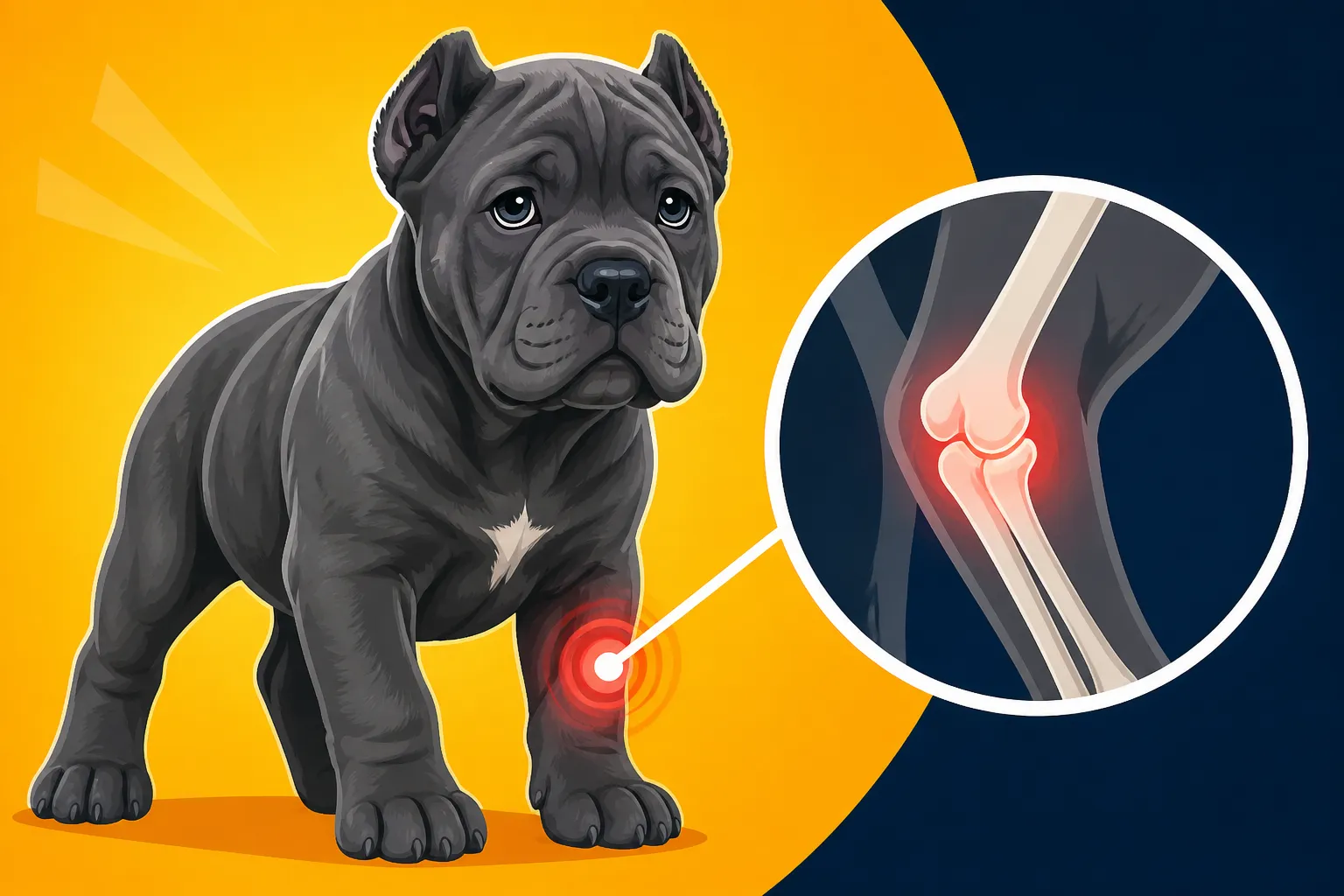
Why a Chunky Cane Corso Puppy Risks Its Elbows
It’s a common sight, and honestly, a tempting one: a big, roly-poly Cane Corso puppy, all wrinkles and clumsy paws. We often equate a plump baby with good health and robust growth, but when it comes to a rapidly growing giant breed like the Cane Corso, that "chunky" puppy phase can be a hidden pathway to serious joint issues, particularly in their elbows. This guide is here to unravel why an overweight Cane Corso puppy is at a much higher risk for elbow dysplasia and what you, as their loving owner, can do to prevent it.
Understanding Rapid Growth in Cane Corso Puppies
Bringing home a Cane Corso puppy is a whirlwind of growth and change. These majestic dogs don't just get big; they get big fast. It's this incredibly rapid growth rate that makes them uniquely susceptible to certain developmental orthopedic diseases, and it's why every choice you make about their nutrition and exercise in those early months holds so much weight, literally and figuratively.
The Delicate Balance of Bone Development
Imagine a complex construction project where all the scaffolding and beams are being assembled at an accelerated pace. That's essentially what's happening inside your Cane Corso puppy's long bones and joints. Their growth plates, the soft areas at the ends of bones responsible for lengthening, are working overtime. During this critical period, the bones, cartilage, and soft tissues of the joints are developing simultaneously, and they need to do so in perfect harmony. Any disruption to this delicate balance – whether it's through genetics, trauma, or improper nutrition and excessive weight – can lead to lifelong problems.
For instance, the elbows are a hinge joint, an intricate assembly of three bones: the humerus (upper arm), radius (larger forearm bone), and ulna (smaller forearm bone). For the joint to function smoothly, these bones must grow at precisely the same rate and fit together perfectly. If one bone grows too quickly or slowly, or if the joint is subjected to undue stress, the alignment can be thrown off, leading to painful conditions. This rapid growth period typically extends through the first year and often well into their second year, with The Growth Curve a Cane Corso Follows to Nineteen Months being a crucial timeline to understand.
How Extra Weight Exacerbates Growth Issues
Now, layer on top of this rapid development the burden of extra body weight. It's like asking those fast-growing scaffolds to bear far more load than they were designed for. Excess weight places undue pressure on the still-developing joints and growth plates. This constant, abnormal pressure can cause microscopic damage, irritation, and inflammation within the joint capsule. It can also lead to the cartilage not forming correctly or wearing down prematurely.
Think of a puppy's bones and joints as being somewhat pliable during this growth stage. They are not fully dense and rigid like an adult dog's. When a "chunky" puppy moves, jumps, or runs, that extra weight impacts their joints with greater force. This isn't just about the elbows; it affects all their developing joints, including the hips. Many owners are surprised to learn that issues like Hip Dysplasia in a Fast Growing Cane Corso can be worsened by carrying too much weight, just as elbow problems are. The more stress applied to these vulnerable areas, the higher the likelihood that the natural, precise development process will be disrupted, paving the way for conditions like elbow dysplasia.
The Mechanics of Elbow Dysplasia in Growing Cane Corsos
Elbow dysplasia (ED) isn't a single disease; it's a catch-all term for several developmental abnormalities of the elbow joint. It’s painful, progressive, and can severely impact a Cane Corso's mobility and quality of life. Understanding what it entails helps us appreciate just how critical early prevention is.
Common Forms of Elbow Dysplasia
When we talk about elbow dysplasia, we're typically referring to four main conditions that can occur independently or in combination:
- Fragmented Medial Coronoid Process (FMCP): This is one of the most common forms. The coronoid process is a small bony projection on the ulna. If it fragments or breaks off, the pieces can irritate the joint lining and cartilage, causing pain and inflammation.
- Osteochondritis Dissecans (OCD): This occurs when the cartilage in the joint doesn't properly ossify (turn into bone). A flap of cartilage can separate from the underlying bone, leading to pain and joint instability.
- Ununited Anconeal Process (UAP): The anconeal process is another bony projection on the ulna that should fuse with the main bone by about 4-5 months of age. If it fails to fuse, it becomes a loose bone in the joint, causing significant pain and lameness.
- Elbow Incongruity: This describes a mismatch in the length of the radius and ulna, or an abnormal shape of the joint surfaces, which prevents them from fitting together smoothly. This can lead to abnormal wear and tear on the cartilage.
Each of these conditions leads to joint pain, lameness, and ultimately, degenerative joint disease or arthritis. It's a spectrum of issues that falls under the umbrella of Elbow Dysplasia and a Cane Corso's Front End, all rooted in developmental errors.
The Role of Nutrition and Exercise in Joint Health
While genetics play a significant role in a dog's predisposition to elbow dysplasia – a good breeder will always provide clearances for Hips and Elbows a Cane Corso Must Be Cleared On – environmental factors like diet and exercise are hugely influential, especially in a rapidly growing giant breed.
Nutrition: Feeding a high-quality, large-breed puppy food specifically formulated for slow growth is paramount. These diets are carefully balanced to provide the right amount of protein, fat, and crucial minerals like calcium and phosphorus, without promoting excessively fast growth. Too much calcium, for example, can interfere with normal bone development and lead to orthopedic problems. This is why understanding The Calcium Ratio in a Cane Corso Puppy's Bowl is so important; it's not just about getting enough, but getting the right balance. Many general puppy foods are too high in calories and calcium for a giant breed. Look for brands specifically catering to large and giant breed puppies, often available through retailers like Chewy, which makes it easy to compare ingredients and nutritional profiles. If you’re considering fresh food options, services like Ollie often provide carefully balanced recipes, but always confirm they meet the specific needs for a giant breed puppy's growth phase.
Exercise: Equally important is appropriate exercise. A growing Cane Corso puppy needs regular, moderate exercise, but absolutely not strenuous or high-impact activities. Long walks on hard surfaces, excessive jumping, or rough play with adult dogs can all put too much stress on their developing joints. Short, frequent play sessions on soft surfaces, gentle leash walks, and supervised free play in a secure yard are ideal. The goal is to build muscle tone and promote healthy bone development without overstressing vulnerable growth plates. For example, knowing How Much Walking a Cane Corso Puppy Should Do is far more beneficial than assuming they need to run miles every day.
Identifying and Preventing a "Chunky" Puppy
It's easy to fall into the trap of thinking a bigger, heavier puppy is a healthier one, especially with a breed as imposing as the Cane Corso. However, maintaining an ideal, lean body condition throughout puppyhood is one of the best gifts you can give your dog for long-term joint health.
Recognizing Ideal Body Condition
An ideal Cane Corso puppy should be lean, almost gangly, during its fastest growth phases. You should be able to easily feel their ribs under a thin layer of fat, and they should have a visible waist when viewed from above and a slight tuck-up from the side. They definitely shouldn't look round or barrel-chested from an early age.
Here's a quick comparison to help you visualize the difference:
| Feature | Ideal Lean Cane Corso Puppy | "Chunky" Cane Corso Puppy |
|---|---|---|
| Ribs | Easily felt without pressing hard, distinct. | Hard to feel, covered by a layer of fat. |
| Waist | Clearly visible tuck-in behind the ribs from above. | Little to no waist, more of a straight or bulging line. |
| Belly | Slight tuck-up when viewed from the side. | Flat or bulging belly, no noticeable tuck-up. |
| Energy Level | Agile, energetic, moves freely and easily. | May seem less agile, slower to get up, heavier movement. |
| Coat/Skin | Healthy, elastic skin; sleek, shiny coat. | May have more pronounced skin rolls, especially around the neck. |
| Growth Rate | Steady, consistent growth without sudden spurts. | Rapid weight gain often outpaces height/length development. |
Regularly Checking a Cane Corso's Ribs With Your Hands is a simple, effective way to monitor their body condition. Don't rely solely on the scale; a lean 6-month-old Cane Corso puppy might weigh less than you expect, but that's often a sign they're on the right track. Remember, a Why a Lean Cane Corso Keeps Its Hips Longer and elbows means less stress on those developing joints.
Practical Steps for Healthy Weight Management
Preventing a chunky puppy involves a proactive approach to diet, exercise, and consistent monitoring. It’s not just about avoiding obesity; it’s about nurturing healthy growth.
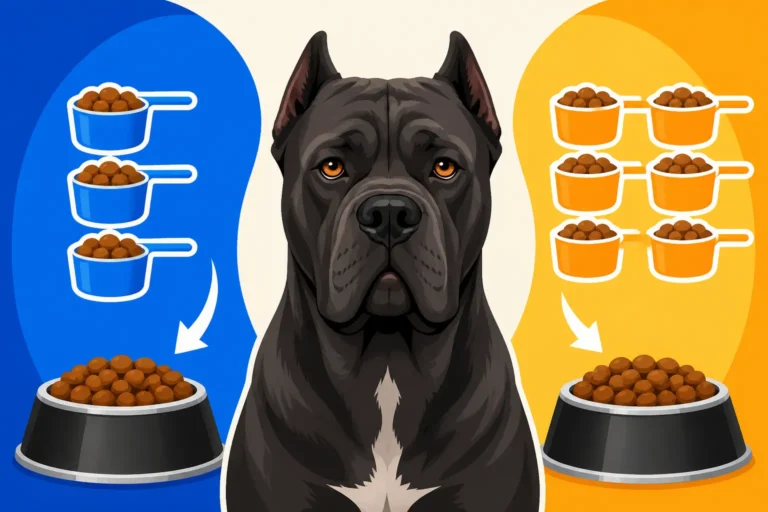
- Choose the Right Food: Select a high-quality kibble specifically formulated for large or giant breed puppies. These foods have controlled calorie levels and appropriate calcium-to-phosphorus ratios to support slower, healthier growth. Brands often specify their suitability for giant breeds. If you’re looking at different options, places like Amazon or Chewy allow you to filter by breed size and read reviews on how other Cane Corso owners have fared with particular foods. Avoid free-feeding; instead, measure out meals precisely. Six to Nine Cups Across Two Cane Corso Meals might be a typical adult ration, but a puppy's needs will differ and change quickly.
- Stick to Recommended Portions (or Less): Start with the lower end of the feeding guidelines on your chosen food's bag for your puppy's target adult weight, not their current weight. Adjust as needed based on their body condition, not just their appetite. If your puppy seems to be gaining weight too quickly or looking a bit too soft, slightly reduce their portion.
- Limit Treats and Scraps: Treats add calories quickly. Use small, low-calorie training treats, or even pieces of their regular kibble, for training. Table scraps should be off-limits.
- Moderate Exercise: Focus on quality over quantity. Short, frequent, low-impact exercise sessions are best. Think 10-15 minute walks several times a day, gentle games of fetch on grass, and opportunities for supervised exploration in a safe, enclosed area. Avoid forced running, jumping from heights, or long hikes until their growth plates have closed, usually around 18-24 months.
- Regular Vet Checks: Your veterinarian is your best partner in monitoring your puppy's growth. They can help you assess their body condition score, recommend appropriate feeding amounts, and discuss any concerns about their development. They can also advise on What a Cane Corso Should Weigh at Six Months and at other critical milestones.
Long-Term Implications and Support
Even with the best intentions, sometimes elbow dysplasia develops. It’s important to know what that might mean and how you can continue to support your Cane Corso throughout their life, whether they developed issues or not.
What Happens if Elbow Dysplasia Develops
If your Cane Corso puppy does develop elbow dysplasia, the reality can be challenging. The primary signs are often lameness, stiffness, reluctance to exercise, and pain, particularly after rest or heavy activity. These symptoms can become apparent quite early, often between 4 and 12 months of age.
Diagnosis usually involves a thorough veterinary examination, including palpation of the joints, observation of gait, and X-rays. In some cases, more advanced imaging like CT scans may be recommended to get a clearer picture of the joint damage.
Treatment options vary depending on the severity and specific form of ED. They can range from conservative management to surgical intervention:
- Conservative Management: This typically includes pain medication (NSAIDs), joint supplements, controlled exercise, weight management (keeping them lean is even more critical now), and sometimes physical therapy. This approach aims to manage pain and slow the progression of arthritis.
- Surgical Intervention: For some forms of ED, surgery can correct the underlying anatomical problem, remove bone fragments, or improve joint congruence. The goal is to reduce pain and prevent further damage. Surgery can be effective, but it’s often costly and requires significant post-operative care and rehabilitation.
Even with successful treatment, dogs with elbow dysplasia are predisposed to developing arthritis in the affected joint later in life. This means ongoing management, like providing Whether a Cane Corso Benefits From Joint Supplements or discussing Managing Arthritis in a Hundred Pound Cane Corso, will likely be a part of their care.
Supporting Your Cane Corso's Joint Health for Life
Whether your Cane Corso puppy grows up with perfect elbows or manages a diagnosis of dysplasia, continued attention to their joint health is vital for their entire lifespan. These powerful, heavy dogs naturally put a lot of strain on their joints.
- Maintain a Lean Body Condition: This cannot be stressed enough. Keeping your Cane Corso at a healthy, lean weight throughout their life is the single most important thing you can do for their joints. Even as adults, Why a Lean Cane Corso Keeps Its Hips Longer and slows the progression of any existing arthritis.
- Appropriate Exercise: Continue with regular, moderate exercise. Avoid extreme sports or activities that involve repetitive jumping or hard impacts, especially as they age. Swimming can be an excellent low-impact exercise.
- High-Quality Nutrition: Continue feeding a diet appropriate for their life stage and activity level. Many adult large breed formulas are designed to support joint health.
- Joint Supplements: Many Cane Corso owners choose to incorporate joint supplements containing ingredients like glucosamine, chondroitin, and MSM into their dog's diet, often starting in middle age or earlier if a problem is detected. Your vet can advise on suitable options. You can find a wide variety of these products through online retailers like Chewy or Amazon.
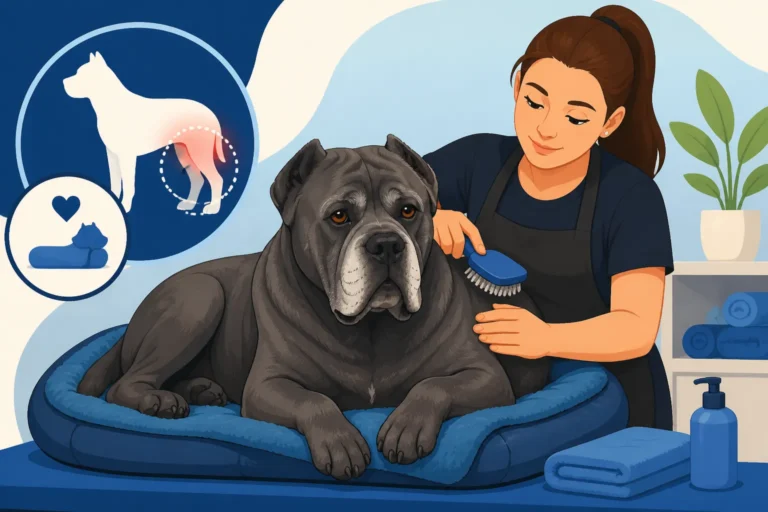
- Comfortable Bedding: Provide orthopedic beds that offer good support, especially for older dogs. This helps cushion their joints and prevent pressure sores.
- Regular Vet Check-ups: Consistent veterinary care allows for early detection of any new joint issues or progression of existing ones, ensuring prompt intervention and pain management.
By being mindful of their growth, maintaining a lean body, providing appropriate exercise, and partnering with your vet, you give your Cane Corso the best possible chance at a long, active, and comfortable life, free from the debilitating pain of elbow dysplasia.
Disclaimer
This article is for general informational purposes only and does not constitute professional advice. Laws, prices and regulations vary by location and change over time. Consult a qualified professional for guidance on your specific situation.