The Cane Corso Coat That Sheds More Than You Expect
Many prospective Cane Corso owners fall into the trap of believing that a short-coated dog means less shedding. You might envision a sleek, low-maintenance companion, but the reality can be quite a shock. This guide is here to shed light, quite literally, on the truth about Cane Corso shedding, helping you understand what to expect and how to keep your home from being completely taken over by dog hair.
The Reality of Cane Corso Shedding: More Than Meets the Eye
It's a common misconception, isn't it? You see that short, smooth coat on a magnificent Cane Corso and instantly think, "Ah, easy grooming, no tumbleweeds of hair." If only that were truly the case! Many first-time Corso owners are genuinely surprised, and sometimes even frustrated, by the sheer volume of hair these powerful dogs can produce. It's not like owning a Poodle or a Maltese, where shedding is almost non-existent.
Dispelling the "Low Shedding" Myth
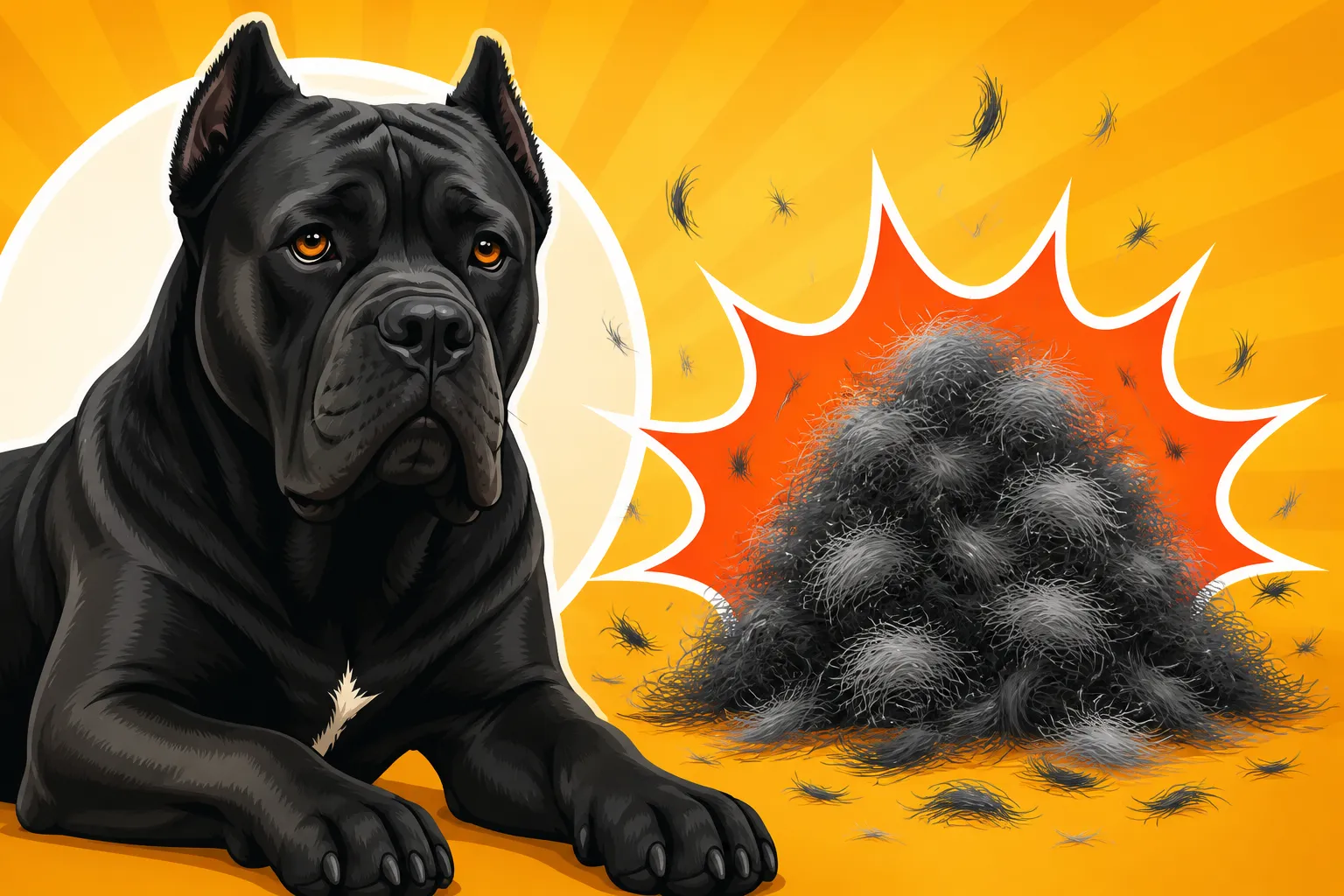
Let's be blunt: the idea that a Cane Corso is a "low-shedding" breed is just plain wrong. They absolutely shed, and often, they shed a lot more than people anticipate. This myth probably stems from comparisons to long-haired breeds that leave visible clumps and strands everywhere. With a Cane Corso, the hair is short, stiff, and often less noticeable individually, but it accumulates quickly and can weave its way into fabrics with impressive determination. You might not see large, fluffy dust bunnies, but you'll certainly feel the presence of their fur on every surface imaginable. It’s a distinct type of shedding, one that requires its own set of strategies to manage effectively.
If you're coming from a breed like a Labrador Retriever, known for its heavy shedding, you might think a Corso's shedding is manageable. But for someone accustomed to a non-shedding companion, the constant presence of short, needle-like hairs can be a rude awakening. These hairs have a way of embedding themselves into upholstery, carpets, and clothes, becoming almost a permanent fixture in your home if not actively combated. It’s important to adjust your expectations right from the start and prepare for a consistent grooming and cleaning routine.
Understanding the Cane Corso's Coat Structure
A Cane Corso typically boasts a short, dense, and coarse coat, sometimes with a fine undercoat, especially in colder climates. This double-coat (even if the undercoat isn't always obvious) is what enables them to brave various weather conditions, a remnant of their working dog heritage in the Italian countryside. The outer guard hairs are stiff and water-resistant, providing protection, while the softer undercoat offers insulation. It's this undercoat, in particular, that contributes heavily to the seasonal "blowouts" we'll discuss.
Even in Corsos without a distinctly visible undercoat, the density of their short hair is significant. Imagine millions of tiny, strong bristles covering a large, muscular body. Each of these hairs has a life cycle, and when that cycle ends, it falls out. Because there are so many of them, and because the dog is so large, even normal shedding translates into a considerable amount of hair. These aren't delicate strands; they're robust hairs that once served a protective purpose, meaning they're designed to withstand a bit of wear and tear before falling out, making them quite resilient even after they've detached from your dog.
Seasonal Shedding: The Cane Corso's Bi-Annual Blowout
While Cane Corsos shed year-round, there are definitely peak seasons when the hair loss ramps up dramatically. These are the times you'll find yourself reaching for the vacuum and lint roller far more frequently, often wondering if your dog is secretly trying to redecorate your entire house with their fur.
The Spring 'Undercoat Dump'
As winter gives way to spring, nature signals a change in your Cane Corso's coat, often around February to April depending on your climate. This is when they actively "blow" their winter undercoat to prepare for warmer weather. It’s not just a little extra hair; it’s a full-on undercoat dump. You'll literally be able to pull handfuls of soft, downy hair off your dog, and if you don't, they'll deposit it all over your house, your car, and potentially even your neighbors' yards if they spend time outdoors.
During this period, daily brushing isn't just a suggestion; it's a necessity. If you skip a day or two, you'll feel the immediate impact. Many owners find deshedding tools indispensable during these weeks. Think of it as a concentrated effort to remove as much dead hair as possible directly from the source, preventing it from migrating to every nook and cranny of your home. If you live in a climate with distinct seasons, this spring shed will be the most noticeable and labor-intensive grooming period of the year. Consider professional grooming during this time for a thorough deshedding treatment that can significantly reduce the amount of hair you're battling at home.
Preparing for the Autumnal Hair Cascade
Just as they shed their winter coat in spring, Cane Corsos will also shed their lighter summer coat in the fall to make way for a thicker, warmer one. This typically occurs in late summer to early autumn, around August to October. While often less dramatic than the spring blowout, the autumnal shedding is still significant and requires consistent grooming attention. The hair they're shedding is usually the coarser outer guard hairs, combined with some of the lighter undercoat that helped keep them cool during the warmer months.
This preparation for winter is crucial for their comfort and health. By actively removing the old, dead hair, you're helping their skin breathe and making room for the new, insulating coat to come in strong. Again, regular brushing, perhaps every other day, will be your best defense against a house coated in Cane Corso hair. Don't underestimate this shedding period just because it might seem lighter than spring. The hair is still dense and can accumulate quickly. This is a great time to ensure your grooming tools are in top shape.
Everyday Shedding: A Constant Companion
Beyond the seasonal explosions, Cane Corsos are pretty consistent shed-masters all year round. It's a subtle, ongoing process that, if not managed, can quickly make you feel like your home is permanently covered in a fine layer of dog hair.
Managing Daily Hair Fallout Indoors
Even outside of the peak shedding seasons, your Cane Corso will shed. You'll notice it on their favorite napping spots, gathering in corners, and clinging to your clothes. This daily hair fallout is a normal part of their coat's life cycle. Each individual hair has a finite lifespan, and once it's done its job, it sheds to make way for new growth. For a large dog with such a dense coat, "normal" shedding still means a significant amount of hair.
To keep this under control, light, daily grooming can make a huge difference. A quick brush-down with a rubber curry brush or a grooming mitt can collect a surprising amount of loose hair before it has a chance to settle elsewhere. This also doubles as a lovely massage for your Corso, strengthening your bond. Think of it as preventative maintenance for your home – a few minutes of brushing each day can save you a lot more time vacuuming and lint-rolling later on. Regular contact with your dog's coat also allows you to spot any skin issues or changes early, which is an added benefit.
The Impact on Furniture and Clothing
Let's face it: if you own a Cane Corso, dog hair will become an accessory to your life. Those short, stiff hairs have a remarkable ability to weave themselves into fabric, making them particularly difficult to remove from upholstery, carpets, and clothes. Dark-colored furniture suddenly sports a lighter, speckled look, and your black pants become an instant canvas for fawn or brindle hairs. It’s just part of the package.
Investing in good quality lint rollers, pet-specific vacuum cleaners, and washable furniture covers can help mitigate the impact. Keep a lint roller by the door for a quick de-hairing before you leave the house. Consider dedicated "dog blankets" for your Corso's favorite lounging spots on the couch to contain the hair. While you'll never achieve a completely hair-free existence, these strategies can make the reality of living with a shedding Cane Corso much more manageable. It’s not about fighting a losing battle; it’s about strategic defense and accepting that some level of fur will always be present.
Factors Influencing Shedding Intensity
While shedding is a natural process for your Cane Corso, its intensity can fluctuate based on several internal and external factors. Understanding these can help you manage it better or even identify if there's an underlying issue contributing to excessive hair loss.
Diet and Nutrition's Role in Coat Health
A healthy coat begins from the inside out, and your Cane Corso's diet plays a monumental role in the quality of their fur and skin, and by extension, their shedding. A diet lacking essential nutrients, particularly omega fatty acids, can lead to a dull, brittle coat and excessive shedding. Imagine your own hair if you weren't eating well – it would likely become dry and prone to breakage. It's the same for your dog.
High-quality dog food, formulated for large breeds, is crucial. Look for foods with clearly listed animal protein sources as the first ingredient and healthy fats like fish oil or flaxseed. Sometimes, adding a supplement can make a noticeable difference. Many owners swear by fish oil supplements for a healthy, shiny coat and reduced shedding. Products available on platforms like Chewy or Amazon often feature ingredients specifically designed to support skin and coat health. Just be sure to consult with your vet before introducing any new supplements to your dog's diet, as balance is key. A balanced diet can lead to a stronger, healthier coat where hairs have a longer life cycle, meaning less shedding overall.
Hormones, Health, and Stress
Several internal factors can impact your Cane Corso's shedding patterns. Hormonal changes, such as those experienced by unspayed females during their heat cycles or after a false pregnancy, can trigger significant shedding. Similarly, spaying or neutering can sometimes alter coat texture and shedding, though the effects vary greatly from dog to dog. Illnesses, even minor ones, can also cause increased shedding, as the body diverts resources to fight off the sickness. If your dog is battling an infection or dealing with an underlying health condition, you might notice their coat looking a bit worse for wear, and shedding more.
Stress is another significant, often overlooked, factor. Just like humans can lose hair due to stress, so can dogs. Changes in routine, moving to a new home, the loss of a family member (human or animal), or even separation anxiety can manifest as increased hair loss. Observing your Cane Corso's overall behavior and health alongside their shedding patterns can provide valuable clues. If you suspect stress or illness, a vet visit is always warranted to rule out any serious medical conditions.
Environmental Triggers and Allergies
Your Cane Corso's environment also plays a role in how much they shed. Indoor dogs, especially those in temperature-controlled homes, may shed more consistently year-round because their bodies don't get strong seasonal signals to grow or shed a thick coat. The artificial light cycles and constant indoor temperatures can disrupt the natural hormonal cues that regulate shedding. Conversely, dogs who spend more time outdoors might have more distinct seasonal shedding patterns.
Allergies are another common environmental trigger for shedding. Whether it's environmental allergens like pollen, dust mites, or certain grasses, or food allergies, an allergic reaction often manifests as itchy, irritated skin, which in turn leads to excessive scratching, licking, and subsequently, more hair loss. If you notice your Cane Corso is excessively itchy, has red patches, or is shedding more than usual, it's worth exploring potential allergies with your veterinarian. Skin Allergies That Flare on a Cane Corso can be a major contributor to shedding issues, and an elimination diet might be needed to pinpoint food triggers.
Tools and Techniques for Effective Shedding Management
Managing Cane Corso shedding isn't just about accepting the hair; it's about proactively reducing it at the source. Having the right tools and a consistent routine can make a world of difference in keeping your home (and your sanity) intact.
Brushing Routines for Different Shedding Levels
Brushing is your number one defense against Cane Corso hair. The key is consistency and choosing the right brush for the job. For daily maintenance, a rubber curry brush or a grooming mitt is excellent. These gently massage the skin, stimulate circulation, and collect loose hairs from the topcoat without irritating the skin. They are perfect for a quick once-over every day or every other day. This daily ritual can significantly reduce the amount of hair that ends up on your floors and furniture.
During peak shedding seasons – spring and autumn – you'll need to step up your game with more specialized tools. A deshedding tool, often referred to as a "shedding blade" or rake, is invaluable for removing the dense undercoat. These tools are designed to reach deep into the coat and pull out dead, loose undercoat hairs before they fall out naturally. Using one of these once or twice a week during heavy shedding periods can be incredibly effective. However, be careful not to overdo it, as excessive use can damage the coat or irritate the skin. Getting a Brush Through a Cane Corso's Dense Undercoat explores this in more detail.
| Tool Type | Primary Use | Shedding Level | Frequency Recommended | Benefits |
|---|---|---|---|---|
| Rubber Curry Brush | Daily loose hair collection | Low to Moderate | Daily or every other day | Gentle, stimulating, good for short coats, collects surface hair |
| Grooming Mitt | Gentle daily grooming, massage | Low to Moderate | Daily | Very gentle, enhances bond, great for sensitive dogs |
| Deshedding Tool | Undercoat removal during blowouts | High | 1-2 times a week during shedding | Highly effective for dense undercoat, reduces overall shedding significantly |
| Bristle Brush | Polishing topcoat, light shedding | Low | 2-3 times a week | Distributes natural oils, adds shine, good for short, smooth coats |
| Vacuum Brush | Attaching to vacuum for direct hair removal | All | As needed, 1-2 times a week | Direct hair removal, contains mess, can be less messy than regular brushing |
Bathing for Coat Health and Shedding Control
While brushing is critical, bathing also plays a vital role in managing your Cane Corso's shedding. A good bath helps to loosen and remove dead hair, especially when followed by a thorough brushing session while the coat is still damp or after it's dried. Aim for a bath every 4-8 weeks, or as needed, depending on how dirty your Corso gets and any skin conditions they might have. Over-bathing can strip natural oils, leading to dry skin and potentially more shedding, so strike a balance.
Using a high-quality shampoo specifically formulated for dogs can make a difference. Look for shampoos designed for sensitive skin or those that promote a healthy coat. After shampooing, a good conditioner can help hydrate the skin and hair, making it smoother and stronger. During the bath, use a rubber curry brush to work the shampoo through the coat and gently scrub away loose hair. A thorough rinse is crucial to prevent skin irritation. After the bath, towel dry vigorously and then follow up with a deshedding tool or brush once the coat is completely dry. Bathing a Cane Corso in a Home Shower can be quite the undertaking given their size, but it's effective for shedding control.
Professional Grooming and Deshedding Services
Sometimes, the shedding is just too much to handle at home, or you simply don't have the time or strength to tackle it yourself. This is where professional groomers become invaluable. Many groomers offer specialized "deshedding" services that can significantly reduce the amount of loose hair on your Cane Corso. These services typically involve a special deshedding shampoo and conditioner, followed by a powerful blow-dry that helps to blast out loose undercoat, and then a thorough brushing with professional deshedding tools.
A professional groomer has the equipment and expertise to get deep into your Corso's dense coat and remove an incredible amount of dead hair in one session. This can give you a solid month or two of reduced shedding at home, making your daily maintenance much easier. If you're struggling with seasonal blowouts, a professional deshedding treatment at the beginning of spring and fall can be a lifesaver for your home. It’s an investment, but many Cane Corso owners find it well worth the cost for the relief it provides from the constant battle against dog hair.
Living with Cane Corso Hair: Practical Home Strategies
No matter how diligent you are with grooming, if you live with a Cane Corso, you're going to live with some dog hair. The trick is learning how to manage it within your home effectively, so it doesn't become overwhelming.
Cleaning Up After the Cane Corso Shed
This is where your battle against the fur truly takes shape within your living space. Those short, coarse Cane Corso hairs have a knack for embedding themselves into everything, and a standard broom just isn't going to cut it. You'll need specialized tools and a consistent cleaning routine to stay on top of it. A powerful vacuum cleaner designed for pet hair is a non-negotiable item. Look for models with strong suction, good filtration, and attachments specifically for upholstery and corners. Brands available on Amazon and Chewy often highlight their pet-specific features, which can be a huge help.
Beyond the vacuum, consider lint rollers for clothing and furniture. Keep them strategically placed throughout your home – by the front door, next to the couch, in your car. Rubber brooms or squeegees can also be surprisingly effective on hard floors and carpets, as the rubber creates static that helps to gather the hair into manageable piles. Don't forget about washing pet bedding frequently; it can accumulate a massive amount of hair. A good routine involves daily spot vacuuming in high-traffic dog areas, weekly thorough vacuuming, and regular laundry cycles for anything your Cane Corso rests on. Living With the Hair a Cane Corso Leaves Everywhere means a commitment to cleaning.
Protecting Your Home from Excessive Hair
Prevention and protection are key when sharing your space with a shedding Cane Corso. Thinking ahead about how hair will settle can save you a lot of cleaning effort in the long run. Washable furniture covers are a godsend. Whether you opt for fitted covers or just throw blankets, having something that can be easily removed and tossed into the washing machine can save your sofa. Choose materials that are less prone to trapping hair, such as smooth, tightly woven fabrics, over rougher textures like chenille.
For car owners, investing in a good quality seat cover for your vehicle is also highly recommended. Cane Corsos shed in cars just as much as in the house, and those hairs can quickly become a permanent part of your car's upholstery. Furthermore, establishing designated "dog zones" or using dog beds in specific areas can help concentrate the hair to certain spots, making cleanup more focused. Some owners even use large, comfy blankets as primary dog beds because they can be easily shaken out outdoors or washed. The goal isn't to eliminate hair entirely, but to contain and manage its spread as much as possible.
When Shedding Might Indicate a Problem
While shedding is normal for a Cane Corso, there are times when it can be a sign that something isn't quite right. Learning to distinguish between normal hair loss and excessive or unusual shedding is an important part of responsible pet ownership.
Recognizing Abnormal Hair Loss
Normal shedding typically involves a generalized loss of hair across the body, with new hair growth coming in to replace it. Abnormal hair loss, however, might look different. You might notice bald patches, thinning hair in specific areas (like around the eyes, ears, or tail base), or a dull, brittle coat texture. If the skin beneath the shedding hair appears red, inflamed, flaky, scabby, or has a strange odor, these are definite red flags.
Other signs of abnormal shedding include excessive itching or licking, which can cause secondary skin infections and further hair loss. Parasites like fleas, ticks, or mites (such as those that cause Demodectic Mange on a Young Cane Corso) can lead to intense itching and localized hair loss. Fungal infections, bacterial infections, or allergies can also present with unusual shedding patterns and skin irritation. If your Cane Corso's coat quality suddenly changes, or their shedding dramatically increases outside of the normal seasonal cycles, it's time to pay close attention.
Consulting Your Veterinarian About Excessive Shedding
If you observe any of the signs of abnormal hair loss mentioned above, or if you simply feel that your Cane Corso is shedding an excessive amount, or their coat just doesn't look healthy, it's always best to consult your veterinarian. Don't try to self-diagnose or treat the issue, as many underlying causes require specific medical intervention. Your vet will perform a thorough physical examination, ask about your dog's diet, environment, and any other symptoms you've noticed.
They might recommend diagnostic tests such as skin scrapings (to check for mites), fungal cultures, blood tests (to check for hormonal imbalances like hypothyroidism), or allergy testing. Depending on the diagnosis, treatment could range from a simple change in diet or the addition of supplements, to medicated shampoos, antibiotics, antifungals, or even long-term allergy management. Early intervention is key to resolving the issue and getting your Cane Corso's coat back to a healthy state. Remember, your vet is your best resource for any health concerns, including unusual shedding.
Disclaimer
This article is for general informational purposes only and does not constitute professional advice. Laws, prices and regulations vary by location and change over time. Consult a qualified professional for guidance on your specific situation.