Living With a Cane Corso’s Drool
Let's be honest, living with a Cane Corso means living with drool. It's a fact of life, like finding hair in your coffee or knowing your couch will never truly be spotless again. Those magnificent jowls, while giving them that regal, powerful look we all adore, also act as incredibly efficient drool dispensers. You've probably found sticky trails on your floors, mysterious wet patches on your clothes, and maybe even a few "slobber rockets" decorating your walls or ceiling. It's frustrating, it's messy, and sometimes, you just wish you could figure out how to keep it under control without constantly scrubbing. This guide is here to walk you through the ins and outs of Cane Corso drool, from understanding why they do it to practical, realistic strategies for managing the glorious, gooey reality.
Understanding Why Your Cane Corso Drools (And Why It's Normal… Mostly)
Before we dive into containment strategies, it helps to understand the fundamental reasons behind your Cane Corso's drooling. It's not just a random act of slobber; it's often a combination of genetics, anatomy, and behavioral cues. Embracing this understanding can make the daily clean-up a little less annoying, knowing you're dealing with a characteristic trait rather than a "problem" your dog is creating intentionally.
The Anatomy Behind the Drip: Loose Lips and Deep Jowls
The Cane Corso, like many Mastiff-type breeds, is blessed with a distinct facial structure that contributes significantly to their drooling tendencies. Their lips aren't tightly sealed like a Labrador's; instead, they have rather loose flews and deep jowls. These aren't just for show – they're part of what gives the Cane Corso its unique, imposing appearance. However, from a practical standpoint, these loose lips act like open-ended troughs, perfectly designed to collect saliva.
When your Cane Corso's salivary glands produce fluid, it has nowhere to go but down. Gravity takes over, and instead of being neatly contained within a tight mouth, it pools in those lower jowls. As the dog moves its head, shakes, or even just breathes, that collected saliva can easily escape, leading to the drips, strings, and splashes you know all too well. It’s a structural reality; they simply aren't built to keep every drop of saliva inside their mouth.
When Drool Becomes a River: Excitement, Anticipation, and Stress
While some level of drooling is always present due to their anatomy, you've likely noticed that it significantly increases during certain situations. This isn't just about anatomy; it's often a physiological response to their environment. Think about Pavlov's dogs – the anticipation of food makes their mouths water, and your Cane Corso is no different. The crinkle of the food bag, the sound of kibble hitting the bowl, or even just seeing you head towards their feeding area can trigger a cascade of saliva.
Beyond mealtime, excitement plays a huge role. A new visitor at the door, the sound of their leash jingling for a walk, or the sight of their favorite toy can all ramp up saliva production. It's their body's way of preparing for action, or simply expressing joy and eagerness. On the flip side, stress or anxiety can also manifest as increased drooling. A trip to the vet, a loud thunderstorm, or separation anxiety can lead to excessive drooling as a physical symptom of their emotional state. Understanding these triggers allows you to anticipate the mess and be prepared.
Identifying When Drool Might Signal a Problem
While a certain amount of Cane Corso drool is completely normal and expected, it’s important to recognize when drooling might be a sign of something more serious. Normal drool is typically clear and relatively thin. If you notice a sudden, dramatic increase in drooling, or if the saliva itself changes in consistency, color, or odor, it's time to pay closer attention.
Excessive, thick, foamy, or discolored drool could indicate an underlying health issue. This might be accompanied by other symptoms like pawing at the mouth, reluctance to eat, swelling, lethargy, or vomiting. A foreign object lodged in their mouth or throat, dental disease, an upset stomach, or even more serious conditions like bloat can all cause abnormal drooling. If you're ever concerned, especially if your dog seems unwell or the drooling is truly out of character, don't hesitate to consult your veterinarian. The First Sign a Cane Corso Is Bloating can often be excessive drooling followed by other concerning symptoms, so always be vigilant.
Daily Strategies for Managing Cane Corso Drool
Okay, so we've established that drool is a part of Cane Corso life. Now, how do we live with it without feeling like we're constantly wiping? The key is to be proactive and integrate simple management techniques into your daily routine. It's about minimizing the spread and keeping your home and your dog clean, rather than trying to stop the drool altogether, which is a losing battle.
The Art of the Drool Rag: Placement, Frequency, and Type
The humble drool rag is your most essential weapon in the fight against slobber. You can't just have one; you need them strategically placed throughout your home. Think about where your Cane Corso spends the most time: by their bed, next to the couch, near the front door, in the car. Having a designated rag within arm's reach means you can quickly intercept a drip or wipe down a jowl before the slobber-string has a chance to fully deploy.
When it comes to frequency, think proactively. A quick wipe of the jowls after a drink of water, before they greet a guest, or when they're showing signs of excitement can make a world of difference. As for the type of rag, highly absorbent materials are your best friend. Old hand towels, microfiber cloths, or even dedicated "dog towels" work wonderfully. Stock up on them – you'll need a steady supply. You can often find multipacks of absorbent cloths on Amazon or at your local big box store, making it easy to keep a fresh rotation going.
Protective Measures for Your Home and Car
Your furniture, floors, and car interior are prime targets for Cane Corso drool. Investing in protective covers isn't just about cleanliness; it's about preserving your belongings and reducing the sheer volume of cleaning you'll have to do. For couches and chairs, consider heavy-duty, washable throws or slipcovers. Look for materials that are water-resistant or easily laundered. These can be quickly stripped off and tossed into the wash, making drool management much less of a chore.
In the car, a waterproof seat cover or hammock is non-negotiable, especially for longer rides or trips to the vet where excitement or anxiety might increase drooling. Many pet supply retailers, including online giants like Chewy, offer a wide range of durable car seat protectors designed for large breeds. For floors, especially in high-traffic or common drool zones, consider washable area rugs or runners that can absorb drips and are easy to clean. This creates a barrier between the drool and your permanent flooring, which is a lifesaver for hardwood or carpet.
Keeping Your Cane Corso's Face Clean and Healthy
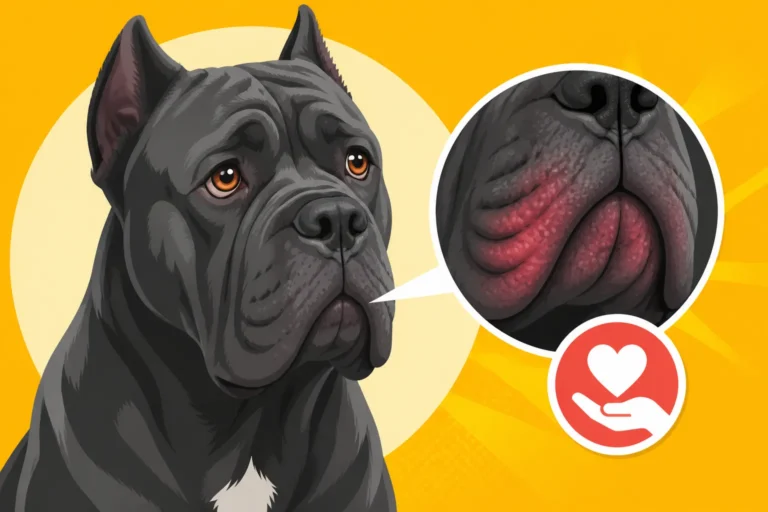
Beyond just managing the mess in your home, it's crucial to keep your Cane Corso's face clean for their own comfort and health. Those loose jowls and facial folds, while endearing, can trap moisture, food particles, and saliva, creating a breeding ground for bacteria and yeast. This can lead to skin irritation, foul odors, or even infections.
Make it a habit to gently wipe down their jowls and any facial folds daily, or even several times a day if they're particularly drooly or messy after eating. Use a soft, damp cloth or pet-safe cleansing wipes. Be thorough but gentle, ensuring you get into all the nooks and crannies. If you notice any redness, soreness, or a strange smell, consult your vet, as it could be a developing skin fold dermatitis. Regular cleaning helps prevent these common issues and keeps your Cane Corso looking and feeling their best. Cleaning the Wrinkles Above a Cane Corso's Nose is another area often overlooked but crucial for hygiene.
Mealtime Habits to Minimize Drool
Mealtime is often peak drool time for a Cane Corso. The sheer anticipation of food, combined with the act of eating, can turn those magnificent jowls into veritable waterfalls. While you can't eliminate mealtime drool entirely, you can certainly implement strategies to make it less of a tidal wave and more of a manageable trickle. It's all about how you present the food and how your dog consumes it.
Slowing Down the Scarf: Special Bowls and Feeding Techniques
Many Cane Corsos, like other large breeds, are notorious for wolfing down their food at an alarming rate. This rapid ingestion not only increases the excitement-induced drool but can also lead to gulping air, which is a factor in serious conditions like bloat. Investing in a slow feeder bowl can be a game-changer. These bowls have raised ridges or patterns inside that force your dog to eat around them, significantly slowing down their mealtime.
Another technique is to scatter their kibble across a clean, hard surface or use a puzzle feeder. This turns mealtime into a mental exercise, making them work for their food and naturally extending the time it takes to eat. The longer, slower process can reduce the intense burst of anticipatory drool and make the whole experience calmer. Slow Feeders That Pace a Cane Corso are widely available and can make a genuine difference in managing mealtime mess and promoting healthier eating habits.
The Importance of Timing Water and Exercise Around Meals
The timing of when your Cane Corso drinks water and engages in physical activity around their meals can also impact drooling. Many dogs will drink a large amount of water immediately after eating, which, combined with lingering food particles and general mealtime enthusiasm, can result in extra-wet jowls and more messy drips. Try to offer water before their meal, then perhaps restrict access for a short period after, or simply be ready with your drool rag.
Similarly, vigorous exercise immediately before or after eating can lead to increased drooling due to excitement and heavy breathing. It's also a significant risk factor for bloat in deep-chested breeds like the Cane Corso. Aim to create a calm routine around meals. A quiet period before and after eating allows their digestive system to settle and minimizes the kind of frenetic excitement that amplifies drooling. Timing a Cane Corso's Meal Around Its Walk is a crucial consideration for their overall health and well-being, including drool management.
What You Feed Can Influence Salivation
Believe it or not, the type of food you offer your Cane Corso can also influence their drooling. Highly palatable foods, especially those with strong odors or a soft, wet consistency, tend to generate more saliva in anticipation and during consumption. If you've ever offered a particularly smelly treat, you know exactly what I mean – the drool factor goes up exponentially!
While you want to feed a high-quality diet, if you're struggling with excessive mealtime drool, you might consider the texture and odor of their food. Some owners find that a drier kibble, or one with a less intense aroma, can lead to slightly less drooling than a very moist or strong-smelling wet food. If you're exploring fresh food options, services like Ollie that provide tailored, gently cooked meals, often focus on high-quality, less processed ingredients. While this isn't a magic bullet for drool, it's worth considering if certain food types seem to exacerbate the issue for your particular dog. Always make dietary changes gradually to avoid upsetting your Cane Corso's sensitive stomach. Diet Changes That Upset a Deep Chested Cane Corso can lead to other issues beyond just drooling.
Addressing Excessive Drooling and When to Seek Vet Advice
While we’ve covered the normal, everyday drool of a Cane Corso, there are times when drooling can become truly excessive, change in character, or be accompanied by other symptoms that warrant a closer look by a veterinary professional. It’s important to distinguish between typical slobber and a potential sign of an underlying health problem.
Dental Health and Its Connection to Drooling
One of the most common, yet often overlooked, causes of excessive drooling is poor dental health. Just like in humans, dogs can develop plaque and tartar buildup, leading to gingivitis and periodontal disease. Inflamed gums, infected teeth, or even a broken tooth can be incredibly painful and cause increased salivation as the body tries to soothe the irritation or flush out bacteria. Your Cane Corso might also paw at their mouth, be reluctant to eat hard kibble, or have noticeably bad breath.
Regular dental check-ups are vital, and your vet can assess the state of your dog's teeth and gums. Professional dental cleanings under anesthesia are often necessary to remove plaque and address any diseased teeth. Don't underestimate the impact of oral health on overall well-being and drooling. The Dental Bill on a Cane Corso With Retained Teeth can be substantial, but addressing these issues early can prevent more severe problems down the line.
Heatstroke, Nausea, and Other Medical Causes
Sudden, profuse drooling can also be a red flag for more acute medical emergencies. Heatstroke, especially in a heavily-coated or dark-colored Cane Corso during hot weather, often presents with excessive panting and copious drooling, sometimes thick and ropy. This is a life-threatening situation requiring immediate veterinary attention. Heat Stroke in a Working Cane Corso is a serious concern, and drooling can be an early indicator.
Nausea, motion sickness, or an upset stomach can also trigger increased salivation, often accompanied by lip-licking, gulping, or eventually vomiting. In some cases, a foreign object lodged in the mouth or throat, or even a sting from an insect, could cause irritation and a sudden increase in drool. If your Cane Corso is drooling excessively and also showing other signs of distress, lethargy, or pain, seek veterinary care right away. It's always better to be safe than sorry when it comes to your dog's health.
The Role of Anxiety and Behavioral Drooling
As mentioned earlier, stress and anxiety can significantly ramp up drooling. For some Cane Corsos, being left alone can trigger separation anxiety, manifesting in behaviors like destructive chewing, vocalization, and profuse drooling. A trip to the vet or a car ride might also induce anxiety-related drooling. In these cases, the drooling isn't a primary physical problem, but a symptom of their emotional state.
Addressing behavioral drooling requires tackling the root cause of the anxiety. This might involve counter-conditioning, desensitization, or behavior modification techniques, possibly with the guidance of a professional dog trainer or veterinary behaviorist. For severe cases, your vet might even recommend anti-anxiety medication. Understanding Separation Anxiety in a Cane Corso Left in a Crate is crucial for mitigating this stress-related drooling and improving your dog's overall quality of life.
Products and Solutions for the Drool-Prone Household
Living with a drooly Cane Corso doesn't mean giving up on a clean home. In fact, there are countless products and solutions designed specifically to help manage the slobber and protect your belongings. From specialized gear for your dog to household cleaning innovations, equipping yourself with the right tools can make daily life much more enjoyable.
Essential Gear for Drool Management
Beyond your trusty drool rags, there's a whole world of accessories that can help contain and manage Cane Corso drool. Drool bibs, for instance, are becoming increasingly popular for breeds with loose jowls. These are essentially absorbent bandanas or scarves that tie around your dog's neck, designed to catch drips before they hit the floor or your clothing. Look for ones made from highly absorbent materials like fleece or terry cloth, which can be easily washed.
For sleeping or resting areas, investing in waterproof or water-resistant dog beds is a smart move. Many high-quality dog beds now come with removable, washable covers that are designed to repel liquids, making clean-up a breeze. These can save you from constantly scrubbing spots on traditional bedding. You can find a fantastic array of drool rags, bibs, and absorbent throws on sites like Chewy, ensuring you have all the necessary supplies to keep your home tidy.
Furniture Protectors and Car Accessories
Your home and vehicle take the brunt of the drool, so specific protectors are key. For couches and chairs, consider waterproof furniture covers. These aren't just for pet owners anymore; they're designed to be stylish and durable. Many feature elasticized straps to keep them in place and are machine washable, making them incredibly practical. They create an impermeable barrier that drool can't penetrate, protecting your upholstery underneath.
For your car, a heavy-duty, waterproof car seat cover or hammock is a non-negotiable item for any Cane Corso owner. These not only protect your seats from drool but also from hair, dirt, and scratches. Look for options that are easy to install and remove, and which offer side flaps to protect the doors. Finding the perfect waterproof car seat cover, durable throws, or even specialized dog towels is easy with the vast selection on Amazon, often with options that cater specifically to large breeds.
Food and Treat Considerations
While food itself can be a trigger for drooling, certain food and treat choices can also influence the amount of drool produced. As discussed, extremely aromatic or wet foods can increase salivation. If you're consistently dealing with a major drool fest at meal times, you might experiment with different food textures or brands. Some owners find that a firmer, less crumbly kibble can result in less overall mess.
Consider chew toys and treats that are less prone to becoming saturated with slobber. Hard, non-porous chews are often better than soft, crumbly ones that quickly turn into a gooey mess. For fresh food enthusiasts, services like Ollie provide pre-portioned, gently cooked meals that, while wet, might be consumed with less frantic excitement than some kibbles, potentially leading to a more contained meal experience. Always supervise your Cane Corso with new chews to ensure they are safe and appropriately sized.
Here's a quick reference table to help you distinguish between different types of drool and how to react:
| Type of Drool | Appearance & Context | Common Causes | Recommended Action | When to See a Vet Immediately |
|---|---|---|---|---|
| Normal "Happy" Drool | Clear, stringy, often forms small puddles. Occurs with excitement, anticipation (food, walk), or after drinking. | Loose jowls, excitement, anticipation, normal salivation. | Keep drool rags handy, use protective covers, regular facial wipes. | N/A – this is normal. |
| Increased "Wet" Drool | Clear, noticeably more than usual. Can appear during car rides, vet visits, thunderstorms, or while greeting new people. | Anxiety, stress, motion sickness. | Address underlying anxiety, offer calming aids, desensitize to triggers, ensure a calm environment. | If accompanied by vomiting, lethargy, or signs of severe distress. |
| Thick/Foamy Drool | Ropy, thick, sometimes bubbly. | Nausea, upset stomach, foreign body in mouth, bloat (early sign), heatstroke. | Monitor closely for other symptoms (vomiting, retching, lethargy, restlessness). | Any suspicion of bloat, heatstroke, or difficulty breathing. |
| Discolored/Bloody Drool | Pink, reddish, brown, or green tinges. Foul odor. | Dental disease, oral injury, infection, foreign body, toxic ingestion. | Inspect mouth if safe, offer fresh water, check for swelling or obvious injury. | Always seek vet attention for discolored or bloody drool. |
Disclaimer
This article is for general informational purposes only and does not constitute professional advice. Laws, prices and regulations vary by location and change over time. Consult a qualified professional for guidance on your specific situation.