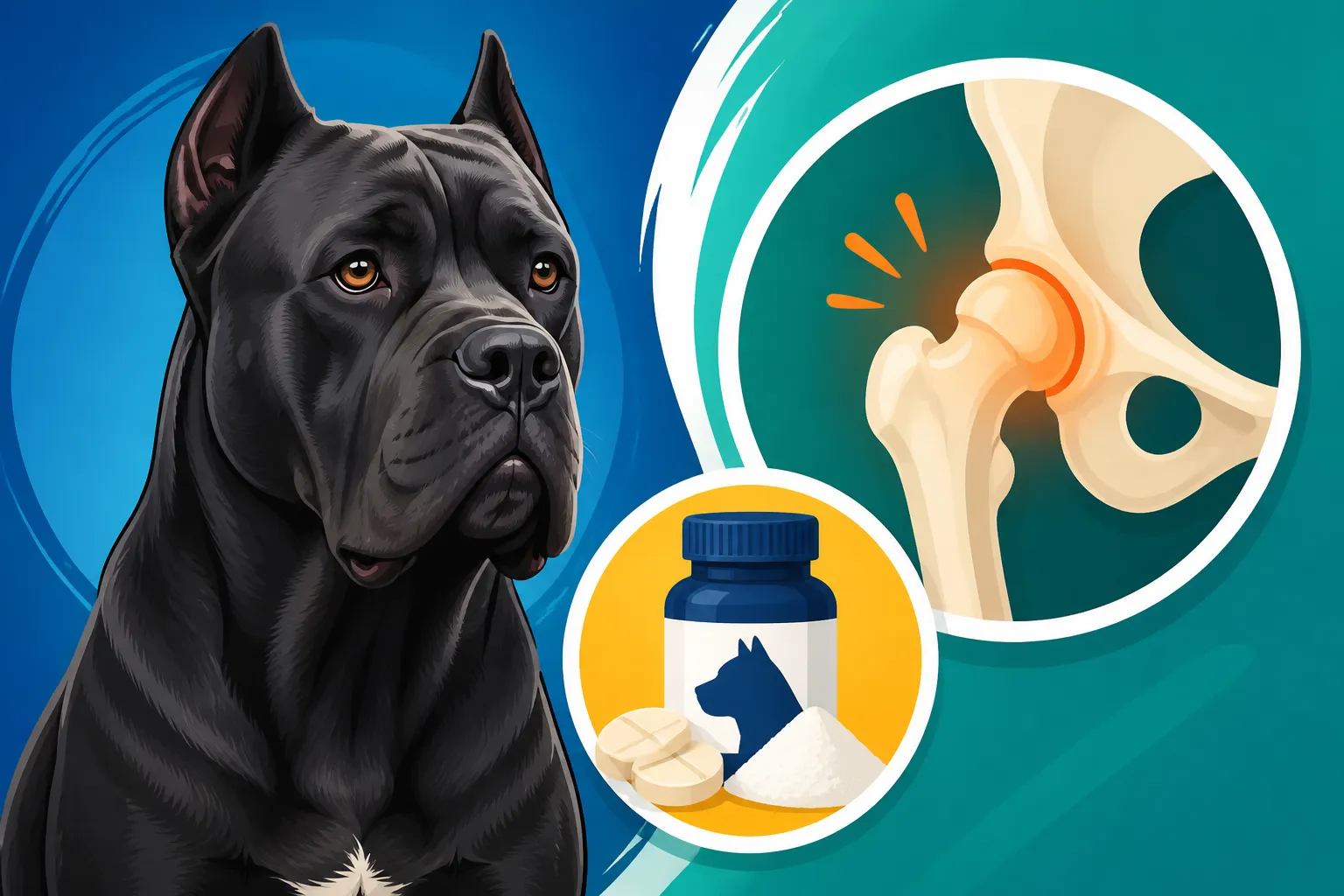
Whether Glucosamine Helps a Cane Corso’s Graded Hips
Finding out your beloved Cane Corso has graded hips, or is predisposed to hip issues, can feel like a punch to the gut. You want to do everything in your power to keep them comfortable and mobile, and often, the first thing many of us hear about is glucosamine. This guide will dive deep into what graded hips mean for your Cane Corso, how glucosamine and other joint supplements are thought to work, and how to best support your big dog's joint health through their life.
Understanding Graded Hips in Cane Corsos
When you're dealing with a large, powerful breed like the Cane Corso, joint health is a constant concern. The sheer size and rapid growth rate can put immense strain on their developing joints, making them particularly susceptible to conditions like hip dysplasia. It's a challenging reality for many Cane Corso owners, and understanding it is the first step toward proactive care.
What "Graded Hips" Actually Mean
"Graded hips" refers to a formal evaluation of your dog's hip joint conformation, typically performed by veterinary orthopedic specialists using X-rays. For Cane Corsos, like many large breeds, hip dysplasia is a significant concern. It's a genetic condition where the ball and socket of the hip joint don't fit together perfectly, leading to instability, abnormal wear and tear, and eventually, degenerative joint disease or osteoarthritis.
There are a few widely recognized grading systems. The Orthopedic Foundation for Animals (OFA) uses a seven-point scale ranging from Excellent to Severe, with Fair, Borderline, Mild, and Moderate in between. Dogs graded Good or Excellent are generally considered suitable for breeding, while those with Fair hips might be considered marginal. PennHIP is another method that provides a quantitative measure of hip laxity, or looseness, which is a key indicator of susceptibility to hip dysplasia. Understanding your Cane Corso's hip grade from a reputable screening organization is crucial, as it gives you a baseline for their joint health and helps you make informed decisions about their future care. This grading process typically isn't done until your Cane Corso is at least two years old for OFA, though PennHIP can be done earlier. The Age a Cane Corso Can Be Hip Scored can provide more detail on this timing. Even if your dog's parents were cleared, sometimes genetics have other plans, and a good grade doesn't guarantee a lifetime free of issues, but it certainly lowers the risk.
The Impact of Hip Dysplasia on Your Cane Corso's Life
Living with hip dysplasia can range from a mild inconvenience to a severely debilitating condition for your Cane Corso. The early signs can be subtle – a slight change in gait, a momentary stiffness after getting up, or a reluctance to jump into the car. As the condition progresses, you might notice more pronounced limping, a "bunny hop" when they run, difficulty climbing stairs, or a general decrease in activity and playfulness. Imagine trying to power through your day with constantly aching joints; that's often what our big dogs are facing.
The chronic inflammation and pain can take a toll, not just physically but on their overall demeanor. A once playful and energetic Cane Corso might become withdrawn, irritable, or even show signs of aggression due to discomfort. Weight management becomes even more critical, as extra pounds put more strain on already compromised joints. It's a heartbreaking situation for owners who see their powerful, stoic companions struggling with basic movements. Many owners start looking into Signs a Cane Corso's Hips Are Starting to Go even when their dogs are young, just to stay ahead of any potential issues. The progression isn't always linear, and some dogs can manage well for years, while others decline more rapidly, often depending on the severity of the dysplasia and how effectively it's managed.
The Science Behind Glucosamine and Chondroitin
When a vet mentions "joint supplements" for your Cane Corso, glucosamine and chondroitin are almost always at the top of the list. They're widely used for a reason, but it's helpful to understand what they are and what the science suggests they can (and cannot) do. It's easy to want a magic bullet, especially when facing something as challenging as hip dysplasia, but a realistic view is important.
How These Supplements Are Supposed to Work
At a basic level, glucosamine and chondroitin are natural compounds found in healthy cartilage. Cartilage is that slippery, shock-absorbing tissue that covers the ends of bones in joints, allowing them to glide smoothly over each other. Think of it as the natural cushioning and lubricant in your Cane Corso's joints.
- Glucosamine: This is an amino sugar that plays a crucial role in building and repairing cartilage. The theory is that by supplementing glucosamine, you're providing the raw materials for the body to maintain or even repair damaged cartilage, potentially slowing down the degenerative process. It's also believed to have mild anti-inflammatory properties, which can help reduce pain and swelling in an arthritic joint.
- Chondroitin Sulfate: This is a complex carbohydrate that helps cartilage retain water, which is essential for its elasticity and shock-absorbing qualities. It's thought to inhibit enzymes that break down cartilage and to stimulate its repair. Often, you'll find glucosamine and chondroitin together in supplements because they are believed to work synergistically, supporting each other's functions in joint health.
While these supplements aren't a cure for hip dysplasia, the idea is that they can help support the existing cartilage, improve the viscosity of joint fluid (making movement smoother), and reduce inflammation, thereby improving comfort and mobility for your Cane Corso. It's about maintenance and slowing progression, not reversing damage. For a growing Cane Corso, specifically, understanding the right approach is vital, as discussed in Hip Dysplasia in a Fast Growing Cane Corso.
What the Research (and Anecdotal Evidence) Says
Now, here's where things get a little nuanced. While many veterinarians recommend glucosamine and chondroitin, and countless owners swear by them, the scientific research isn't always a resounding "yes." Some studies show modest improvements in pain and mobility for dogs with osteoarthritis, while others find the effects to be minimal or indistinguishable from a placebo. The variability in results can be due to many factors: the quality and purity of the supplements used in studies, the specific type of glucosamine (hydrochloride vs. sulfate), the dosage, the duration of treatment, and the severity of the dogs' conditions.
However, anecdotal evidence from owners is overwhelmingly positive. Many Cane Corso owners report seeing their dogs become more active, less stiff, and generally more comfortable after consistent supplementation. It's important to remember that every dog is an individual, and what works wonders for one might have little effect on another. The common consensus among many vets is that while these supplements might not be a "cure," they are generally safe, have few side effects, and are worth trying as part of a multi-modal approach to managing joint issues. Think of it as a helpful tool in your arsenal, not the sole solution.
One of the challenges is that supplement regulation isn't as strict as medication regulation, so quality can vary widely between brands. This is why choosing a reputable manufacturer is so important. When considering if Whether a Cane Corso Benefits From Joint Supplements, it often comes down to individual response and consistent, high-quality product use.
Integrating Glucosamine into Your Cane Corso's Care Plan
So, you've decided to give glucosamine a try for your Cane Corso's graded hips. This isn't a "set it and forget it" solution; it requires careful consideration of the product, consistent administration, and a holistic approach to your dog's well-being. It's about building a supportive environment for their joints.
Choosing the Right Glucosamine Supplement
The market is flooded with joint supplements, and navigating the options can feel overwhelming. Here’s what to look for when selecting a glucosamine supplement for your Cane Corso:
- Ingredients: Most effective joint supplements combine glucosamine (often as HCl or sulfate), chondroitin sulfate, and frequently MSM (methylsulfonylmethane). MSM is another compound believed to reduce inflammation and pain. Some products also include hyaluronic acid, green-lipped mussel, or omega-3 fatty acids for additional anti-inflammatory benefits.
- Formulation: Supplements come in various forms: chewable tablets, soft chews, powders, and liquids. For a large dog like a Cane Corso, palatability is key. Soft chews are often popular, but powders can be easily mixed into their food if your dog is picky. Brands like Chewy offer a wide range of these supplements, so you can explore different forms and find one your Cane Corso will actually take.
- Quality and Reputation: This is paramount. Since supplements aren't as strictly regulated as prescription drugs, the quality, purity, and actual amount of active ingredients can vary significantly. Look for brands that conduct third-party testing, have certifications, or are recommended by your veterinarian. Established pet health brands often have more rigorous quality control. Brands available on platforms like Amazon should still be scrutinized for their specific certifications and customer reviews about efficacy and ingredient transparency.
- Dosage: Always follow the recommended dosage based on your Cane Corso's weight. It's often given as a loading dose for the first few weeks, followed by a maintenance dose. Your vet can help you determine the most appropriate starting point.
When in doubt, always consult your veterinarian. They can offer guidance on specific brands and formulations that might be best suited for your Cane Corso's individual needs and the severity of their graded hips.
Proper Dosing and What to Expect
Once you've chosen a supplement, consistent and correct dosing is vital. Most joint supplements will have a recommended dosage based on your Cane Corso's weight, often with a higher "loading" dose for the first 4-6 weeks, followed by a lower "maintenance" dose. It’s crucial to stick to these guidelines. Giving too little might not yield results, and while glucosamine and chondroitin are generally safe, excessively high doses are unnecessary and could potentially cause mild digestive upset.
You also need to manage your expectations. Glucosamine and chondroitin are not pain relievers in the same way an NSAID is. They work slowly, supporting joint health over time. You likely won't see a dramatic overnight improvement. Many owners report seeing subtle changes after several weeks or even a couple of months of consistent use. These changes might include:
- A slight reduction in stiffness, especially after rest.
- Increased willingness to engage in moderate activity.
- Improved ease of movement.
- A general increase in comfort.
If you don't see any improvement after 2-3 months, it doesn't necessarily mean the supplement isn't working at all, but it might indicate that your Cane Corso's condition requires additional interventions or a different combination of supportive care. It's a long game, focusing on long-term joint support rather than immediate symptom relief.
A Holistic Approach to Joint Health Beyond Supplements
While glucosamine can be a valuable part of your Cane Corso's joint care, it's crucial to understand that it's just one piece of a much larger puzzle. Optimal joint health, especially with graded hips, requires a comprehensive, holistic approach that addresses several lifestyle factors.
First and foremost, weight management is paramount. Every extra pound your Cane Corso carries puts exponentially more stress on their already compromised hips. Keeping them lean, with visible waist and easily palpable ribs, is perhaps the single most impactful thing you can do to preserve their joint health and improve their comfort. You can learn more about this in What Extra Weight Does to a Cane Corso's Hips. If your Cane Corso is overweight, work with your vet on a safe and gradual weight loss plan.
Next, appropriate exercise is key. While it might seem counterintuitive to exercise a dog with bad hips, controlled, low-impact exercise is essential for maintaining muscle mass, which supports and stabilizes the joints. Think short, frequent walks on soft surfaces, swimming, or carefully managed leash walks. Avoid high-impact activities like intense jumping, quick turns, or prolonged running on hard surfaces. Your vet or a canine physical therapist can help design an exercise regimen tailored to your Cane Corso's specific condition.
Nutrition also plays a significant role. Beyond supplements, ensure your Cane Corso is on a high-quality diet that supports overall health. Some owners opt for fresh food diets, like those offered by Ollie, which can sometimes lead to better weight control and anti-inflammatory benefits, though scientific evidence is still emerging. Discuss with your vet if specific dietary changes or prescription joint support foods are advisable. What a Large Breed Kibble Costs for a Cane Corso can also give you an idea of the investment in quality food.
Finally, regular veterinary check-ups are non-negotiable. Your vet can monitor the progression of hip dysplasia, recommend other treatments like anti-inflammatory medications, pain management strategies, physical therapy, or even discuss surgical options if the condition severely impacts your Cane Corso's quality of life. Managing Arthritis in a Hundred Pound Cane Corso offers further insights into a broader management strategy for senior dogs or those with advanced arthritis.
By combining a quality glucosamine supplement with vigilant weight management, appropriate exercise, sound nutrition, and consistent veterinary oversight, you provide your Cane Corso with the best possible chance for a comfortable and active life, even with graded hips. It's about being their advocate and giving them every tool to thrive.
| Joint Supplement Ingredient | Primary Proposed Benefit | Role in Joint Health | Best For |
|---|---|---|---|
| Glucosamine HCl/Sulfate | Cartilage Repair & Building | Provides building blocks for cartilage | Maintenance, mild to moderate arthritis |
| Chondroitin Sulfate | Cartilage Protection & Hydration | Inhibits breakdown enzymes, attracts water | Reducing progression, cushioning |
| MSM (Methylsulfonylmethane) | Anti-inflammatory, Pain Relief | Reduces inflammation, antioxidant | Pain management, swelling reduction |
| Hyaluronic Acid | Joint Fluid Lubrication | Improves viscosity of synovial fluid | Mobility, shock absorption |
| Green-Lipped Mussel | Anti-inflammatory, Omega-3s | Natural source of fatty acids, antioxidants | Overall joint support, inflammation |
| Omega-3 Fatty Acids (EPA/DHA) | Anti-inflammatory | Reduces systemic inflammation | General joint health, pain relief |
Disclaimer
This article is for general informational purposes only and does not constitute professional advice. Laws, prices and regulations vary by location and change over time. Consult a qualified professional for guidance on your specific situation.