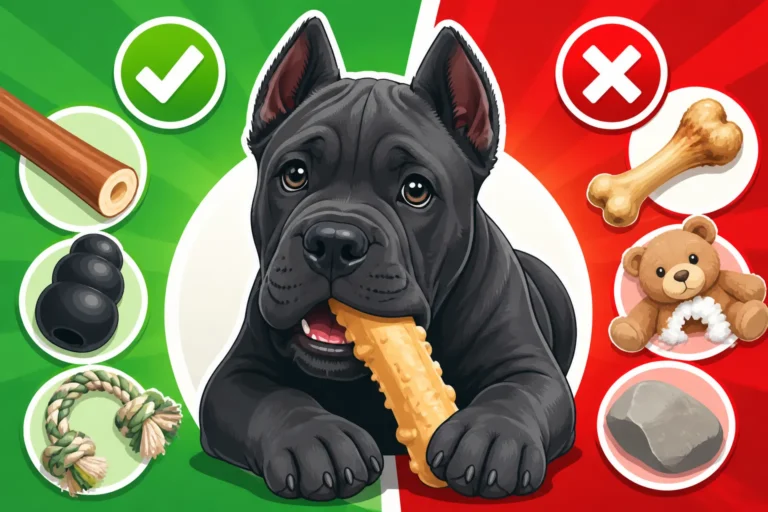
The Calcium Ratio in a Cane Corso Puppy’s Bowl
Bringing home a Cane Corso puppy is an absolute joy, but it also comes with a significant responsibility, especially when it comes to their diet and growth. One of the trickiest parts of feeding these magnificent giants is navigating the crucial balance of calcium and phosphorus. Many new owners worry about giving their rapidly growing pup too much of a good thing, potentially causing more harm than good to their developing bones. This guide is here to walk you through exactly why the calcium ratio in your Cane Corso puppy's bowl is so important and how to ensure you're setting them up for a healthy future.
The Critical Role of Calcium in Puppy Development
Calcium is not just a buzzword; it's a fundamental mineral that plays a staggering number of roles in your Cane Corso puppy's body. From the moment they're born, every cell, every muscle contraction, and every nervous impulse relies on it. For a large and fast-growing breed like the Cane Corso, getting this right is paramount, and getting it wrong can have lifelong consequences.
Building Strong, Healthy Bones
The most obvious role of calcium is in bone formation. During their rapid growth phase, Cane Corso puppies are literally building their skeleton from the ground up, and calcium is the primary building block. Think of it like constructing a skyscraper: you need solid, reliable materials in the right proportions. If there's too little calcium, the bones won't mineralize properly, leading to weak, brittle structures. But, and this is crucial for large breeds, too much calcium can be just as detrimental, if not more so, leading to an overly rapid bone growth that outpaces the development of soft tissues and cartilage, causing structural imbalances. It's a delicate dance where moderation is key.
Imagine a scenario where a well-meaning owner thinks "more is better" for their growing pup, adding calcium supplements to an already balanced large-breed puppy food. This can lead to bones becoming too dense too quickly, which interferes with proper remodeling and can exacerbate or even cause conditions like hip and elbow dysplasia. The goal isn't just big bones, it's healthy bones that develop at the correct rate for the breed's size.
Supporting Nerve and Muscle Function
Beyond bones, calcium is a silent workhorse for countless other bodily functions. It's essential for nerve impulse transmission, allowing your Cane Corso to react to commands, feel sensations, and coordinate its movements. Without adequate calcium, neurological issues can arise, impacting everything from their playful pounces to their protective instincts.
Furthermore, calcium is vital for muscle contraction, including the most important muscle of all: the heart. Proper calcium levels ensure that muscles can contract and relax efficiently, facilitating everything from breathing to running. An imbalance here can lead to muscle weakness, tremors, or even cardiac problems down the line. It's not just about what you see on the outside, like strong limbs; it's about the intricate biochemical processes happening within your growing puppy that keep them healthy and vibrant.
Understanding the Calcium:Phosphorus Ratio
When we talk about calcium, we absolutely cannot ignore phosphorus. These two minerals are partners in crime when it comes to skeletal development, and their balance is far more important than the absolute amount of either one in isolation. Think of them as a perfectly synchronized team; if one player is off, the whole team suffers.
The Ideal Range for Large Breed Puppies
For most adult dogs, a calcium to phosphorus ratio of around 1.2:1 to 1.4:1 is often cited as ideal. However, for large and giant breed puppies like the Cane Corso, this ratio becomes even more critical due to their rapid growth rate. Experts generally recommend a calcium to phosphorus ratio between 1.1:1 and 1.5:1. Some even suggest a tighter range, keeping the calcium below 1.5% on a dry matter basis, with phosphorus at 0.8% to 1.2%.
Why this specificity? Because a Cane Corso puppy grows at an astonishing pace. Their skeletal system is undergoing massive changes in a short period. If the calcium is too high relative to phosphorus, it can disrupt the parathyroid hormone's ability to regulate calcium, leading to calcitonin release. This, in turn, can inhibit bone resorption and remodeling, resulting in abnormal bone development. Conversely, if phosphorus is too high and calcium too low, the body might start drawing calcium from the bones, weakening them. It's a fine line that reputable large breed puppy foods are formulated to hit. The Growth Curve a Cane Corso Follows to Nineteen Months is heavily influenced by this dietary balance.
Why Phosphorus is Key to the Equation
Phosphorus is the second most abundant mineral in a dog's body, and like calcium, it's fundamental for bone and teeth formation. It also plays a significant role in energy metabolism, cell membrane structure, and nerve function. When calcium and phosphorus are consumed, their absorption and utilization are intricately linked.
The kidney's ability to excrete excess phosphorus is less efficient than its ability to excrete excess calcium. This means that if the phosphorus levels are too high, it can force the body to shed more calcium to maintain balance, potentially leading to calcium deficiency even if the dietary calcium intake seems adequate. This is why simply looking at the calcium percentage isn't enough; you must consider it in relation to phosphorus. A balanced ratio ensures that both minerals are absorbed and utilized efficiently, promoting healthy skeletal growth without overstressing the body's regulatory mechanisms.
Deciphering Dog Food Labels for Mineral Content
Navigating dog food labels can feel like trying to solve a complex puzzle, especially when you're focusing on something as specific as mineral ratios. But for your Cane Corso puppy, understanding the "Guaranteed Analysis" section is non-negotiable. This is where the real information lies, helping you make an informed decision for their health.
Understanding Guaranteed Analysis
Every bag of dog food carries a "Guaranteed Analysis," which lists the minimum or maximum percentages of certain nutrients. For calcium and phosphorus, you'll typically see a "Minimum" and "Maximum" percentage. This is the starting point for calculating your ratio. It's important to remember these are percentages as fed, meaning they include the moisture content of the food. To get an accurate comparison across different foods, or to ensure you're meeting dry matter recommendations, you'll need to convert these to a "dry matter basis."
Here's a quick way to do that:
- Find the moisture content (usually listed as "max moisture").
- Subtract the moisture percentage from 100% to get the dry matter percentage. (e.g., if moisture is 10%, dry matter is 90%).
- Divide the nutrient percentage by the dry matter percentage, then multiply by 100.
- Example: Calcium is 1.2% (as fed), Moisture is 10%.
- Dry matter = 90% (0.90)
- Calcium (dry matter basis) = (1.2 / 0.90) * 100 = 1.33%
This conversion is vital because a wet food will have much lower "as fed" percentages than a dry kibble, even if their dry matter nutrient content is the same. Many reputable brands will provide these figures on their websites, making it easier for concerned owners. If you're comparing a few brands from a retailer like Chewy or Amazon, checking their product pages often yields this detailed nutritional information.
What to Look For in Large Breed Puppy Formulas
When you're selecting a food for your Cane Corso puppy, aim for a diet specifically labeled as a "large breed puppy formula." These foods are intentionally designed with controlled calcium and phosphorus levels, along with appropriate protein and fat, to support slow and steady growth. Avoid "all life stages" foods, as these often have higher nutrient densities suitable for adult dogs but can be problematic for a rapidly growing giant breed.
Look for a calcium percentage on a dry matter basis that falls between 1.1% and 1.5%, and a phosphorus percentage between 0.8% and 1.2%. The ratio should be within the 1.1:1 to 1.5:1 range. Pay attention to the listed ingredients – a high-quality food will have animal protein as the first few ingredients and avoid excessive fillers.
Some premium brands are very transparent about their nutrient profiles, even going so far as to publish their "as fed" and "dry matter" analyses on their websites. If you're considering a fresh food option like Ollie, you'll want to ensure their custom formulations also adhere to these strict large breed puppy guidelines. Don't hesitate to contact the manufacturer directly if the information isn't readily available. Choosing the right diet during this critical period can literally shape your Cane Corso's skeletal health for life, impacting everything from its mobility to conditions like Hip Dysplasia in a Fast Growing Cane Corso.
Risks of Imbalanced Calcium for Cane Corso Puppies
The rapid growth of a Cane Corso puppy makes them particularly vulnerable to the effects of calcium imbalances. It's not just about uncomfortable joint issues; these imbalances can lead to irreversible damage that impacts their quality of life for years to come. Understanding these risks can underscore just how vital it is to get their diet right from the start.
Orthopedic Problems and Skeletal Disease
One of the most concerning outcomes of an improper calcium:phosphorus ratio, particularly too much calcium, is the development or exacerbation of orthopedic problems. Conditions like hip and elbow dysplasia, osteochondrosis (OCD), and panosteitis are common concerns in large breeds. While genetics play a significant role, diet acts as a powerful modifier. Excess calcium can lead to growth plates closing prematurely or developing abnormally, causing irregularities in joint surfaces.
For instance, a puppy fed a diet with too high a calcium level might experience accelerated bone growth that outpaces the development of cartilage. This can result in fragile cartilage that is easily damaged, leading to conditions like OCD where cartilage flaps detach within the joint. Such conditions are painful, require expensive surgeries, and can lead to lifelong arthritis. It's a heartbreaking scenario to witness in a young, otherwise healthy pup. Elbow Dysplasia and a Cane Corso's Front End is a perfect example of a condition worsened by rapid, unbalanced growth.
Growth Plate Issues and Bone Deformities
The growth plates, or physes, are areas of cartilage located near the ends of long bones in growing puppies. These plates are responsible for the lengthening of bones. They are incredibly delicate and vulnerable until they close, typically around 12-18 months of age in large breeds. An improper calcium balance can directly impact the health and proper closure of these plates.
Too much calcium can cause the growth plates to close too quickly or develop abnormally, leading to angular limb deformities or uneven limb lengths. This isn't just a cosmetic issue; it throws the entire skeletal structure out of alignment, putting undue stress on joints and increasing the risk of injury and arthritis. Imagine a powerful Cane Corso trying to navigate life with bowed legs or misaligned joints – it's a recipe for chronic pain and reduced mobility. On the flip side, chronic calcium deficiency, though less common with commercial large breed puppy foods, can lead to rickets, where bones fail to mineralize properly, becoming soft and weak. Both extremes highlight the absolute necessity of precise nutritional management for these magnificent dogs. Panosteitis and the Shifting Limp in a Cane Corso Puppy also speaks to the fragility of a growing Cane Corso's bones.
Choosing the Right Food for Your Cane Corso Puppy
With so many dog food brands on the market, selecting the perfect diet for your Cane Corso puppy can feel overwhelming. However, by prioritizing quality, understanding large breed specific needs, and knowing when to seek professional advice, you can ensure your pup gets the best start possible.
Reputable Brands and Formulations
The cornerstone of a healthy diet for your Cane Corso puppy is a high-quality, large breed-specific puppy food from a reputable manufacturer. These brands invest heavily in research and development to formulate diets that meet the unique needs of rapidly growing giant breeds, specifically controlling calcium and phosphorus levels, as well as protein and fat. Look for brands that conduct feeding trials, not just formulate to AAFCO nutrient profiles.
Consider brands that are widely recommended by veterinarians and experienced breeders. You might find excellent options on online retailers like Chewy, which often provide detailed nutritional breakdowns. Some popular choices might include brands that specialize in large breed formulas, ensuring the right balance of nutrients without over-supplementation. Remember, "premium" doesn't always mean the most expensive, but it usually means a company that prioritizes scientific formulation over trendy ingredients. Don't be swayed by marketing jargon; dig into the guaranteed analysis and the company's commitment to large breed health. The Protein a Growing Cane Corso Should Not Exceed is another crucial factor that reputable brands consider.
Avoiding Supplements Unless Vet-Advised
This is perhaps one of the most important pieces of advice for Cane Corso puppy owners: do not supplement your puppy's diet with extra calcium unless specifically instructed and carefully monitored by your veterinarian. Many well-meaning owners believe they are helping by adding calcium, especially if they are feeding a raw or home-cooked diet. However, as discussed, even a slight excess can be detrimental, leading to orthopedic issues. Commercial large breed puppy foods are already carefully balanced to provide all the necessary nutrients, including calcium, in the correct proportions. Adding more disrupts this delicate balance.
If you are feeding a home-prepared diet, whether raw or cooked, it is absolutely essential to work with a board-certified veterinary nutritionist. They can formulate a recipe that is precisely balanced for your Cane Corso puppy's age, weight, and growth rate, including the correct calcium:phosphorus ratio. Relying on anecdotal advice or general online recipes for home-cooked meals is incredibly risky for a large breed puppy. A simple mistake in a recipe, like adding too many crushed eggshells (a common calcium source), could have severe, irreversible consequences for your pup's skeletal development. Always consult a professional before making any dietary changes or additions to your growing Cane Corso.
Monitoring Your Cane Corso Puppy's Growth and Health
Beyond simply choosing the right food, actively monitoring your Cane Corso puppy's growth and overall health is a continuous process that will help you identify any potential issues early. Your veterinarian is your best partner in this journey, offering objective assessments and guidance.
Regular Veterinary Checks and X-rays
Scheduled veterinary visits are essential for your Cane Corso puppy. Beyond vaccinations and deworming, these visits are opportunities for your vet to assess your puppy's growth rate, body condition score, and overall musculoskeletal development. They'll be able to tell if your pup is growing too fast or too slow, or if there are any signs of lameness or discomfort that could indicate an underlying orthopedic issue.
Sometimes, your vet might recommend X-rays to check the status of your puppy's growth plates and joint development, especially if there's any concern about hip or elbow dysplasia. While hip and elbow evaluations like OFA or PennHIP are usually done later in adolescence, early X-rays can sometimes provide a preliminary look at bone structure. These check-ups are not just about reactive care; they're proactive steps to ensure your Cane Corso is developing correctly. Don't shy away from asking your vet questions about their growth, gait, and any observations you might have. Screening a Cane Corso Puppy's Hips Early can catch potential problems before they become severe.
Visual Assessment and Body Condition Scoring
While your vet provides professional insights, your daily observations are equally important. You are with your Cane Corso puppy every day and will notice subtle changes first. Regularly perform a visual assessment and body condition score check at home. Your Cane Corso puppy should look lean, even a bit lanky, during its growth phases. You should be able to easily feel their ribs without pressing hard, but not see them prominently. There should be a noticeable "tuck-up" at their waist when viewed from the side, and a visible waist when viewed from above.
If your Cane Corso puppy starts looking chunky or "barrel-chested," it's a red flag that they might be growing too quickly or carrying too much weight, both of which put immense stress on developing joints. Conversely, if they appear too thin, it might indicate insufficient nutrition or another health issue. Use your hands to feel their body condition weekly. Make it a routine, perhaps during a grooming session. Compare your observations with resources that provide visual body condition scores for puppies. If you notice any significant changes, or if your pup's gait seems off, or they are reluctant to play, contact your vet. It's much easier to adjust their diet or activity early on than to address a severe orthopedic problem later. Remember, a Why a Lean Cane Corso Keeps Its Hips Longer and has fewer joint issues in adulthood.
| Factor | Ideal Range for Large Breed Puppy | Potential Issue (Too Low) | Potential Issue (Too High) |
|---|---|---|---|
| Calcium (Dry Matter Basis) | 1.1% – 1.5% | Rickets, weak bones, poor muscle function | OCD, hip/elbow dysplasia, bone deformities |
| Phosphorus (Dry Matter Basis) | 0.8% – 1.2% | Weak bones, poor energy metabolism | Disrupts calcium absorption, bone leaching |
| Calcium:Phosphorus Ratio | 1.1:1 – 1.5:1 | Bone resorption, weakened skeletal structure | Abnormal bone growth, joint problems |
| Growth Rate | Slow and steady | Stunted growth | Accelerated growth, joint stress |
| Body Condition Score | Lean, ribs easily felt | Underweight, nutrient deficiency | Overweight, increased joint strain |
Common Misconceptions About Cane Corso Puppy Diets
When it comes to feeding a giant breed puppy, there are a lot of myths and old wives' tales floating around. Unfortunately, some of these can be quite harmful to a Cane Corso, leading owners down paths that jeopardize their pup's health rather than helping it. Let's debunk a few of the most common ones.
"More Protein Means Bigger Muscles"
It's easy to assume that because Cane Corsos are large, muscular dogs, they need extremely high protein diets right from puppyhood to bulk up. This is a common misconception that can actually cause problems. While protein is essential for growth and muscle development, excessive protein in a puppy's diet does not necessarily translate to bigger or stronger muscles. In fact, diets that are too rich in protein can often come with higher fat content, leading to rapid weight gain and an accelerated growth rate.
As we've discussed, rapid growth is a significant risk factor for orthopedic issues in large breeds. The goal for a Cane Corso puppy isn't maximum size in minimum time, but rather a slow, steady, and healthy growth curve. High-quality large breed puppy foods typically have protein levels between 24-28% on a dry matter basis, which is more than sufficient for healthy development. Focusing on an appropriate protein level within a balanced large breed formula is far more beneficial than chasing unnecessarily high protein percentages. Whether a Cane Corso Puppy Can Look Too Thin is often a sign of healthy, lean growth, not a problem.
The Myth of "Bone Meal" for Strong Bones
Another persistent myth is that adding bone meal or other concentrated calcium sources to a puppy's diet will automatically lead to stronger bones. While bone meal is indeed a source of calcium and phosphorus, indiscriminately adding it to a commercial diet is extremely dangerous for a Cane Corso puppy. Commercial large breed puppy foods are already formulated with the precise amount and ratio of calcium and phosphorus needed. Throwing in extra bone meal will almost certainly push the calcium levels too high, disrupting the delicate balance and increasing the risk of developmental orthopedic diseases.
Even with raw or home-cooked diets, where bone is a natural component, precise calculation by a veterinary nutritionist is crucial. You can't just guess at the amount. Relying on approximations or adding supplements without professional guidance is like trying to fine-tune a complex machine with a sledgehammer. The consequences for a Cane Corso's developing skeletal system can be severe and permanent. Always remember, the body's ability to absorb and utilize calcium is not limitless, and excess can be just as problematic as deficiency.
Beyond Diet: Other Factors Influencing Bone Health
While diet, particularly the calcium:phosphorus ratio, is a cornerstone of skeletal health for your Cane Corso puppy, it's not the only piece of the puzzle. Several other factors play a significant role in their overall bone development and can either support or hinder the benefits of a perfectly balanced diet. Ignoring these aspects can undermine even the best nutritional plan.
Controlled Exercise and Activity Levels
It might seem counterintuitive, but for a rapidly growing Cane Corso puppy, less can sometimes be more when it comes to intense physical activity. While regular, moderate exercise is crucial for muscle development, mental stimulation, and overall fitness, over-exercising or engaging in high-impact activities too early can put undue stress on their developing joints and growth plates. Their bones, joints, and ligaments are still soft and vulnerable, not yet ready for the rigors of long runs, aggressive fetching, or leaping off high surfaces.
Think about it: a puppy's growth plates are literally open, cartilaginous areas. Repetitive pounding or twisting motions can damage these plates, leading to painful injuries and potential long-term deformities. Instead, focus on controlled, low-impact exercise like leash walks on soft surfaces, gentle play in the yard, and mental games that tire them out without stressing their bodies. Short, frequent play sessions are better than one long, intense burst. Avoid stairs where possible for very young puppies, and certainly don't let them jump in and out of tall vehicles. Why Stairs Matter for a Cane Corso Puppy's Joints is a topic often overlooked but critically important. Gradually increase activity as they mature and their growth plates close, typically around 18 months of age.
Maintaining a Lean Body Condition
We've touched on this before, but it bears repeating: keeping your Cane Corso puppy lean is one of the most powerful preventative measures you can take for their joint health. Every extra pound your puppy carries puts additional stress on their still-developing bones, joints, and ligaments. This added strain increases the risk and severity of orthopedic conditions like hip and elbow dysplasia, even in genetically predisposed individuals.
It's natural to want a big, robust-looking puppy, but a healthy Cane Corso puppy is actually quite gangly and lean. You should easily be able to feel their ribs, spine, and hip bones without them being visibly prominent. If you're struggling to feel their ribs, or if they have no discernible waist, they are likely overweight. Work with your veterinarian to adjust their food portions, treats, and exercise levels. Remember, What Extra Weight Does to a Cane Corso's Hips can significantly impact their mobility and comfort in adulthood. A lean puppy today is a healthier, more mobile adult Cane Corso tomorrow. It truly makes a world of difference for their long-term well-being.
The Long-Term Impact of Early Nutritional Choices
The decisions you make about your Cane Corso puppy's diet, particularly regarding calcium and phosphorus, resonate far beyond their puppyhood. These early nutritional choices lay the foundation for their entire adult life, impacting their health, mobility, and overall quality of life. It’s an investment that pays dividends for years to come.
Preventing Adult Orthopedic Issues
The orthopedic issues that often plague large and giant breeds in adulthood, such as severe arthritis, debilitating hip and elbow dysplasia, and other joint diseases, frequently have their roots in improper development during puppyhood. While genetics undeniably play a role, optimal nutrition during the critical growth phase can mitigate the expression and severity of these conditions. A Cane Corso puppy that receives a diet with the correct calcium:phosphorus ratio and maintains a lean body condition is less likely to develop or suffer severely from these painful conditions later in life.
Imagine two Cane Corso puppies from the same litter, both with a genetic predisposition for hip dysplasia. One is fed a carefully formulated large breed puppy food, kept lean, and has its exercise controlled. The other is given an "all life stages" food, supplemented with calcium, and allowed to over-exercise. The latter puppy is far more likely to develop severe, crippling dysplasia, requiring extensive veterinary intervention, pain management, and potentially surgery, all while the first might live a comfortable life with minimal issues. The initial investment in the right food and careful management pales in comparison to the emotional and financial costs of treating chronic orthopedic problems.
Ensuring a Full and Active Lifespan
Ultimately, every Cane Corso owner dreams of a long, healthy, and active life for their beloved companion. Proper nutrition, starting with the critical calcium:phosphorus balance in puppyhood, is a fundamental component of achieving that dream. A dog free from the constant pain of severe joint disease is a dog that can enjoy walks, play with its family, and engage in the activities it loves well into its senior years.
Conversely, a Cane Corso burdened by preventable orthopedic issues from poor early nutrition will likely face a significantly reduced quality of life. Their activity will be limited, pain management will become a daily concern, and their lifespan may even be shortened due to chronic illness or the difficult decision of euthanasia. It's a heavy responsibility, but also a tremendous opportunity. By being diligent and making informed choices about your Cane Corso puppy's diet and care, you are actively contributing to a future where they can thrive, run, play, and guard with comfort and vitality for as many years as possible. What Changes in a Cane Corso After Its Eighth Birthday often includes mobility challenges, which can be less severe with a proper foundation.
Disclaimer
This article is for general informational purposes only and does not constitute professional advice. Laws, prices and regulations vary by location and change over time. Consult a qualified professional for guidance on your specific situation.