How Tall a Grown Male Cane Corso Stands
Bringing a Cane Corso into your home is an incredible commitment, and one of the first things many new owners wonder is just how big their furry companion is going to get. It’s not just about bragging rights at the dog park, but genuine concerns about managing a large, powerful animal, finding appropriately sized gear, and ensuring they grow up healthy. This guide will walk you through what to expect regarding the height of a grown male Cane Corso, from the breed standard to practical growth tracking, helping you understand their impressive stature.
Understanding the Cane Corso Breed Standard for Height
When you’re looking at a Cane Corso, especially a male, their sheer presence is often the first thing people notice. These are truly magnificent dogs, built with strength and agility in mind. But there's a specific expectation for their size, defined by the breed standard, which helps maintain the breed's historical function and health.
The Official Stance on Male Cane Corso Height
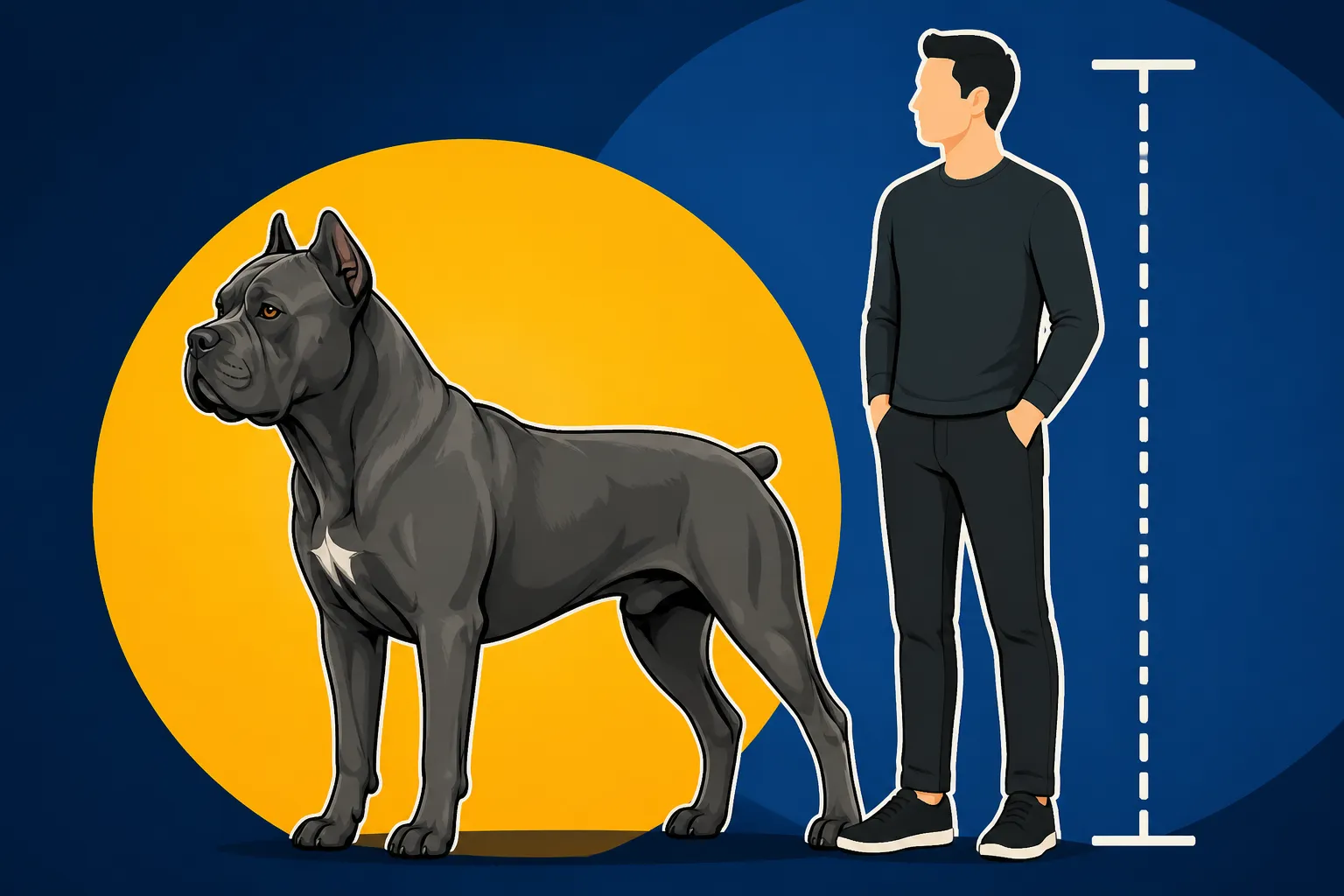
The breed standard, which is essentially the blueprint for what a purebred Cane Corso should look and act like, provides a clear range for height. For a grown male Cane Corso, the standard typically dictates a height measured at the withers (the highest point of the shoulder blades) to be somewhere in the range of about 25 to 27.5 inches. Now, there’s a little wiggle room on either side, often allowing for about a half-inch variance without being considered a fault. This isn't just an arbitrary number; it’s a reflection of the size deemed ideal for the historical working roles of the breed, such as guarding property and livestock or even hunting wild boar. A dog within this range possesses the optimal combination of power, reach, and agility for those tasks. The Height a Cane Corso Should Measure is a topic worth exploring further if you want to dive deeper into the specifics.
It’s crucial to remember that this standard is a guideline for responsible breeding and showing. While your family companion might be a little outside these exact measurements, it’s a good benchmark for understanding the intended physique of the breed. We want our dogs to be robust and formidable, but not so gargantuan that their health is compromised by excessive size.
Why the Standard Matters (and What Happens if They're Too Tall or Short)
You might think, "What's an inch or two either way?" But for a breed like the Cane Corso, adhering to the standard isn't just about winning ribbons in the show ring; it's deeply tied to health and functionality. A male Cane Corso that is significantly taller than the standard might be carrying too much weight for his skeletal structure, leading to increased stress on joints like hips and elbows. This can exacerbate conditions like hip or elbow dysplasia, which are already concerns in large and giant breeds. Rapid growth to achieve excessive height can put undue strain on a puppy's developing bones and cartilage. Whether an Oversized Cane Corso Dies Sooner is a serious consideration for those who prioritize size above all else.
Conversely, a male that is notably shorter than the standard might lack the necessary bone and substance expected of the breed, potentially indicating poor breeding practices or developmental issues. A Cane Corso is meant to be imposing and capable, and falling short of the standard can impact their ability to perform their traditional guarding roles effectively. What the Standard Says a Cane Corso Should Look Like encompasses far more than just height, of course, including details on head shape, body composition, and temperament, all of which contribute to the holistic health and function of the dog. Choosing a breeder who actively strives to meet the standard, not just for height but for overall conformation and health clearances, is a vital step in ensuring a healthy companion.
The Growth Journey: When a Male Cane Corso Reaches Its Full Stature
Watching a Cane Corso puppy grow is truly astonishing. They transform from adorable, clumsy fluff-balls into powerful, majestic adults at an incredible pace. But understanding when they hit their full height and when they finish developing is key to providing appropriate care and nutrition.
The Rapid Puppy Growth Phase
From the moment you bring your Cane Corso puppy home, often around 8-12 weeks, prepare for a growth spurt that will make your head spin. In these early months, they are growing at an incredible rate, gaining several pounds and inches weekly. This is the period where the foundation for their adult size is being laid. Their bones are lengthening, muscles are developing, and they are consuming a significant amount of food to fuel this rapid expansion. It’s absolutely critical during this phase to feed a high-quality, large-breed puppy food that is formulated to support controlled growth. Avoid foods with excessive protein or calcium, as these can actually lead to problems, rather than benefits, in giant breed puppies. The Protein a Growing Cane Corso Should Not Exceed and Why Extra Calcium Damages a Cane Corso Puppy are vital reads for understanding the nuances of puppy nutrition.
During this time, while they seem to be shooting up like weeds, their growth plates are still open and vulnerable. This means limiting high-impact activities, excessive jumping, or long runs on hard surfaces. The focus should be on gentle, controlled exercise to allow their skeletal system to develop properly.
Slowing Down and Filling Out
While your male Cane Corso will typically reach the majority of his adult height between 12 to 18 months, don't be surprised if he continues to "fill out" for several more months. The growth plates in their long bones generally close around 14 to 18 months, which means their vertical growth, or height, largely ceases then. The Month a Cane Corso Stops Growing Taller is often around 18 months, though individual dogs can vary slightly.
However, "filling out" is a separate process. After they hit their full height, they spend the next several months, sometimes until they are two to three years old, adding muscle mass and depth to their chest and frame. This is when they truly develop that powerful, imposing presence that defines the breed. So, while the measuring tape might not show much change at the withers after 1.5 years, you'll certainly notice them gaining substance and maturing into their adult physique. Why a Cane Corso Keeps Filling Out Until Two delves into this secondary development phase in more detail. It’s like a human teenager: they might reach their adult height by 16, but they continue to broaden and strengthen well into their early twenties.
Factors Influencing a Cane Corso's Final Height
Several elements play a role in determining how tall your male Cane Corso will ultimately stand. Genetics, naturally, is a huge factor. A puppy from parents who are both on the larger side of the standard will likely also be a larger adult, assuming good health and nutrition. Conversely, a pup from smaller parents will likely mature to a more moderate size. Always look at the parents of a puppy you are considering, and ask about their heights and weights.
Beyond genetics, nutrition is paramount. As mentioned, feeding an appropriate large-breed diet designed for slow, steady growth is crucial. Overfeeding or providing an unbalanced diet, especially one too high in calcium or calories, can lead to orthopedic problems rather than promoting healthy growth. The Growth Curve a Cane Corso Follows to Nineteen Months highlights the importance of consistent, appropriate feeding during this critical developmental period. Environmental factors, such as the amount and type of exercise a puppy gets, can also indirectly influence bone development and overall health, though they are less likely to drastically alter a dog's genetic height potential.
Measuring Your Cane Corso Accurately
So, you want to know if your Cane Corso is on track or if he's reached his full height. Grabbing a tape measure and getting an accurate reading on a large, often wiggly dog can be a bit of an adventure, but it's definitely doable with the right approach.
The Proper Tools and Techniques
First, you'll need the right tools. A flexible tape measure, like those used for sewing, works well. You could also use a yardstick or a carpenter's measuring tape if you have a helper to ensure it stays straight. For truly accurate measurements, especially for show purposes, a professional dog measuring stick (also known as a wicket or zoometric stick) is ideal. These have a horizontal bar that rests on the dog's withers and a vertical scale. You can often find these types of specialized tools on online retailers like Amazon.
To measure your Cane Corso, have him stand squarely on a flat, level surface. He needs to be standing naturally, not slouched or stretched.
- Locate the Withers: This is the highest point of his shoulder blades, where his neck meets his back. Feel for the bony prominence there.
- Position the Measure: If using a tape measure, hold one end firmly on the ground next to his front paw. Extend the tape straight up, over his shoulder, until it’s level with the top of his withers. Try to keep it as vertical as possible. If using a yardstick or measuring stick, place the base firmly on the ground and bring the horizontal arm down gently onto his withers.
- Read the Measurement: Take your reading. It can be helpful to have a second person to help steady the dog and ensure he stays square while you measure. Repeat the measurement a few times to ensure consistency.
Tips for a Squirmy Subject
Let's be real: getting a Cane Corso, especially a young, energetic one, to stand perfectly still for a measurement is often easier said than done. Here are a few tricks to make it a smoother process:
- Treats, Treats, Treats! High-value treats are your best friend. Have a handful ready to reward stillness.
- Practice "Stand": Work on a "stand" command as part of his regular training. Teach him to stand square and hold that position.
- Distraction: Sometimes, a favorite squeaky toy or a quick game of "find it" before the measurement can help burn off some energy and get them focused.
- Leash Up: For safety and control, it's a good idea to have your Cane Corso on a leash, even if you’re just in the living room.
- Choose the Right Time: Don't try to measure when your dog is over-excited or right after a big meal. A calm moment, perhaps after a walk or a nap, is usually best.
- Make it Positive: Keep the experience light and positive. You want your dog to associate being measured with good things, not a stressful ordeal.
Tracking Growth Over Time
Keeping a growth chart is a fascinating way to monitor your Cane Corso's development. You can simply mark his height on a wall, just like parents do for children, or use a notebook to record weekly or monthly measurements. Alongside height, you might also want to track his weight. This combined data can give you a clearer picture of his growth trajectory and help you identify any sudden spikes or plateaus that might warrant a chat with your vet.
Many owners find tracking valuable, especially during those rapid puppy growth phases. It can give you peace of mind that your pup is progressing as expected for a giant breed. You could even use an app or a simple spreadsheet to log the data. If you’re ever worried about his growth, or if he seems too big or too small for his age, don’t hesitate to consult your veterinarian. They can assess his overall condition and confirm if he's developing healthily. Remember, growth is a marathon, not a sprint, and healthy, steady development is always the goal.
Beyond the Tape Measure: Health and Function Over Pure Height
While understanding a Cane Corso's height is important, it's crucial to remember that a healthy, well-structured dog is always preferable to one that simply meets or exceeds a size expectation. Functionality and robust health are paramount for a breed designed for protection and work.
The Dangers of Oversized or Undersized Dogs
Pushing for excessive size in a Cane Corso male can lead to a cascade of health issues. Think about it: an animal growing quickly to a massive size places immense strain on developing joints, increasing the risk of orthopedic problems like hip and elbow dysplasia. These conditions can result in chronic pain, expensive surgeries, and a reduced quality of life. Furthermore, oversized dogs may have a shorter lifespan compared to those within the healthy breed standard. Their cardiovascular systems and other organs also have to work harder to support a larger frame. Whether an Oversized Cane Corso Dies Sooner emphasizes these health concerns.
On the flip side, an undersized Cane Corso might indicate genetic deficiencies or poor nutrition during critical growth periods. While less common to see health problems purely from being slightly smaller, a truly diminutive specimen may lack the bone density, muscle mass, and robust temperament expected of the breed, signaling that they might not have received adequate care or come from a strong genetic line. For optimal health and longevity, aiming for a male Cane Corso within the established height and weight range is always the safest bet.
Prioritizing Bone and Joint Health
Because Cane Corsos are prone to joint issues, especially during their intense growth phase and as they age, prioritizing bone and joint health from day one is non-negotiable. This isn't just about their adult height, but about their overall comfort and mobility throughout their lives. Beyond appropriate nutrition (as discussed earlier), controlled exercise is vital for puppies. Too much strenuous activity, like long runs on hard pavement or excessive jumping, can damage developing growth plates. Conversely, too little exercise can lead to weak muscles that don't adequately support their joints.
As they mature, maintaining a lean body condition is one of the single most impactful things you can do for their joints. Extra weight puts significant stress on hips, elbows, and knees, accelerating wear and tear. You should be able to easily feel your Cane Corso's ribs without seeing them, and he should have a noticeable waist when viewed from above. Why a Lean Cane Corso Keeps Its Hips Longer illustrates this point perfectly. Consider adding joint supplements, like those containing glucosamine and chondroitin, to their diet, especially as they get older or if they have a family history of joint problems. You can find many reputable options at pet supply stores like Chewy.
The Role of Nutrition in Healthy Growth
We've touched on nutrition, but it bears repeating: it is the cornerstone of healthy growth and development for a male Cane Corso. The right food supports not just height, but bone density, muscle development, and overall organ function. For puppies, a high-quality large breed puppy formula is essential. These foods are typically designed with a carefully balanced calcium-to-phosphorus ratio and moderate protein levels to promote slower, more consistent growth, which is critical for giant breeds. Avoid "all life stages" foods for growing puppies unless specifically recommended by your vet, as they often have higher caloric and nutrient densities unsuitable for a Cane Corso's delicate growth.
As your Cane Corso matures into adulthood, transitioning to a high-quality large breed adult formula is important. Whether you opt for kibble, raw, or fresh food diets (like those offered by Ollie), ensure it provides a complete and balanced nutritional profile. Always monitor their weight and adjust their food intake accordingly. A veterinarian can help you determine the ideal body condition score for your individual dog and guide you on appropriate feeding amounts. Remember, what goes into their bowl directly impacts how robustly and healthily they grow to their impressive full height.
Disclaimer
This article is for general informational purposes only and does not constitute professional advice. Laws, prices and regulations vary by location and change over time. Consult a qualified professional for guidance on your specific situation.