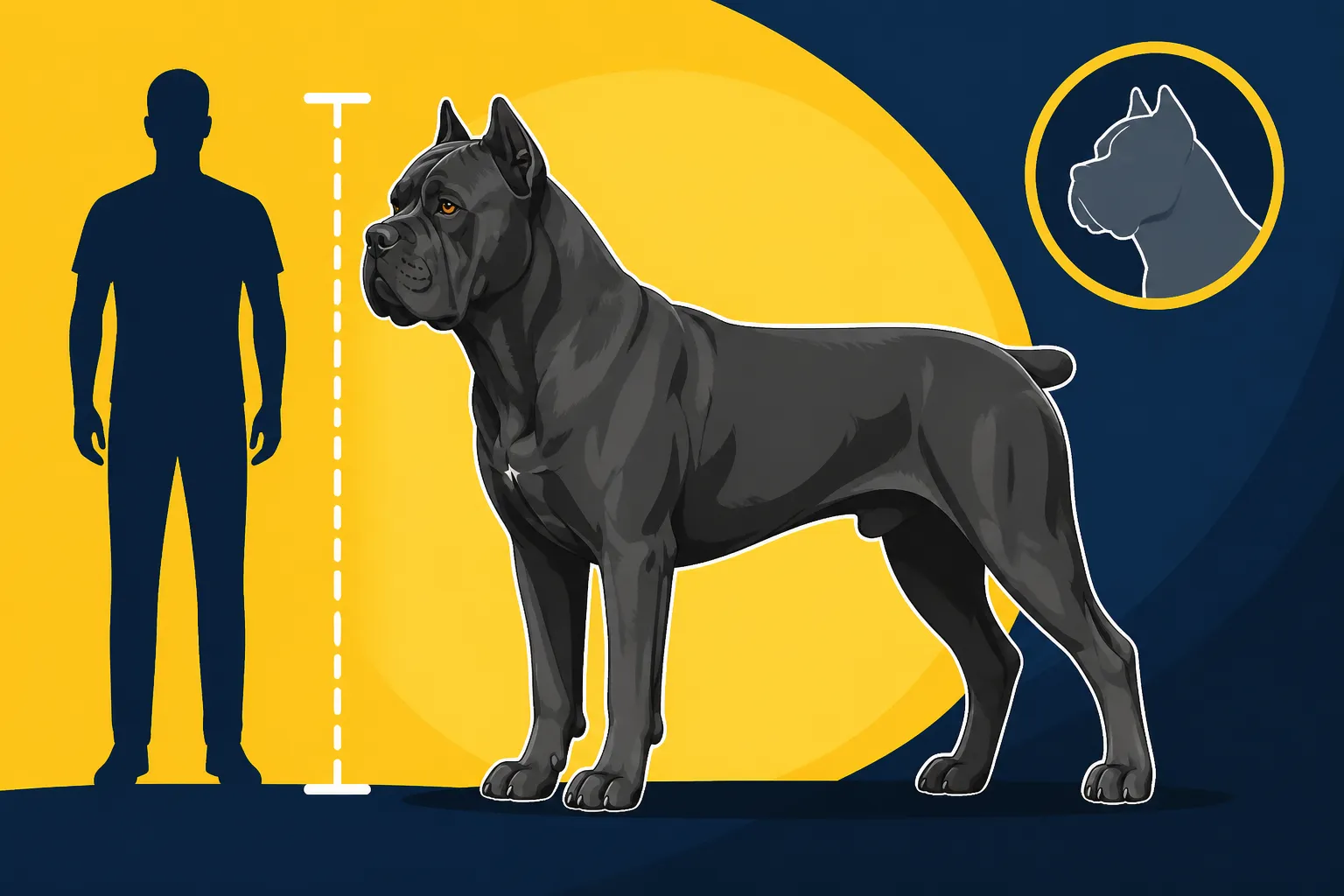
The Height a Cane Corso Should Measure
One of the most common questions I hear from new Cane Corso owners, or those just considering bringing one of these magnificent dogs into their lives, often revolves around their sheer size. People see pictures and videos, but it's another thing entirely to stand next to a fully grown Cane Corso and truly appreciate their commanding presence. The thing is, there's a specific ideal for how tall these dogs should be, and while a little variation is normal, knowing what the breed standard states can help you understand your own dog better and even help identify potential health considerations. This comprehensive guide will walk you through everything you need to know about the official height measurements for Cane Corsos, why these numbers are important, and what factors might influence your dog's final stature.
The Official Breed Standard for Cane Corso Height
When we talk about the "standard," we're referring to the blueprint that breed clubs, like the American Kennel Club (AKC) or the Fédération Cynologique Internationale (FCI), establish to describe the ideal characteristics of a purebred dog. This standard covers everything from temperament and coat color to, yes, precise measurements like height. For the Cane Corso, these height standards are not just arbitrary numbers; they reflect the dog's historical function and ensure the breed maintains its athletic, powerful build without becoming overly cumbersome or fragile.
Male Versus Female Height Standards
It’s pretty typical across most dog breeds for males to be larger and heavier than females, and the Cane Corso is no exception. The standard sets distinct height ranges for each sex, acknowledging these natural differences while still aiming for a consistent breed type.
For male Cane Corsos, the acceptable height range, measured at the withers (the highest point of the shoulder blades), is generally specified as being between 25 to 27.5 inches (64-70 cm). This gives you a good idea of the impressive stature these boys typically possess. On the other hand, female Cane Corsos are expected to be a bit shorter, usually falling within a range of 23.5 to 26 inches (60-66 cm) at the withers. These are the numbers that breeders strive for, and judges look for in the show ring. It's not about being the biggest, but about fitting within this functional and aesthetically pleasing range. If you're wondering how your girl compares, check out The Height Range a Female Cane Corso Falls In. These guidelines ensure that the breed maintains its powerful, yet agile, working dog physique.
Understanding the Importance of the Measurement Range
You might be thinking, "What's half an inch here or there?" But in the world of breed standards, those measurements are quite specific. The reason for these precise ranges goes beyond mere aesthetics. A dog that is too tall or too short for its general build can sometimes experience structural issues or find it harder to perform the tasks it was historically bred for. For the Cane Corso, an ideal height correlates with their powerful, balanced gait and their ability to move with both strength and agility, whether they were driving cattle or guarding property. It's about proportion, muscle, and bone structure all working together harmoniously. Being too tall might make a dog gangly and less powerful in its movements, while being too short might compromise its reach and efficiency. The range provides a little flexibility but keeps the breed true to its intended form.
The Impact of an "Oversize" Cane Corso
While many people might be drawn to the idea of the biggest, most imposing Cane Corso, the truth is that "oversize" can actually be detrimental. A Cane Corso that measures significantly taller than the standard range, say upwards of 28 or 29 inches, is often considered a fault in the show ring. More importantly, it can also come with health risks. Larger size often means more stress on joints and developing bones, potentially increasing the likelihood of conditions like hip and elbow dysplasia. There’s a sweet spot where power and agility meet, and exceeding that can compromise a dog's longevity and quality of life. An oversized dog might also mature slower, putting it at risk during its critical growth phases. For more on this, you might be interested in Whether a Cane Corso Can Be Too Big for the Standard. It's crucial for prospective owners to understand that bigger isn't always better, especially when it comes to the long-term health and well-being of a giant breed.
Why Height Matters Beyond the Show Ring
While breed standards are often discussed in the context of dog shows and breeding programs, the height of your Cane Corso has real-world implications that extend far beyond the judging panel. For everyday owners, understanding these measurements can impact everything from your dog's long-term health to how well they fit into your home and lifestyle.
Health Implications of Extreme Size
As mentioned, an overly large or disproportionately built Cane Corso can face increased health challenges. When a dog is significantly taller or heavier than the breed standard, its skeletal system is subjected to greater strain. This can exacerbate predisposition to orthopedic issues, which are already a concern in large breeds. Conditions like hip and elbow dysplasia, osteochondritis dissecans (OCD), and even certain types of bone cancer can be more prevalent or more severe in dogs that grow too rapidly or achieve extreme size.
Imagine a young Cane Corso puppy growing at an accelerated rate, pushing past the healthy The Growth Curve a Cane Corso Follows to Nineteen Months. While impressive to watch, this rapid growth can lead to imbalances in bone and cartilage development, creating weaknesses that manifest as lameness or arthritis later in life. Furthermore, managing the weight of a giant dog that also struggles with joint pain becomes a monumental task, impacting their ability to exercise, play, and live comfortably. A dog's height is directly related to its overall mass, and excess mass compounds these issues. We always want our dogs to be healthy and comfortable, and staying within the breed's natural parameters helps achieve that.
Practicality in the Home and Public Spaces
Beyond health, a Cane Corso's height (and overall size) significantly impacts daily life. A dog that stands 27 inches at the shoulder can easily reach kitchen counters, doorknobs, and even things on low shelves. This isn't just a nuisance; it can be a safety hazard if they access toxic foods or medications. Think about fitting your Cane Corso comfortably in your car or even navigating a busy sidewalk without them taking up the entire path. A dog that is excessively tall might also struggle with certain dog beds, crates, or even leaning against you without knocking you over.
Even something as simple as vet visits can become more challenging with a dog outside the standard size range. Lifting them onto an examination table or helping them into a large crate for transport requires immense strength, or specialized equipment. Regular tasks like bathing and grooming also become more physically demanding. Imagine trying to give a bath to a 130-pound, 29-inch tall dog in your home shower – it's an Olympic sport! So, while the majestic presence of a large Cane Corso is undeniable, considering the practicalities of living with and caring for such a dog is essential for their well-being and your sanity. You'll find yourself needing stronger leashes and collars, like those you might find on Chewy, designed for powerful, large breeds.
Variations in Cane Corso Height: What's Normal?
It's important to remember that the breed standard provides an ideal range, not an absolute. Just like people, individual dogs can vary slightly in height without necessarily being "wrong" or unhealthy. However, understanding what causes these variations can help you distinguish between a normal individual difference and a potential issue that needs attention.
Genetic Influences on Height
Genetics play the most significant role in determining a Cane Corso's final adult height. A puppy inherits its potential size from both parents. If both parents are on the taller side of the standard, their offspring are more likely to be taller. Conversely, if both parents are a bit smaller, their puppies will likely follow suit. This is why a reputable breeder will be transparent about the size of their breeding stock and the pedigrees, often sharing information on previous litters. They understand that consistency in size, health, and temperament is a hallmark of good breeding.
Sometimes, a pup might have a growth spurt that takes them temporarily above or below the expected curve, but they usually settle into a size consistent with their lineage by the time they reach maturity. It's a complex interplay of many genes, not just one "tall gene." This genetic blueprint also dictates the rate at which growth plates close, a critical factor in how tall a dog ultimately becomes. Factors like Whether an Oversized Cane Corso Dies Sooner often tie back to these genetic predispositions and the stresses they put on the body.
The Role of Nutrition in Growth
While genetics set the potential for height, nutrition acts as a critical modulator. Proper nutrition, especially during the rapid growth phases of puppyhood, is absolutely vital for a Cane Corso to reach its genetically predetermined height in a healthy manner. Feeding a diet that is either too rich in certain nutrients, particularly calcium, or conversely, too deficient in necessary components, can have profound impacts.
For example, overfeeding a high-calorie, high-protein diet to a growing Cane Corso puppy can lead to excessively rapid growth. While it might seem like you're giving them a head start, this can put undue stress on their developing bones and joints, leading to orthopedic problems like hip or elbow dysplasia later on. Their bones grow too quickly for the cartilage and supporting structures to keep up. This is why Why a Cane Corso Puppy Should Not Grow Too Fast is a common concern among responsible owners and breeders. Conversely, underfeeding or providing an unbalanced diet can stunt growth, preventing a dog from reaching its full genetic potential, and leading to other health issues. A giant breed puppy formula is specifically designed to support slow, steady growth, rather than rapid expansion, to protect those crucial developing joints. You’ll find many excellent giant breed puppy foods available on platforms like Chewy, formulated precisely for these needs.
Common Misconceptions About Height
There are several persistent myths about Cane Corso height that can lead to misunderstandings. One common misconception is that a bigger dog automatically means a better guardian. While an imposing presence is certainly a deterrent, an oversized dog can be less agile and potentially less healthy, making it less effective in its working role. Effective guardianship comes from temperament, training, and confidence, not just brute size.
Another myth is that male dogs must be at the very top of the standard range to be considered "good specimens." While some owners might prefer a taller dog, a male that measures 25 inches at the withers and is perfectly proportioned, healthy, and sound is just as much a Cane Corso as one that is 27.5 inches. The focus should always be on overall balance, health, and correct temperament, rather than just chasing the largest number on the measuring stick. The standard exists as a guide for balanced structure, not an imperative for maximum height.
Factors Influencing a Cane Corso's Final Height
A Cane Corso's final height isn't solely determined at birth; it's a journey influenced by several key factors throughout its development. Understanding these can help you better manage your dog's growth and anticipate their adult size.
Genetics and Pedigree
I've already touched on this, but it's worth reiterating: the genetic blueprint passed down from your Cane Corso's parents is the primary determinant of their adult height. If you want a good estimate of how tall your puppy will be, look at its parents and their lineage. Are they consistently within the breed standard? Are there any unusually large or small dogs in their immediate ancestry? Reputable breeders keep careful records and can provide insight into the typical size of their lines. They understand that a stable genetic background contributes to predictable size and temperament.
Beyond just height, genetics influence overall bone structure, muscle development, and the timing of growth plate closure. A well-bred Cane Corso will have parents who have undergone health clearances, ensuring they're not passing on predispositions to conditions that can impact skeletal development. When reviewing a puppy's pedigree, it's not just about titles; it's about a history of healthy, correctly sized dogs. If you're picking a puppy, asking to see the parents and inquire about their height and weight is always a good idea. Sometimes, looking at Reading a Cane Corso's DNA Results Before You Buy can even give insights into overall genetic health, which indirectly supports proper growth.
Nutrition and Growth Rates
We cannot overstate the importance of proper nutrition during a Cane Corso's puppyhood. These dogs grow incredibly fast, but it's a delicate balance. As I mentioned before, rushing growth can lead to serious orthopedic problems. A diet specifically formulated for large or giant breed puppies is crucial. These foods are designed with carefully controlled calcium and phosphorus levels and appropriate calorie content to support slow, steady bone development.
Feeding an adult dog food or a regular puppy food that's too high in calories and certain minerals can accelerate growth past a healthy rate, stressing developing joints. Imagine a growing child being forced to wear shoes that are too small and then asked to run a marathon – that's essentially what happens to a puppy's joints with uncontrolled growth. Regular monitoring of your puppy's weight and body condition is essential. You should be able to feel their ribs easily without seeing them sharply. If your puppy seems to be gaining weight too rapidly or looking "chunky," consult your vet about adjusting their diet. For a deeper dive, consider Feeding a Cane Corso Puppy Through Its Growth Spurt. Products like large breed puppy food from Chewy can be a great resource to ensure your pup gets the right balance of nutrients.
Spay/Neuter and Growth Plate Closure
The timing of spaying or neutering can also play a role in a Cane Corso's final height. Studies have shown that hormones produced by the ovaries and testes contribute to the closure of growth plates in long bones. When a dog is spayed or neutered before these growth plates have fully closed, it can delay their closure, leading to dogs growing slightly taller than they otherwise would have. This is sometimes referred to as "leggy" growth.
For a giant breed like the Cane Corso, delaying spay/neuter until after they've reached skeletal maturity (often around 18-24 months) is increasingly recommended by many veterinarians and breeders. This allows the growth plates to close naturally, reducing the risk of disproportionate growth and potentially contributing to better long-term joint health. While the difference might only be an inch or two, for a breed already prone to orthopedic issues, every bit of proper development counts. The discussion around Whether Neutering Changes a Cane Corso's Lifespan often includes these considerations about growth plate closure and overall skeletal health. It's a topic worth discussing thoroughly with your veterinarian to make the best decision for your individual dog.
Measuring Your Cane Corso Accurately
Knowing the breed standard is one thing, but how do you actually measure your large, often wiggly, Cane Corso accurately? It can feel like quite a task, especially when you're dealing with a curious, energetic dog. But with the right technique and a bit of patience, you can get a good estimate of their height.
Tools and Technique for Measuring
To measure your Cane Corso's height, you'll need a couple of simple tools. The most accurate way is to use a dog measuring stick, often called a "wither stick." These are specifically designed for dogs and have a level crossbar that rests on the dog's withers, with a vertical scale to read the measurement. If you don't have a specialized wither stick, a carpenter's level or even a stiff yardstick combined with a sturdy wall can work in a pinch.
Here's the technique:
- Find a flat, level surface: This is critical. Your dog needs to stand squarely on all four feet, not leaning or slouching.
- Get your dog to stand square: This might require a helper, some treats, or a familiar command like "stand" or "stack." Their front legs should be straight, and their head should be held in a natural, upright position, not tucked down or stretched up.
- Locate the withers: These are the highest point of your dog's shoulder blades, usually where the neck meets the back. You can feel for them.
- Place the measuring tool: If using a wither stick, extend the crossbar over the withers until it rests gently. Read the measurement. If using a level and a wall, have your dog stand with their side against the wall. Place the level horizontally across their withers, ensuring it's truly level. Mark the wall at the bottom of the level, then use a measuring tape to measure from the floor to your mark.
- Repeat: Take the measurement a few times to ensure consistency. A little variation is normal, but it helps confirm accuracy.
Remember to keep the experience positive for your dog with praise and treats. You want them to tolerate being measured, especially if you plan on doing it periodically during their growth.
When to Measure for Final Height
While you might be curious about your Cane Corso puppy's height as they grow, their final adult height isn't typically reached until they've completed their skeletal development. For giant breeds like the Cane Corso, this usually happens later than in smaller dogs. Most Cane Corsos will reach their full height somewhere between 18 to 24 months of age, though some might continue to fill out in terms of muscle and chest depth for another year or so.
Measuring a puppy repeatedly can give you an idea of their growth trajectory, but don't obsess over precise numbers until they're closer to maturity. You can track their progress using a table like this:
| Age (Months) | Average Male Height Range (Inches) | Average Female Height Range (Inches) |
|---|---|---|
| 4 | 19-22 | 18-21 |
| 6 | 22-25 | 21-24 |
| 9 | 24-26 | 23-25 |
| 12 | 25-27 | 24-26 |
| 18 | 25-27.5 | 23.5-26 |
| 24+ | 25-27.5 | 23.5-26 |
Note: These are approximations, and individual dogs will vary.
You might want to periodically measure your puppy, perhaps once a month, to ensure they're growing at a healthy, steady pace. Remember, What a Cane Corso Should Weigh at Six Months and their height at that age are good indicators of healthy development, but the final numbers won't be set until much later.
Interpreting Your Dog's Measurement
Once you have your measurements, compare them to the breed standard. If your male Cane Corso is consistently measuring around 26 inches, or your female is around 24.5 inches, they are well within the ideal range. Don't worry if they're a little bit above or below the exact middle; the range exists for a reason.
If your dog is significantly outside the standard range, particularly on the taller side, it's worth a conversation with your veterinarian. As discussed, extreme height can sometimes be associated with rapid growth or other developmental factors that might impact long-term health. Your vet can assess their overall health, joint integrity, and discuss any concerns. Ultimately, while height is an important characteristic of the Cane Corso, it's just one piece of the puzzle. A healthy, well-socialized, and structurally sound dog is always the goal, regardless of whether they hit the exact middle of the tape measure.
Disclaimer
This article is for general informational purposes only and does not constitute professional advice. Laws, prices and regulations vary by location and change over time. Consult a qualified professional for guidance on your specific situation.