Whether an Oversized Cane Corso Dies Sooner
It's heartbreaking to think about our beloved Cane Corsos having a shorter time with us, especially when we hear whispers that bigger might not always mean better for their longevity. Many owners wonder if their magnificent, large Cane Corso, perhaps tipping the scales a bit more than the breed standard suggests, is inadvertently facing a shorter lifespan. This comprehensive guide will dive into the nuances of size, growth, and overall health in Cane Corsos, addressing the valid concerns about whether an oversized dog is truly at a higher risk and what you can do about it.
Defining "Oversized" in a Cane Corso
When we talk about an "oversized" Cane Corso, it's not just about a dog being a few pounds over the typical weight. It usually refers to a dog that significantly exceeds the breed standard for height and/or weight, often due to genetics, overfeeding during growth, or a combination of both. Understanding what the breed standard truly dictates for these majestic dogs is the first step in recognizing if your Corso falls into this category.
The Official Breed Standard for Size
The Cane Corso, a noble and powerfully built dog, has a specific standard set by organizations like the American Kennel Club (AKC) that outlines ideal height and weight ranges. For males, the standard typically calls for a height of 25 to 27.5 inches at the Withers, with females usually ranging from 23.5 to 26 inches. Weight is proportionate to height, generally falling between 90-120 pounds for males and 80-100 pounds for females, though some healthy individuals may be slightly outside this range. These standards are not arbitrary; they reflect the functional build that historically allowed the Cane Corso to perform its demanding tasks as a guardian and working dog without undue strain on its body. A Cane Corso significantly larger than these parameters – perhaps a male pushing 140-150 pounds or taller than 28 inches without being exceptionally lean and muscular – might be considered oversized.
Genetic Predisposition vs. Environmental Factors
The size of a Cane Corso is, of course, heavily influenced by genetics. Some lines naturally produce larger dogs, even when fed appropriately. Breeders sometimes aim for a larger size, believing it makes the dog more impressive or intimidating, but this can inadvertently lead to health compromises if not carefully managed. However, environmental factors play a massive role, especially during their crucial growth phases. Overfeeding a puppy, particularly with foods not formulated for giant breeds, can lead to excessively rapid growth. This accelerated growth forces bones, joints, and organs to develop too quickly, putting immense stress on a still-forming skeletal system. Imagine a building being constructed too fast without proper scaffolding; it's structurally unsound. A responsible breeder will guide you on appropriate feeding and exercise to manage growth, understanding that a slower, steady growth curve is always healthier for these big dogs. You'll often hear experienced owners and breeders stress that a leaner puppy is a healthier puppy, reducing the risk of conditions like Hip Dysplasia in a Fast Growing Cane Corso.
Health Implications of Excessive Size and Rapid Growth
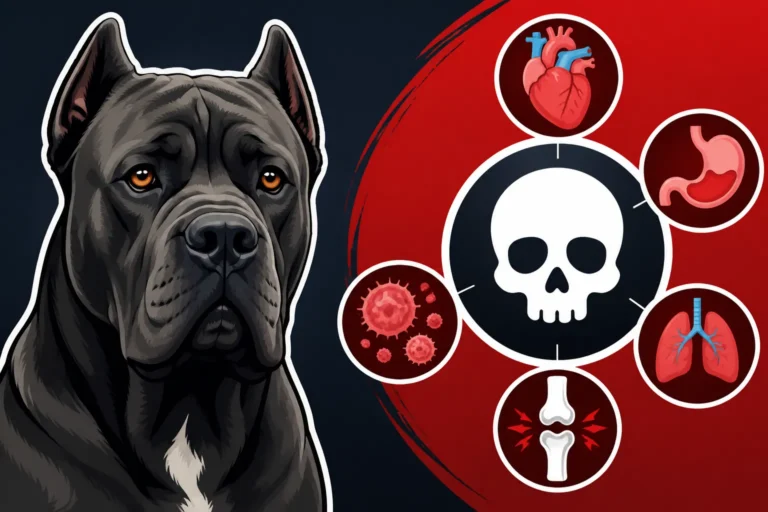
The concern about an oversized Cane Corso dying sooner isn't an old wives' tale; it's rooted in established veterinary science regarding large and giant breeds. The sheer mass and accelerated development associated with being oversized can exacerbate several common health issues, potentially leading to a shorter, less comfortable life.
Increased Strain on Joints and Skeletal System
One of the most immediate and impactful consequences of excessive size, especially when coupled with rapid growth, is the immense strain placed on a Cane Corso's developing and mature joints. The skeletal system of a large breed needs time to properly ossify and strengthen. When a puppy grows too quickly, or an adult carries too much weight, the cartilage, ligaments, and bones are subjected to forces they aren't designed to handle. This significantly increases the risk and severity of conditions like hip and elbow dysplasia, osteochondritis dissecans (OCD), and other orthopedic problems. Dogs with these conditions often suffer from chronic pain, reduced mobility, and require extensive veterinary care, including potential surgeries. For a deep dive into prevention, understanding Why a Lean Cane Corso Keeps Its Hips Longer is crucial. The constant inflammation and discomfort can lead to a lower quality of life and, in severe cases, may necessitate euthanasia earlier than otherwise healthy dogs.
Higher Risk of Bloat (Gastric Dilatation-Volvulus)
Cane Corsos, like many deep-chested breeds, are already at a heightened risk for Gastric Dilatation-Volvulus (GDV), commonly known as bloat. This life-threatening condition occurs when the stomach fills with gas and twists, cutting off blood supply and trapping air. While the exact causes are complex, factors like genetics, eating habits, and anxiety play a role. However, there's some evidence that larger dogs, particularly those with very deep chests, may have a statistically higher incidence. An oversized Cane Corso, especially one carrying excess weight, could potentially compound this risk. The larger the dog, the more prominent its deep chest, and the more potential for the stomach to distend and twist. Recognizing The First Sign a Cane Corso Is Bloating is paramount, as quick action is literally life-saving.
Cardiovascular Stress and Other Organ Issues
The heart and other vital organs in an oversized Cane Corso have to work harder to support a larger body mass. A heart that's constantly under strain to pump blood through more tissue and over a greater distance can be predisposed to developing cardiovascular issues earlier in life. While breed-specific heart conditions exist, general cardiovascular health can be compromised by carrying extra weight or having an unusually large frame. Similarly, organs like the liver and kidneys might experience increased workload or stress. Metabolic demands are higher in larger animals, and if the body systems aren't perfectly tuned to handle that, it can lead to premature wear and tear. This is why regular veterinary check-ups, especially including a The Cardiac Exam Behind a Cane Corso's Clearance if they are breeding animals, are so important for larger breeds, to catch any signs of stress early.
Potential for Certain Cancers
While cancer is a complex disease with many contributing factors, there's a general trend observed in veterinary medicine: larger and giant breeds tend to have a higher incidence of certain types of cancer, particularly bone cancers like osteosarcoma. While an oversized Cane Corso might not directly cause cancer, the underlying genetic predisposition to large size, coupled with the increased cellular turnover that comes with rapid growth and larger body mass, could theoretically play a role. Furthermore, chronic inflammation from joint issues or metabolic stress can create an environment conducive to cancer development. While this link is not as direct as with orthopedic issues, it’s a concern many large breed owners share. Learning about conditions such as Bone Cancer in a Cane Corso's Front Leg can help owners be vigilant for early signs.
Managing Growth and Weight for a Healthier Lifespan
The good news is that much of the "oversized" problem can be mitigated or prevented through diligent care, particularly during the crucial puppy and adolescent phases. Your goal should always be a lean, muscular Cane Corso that fits within or just slightly above the standard, rather than a bulky or overweight one.
Proper Nutrition for Controlled Growth
Feeding a Cane Corso puppy isn't as simple as just filling the bowl. They require a high-quality, large-breed puppy formula that is specifically designed to promote slow and steady growth. Look for formulas with carefully controlled calcium and phosphorus ratios, as an imbalance can lead to skeletal abnormalities. Avoid "all life stages" foods for growing giants unless explicitly recommended by your vet, as they often have too much protein and calories for a Cane Corso puppy's specific needs. The goal is not to maximize their size, but to optimize their development within a healthy growth curve. Overfeeding, even with appropriate food, is detrimental. It's better for your Cane Corso puppy to be on the leaner side; you should be able to easily feel their ribs without them being visible. Many owners struggle with finding the right balance, so a discussion with your vet about What a Cane Corso Should Weigh at Six Months and beyond is invaluable. Adjusting meal portions as they grow, and transitioning them to an adult large-breed formula at the appropriate time (usually around 12-18 months), are critical steps.
Appropriate Exercise and Activity Levels
Exercise is vital for muscle development and maintaining a healthy weight, but it must be appropriate for a growing Cane Corso. High-impact activities like excessive running, jumping, or long periods on hard surfaces are strongly discouraged for puppies under 18-24 months. Their growth plates are still open and easily damaged, which can lead to lifelong joint problems. Instead, focus on controlled, moderate exercise like leash walks, supervised playtime in a soft yard, and mental enrichment activities. As adults, Cane Corsos thrive on regular, vigorous exercise, but it should be tailored to their individual fitness level and health. Avoiding obesity is paramount, as What Extra Weight Does to a Cane Corso's Hips and other joints can significantly impact their comfort and mobility as they age. Think long, steady walks or even controlled jogging once they're fully mature, rather than intense, short bursts that can put sudden strain on their massive bodies.
Regular Veterinary Care and Monitoring
Ongoing veterinary care is your best ally in ensuring a healthy lifespan for your Cane Corso. Regular check-ups allow your vet to monitor their weight, assess their joint health, and catch any subtle signs of developing issues early. Be honest with your vet about your dog's diet, exercise routine, and any changes in behavior or mobility. They can provide tailored advice, recommend specific supplements if needed, and perform necessary screenings. If you notice your Cane Corso gaining too much weight, your vet can help create a safe weight-loss plan. Don't hesitate to invest in quality pet insurance from providers like Healthy Paws, which can help cover the costs of unexpected illnesses or injuries that are more common in large breeds, giving you peace of mind when making important medical decisions. Catching issues early, from joint concerns to potential heart murmurs which may indicate The Heart Muscle Disease Behind a Cane Corso's Cardiac Test, can make a significant difference in outcomes.
The Realities of Lifespan for Large and Giant Breeds
It’s a tough truth that larger dog breeds generally have shorter lifespans than their smaller counterparts. This isn't unique to the Cane Corso; it's a pattern seen across the canine kingdom. Understanding this broader context can help you appreciate the specific challenges and care requirements for your big, beautiful companion.
General Trends in Canine Longevity
On average, smaller dogs tend to live longer than larger dogs. While a Chihuahua might live 15-20 years, a Great Dane typically lives 7-10 years. The Cane Corso falls into this pattern, with The Nine Year Median Behind a Cane Corso's Lifespan being a commonly cited figure. This trend is believed to be linked to several factors: the accelerated growth rate of large breeds, which can lead to faster cellular aging and a higher incidence of age-related diseases; increased stress on major organ systems; and a greater propensity for certain serious health conditions. An "oversized" Cane Corso, therefore, is essentially amplifying factors already present in large breed physiology, potentially nudging them towards the lower end of that already shorter lifespan spectrum.
Common Health Challenges in Giant Breeds
Beyond the conditions already discussed, giant breeds often face other health challenges that can impact their longevity. These include various forms of cancer, which appear at higher rates in larger dogs, and certain neurological conditions. Joint issues, as mentioned, are almost a given without careful management. The sheer logistics of caring for a giant dog, especially one with mobility issues, can also present challenges that influence their quality of life in their later years. As your Cane Corso ages, What Changes in a Cane Corso After Its Eighth Birthday can include a slower metabolism, increased joint stiffness, and potential cognitive decline, all of which require thoughtful care adjustments. Ensuring they have comfortable, supportive beds, like Orthopedic Beds Rated for a Cane Corso's Weight, can significantly improve their daily comfort as they age. Proactive management of these issues, often with the support of a comprehensive pet insurance plan like those offered by Healthy Paws, allows owners to make the most of the years they have with their loyal companions.
Quality of Life vs. Quantity of Years
Ultimately, the goal for any devoted Cane Corso owner isn't just to extend their dog's life at any cost, but to ensure that the years they do have are filled with comfort, joy, and vitality. An oversized Cane Corso, particularly one struggling with severe joint pain, chronic health issues, or difficulty moving, might have a significantly diminished quality of life. By focusing on maintaining a healthy, lean body weight, providing appropriate nutrition and exercise, and seeking consistent veterinary care, you are not only potentially extending their life but, more importantly, enhancing the quality of every single day they spend by your side. These efforts allow your Corso to continue being the strong, engaged companion you know and love for as long as possible. Understanding How Many Years a Cane Corso Owner Usually Gets allows us to cherish every moment and make responsible choices throughout their life.
Conclusion
The question of whether an oversized Cane Corso dies sooner isn't a simple yes or no, but the evidence strongly suggests that maintaining a healthy, lean weight within breed standards, and managing their growth carefully, significantly contributes to their overall health and longevity. While genetics play a role in their ultimate size, responsible feeding and exercise are within your control. An oversized Cane Corso, particularly one that is overweight, places undue strain on their joints, heart, and increases their risk for serious conditions like bloat. By prioritizing controlled growth, appropriate nutrition, regular veterinary care, and considering robust pet insurance from providers like Healthy Paws, you're giving your magnificent companion the best chance at a long, healthy, and happy life.
Disclaimer
This article is for informational purposes only and is not a substitute for professional veterinary advice. Always consult with a qualified veterinarian regarding any health concerns or before making any decisions about your Cane Corso's care, diet, or treatment.