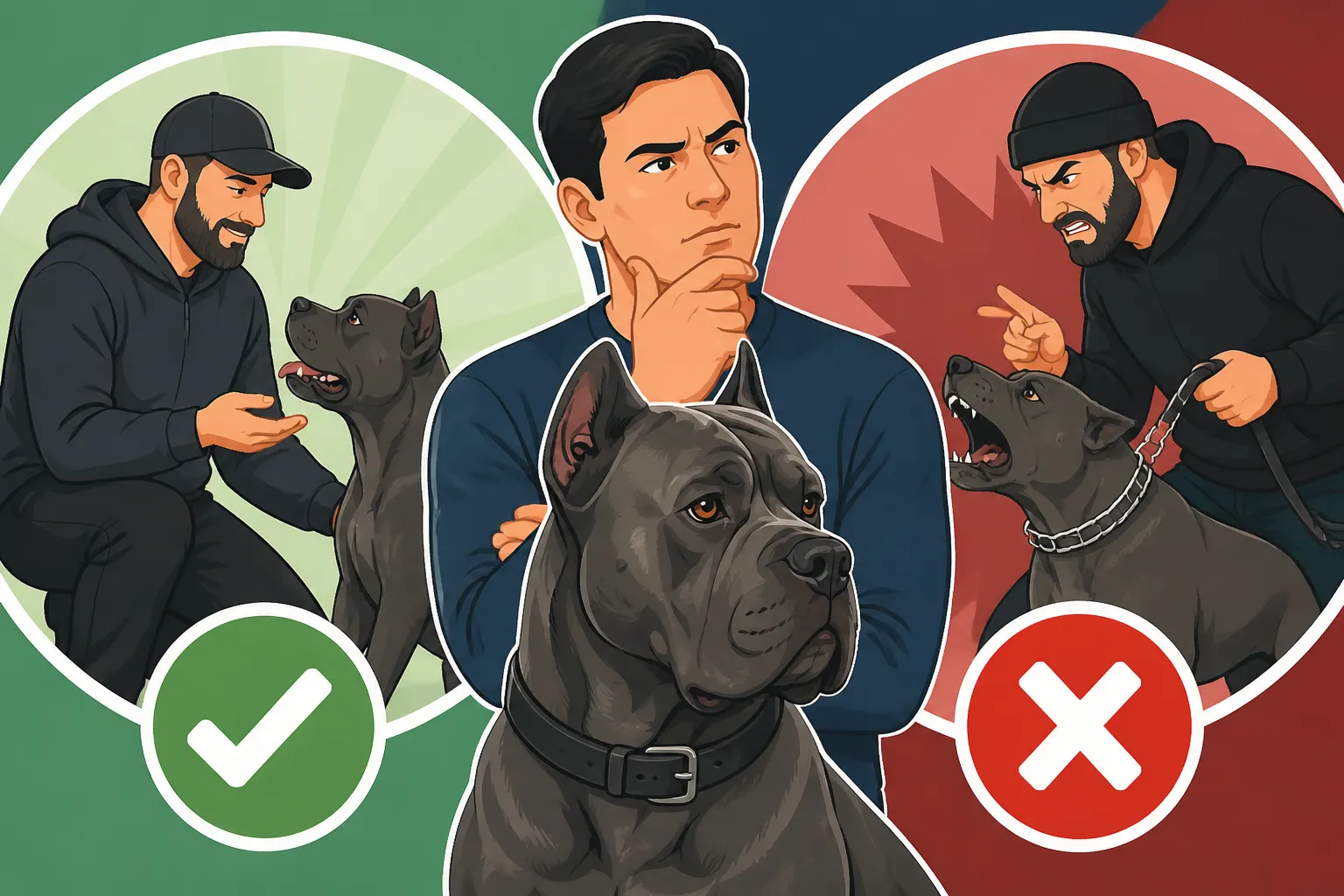
Vetting a Trainer Before You Hand Over a Cane Corso
Bringing a Cane Corso into your home is an incredible commitment, and one of the biggest challenges many new owners face is finding the right guidance for their powerful, intelligent companion. It's easy to feel overwhelmed by the sheer number of trainers out there, and the thought of handing over your beloved, potentially strong-willed Corso to someone who might not understand the breed can be truly daunting. This guide will walk you through the essential steps to vet a dog trainer, ensuring you find a professional who is truly equipped to help your Cane Corso thrive.
The Unique Needs of a Cane Corso in Training
Let's be real, a Cane Corso isn't your average Golden Retriever. These are majestic, formidable dogs with a rich history as guardians, hunters, and farmhands. Their physical strength is undeniable, but it's their immense intelligence, deep loyalty, and inherent guardian instincts that truly set them apart. This isn't a breed you can just send off to any run-of-the-mill puppy class and expect miracles.
Understanding the Cane Corso Temperament
Cane Corsos are typically confident, assertive, and highly devoted to their families. They are keenly observant and quick to learn, which sounds like a dream, right? But with great intelligence comes the potential for them to learn both good and bad habits with equal speed. They aren't naturally inclined to blindly follow commands; they question, they assess, and they need to understand why they're doing something. A trainer who doesn't grasp this nuanced temperament, perhaps one who relies solely on force or ignores the dog's inner motivations, will likely hit a brick wall with a Corso, or worse, damage their trust. It’s crucial that they understand What a Cane Corso's Guardian Instinct Actually Is to approach training effectively.
The Importance of Early and Consistent Socialization
For a breed destined to be large and powerful, proper socialization isn't just a suggestion; it's a non-negotiable requirement. From the moment your Cane Corso puppy comes home, they need controlled, positive exposure to a wide variety of sights, sounds, people, and appropriate dogs. A trainer who emphasizes this critical early window, and helps you navigate it, is invaluable. Without it, you could face issues like reactivity or fear-based aggression down the line, which are far more difficult and stressful to address with a full-grown, hundred-pound dog. This is often an area where even well-meaning owners struggle, making the right professional guidance paramount.
Physical Strength Requires Thoughtful Methods
A fully grown Cane Corso can easily weigh over a hundred pounds of solid muscle. This isn't just about managing them on a leash; it's about ensuring their physical development is supported through appropriate exercise and training that doesn't put undue stress on their growing joints. A trainer needs to understand how to leverage your Corso's natural drive and strength without resorting to methods that could be physically damaging or create a power struggle. The focus should always be on building a strong, positive relationship and clear communication, not simply overpowering the dog. You'll want to avoid trainers who promote techniques like constant leash corrections with harsh tools, especially for a large, developing breed.
Decoding Training Philosophies and Methods
When you start looking for a trainer, you'll quickly discover that the dog training world is a complex tapestry of philosophies and techniques. It's not a one-size-fits-all situation, especially not for a Cane Corso. Understanding the different approaches will empower you to ask the right questions and ensure the trainer's methods align with your values and your dog's needs.
Force-Free, Positive Reinforcement Training
This philosophy centers on rewarding desired behaviors and managing the environment to prevent unwanted ones, rather than using punishment or intimidation. Think treats, praise, toys, and opportunities to do what the dog enjoys. For a Cane Corso, who values trust and a strong bond, this approach can be incredibly effective. It builds confidence, encourages your dog to want to work with you, and fosters a happy learning environment. You'll often hear terms like "lure and reward," "shaping," and "capturing" behaviors. This method avoids physical corrections, leash pops, or fear-inducing tactics. It's about teaching your dog what to do instead of just what not to do. Many successful Cane Corso owners find this method helps foster The Handler a Cane Corso Respects through mutual understanding rather than fear.
Balanced Training Approaches
Balanced trainers often use a combination of positive reinforcement for teaching new behaviors and aversive tools or corrections to discourage unwanted behaviors. Tools might include prong collars, slip leads, or e-collars (electronic collars). The argument here is that dogs live in a human world with real consequences, and sometimes a clear "no" is necessary. However, the application of these tools is where things get tricky, especially with a sensitive, powerful breed like the Cane Corso. It's vital to ensure any balanced trainer you consider uses these tools with precision, minimal force, and a deep understanding of canine behavior, always prioritizing clear communication and safety. You need to be particularly wary of trainers who rely heavily on corrections without first teaching the desired behavior, as this can confuse and shut down a Cane Corso. Remember, Why Dominance Methods Backfire on a Cane Corso is a critical point to consider.
Aversive and Dominance-Based Training
This approach, thankfully, is becoming less common but still exists. It's rooted in outdated "alpha dog" theories, suggesting that you must dominate your dog to gain control. Methods often involve intimidation, harsh physical corrections, and tools that cause pain or fear. For a Cane Corso, a breed that is already inherently protective and has a strong sense of self, these methods can be disastrous. They can lead to fear, aggression, distrust, and ultimately, a breakdown in the bond between you and your dog. Such methods rarely resolve the underlying behavioral issue and often suppress it, potentially leading to more severe problems down the line. If a trainer mentions "being the alpha" or "showing your dog who's boss" in an aggressive way, walk away.
Here's a quick comparison of common training philosophies:
| Philosophy | Primary Motivation | Tools Often Used | Pros | Cons |
|---|---|---|---|---|
| Positive Reinforcement | Rewards, fun, choice | Treats, toys, praise, clickers, harnesses | Builds strong bond, dog enjoys learning, humane, long-lasting results | Can be slower initially, requires creativity, not all behaviors easily rewarded in real-world scenarios |
| Balanced Training | Rewards & consequences | Treats, toys, praise, prong collars, e-collars | Can be efficient, addresses wide range of behaviors, some dogs respond well to clear boundaries | Risk of misuse of aversive tools, can damage trust if applied poorly, ethical concerns for some owners |
| Aversive/Dominance | Fear, intimidation | Choke chains, harsh corrections, physical force | May suppress behavior quickly (temporarily) | Damages bond, risk of aggression, fear, anxiety, learned helplessness, outdated and unethical |
What to Look for in a Trainer's Credentials and Experience
Beyond understanding their philosophy, it’s crucial to scrutinize a trainer's professional background. Dog training is largely unregulated, meaning anyone can call themselves a "dog trainer." This makes your vetting process even more important to ensure you're working with a truly qualified individual.
Certifications and Continuing Education
A trainer with recognized certifications demonstrates a commitment to their profession and ongoing education. Look for certifications from reputable organizations like the Certification Council for Professional Dog Trainers (CCPDT), Karen Pryor Academy (KPA-CTP), or the Academy for Dog Trainers. These certifications require rigorous exams, practical skills assessments, and often continuing education credits to maintain. This tells you they've invested time and effort into learning scientifically sound, humane training methods. It's a sign they're not just relying on anecdotal experience but have a solid theoretical foundation. Ask about their educational background and if they regularly attend seminars or workshops to stay current on canine behavior science.
Experience with Large, Guardian Breeds Like Cane Corsos
This is where finding a good trainer for a Cane Corso often hinges. Many trainers are excellent with general obedience or smaller, softer breeds, but a Cane Corso presents unique challenges. You need someone who has direct, successful experience working with powerful, intelligent guardian breeds. Ask specifically about their experience with Cane Corsos, Mastiffs, Rottweilers, or similar dogs. Have they helped resolve common Corso issues like guarding behaviors, reactivity, or appropriate leash manners for a strong puller? A trainer who understands the breed's drive, rather than being intimidated by it, is paramount. They should be able to offer specific examples of how they've handled typical Corso traits, whether it's Leash Manners Before a Cane Corso Hits Ninety Pounds or managing their protective instincts towards strangers.
Client Testimonials and References
Any reputable trainer should be happy to provide references from past clients, ideally with dogs similar to yours. Don't just read the glowing reviews on their website; ask for direct contact information. When you call these references, ask detailed questions:
- What specific issues did the trainer help them with?
- How long did it take to see results?
- What was their communication style like?
- Did they feel supported throughout the process?
- Would they use this trainer again?
- Did their dog enjoy working with the trainer?
Also, check for online reviews on independent platforms, but take them with a grain of salt. A mix of feedback is often more realistic than universally perfect scores, but consistent themes of unethical practices or poor results are major red flags.
The Interview Process: Questions to Ask
Once you’ve narrowed down a few potential trainers, the next step is a thorough interview. This is your chance to get a feel for their personality, approach, and how they would specifically work with your Cane Corso. Don't hesitate to ask probing questions; you're entrusting them with your dog's well-being and your peace of mind.
How They Handle Specific Behavioral Challenges
Go beyond general questions and ask them to describe their approach to specific issues you might be facing or anticipate with your Cane Corso. For example:
- "My Cane Corso pulls intensely on the leash. What is your process for teaching loose leash walking?" (Listen for explanations of technique, tool recommendations – e.g., using a front-clip harness like those found on Chewy, or head halter – and how they teach you to implement it.)
- "My Corso is starting to bark excessively at strangers approaching the house. How would you address this guarding behavior?" (Look for answers that involve management, counter-conditioning, and teaching alternative behaviors, rather than just punishing the bark. This is key for understanding The Difference Between Guarding and Reacting in a Cane Corso.)
- "What would you do if my dog became fearful or shut down during a training session?" (A good trainer should have strategies for reading dog body language and adjusting their methods to ensure the dog feels safe and comfortable.)
They should be able to articulate a clear, step-by-step plan, not just vague promises.
Their Approach to Communication and Client Education
A great dog trainer doesn't just train your dog; they train you. You are the one living with your Cane Corso day in and day out, so you need to understand the methods, practice them consistently, and feel confident in your ability to continue the training. Ask:
- "How do you ensure I understand and can replicate the training techniques?" (They should offer clear demonstrations, written instructions, and opportunities for you to practice with their feedback.)
- "What kind of support do you offer between sessions?" (Email, phone calls, video reviews? This is crucial for troubleshooting as you implement new skills.)
- "What are your expectations for owner involvement outside of sessions?" (Be prepared for homework! Consistent practice at home is where the real progress happens.)
Effective communication is a two-way street. A trainer should be a patient teacher and a supportive guide, not just someone who takes your dog and "fixes" them.
What to Expect Regarding Results and Timelines
No ethical trainer will promise a "quick fix" or guarantee specific results, especially with complex behavioral issues. Dogs are living beings, not machines. However, they should be able to discuss realistic expectations regarding progress and potential timelines. Ask:
- "What does success look like for this particular issue?"
- "How will we measure progress?"
- "What factors might influence the speed of my dog's progress?" (These could include your dog's history, temperament, consistency of homework, and existing medical conditions.)
- "What happens if we're not seeing the progress we hoped for?" (They should have a plan for adjusting their approach or referring you to a specialist if needed, such as a veterinary behaviorist for complex cases.)
They should also talk about managing expectations, understanding that training is an ongoing journey, and that occasional setbacks are normal. For a breed like the Cane Corso, patience and consistency, even with Five Minute Cane Corso Sessions Twice a Day, are key.
Red Flags to Watch Out For
Just as there are qualities to seek out, there are definite warning signs that should make you reconsider a trainer. Trust your gut; if something feels off, it probably is. Your Cane Corso deserves the best, and avoiding a bad trainer can save you a lot of heartache, money, and potential damage to your dog's behavior and well-being.
Promises of "Quick Fixes" or "Guaranteed Results"
Any trainer who tells you they can "fix" your Cane Corso's ingrained behaviors in just a few sessions, or guarantees specific outcomes regardless of your involvement, is likely being dishonest. Behavioral change takes time, consistency, and a deep understanding of the dog and owner dynamic. A trainer making such claims is either inexperienced, unethical, or both. They might resort to harsh methods that suppress behavior rather than truly resolving it, leading to future problems. Be especially wary of bold claims like "I can cure your Cane Corso's aggression in a week!" This is rarely, if ever, true.
Reliance on Aversive Tools or Punishment
As discussed earlier, a heavy reliance on tools like choke chains, prong collars, or e-collars for every situation, especially without first teaching the desired behavior, is a major red flag. If a trainer immediately reaches for these tools, or suggests you "dominate" your Cane Corso, it indicates an outdated, potentially harmful approach. Observe how they interact with dogs. Do they seem stressed or fearful? Does the trainer use intimidating body language or loud, harsh commands? A good trainer should be able to explain why they might choose a particular tool (if using balanced methods) and demonstrate its humane and temporary application, always with a goal of fading it out. You’re looking for a partnership based on positive motivation for The Reward a Cane Corso Actually Values.
Lack of Transparency or Professionalism
A professional trainer should be transparent about their methods, fees, and what you can expect. Red flags include:
- Vague explanations: If they can't clearly articulate their training plan or philosophy, or deflect your questions, be concerned.
- No client references or reviews: A trainer unwilling to share contact information for past clients or has no online presence is suspicious.
- Refusal for you to observe a session: If they only want to work with your dog alone, especially for a "board and train" program, without allowing you to see their methods firsthand, it's a huge red flag. You need to know what's happening and understand how to continue the work.
- Unclear pricing or contracts: Everything should be in writing, from session costs to cancellation policies.
- Bad mouthing other trainers: While healthy debate about methods is fine, a trainer who consistently disparages all other approaches, especially positive reinforcement, often reveals an ego that can hinder effective training.
Be particularly cautious if a trainer pressures you into expensive, long-term programs without a clear assessment or if they suggest methods that make you uncomfortable.
Ongoing Support and Long-Term Success
Finding a great trainer is just the first step. The real success comes from the ongoing partnership, the support they provide, and your commitment to continuing the journey with your Cane Corso. Training is not a finite project; it's a lifelong commitment.
Follow-Up and Continued Learning
A good trainer understands that behavior is fluid and that you'll likely have questions or need adjustments after your initial sessions conclude. They should offer follow-up support, whether it's through phone calls, refresher sessions, or access to online resources. Many successful trainers also offer group classes for continuing education, like advanced obedience or Rally and Agility With a Cane Corso, which can be excellent for maintaining skills and proofing behaviors in distracting environments. Think of it as investing in your Cane Corso's education for the long haul, much like you might keep track of your pet's health with resources like Healthy Paws. Consistent practice and seeking advice when new challenges arise are key to maintaining The Structure a Cane Corso Needs Every Single Day.
Integrating Training into Daily Life
The true test of effective training isn't just how your Cane Corso performs in a formal session, but how well they integrate those learned behaviors into your everyday life. A good trainer will help you apply the techniques in real-world scenarios – from polite greetings with guests, to calm behavior during walks, to settling quietly while you prepare their delicious food from services like Ollie. They should emphasize how to make training a natural part of your routine, rather than a separate, stressful event. This means practicing in different locations, with varying distractions, and gradually increasing the difficulty. Even simple tasks like teaching your Cane Corso to wait patiently for their Chewy delivery helps solidify good habits.
Knowing When to Seek Specialist Help
Sometimes, even with the best general trainer, certain behavioral issues may require specialized intervention. If your Cane Corso is exhibiting severe aggression, separation anxiety, or other complex issues, your trainer should be quick to recommend consulting a veterinary behaviorist. These are veterinarians with advanced training in animal behavior, who can assess medical factors that might be contributing to behavior problems and, if necessary, prescribe medication in conjunction with behavior modification. A good trainer understands their limits and knows when to refer to other professionals. For example, if you have a reactive Cane Corso, your trainer might guide you on basic management, but a behaviorist might be needed for the deeper work, especially considering What a Behaviorist Charges for a Reactive Cane Corso.
Ultimately, finding the right trainer for your Cane Corso is about forming a partnership. It's a journey that requires patience, consistency, and a willingness to learn alongside your powerful companion. By taking the time to thoroughly vet potential trainers, you're not just investing in your dog's training; you're investing in a happier, safer, and more harmonious life together.
Disclaimer
This article is for general informational purposes only and does not constitute professional advice. Laws, prices and regulations vary by location and change over time. Consult a qualified professional for guidance on your specific situation.