Rally and Agility With a Cane Corso
Many Cane Corso owners feel a bit overwhelmed when they look at popular dog sports like agility or rally obedience, often thinking their big, powerful dog isn't suited for such activities. It's easy to picture tiny Border Collies flying over jumps and weaving through poles, and then look at your stately, hundred-pound Corso and wonder how they could possibly compete. But I'm here to tell you that not only can Cane Corsos participate in these sports, but they can absolutely excel, and the journey itself offers incredible benefits for both of you. This guide will explore how to get started in rally obedience and agility with your magnificent Cane Corso, adapting the training to their unique physical and mental attributes.
Understanding the Cane Corso for Dog Sports
Let's be real, a Cane Corso isn't built like a Whippet. Their size, power, and often serious demeanor can make people assume they're not cut out for the fast-paced, sometimes goofy world of dog sports. But underneath that impressive exterior is a highly intelligent, eager-to-please companion who thrives on having a job and engaging with their handler. The key is to understand their natural predispositions and adapt the training accordingly, rather than trying to force a square peg into a round hole.
Their history as working dogs, guarding property and livestock, means they possess incredible focus and a strong desire to please their primary handler. They were bred for critical thinking, not just mindless repetition, which makes them fantastic candidates for precision sports like Rally. While their guarding instincts might make them seem aloof, once you tap into that deep bond, they become incredibly responsive and dedicated partners.
Physical Considerations for Agility
When you think "agility," you probably envision dogs launching themselves over jumps and twisting through tunnels. For a Cane Corso, this image needs a slight adjustment. Their substantial size and weight mean we have to be extremely mindful of their joints and overall physical impact. A growing Cane Corso puppy should absolutely not be doing high-impact jumps or repetitive tight turns. We're talking about a dog that can weigh over a hundred pounds as an adult, and their bone and joint development is crucial, especially up until they are fully mature, which is often around 18-24 months. Why a Cane Corso Puppy Should Not Grow Too Fast is a critical read if you're raising a young Corso and considering sports.
Instead of traditional agility, you might look at "heavy dog agility" or modify standard equipment. Jumps will be set much lower, and contact obstacles like dog walks and A-frames should have a gentler incline to reduce stress on their hips, elbows, and shoulders. Prioritizing correct form and safety over speed is paramount. Many large breed owners choose to focus on ground-level obstacles, tunnels, and weave poles that are spaced further apart to accommodate their longer bodies. Always consult with your veterinarian before starting any new strenuous physical activity, especially if your Cane Corso has not had its hips and elbows cleared. Hips and Elbows a Cane Corso Must Be Cleared On is essential reading for any Corso owner.
Mental Aptitude for Rally Obedience
Rally obedience, on the other hand, is practically tailor-made for the Cane Corso's mental strengths. It's essentially a more dynamic form of obedience, where you and your dog navigate a course of numbered stations, each with a sign indicating a specific exercise to perform. Think "follow the leader" with a twist of canine manners. This plays right into the Cane Corso's intelligence and desire for structured work. They thrive on clear direction and enjoy the problem-solving aspect of figuring out the next station.
While they are highly intelligent, they are also independent thinkers. This isn't a breed that will blindly follow commands if they don't see the point. You need to build strong motivation and a solid working relationship. Consistency is your best friend. They need to understand that your instructions are always worth listening to. The Length of a Cane Corso's Attention Span might surprise you; they can focus, but you need to make it engaging. Positive reinforcement, high-value treats, and enthusiastic praise will be far more effective than heavy-handed corrections. A Cane Corso will shut down if they feel unfairly treated or confused.
Getting Started with Rally Obedience
Rally obedience is a fantastic entry point into dog sports for Cane Corsos because it emphasizes teamwork, communication, and precision without requiring extreme athleticism. It builds upon foundational obedience skills, making it a natural progression for a well-mannered Corso. It’s also incredibly accessible, often requiring minimal specialized equipment beyond a leash and collar.
The beauty of Rally is that it allows for handler communication throughout the course – you can talk to your dog, give multiple commands, and encourage them. This is perfect for a Cane Corso who benefits from clear guidance and positive feedback. It helps solidify their understanding of cues in a distracting environment, which is excellent for their overall public manners.
Foundational Skills and Early Training
Before you even think about stepping onto a Rally course, your Cane Corso needs to have a solid grasp of basic obedience. This means a reliable "sit," "down," "stay," "come," and a beautifully loose-leash walk. These aren't just polite manners; they are the building blocks of every Rally exercise. Your dog needs to understand The Reward a Cane Corso Actually Values because you'll be using those rewards constantly to reinforce good behavior.
Starting early with engagement games and focus exercises in varied environments is key. You want your Cane Corso to be more interested in you than in the squirrels, other dogs, or strange smells. Short, fun training sessions, even just five minutes a couple of times a day, can make a huge difference. Online platforms like BAXTER & Bella offer structured courses that can guide you through these foundational steps from the comfort of your home, helping you build that crucial bond and communication before you hit a public class. Focus on building a strong recall and teaching your Corso to stay in a specific position, like holding a "place" command. Teaching a Cane Corso to Hold a Place Cot is an excellent skill that translates directly to Rally stations.
Progression in Rally
Once your Cane Corso is proficient with basic obedience, you can start incorporating elements of Rally. You don't need fancy equipment to practice. You can print out novice Rally signs from various organizations' websites (like AKC Rally) and set up a mini-course in your backyard or a quiet park. Start with simple turns, halts, and changes of pace. Focus on getting your Cane Corso to perform the exercise willingly and accurately.
As you progress, gradually introduce more complex signs and add distractions. Practice in different locations with varying levels of noise and activity. The goal is for your Cane Corso to remain attentive to you, regardless of what's happening around them. This consistent, engaging work strengthens your bond and improves their general responsiveness. Remember, Getting a Cane Corso to Respond the First Time is all about clear communication and making sure the reward matches the effort. Patience is paramount; don't rush your Corso through the levels. Celebrate small victories and keep the training positive and fun.
Navigating Agility with a Large Breed
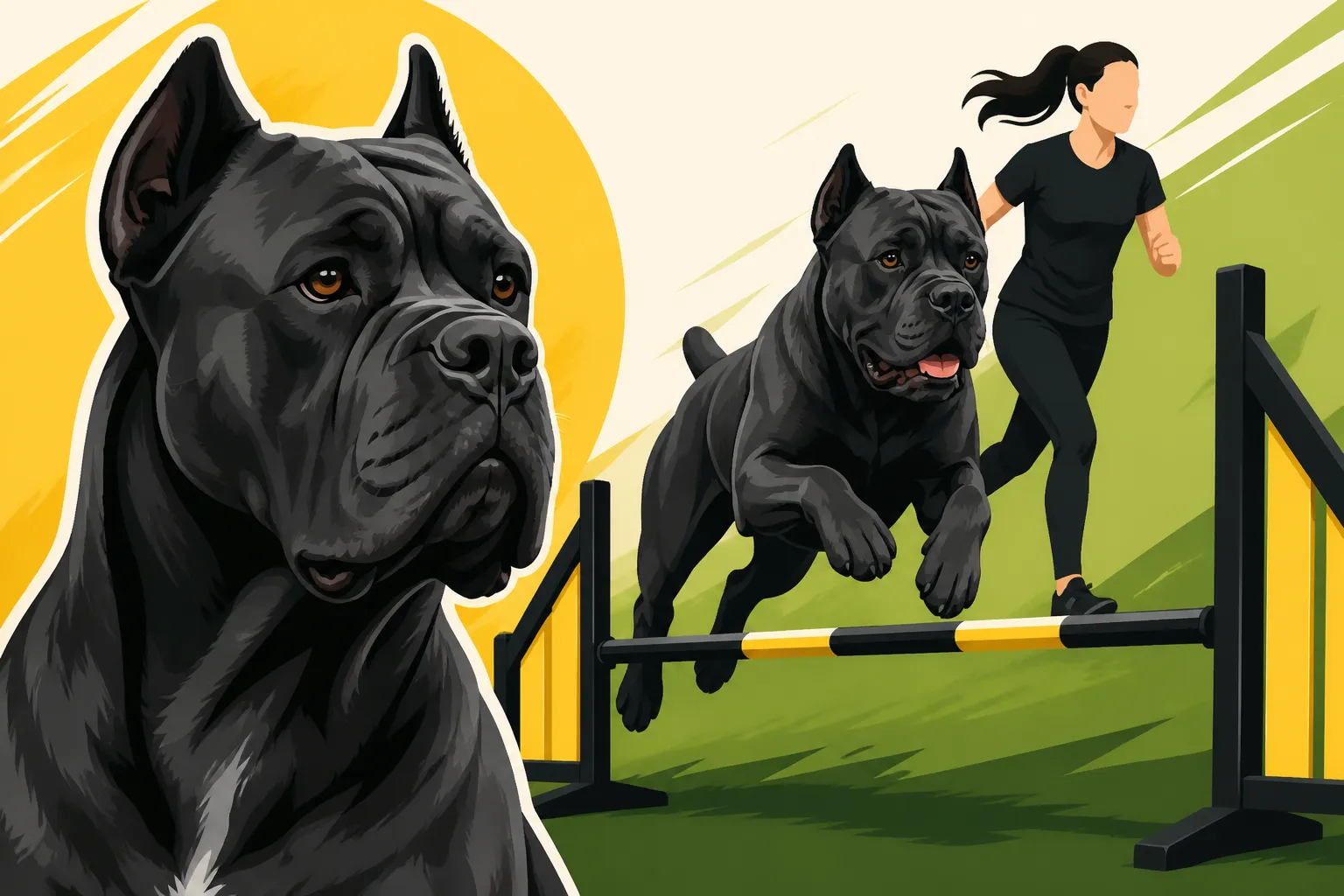
Agility might seem intimidating for a large breed like a Cane Corso, but with the right approach and modifications, it can be a highly rewarding and physically stimulating activity. It's a fantastic way to burn off some of that impressive Cane Corso energy and engage their minds in a new way. The key is to prioritize safety and adapt the sport to their physical capabilities, rather than demanding they move like a much smaller, lighter dog.
Think about it less as a competitive sprint and more as a controlled obstacle course that requires strategic thinking from both dog and handler. The joy comes from the teamwork and watching your powerful Corso navigate challenges with grace and confidence, not necessarily from setting speed records. It's about building their confidence and giving them a job that involves their whole body and mind.
Equipment and Safety Modifications
One of the biggest concerns for a Cane Corso in agility is the impact on their joints. This means standard agility equipment often needs adjustment. When looking at jumps, for instance, bars should be set at the lowest legal height for competition, or even lower for practice. For home practice, you can find a wide range of adjustable agility equipment on platforms like Amazon that allow you to set heights appropriate for your Cane Corso's size and comfort level. Look for equipment with wider contact surfaces and non-slip coatings, especially for the dog walk, A-frame, and teeter-totter.
Tunnels are usually fine, but ensure they are wide enough for your Corso to pass through comfortably without scraping their shoulders or back. Weave poles can be started with wider spacing to allow for their longer bodies and gradually narrowed as their skill improves. Remember, the goal is to build muscle, improve coordination, and have fun, not to push them to injury. Consider starting with an experienced agility instructor who has worked with giant breeds to ensure proper form and safety protocols. Regularly check your Cane Corso's physical condition and be aware of any signs of discomfort; Managing Arthritis in a Hundred Pound Cane Corso later in life often stems from excessive wear and tear when they were younger.
Adapting Training for a Cane Corso's Size
When training a Cane Corso for agility, think "low and slow" to start. Focus on building body awareness and confidence on each obstacle individually before linking them into sequences. Use lots of positive reinforcement and make it a game. Shorter training sessions are better, as their powerful bodies can tire quickly, and you don't want to overexert their joints. Focus on clear, consistent cues and reward them heavily for correct execution. How Fast a Cane Corso Learns a New Cue can be quite impressive, especially when they are motivated!
Instead of tight turns and high-speed maneuvers, emphasize smooth transitions and controlled movements. Focus on precision and understanding the handler's directions. Incorporate warm-up and cool-down exercises before and after each session. Regular walks and The Structure a Cane Corso Needs Every Single Day help maintain their general fitness, which is a huge advantage in any dog sport. You can also incorporate conditioning exercises like walking over cavaletti poles (low poles on the ground) to improve their foot placement and build strength without high impact. This careful approach helps prevent injuries and ensures your Cane Corso enjoys the activity for years to come.
Benefits Beyond the Ribbons
Participating in dog sports with your Cane Corso offers so much more than just a chance to win a ribbon, though that's certainly a fun bonus! The real value lies in the journey itself – the shared experiences, the mental stimulation, and the profound strengthening of the bond between you and your powerful companion. These activities cater to their inherent needs, transforming their potential into positive, controlled outlets.
Many people find that the structured nature of dog sports helps channel their Cane Corso's energy and focus in a way that daily walks alone cannot. It provides a consistent challenge that keeps their intelligent minds sharp and their formidable bodies fit. And for you, the owner, it’s a wonderful opportunity to grow alongside your dog, learning more about their communication and capabilities.
Strengthening the Bond and Communication
Working through a Rally course or an Agility sequence requires constant communication and trust. Your Cane Corso learns to rely on your cues, and you learn to "read" your dog's body language and anticipate their needs. This deepens the bond in a way that casual companionship often can't. You become a true team, moving in sync, facing challenges together. This kind of focused, collaborative work is exactly what a guardian breed like the Cane Corso thrives on. They were bred to be partners, and these sports tap into that ancient instinct.
When your Corso looks to you for direction at each station or obstacle, you see their loyalty and intelligence shine. The shared successes, even tiny ones like a perfect pivot or a clean jump, build confidence in both of you. This increased communication and trust translates directly into improved behavior and responsiveness in everyday life. The Training Bill a Cane Corso Owner Cannot Skip often includes these types of activities because they pay dividends in overall canine citizenship and handler connection.
Mental and Physical Enrichment
A bored Cane Corso can be a destructive Cane Corso. These intelligent dogs need more than just physical exercise; they need mental challenges to keep them engaged and happy. Rally and agility provide both in spades. Navigating a course, remembering sequences, and performing precise movements demand significant mental effort, which can be just as tiring (in a good way!) as a long walk. This kind of mental enrichment helps prevent What Happens to an Under Exercised Cane Corso from boredom or anxiety.
Physically, these sports help maintain muscle tone, improve coordination, and keep your Cane Corso fit and agile despite their size. Even with modifications, the movements involved strengthen core muscles and improve balance, contributing to their overall health. It’s a fantastic way to keep them lean and active, which is important for joint health throughout their lives. Even if you never compete, the process of training and learning these skills provides invaluable enrichment that will lead to a happier, healthier, and more well-adjusted Cane Corso.
| Sport | Cane Corso Suitability | Key Benefits | Potential Challenges | Recommended Starting Age |
|---|---|---|---|---|
| Rally Obedience | Excellent | Mental stimulation, bond building, public manners, reinforces obedience | Requires handler focus and consistency | 6 months (basic obedience first) |
| Agility | Good (with modifications) | Physical conditioning, body awareness, confidence building, energy outlet | High impact on joints, size constraints, risk of injury if not adapted | 18-24 months (after growth plates close) |
Disclaimer
This article is for general informational purposes only and does not constitute professional advice. Laws, prices and regulations vary by location and change over time. Consult a qualified professional for guidance on your specific situation.