How Fast a Cane Corso Learns a New Cue
Bringing a Cane Corso into your life is an incredible journey, filled with monumental moments and, let's be honest, a fair share of head-scratching. One of the most common questions new owners wrestle with is how quickly these magnificent dogs pick up on new commands and lessons. It's easy to see impressive training videos online and wonder why your own Cane Corso isn't mastering "stay" in two sessions. This guide is here to shed light on the real-world pace of learning for a Cane Corso, outlining the many factors at play and offering practical, empathetic advice to help you and your powerful companion succeed.
Understanding the Cane Corso Learning Curve
It's natural to assume that a highly intelligent breed like the Cane Corso will just instantly absorb every new cue you present. While they are undoubtedly smart, a Cane Corso's intelligence often comes wrapped in a strong-willed, discerning package. This isn't your average Labrador eager to please with every glance; a Cane Corso evaluates, considers, and sometimes, frankly, decides if your request is worth their effort at that moment. This means their "learning speed" isn't a simple linear progression but rather a dynamic process influenced by many nuanced factors.
You might find your Cane Corso picks up a specific behavior, like "sit," in just a few repetitions, making you feel like you have a canine prodigy on your hands. Then, you move to "come," and it feels like you're talking to a brick wall for weeks. This inconsistency can be incredibly frustrating, leading owners to question their methods or even their dog's intelligence. Rest assured, it's a common experience with this breed, and understanding the underlying reasons is the first step toward effective training.
We're talking about a dog bred for independent thought and guarding, not necessarily for eager obedience in all scenarios. Their ancestral role on the Italian farm involved making decisions without constant human oversight, whether it was driving cattle or protecting property from intruders. This ingrained independence means that while they are certainly capable of learning quickly, they often require a deeper level of motivation and consistency from their human counterparts.
Factors Influencing a Cane Corso's Learning Speed
When we talk about how fast a Cane Corso learns, it's never just one thing. Imagine trying to learn a new skill yourself – your natural talent, your teacher, how much you care about the skill, and what else is going on in your life all play a part, right? It's the same for your Cane Corso. These complex animals process information based on a myriad of internal and external factors.
One of the biggest misconceptions is that intelligence alone dictates learning speed. While a Cane Corso certainly possesses significant cognitive abilities, these are channeled through their breed-specific traits and individual personality. Some dogs are naturally more biddable, while others have a stronger streak of independence. Acknowledging these inherent qualities is crucial for setting realistic expectations and tailoring your training approach.
It's also important to remember that a "cue" isn't just about the word you say. It encompasses your body language, the environment, your tone of voice, and the consequences (rewards or lack thereof) that follow. A Cane Corso is constantly reading all these signals, and any inconsistency can slow down their ability to form clear associations, regardless of how smart they are.
| Factor | Impact on Learning Speed | Example Scenario |
|---|---|---|
| Temperament/Personality | High-drive, eager-to-please dogs learn faster; independent or sensitive dogs may take longer. | A confident, outgoing Cane Corso might pick up "fetch" quickly if it finds it intrinsically rewarding. A more reserved or stubborn one might stare at the ball, then at you, wondering why you threw it in the first place, requiring more convincing. |
| Age | Puppies absorb basic concepts quickly, but adolescence brings challenges; older dogs have established habits. | A 10-week-old Cane Corso puppy might learn "sit" in a single session with treats. That same dog at 10 months, hitting adolescence, might suddenly "forget" basic commands in a distracting environment as their focus shifts to novelty and independence. The Age a Cane Corso Puppy Starts Formal Training is a great resource here. |
| Motivation Level | High-value rewards dramatically increase engagement and speed. | If you're trying to teach "stay" with dry kibble, your Cane Corso might walk away. Offer a tiny piece of boiled chicken or string cheese, and they'll lock onto your command, eager to earn that prized reward. This ties directly into The Reward a Cane Corso Actually Values. |
| Owner Consistency | Clear, consistent cues and expectations accelerate learning. | If one family member uses "come," another uses "here," and a third uses "get over here," your Cane Corso will be confused and take much longer to understand what you want. Every family member needs to be on the same page, using the same words and hand signals. |
| Prior Training/Socialization | Well-socialized dogs with basic obedience grasp new concepts more easily. | A Cane Corso puppy that's had positive exposure to many sights, sounds, and people (neutral socialization) will be less overwhelmed in new training environments and can focus better. Conversely, a dog lacking early socialization might struggle with focus due to anxiety or over-excitement, making even simple cues feel monumental. You can learn more about this in The Socialization a Cane Corso Missed and What It Costs. |
| Distraction Level | Training in quiet environments is faster; high-distraction areas slow progress. | Trying to teach "heel" next to a barking dog park on the first attempt is setting your Cane Corso up for failure. Starting in your quiet living room, then moving to your backyard, and then to a quiet park builds success gradually. |
| Health & Comfort | Pain, discomfort, or illness can significantly impair learning. | A Cane Corso suffering from even mild joint discomfort or an ear infection will not be able to focus on training. If your dog suddenly seems to regress or lose interest, a vet check is always a good idea to rule out underlying health issues. Signs a Cane Corso's Hips Are Starting to Go can offer insights into physical discomfort. |
The Importance of Early Socialization and Foundation Skills
Often, owners focus intensely on specific "tricks" or commands, overlooking the broader foundation that truly accelerates learning: early socialization and basic manners. A Cane Corso that is comfortable and confident in various environments is far more receptive to new information than one that is anxious, overstimulated, or fearful.
Think of it like building a house. You wouldn't start framing the second floor before the foundation is solid. For your Cane Corso, socialization is that bedrock. It's not just about meeting other dogs; it's about positive exposure to novel sounds, sights, surfaces, and people. A puppy that has been introduced to The Surfaces and Noises a Cane Corso Meets Before Sixteen Weeks in a controlled, positive way will handle the distractions of real-world training much better.
Furthermore, basic foundation skills like a solid "watch me" command, teaching them to settle on a "place" mat, and developing impulse control are paramount. These aren't just polite behaviors; they teach your Cane Corso how to learn. They teach them to focus on you amidst distractions, to manage their excitement, and to think before acting. A dog that understands these underlying concepts will pick up advanced cues exponentially faster.
Optimizing Your Training Approach for Rapid Learning
Once you understand the factors at play, you can strategically adjust your training methods to maximize your Cane Corso's learning speed. It's not about forcing them to learn faster, but about creating an environment and using techniques that make learning as clear, rewarding, and efficient as possible for them.
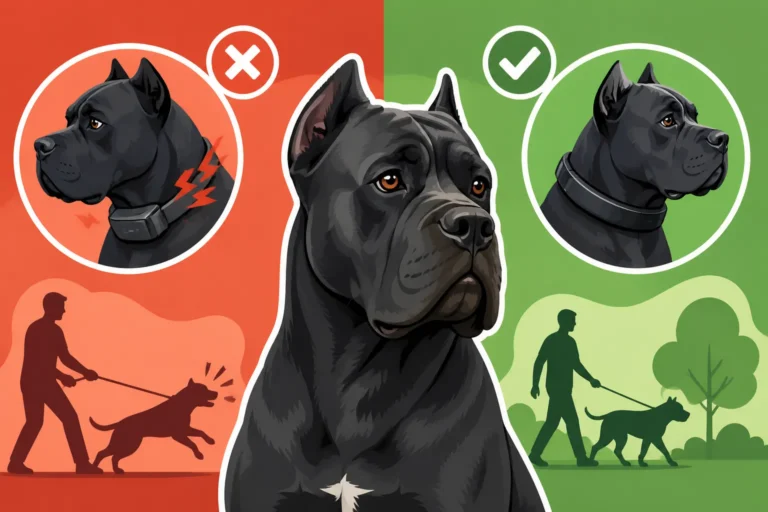
This breed thrives on clear leadership and fair boundaries. They respect consistency and respond well to an owner who communicates clearly and remains calm. Yelling or harsh corrections will often shut down a Cane Corso, making them resistant rather than eager to learn. Instead, focus on positive reinforcement and building a strong, trusting relationship.
Remember, you're not just teaching commands; you're teaching a way of life together. The more you can make training a fun, engaging, and predictable part of your daily routine, the faster and more reliably your Cane Corso will learn and perform. Consistency truly is king, not just in the words you use, but in your expectations and reactions.
Short, Frequent Sessions with High-Value Rewards
This is perhaps the single most impactful adjustment you can make. A Cane Corso, especially a young one, doesn't have an endless attention span. Trying to drill "stay" for 20 minutes straight will likely lead to frustration for both of you. Instead, aim for multiple short sessions throughout the day. Five Minute Cane Corso Sessions Twice a Day are far more effective than one long, grueling session.
During these short bursts, keep the energy positive and the rewards irresistible. We're talking about tiny pieces of hot dogs, cheese, cooked chicken, or whatever your individual Cane Corso goes absolutely wild for. Dry kibble often doesn't cut it when you're trying to introduce a new, challenging concept or work through distractions. High-value treats cut through environmental noise and grab your Cane Corso's focus instantly, reinforcing the desired behavior with power.
End each session on a high note, even if it's just after a successful "sit" that they already know. This keeps them eager for the next training opportunity. This method of training creates a positive association with learning and keeps your Cane Corso mentally engaged without burning them out. Think of it as bite-sized lessons that are easy to digest and always leave them wanting more.
Clarity in Communication and Body Language
Dogs are masters of reading body language, and Cane Corsos are no exception. Your physical cues, vocal tone, and timing are often more important than the actual words you use. If you're using inconsistent hand signals, mumbling commands, or displaying frustration, your Cane Corso will pick up on that ambiguity.
Ensure your cues are clear, distinct, and consistent every single time. If your "sit" command is a raised hand, make sure it's always the same motion. If you're teaching a new cue, say the word once, perform the action, and then reward. Avoid repeating the command endlessly, as this teaches your dog that the command is optional until you say it five times. Instead, say it once, wait, and if no response, guide them into the position and reward. Then try again.
Your energy and attitude also play a huge role. A calm, confident, and positive demeanor will inspire confidence and cooperation in your Cane Corso. If you're feeling stressed or rushed, it might be better to postpone a training session until you're in a better headspace. Dogs are emotional sponges, and your mood can significantly impact their willingness to engage and learn.
Structured Environments and Gradual Generalization
Initially, train new cues in a quiet, distraction-free environment, like your living room or a quiet corner of your yard. This allows your Cane Corso to focus solely on you and the task at hand without being overwhelmed. Once they reliably perform the cue in this low-distraction setting, you can slowly start introducing more variables.
This process is called generalization. It means your Cane Corso understands that "sit" means "sit" regardless of where they are or what's going on around them. Start by moving to a different room, then your backyard, then a quiet park. Gradually increase the distance between you, the duration of the command, and the level of distraction. This sequential approach builds confidence and ensures thorough understanding, making the learning "stick."
For example, when teaching Building a Cane Corso's Recall From Eight Weeks, start in a fenced yard with no distractions, then move to a long line in a quiet field, slowly adding mild distractions. Expect regression when you increase the difficulty, and don't be discouraged. Just go back a step, reinforce, and try again. This systematic approach, though seemingly slower in the short term, leads to much faster and more reliable learning in the long run. Resources like BAXTER & Bella offer structured online puppy training programs that guide owners through this step-by-step process.
Common Roadblocks and How to Overcome Them
Even with the best intentions and methods, you're bound to hit some bumps in the road. Cane Corsos are magnificent animals, but they come with their own unique set of challenges. Understanding these common roadblocks can help you anticipate them and approach them with patience and an effective strategy, rather than letting them derail your progress.
It's easy to get discouraged when your dog isn't performing as expected, especially after you've put in so much effort. But remember, every "failure" is a learning opportunity for both you and your Cane Corso. It often points to a gap in understanding, either on your part (in terms of technique) or on your dog's part (in terms of what you're asking).
The key is to remain consistent, patient, and flexible. What works for one Cane Corso might not work for another, and what works one day might need tweaking the next. Your relationship with your dog is a partnership, and effective training is about finding that sweet spot where both of you can communicate and understand each other.
The "Selective Hearing" Syndrome
Ah, selective hearing – the bane of many a Cane Corso owner's existence. Your dog knows "sit" perfectly in the kitchen, but suddenly goes deaf when you ask for it at the dog park. This isn't stubbornness (though it can feel like it!), but rather a lack of generalization and an overabundance of distractions. As mentioned earlier, Cane Corsos excel at The Length of a Cane Corso's Attention Span in quiet environments, but that focus can shatter when there's too much going on.
To combat this, you need to systematically proof your commands. This means practicing in increasingly distracting environments, but always starting easy. If your Cane Corso isn't performing a command in a new setting, it means you've asked too much too soon. Go back to a less distracting environment where they can succeed, reinforce heavily, then introduce the distraction in tiny increments. For example, if you're working on "stay," have a friend walk by at a distance, then closer, then with a toy, rewarding heavily for success at each stage.
Another aspect of "selective hearing" can be a lack of motivation. If your dog isn't valuing the reward you're offering, they're simply not going to bother. Re-evaluate Whether Food Motivates a Cane Corso or if they prefer toys or praise. Some Cane Corsos are very particular about their rewards, and what worked last week might not be exciting enough today. Keep a variety of high-value treats on hand, readily available via online retailers like Amazon, and rotate them to keep things fresh and exciting.
Handling Stubbornness and Resistance
Cane Corsos are known for their strong will, and sometimes, they simply don't want to do what you're asking. This isn't malicious; it's often a manifestation of their independent nature or a lack of understanding regarding the benefit to them. Punishing resistance rarely works and can damage your bond. Instead, you need to make the desired behavior more appealing than not doing it.
If your Cane Corso is being stubborn, first, check your understanding. Are they truly resisting, or are they confused? Break the command down into smaller, easier steps. If they're refusing to "down," try luring them into position with a treat and rewarding the motion of going down, even if they don't fully lie flat yet. Gradually shape the behavior until it's what you want.
Increase the value of your reward dramatically. For those moments of resistance, pull out the absolute highest-value treat you have. Make it worth their while. And remember, consistency from you is key. If you give in when they're being stubborn, you're teaching them that resistance works. Be patient, be persistent, and make sure you're always rewarding the desired action. When they respond correctly, make it a huge celebration!
Overcoming Owner Frustration
Let's be real: training a Cane Corso can be frustrating. Their size, strength, and occasional stubbornness can test even the most patient owner. When you're feeling overwhelmed, it's easy to fall into traps like yelling, repeating commands too often, or comparing your dog to others. These reactions, while understandable, actually slow down your Cane Corso's learning.
The first step is to recognize your own frustration. If you're feeling it, your dog is likely picking up on it, which can make them anxious or shut down. When you reach that point, it's okay to take a break. End the session on an easy command your dog knows (like "sit"), give a big reward, and walk away. Come back to it later when both of you are feeling more positive.
Consider seeking guidance from a professional trainer who specializes in guardian breeds. An outside perspective can identify subtle cues you're missing or suggest new techniques. You might also find online programs, such as those offered by BAXTER & Bella, helpful for structured guidance and support from experienced professionals. Remember, you're not alone, and it's a marathon, not a sprint. What to Look For in a Cane Corso Trainer can provide valuable insights for finding the right help.
Setting Realistic Expectations for Your Cane Corso's Progress
It's vital to frame your Cane Corso's training journey with realistic expectations. They are not robots, nor are they going to be perfectly obedient after a few weeks. They are complex, intelligent, and powerful animals who will challenge you and reward you in equal measure. Understanding what "fast learning" truly means for this breed is crucial for your long-term sanity and your dog's success.
The goal isn't just speed; it's reliability and understanding. A command learned quickly but forgotten just as fast isn't truly learned. A command that takes longer to establish but is rock-solid in all environments is a testament to effective, patient training. Celebrate the small victories, appreciate the unique personality of your Cane Corso, and embrace the journey.
Remember that training is an ongoing process that continues throughout your Cane Corso's life. Adolescence, changes in routine, or new environments can all present fresh challenges. The foundations you build early on will serve as a constant reference point, but maintenance and continued engagement are key.
Understanding "Learned" Versus "Proofed"
When we say a Cane Corso "learns" a new cue, what does that really mean? Often, it means they understand the association between your word/hand signal and the desired action in a low-distraction environment. They might "sit" perfectly in your living room after just a few repetitions. That's a great start! But this is only the first stage of learning.
The true test comes with "proofing" that behavior. Proofing involves practicing the command in a wide variety of environments, with increasing distractions, different people, and varying durations. A command isn't truly "learned" until your Cane Corso can reliably perform it under these real-world conditions. This is where the perceived "speed" of learning often slows down. It takes consistent effort over time to generalize a behavior so that your Cane Corso responds reliably to Getting a Cane Corso to Respond the First Time, no matter what.
For instance, your Cane Corso might learn to "down" from a standing position in your quiet house in minutes. But can they "down" and stay while a squirrel runs across the yard? Or when guests arrive at the door? That's proofing, and it takes time, patience, and a systematic approach. Don't be discouraged if proofing takes much longer than the initial teaching phase; it's a normal and necessary part of the process for a guardian breed.
Patience, Consistency, and the Long Game
Patience is not just a virtue in Cane Corso training; it's a necessity. You're working with a dog that can be physically imposing and mentally formidable. Rushing them, becoming frustrated, or resorting to harsh methods will likely backfire, leading to a dog that is either fearful, resistant, or both. Instead, approach each session with a calm, clear mindset.
Consistency is your superpower. Every interaction you have with your Cane Corso is a training opportunity. Are you consistently reinforcing desired behaviors? Are all family members using the same commands and expectations? The Structure a Cane Corso Needs Every Single Day goes beyond formal training sessions; it's about predictable routines, clear rules, and consistent follow-through on every interaction. Even something as simple as Teaching a Cane Corso to Wait at Every Door contributes to their overall understanding of boundaries and expectations.
The "long game" means understanding that your Cane Corso's training journey will last their entire life. There will be plateaus, regressions, and moments of brilliance. Embrace it all. The bond you build through consistent, positive training is what truly makes a Cane Corso an incredible companion. Focus on strengthening that connection and celebrating every step, no matter how small, on the path to a well-behaved and confident guardian.
Disclaimer
This article is for general informational purposes only and does not constitute professional advice. Laws, prices and regulations vary by location and change over time. Consult a qualified professional for guidance on your specific situation.