Whether a Cane Corso Needs Bite Work to Guard
It's a common question, and one that carries a lot of weight for anyone considering or already owning a Cane Corso: do these incredible dogs need specialized bite work or protection training to fulfill their natural guarding roles? Many people envision their Corso as a formidable protector, but the path to achieving that can often be misunderstood, leading to confusion about what "guarding" truly entails. This guide aims to clear up those misconceptions, explaining the Cane Corso's inherent protective instincts and whether formal bite work is truly necessary, or even advisable, for your family's peace of mind and safety.
Understanding the Cane Corso's Natural Guardian Instincts
When you bring a Cane Corso into your home, you're not just getting a dog; you're inviting a piece of history, a dog whose very essence is tied to protection and companionship. Their reputation as guardians isn't just a marketing ploy; it's deeply ingrained in their breed heritage.
The Core of Their Protective Nature
The Cane Corso, a descendant of Roman war dogs and an Italian farm guardian, was selectively bred for centuries to protect property, livestock, and family. This isn't something that needs to be "taught" in the same way you teach "sit" or "stay." It's an intrinsic part of who they are, a hardwired instinct that manifests in vigilance, loyalty, and a strong territorial drive. They perceive their family and home as their "flock" to be watched over. This deep-seated instinct means they are naturally observant of their surroundings, often taking a perimeter check of the yard or carefully assessing new visitors before relaxing. It's truly fascinating to watch this unfold, especially if you have had other breeds that aren't as inherently watchful. What a Cane Corso's Guardian Instinct Actually Is delves deeper into these historical roots and how they shape the modern Corso.
For many owners, this natural inclination is exactly what they seek. They want a dog that will alert them to unusual activity, deter potential threats by its sheer presence, and act as a loyal shadow. This protective streak doesn't automatically mean aggression. Instead, it means they are highly attuned to their environment and the people within it. They form incredibly strong bonds with their human families and often extend that protective bubble to children, other pets, and even familiar guests. This loyalty is a cornerstone of their guarding ability, making them attentive and responsive to the safety of those they love.
Guarding vs. Aggression
It's absolutely crucial to distinguish between natural guarding behavior and unprovoked aggression. A well-adjusted Cane Corso, with proper socialization and training, expresses its guarding instincts through a measured response. This might mean a deep, resonant bark when a stranger approaches the door, a watchful stance, or a subtle shift in body language that signals "I see you, and I'm aware of your presence." These are all deterrents, often enough to make an unwelcome visitor think twice. They are not looking for a confrontation; they are communicating boundaries.
True aggression, on the other hand, often stems from fear, poor socialization, lack of confidence, or improper handling. A dog that is truly aggressive may lash out without warning, bite without provocation, or show uncontrolled reactivity in everyday situations. This is not natural guarding and is certainly not desirable. A properly bred and raised Cane Corso should be confident and discerning, not indiscriminately aggressive. Their job is to protect, not to create problems. If your Cane Corso is showing signs of unprovoked aggression, it's a serious matter that requires immediate intervention from a qualified professional, not encouragement or "bite work" training. Understanding this distinction is vital for responsible ownership and for ensuring your dog remains a safe and cherished member of society.
What is "Bite Work" and Why It's Often Misunderstood
The term "bite work" often conjures up images from movies or news stories, painting a picture of vicious attack dogs. In reality, modern bite work, particularly in protection sports, is a highly structured and controlled activity that is worlds away from what most people imagine.
The Reality of Protection Sports
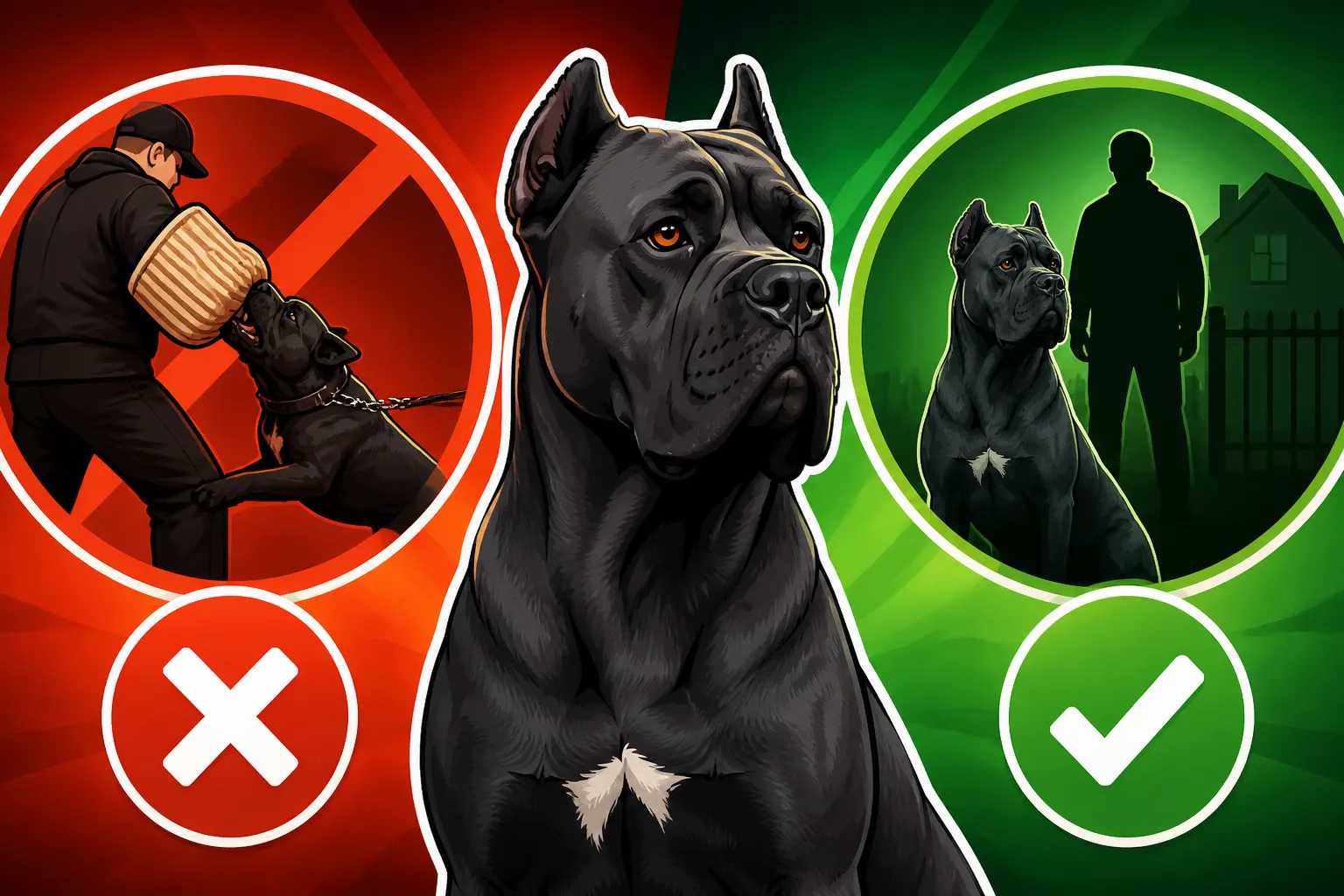
When trainers and enthusiasts talk about "bite work," they are almost always referring to K9 protection sports like Schutzhund (now IGP), French Ring, or Mondioring. These are competitive dog sports that test a dog's obedience, agility, and protective instincts in a highly disciplined and controlled environment. Dogs in these sports are not trained to be aggressive or to bite indiscriminately. Quite the opposite: they are taught immense control, focus, and a precise understanding of when and where to engage a "decoy" (a trained person wearing a bite suit).
The goal is to channel a dog's natural prey drive and protective instincts into a sport, teaching them to bite only on command, to release on command, and to show courage and composure under pressure. These dogs undergo years of intense training, building a strong bond with their handler and learning complex routines. It requires an incredible amount of dedication from both dog and owner. For instance, What IGP Training Involves for a Cane Corso provides a deeper dive into one of these demanding sports. A Cane Corso engaged in protection sports is often one of the most stable and well-behaved dogs you'll meet in public, precisely because of the extensive training in control and obedience. They differentiate between the sport scenario and real life, and a good sport dog is not a liability.
Risks and Responsibilities
While protection sports can be fascinating and rewarding for the right dog and handler team, they are absolutely not for every Cane Corso, nor every owner. The risks involved are significant, and the responsibility is immense. First, it requires an extremely stable dog with impeccable nerves, high drive, and a confident temperament. A fearful or insecure dog should never be put into bite work training, as it can exacerbate their issues and make them genuinely dangerous. Second, it demands an owner who is equally committed, knowledgeable, and responsible, often working with highly specialized and ethical trainers.
There are also legal and social implications to consider. Owning a dog trained in bite work, even for sport, can increase liability in some areas and may even affect homeowner's insurance policies or breed-specific legislation. Furthermore, if the training is done incorrectly by an unqualified or unethical trainer—one who encourages aggression rather than control—you could end up with a genuinely dangerous animal. This is a primary reason why most reputable Cane Corso breeders and experienced owners will tell you that formal bite work is not necessary for a family guardian and can be detrimental if pursued without extreme caution and expertise. It's a high-level sport, not a shortcut to a "guard dog." Whether Protection Sport Makes a Cane Corso Dangerous explores these concerns further.
Effective Guarding Without Formal Bite Work
The vast majority of Cane Corsos can be exceptional guardians without ever stepping foot into a protection sport arena or engaging in formal bite work. Their natural instincts, combined with solid training and responsible ownership, are more than sufficient.
Foundation Training and Socialization
The cornerstone of a well-behaved, naturally protective Cane Corso is excellent foundation training and comprehensive socialization. Start early! The socialization window for a Cane Corso puppy is critical. The Socialization Window a Cane Corso Puppy Gets highlights just how important it is to expose them to a wide variety of sights, sounds, people, and environments in a positive and controlled manner during their formative months. This builds confidence and helps them differentiate between everyday occurrences and genuine threats. A dog that is confident and comfortable in various situations is less likely to react out of fear or uncertainty.
Beyond socialization, robust obedience training is non-negotiable. Your Cane Corso needs to reliably respond to commands like "sit," "stay," "come," and "leave it" under all sorts of distractions. This isn't just about good manners; it's about control and communication. A dog that is listening to you is a dog you can direct and manage, especially in a potentially tense situation. Online resources, like those offered by BAXTER & Bella, can be incredibly helpful for new puppy owners, providing structured programs that guide you through critical early training steps from the comfort of your home. Remember, a Cane Corso needs a handler they respect and who can consistently enforce boundaries. Why a Cane Corso Is Not a First Dog often comes down to this need for consistent, experienced handling. Investing in training, both at home and potentially in group classes, is one of the most important things you'll do. The Training Bill a Cane Corso Owner Cannot Skip is truly an investment in your dog's future and your peace of mind.
Channeling Instincts Safely
Instead of trying to teach your Cane Corso to bite, focus on teaching them appropriate ways to express their natural guarding instincts. The goal is to have a dog that alerts you effectively and deters threats, rather than engaging in physical conflict.
Here are some ways to channel those instincts:
- Alert Barking: Encourage a few strong, purposeful barks when someone approaches your property, then teach a "quiet" command. This signals awareness without becoming a nuisance.
- Boundary Training: Teach your Cane Corso to stay within designated areas of your home or yard. A strong "place" command can be incredibly useful when guests arrive or when the doorbell rings. The Place Command That Saves a Cane Corso Household helps your dog understand when they need to be calm and contained.
- "Watch Me": This command helps you get your dog's attention and redirect their focus away from a perceived threat, putting you back in control of the situation.
- Patrol Walks: Allow your Cane Corso supervised time to walk the perimeter of your yard. This fulfills their natural desire to survey their territory. You can even make it a game, hiding treats along the fence line for them to "discover."
- Observational Skills: Reward your dog for simply noticing things. If they perk up an ear at a distant sound, acknowledge it calmly. This reinforces their vigilance without escalating.
You can find excellent training tools on platforms like Amazon, from long lines for recall practice to sturdy crates and treat pouches, all of which support positive reinforcement training methods. The key is to build a confident, obedient dog that trusts your leadership and understands its role within the family. A confident and well-trained Cane Corso acts as a powerful deterrent simply by its imposing presence and watchful demeanor.
Environmental Management and Boundaries
Sometimes, the best "guarding" strategy isn't about training your dog to do more, but about managing their environment and setting clear boundaries. This means making your home and property secure in ways that support your Cane Corso's natural instincts without putting them or others at risk.
Consider these practical steps:
- Secure Fencing: A high, sturdy fence is paramount. A Cane Corso can be surprisingly athletic and determined if motivated. Fencing That Actually Holds a Cane Corso emphasizes the importance of secure boundaries, preventing escapes and unintended encounters. This protects both your dog and the public.
- Controlled Access: Ensure that your dog cannot easily run up to the front door when visitors arrive. Teaching a Cane Corso to Ignore the Doorbell is crucial. You might use baby gates or have a designated "place" for them to go when the doorbell rings, only allowing them to greet once you have assessed the situation.
- Visibility Control: If your Cane Corso barks excessively at passersby, consider privacy screens or strategic planting along your fence line to reduce visual triggers. This lessens their stress and gives them fewer reasons to feel the need to "guard" constantly.
- Supervision: Never leave your Cane Corso unsupervised with strangers, especially children, or in situations where they might feel overwhelmed or threatened. Always be present to manage interactions and advocate for your dog.
- Clear Rules for Visitors: Educate your guests on how to interact with your Cane Corso. Ask them to ignore your dog initially, allowing the Corso to approach them on their terms. This helps prevent your dog from feeling pressured or overly stimulated.
By proactively managing your environment and consistently reinforcing boundaries, you create a structured, predictable world for your Cane Corso where they feel secure in their role as guardians. This framework empowers them to be effective protectors without needing aggressive training or putting anyone at risk.
When Professional Guidance Might Be Considered (and What Kind)
While most Cane Corsos don't need formal bite work, there are certainly times when professional guidance is invaluable. However, it's critical to seek out the right kind of professional.
Recognizing True Behavioral Issues
Sometimes, a Cane Corso's guarding instincts can tip into problematic behavior, or they may develop other issues unrelated to guarding that need addressing. For instance, a dog might be overly fearful and react aggressively due to insecurity, rather than confidence. Signs of genuine behavioral issues might include:
- Unprovoked lunging, growling, or snapping at people or other dogs.
- Intense resource guarding (food, toys, space) that escalates beyond normal boundaries.
- Excessive fear or anxiety that makes them difficult to manage in public or around new experiences.
- Difficulty relaxing even in familiar, safe environments.
- A failure to "turn off" their guarding instincts, leading to constant vigilance and stress.
If you observe these kinds of behaviors, it's a sign that your dog needs professional help, but not necessarily "bite work." Instead, they likely need behavior modification to address the underlying cause of their issues, whether it's fear, anxiety, or a lack of appropriate coping mechanisms. This often involves working to build confidence, teach impulse control, and desensitize them to triggers. What an Anxious Cane Corso Looks Like can help you identify these subtle signs before they escalate.
Finding the Right Trainer
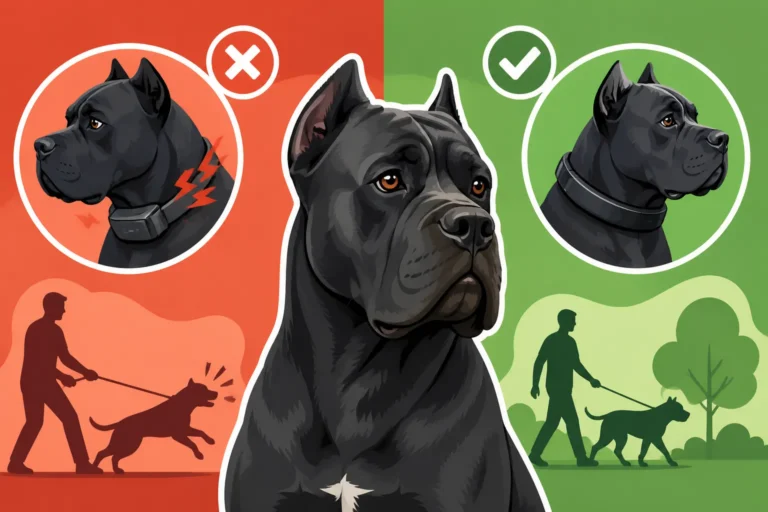
Choosing a trainer for a Cane Corso, especially one with behavioral challenges, is one of the most critical decisions you'll make. Avoid trainers who advocate for dominance theory, harsh corrections, or techniques that rely on pain or fear. These methods can damage your dog's trust, suppress their warning signals (making them more unpredictable), and ultimately exacerbate aggression rather than resolve it.
Instead, look for trainers who are certified professionals, using positive reinforcement, force-free, and science-based methods. These trainers focus on understanding the root cause of the behavior, building a strong relationship between you and your dog, and teaching alternative, acceptable behaviors. They will equip you with the skills to manage and train your Cane Corso effectively.
When vetting a trainer, ask about their experience specifically with large guardian breeds like the Cane Corso. Inquire about their methods, their philosophy, and what a typical training session looks like. A good trainer will be transparent, willing to answer all your questions, and focused on helping you build a confident, well-adjusted companion. Vetting a Trainer Before You Hand Over a Cane Corso provides excellent questions to ask potential trainers. They should never push for bite work as a solution for general guarding or behavioral problems. For most Cane Corso owners, the best "guard dog" is a well-socialized, highly obedient, and confident companion who knows when to alert and when to be calm, all achieved through positive, consistent training, not through teaching them to bite.
| Feature | Natural Guardian Instincts (Trained) | Formal Bite Work (Protection Sport) |
|---|---|---|
| Purpose | Deterrence, family protection, alert barking, territorial awareness. | Competitive sport, testing control, courage, obedience, and bite mechanics. |
| Training Focus | Obedience, socialization, confidence building, impulse control. | Highly specialized, advanced sport training with specific equipment (bite suits). |
| Outcome | Confident, discerning protector; reliable family companion. | Highly disciplined athlete; often also a well-behaved family dog if trained by expert. |
| Biting Involved? | Not typically. Focus on deterrence through presence and alerts. | Yes, in a controlled, sport-specific manner on a decoy. |
| Accessibility | Accessible to most dedicated owners with basic obedience training. | Requires significant time, financial investment, and expert trainers. Not for all dogs or owners. |
| Risk | Low, if well-socialized and properly managed. | High, if done incorrectly, with legal/social ramifications. |
| Suitability | Most stable Cane Corsos, typical family homes. | Very select, high-drive, stable Cane Corsos, with dedicated sport handlers. |
Disclaimer
This article is for general informational purposes only and does not constitute professional advice. Laws, prices and regulations vary by location and change over time. Consult a qualified professional for guidance on your specific situation.