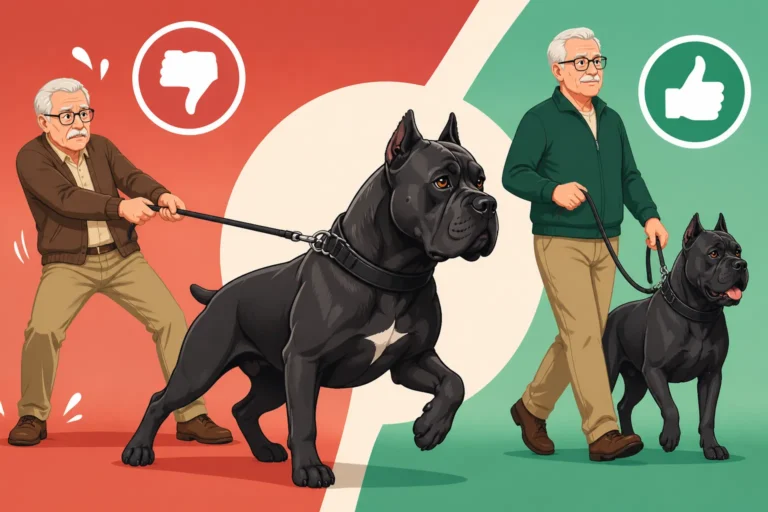
Why a Cane Corso Is Not a First Dog
Bringing a Cane Corso into your home, especially as a first-time dog owner, is an understandable dream for many. These majestic, powerful dogs with their stoic presence and loyal gaze are truly captivating. However, the reality of owning a Cane Corso, particularly for someone new to large guardian breeds, often presents challenges that can overwhelm even the most prepared individual, leading to stress for both dog and human. This comprehensive guide will explain exactly why a Cane Corso is generally not recommended for a first-time dog owner and what unique demands this incredible breed places on its humans.
Understanding the Cane Corso Temperament
Before you even consider bringing a Cane Corso into your life, it's absolutely crucial to understand the fundamental aspects of their temperament. These aren't just big dogs; they are a working breed, steeped in history, with inherent traits that require specific handling and a deep understanding of canine behavior. Many first-time owners fall in love with the look but don't fully grasp the immense responsibilities that come with it.
Deep-Seated Guardian Instincts
The Cane Corso was historically bred to be a protector, a guardian of property, livestock, and family in rural Italy. This isn't a learned behavior; it's hardwired into their DNA. They possess a natural discernment that allows them to assess situations and decide who is friend and who might be a foe. This instinct, while admirable, can manifest as intense territoriality and suspicion towards strangers if not properly managed.
Imagine hosting a dinner party. A typical Labrador might greet every guest with a wagging tail and an invitation for a belly rub. A Cane Corso, however, is likely to be reserved, watching every move, especially from new faces entering "their" space. They aren't trying to be rude; they are performing the job they were bred for. This requires an owner who can confidently manage and direct these instincts, ensuring guests feel welcome while the dog remains secure and calm. Without proper guidance, this natural guarding can quickly escalate into reactivity or even aggression towards perceived threats, a situation a new owner is rarely equipped to handle.
Their protectiveness also extends to their family members. They form incredibly strong bonds, becoming devoted companions. However, this devotion can sometimes blur into possessiveness if not balanced with clear boundaries and training from an early age. [The Guardian Instinct a Cane Corso Actually Is] outlines this in more detail. They need to understand that you are the decision-maker, not them, when it comes to who is allowed in and out of the home or who interacts with family members. This isn't about harshness, but about clear, consistent leadership that a first-time owner often struggles to provide.
High Drive and Energy Levels
Despite their imposing size, Cane Corsos are not couch potatoes. They possess a significant amount of energy and a strong drive to work, think, and engage. This isn't the kind of energy satisfied by a quick trot around the block. They need purposeful activity that challenges both their bodies and their minds. An under-exercised or under-stimulated Cane Corso is a recipe for disaster in any home, but especially for a new owner.
Think about a dog that can leap high fences, pull with the strength of a small horse, and has the endurance to patrol large areas all day. That's a Cane Corso. If they don't get sufficient physical outlet, they will find their own, and it's usually not in a way that aligns with household harmony. This can mean destructive chewing, incessant barking, or hyperactive behavior that is difficult to redirect. A simple walk might turn into a wrestling match if they decide to chase a squirrel.
Mental stimulation is equally vital. These are intelligent dogs who need to be given "jobs." Whether it's advanced obedience, scent work, or even complex puzzle toys, their minds need to be engaged. A bored Cane Corso can quickly become a destructive one. An owner who understands the need for Ninety Minutes a Day and a Cane Corso's Mind in terms of exercise and mental engagement is crucial. Without this understanding, the dog's inherent drives can quickly become overwhelming, leading to behavioral issues that might have been avoidable with the right routine.
Intelligence and Independent Thinking
Cane Corsos are intelligent, but this intelligence doesn't always translate into eager-to-please obedience like some retriever breeds. They are problem-solvers, and they often think for themselves, which is a trait that served them well guarding farms autonomously. While they are capable of learning complex commands, they can also be selective about when and if they choose to follow them, especially if they perceive you as inconsistent or unsure.
Their independent nature means they will test boundaries, particularly during adolescence. They're not being stubborn to be difficult; they're assessing your leadership and the reliability of your commands. This requires an owner who is not only consistent but also possesses a strong will and calm assertiveness to guide them without resorting to force or anger. Yelling or losing patience will only erode their trust and make them more likely to ignore you.
For a first-time owner, navigating a dog that is both powerful and thinks independently can be incredibly frustrating. They might understand a command perfectly well in the living room, but if a high-value distraction appears outside, their independent streak might kick in, leading them to ignore you. This is why What an Anxious Cane Corso Looks Like if not properly led, can develop into true problems. It takes a lot of patience, foresight, and a consistent training philosophy to build a reliable working relationship with a Cane Corso.
The Unique Training Challenges
Training a Cane Corso isn't just about teaching "sit" and "stay." It's a lifelong commitment to shaping a powerful, opinionated animal into a well-mannered companion. For a new dog owner, the sheer scope and intensity of this training can be truly daunting. It demands more than just time; it demands expertise, consistency, and a deep understanding of how these dogs learn and perceive the world.
The Critical Importance of Early Socialization
Socialization for a Cane Corso isn't just a suggestion; it's a non-negotiable requirement that starts the moment you bring your puppy home and continues well into adulthood. Because of their inherent guarding instincts and potential for wariness towards strangers, proper exposure to a wide variety of people, places, sounds, and other animals during their critical developmental window (typically up to 16 weeks) is paramount. Missing this window can have severe, lifelong consequences.
Imagine a Cane Corso puppy, full of potential, but kept isolated from the world. As it grows, every new experience becomes frightening or a perceived threat, triggering its guardian instincts in an inappropriate way. Suddenly, the mailman isn't just a person delivering letters; he's an intruder to be barked at and lunged towards. A child on a skateboard isn't just a child playing; they're a strange, fast-moving object that could pose danger. This is why Neutral Socialization for a Cane Corso at Twelve Weeks is so vital, focusing on calm exposure without forced interaction.
An experienced owner understands that socialization means positive, controlled exposure, not simply throwing the puppy into chaotic situations. It's about teaching the puppy that novel things are usually not a threat. This takes a lot of deliberate effort, planning, and often, professional guidance. A first-time owner might inadvertently create negative associations or not provide enough diverse experiences, leading to a reactive or fearful adult dog that is incredibly difficult to manage due to its size and strength.
Consistency, Structure, and Firmness
Cane Corsos thrive on consistency and clear structure. They need to know what is expected of them, what the rules are, and that those rules will always be enforced. This isn't about being harsh; it's about being unequivocally clear and reliable. Any inconsistency or perceived weakness in leadership will be exploited by their intelligent, independent nature. This is a primary reason why What Goes Wrong When a Cane Corso Is a First Dog often involves a lack of consistent boundaries.
Every member of the household must be on the same page regarding rules, commands, and expectations. If one person allows the dog on the furniture, but another does not, the dog quickly learns who to obey and who to ignore. This kind of nuanced, firm, and fair leadership is usually cultivated through years of dog ownership, particularly with strong-willed breeds. A novice owner might struggle to maintain this level of consistent discipline, leading to a dog that pushes boundaries and becomes increasingly difficult to manage.
For example, teaching a "place" command, where the dog learns to go to a specific spot and stay there until released, is incredibly valuable for a Cane Corso. This provides a mental break for the dog and a calm boundary in a busy household. But it requires consistent practice, rewarding success, and gently correcting failures every single time. Teaching a Cane Corso to Hold a Place Cot from a young age builds this crucial skill. Without this unwavering consistency, the command will fall apart the moment a distraction appears, making a challenging dog even more so.
Managing Physical Strength and Leash Manners
One of the most immediate and physical challenges of owning a Cane Corso is their sheer power. An adult male can easily weigh over 100 pounds and possess incredible pulling strength. Without excellent leash manners, a Cane Corso can quickly become unmanageable for anyone, let alone a first-time owner. A dog that drags its owner down the street is not only a nuisance but a serious safety hazard for both dog and handler.
Consider the reality of walking a dog that, even if well-behaved most of the time, can suddenly lunge with immense force at a squirrel, another dog, or a perceived threat. This is why Leash Manners Before a Cane Corso Hits Ninety Pounds is absolutely critical. Starting early with positive reinforcement methods, using appropriate training tools like a front-clip harness or a head halter (many prefer the Gentle Leader or Halti brands, widely available on Amazon), and making walks a structured training opportunity is non-negotiable.
Simply buying a sturdy leash and collar isn't enough. It requires teaching the dog how to walk politely, often with short, frequent training sessions focusing on loose-leash walking. This also means being physically capable of holding and redirecting a powerful animal. A smaller or less physically capable individual might find themselves literally dragged. This constant physical management, combined with the mental discipline required, makes the daily walk a significant undertaking that many first-time owners simply aren't ready for.
| Characteristic | First Dog (e.g., Golden Retriever) | Cane Corso |
|---|---|---|
| Temperament | Generally eager-to-please, friendly, highly adaptable, forgiving | Reserved, protective, intelligent, independent, can be wary of strangers |
| Energy Level | High but often satisfied with fetch, walks, and family playtime | High, requires purposeful exercise and mental engagement; working drive |
| Training Needs | Responds well to positive reinforcement, often forgiving of errors | Demands extreme consistency, firm but fair leadership, can test boundaries |
| Socialization | Important for manners, but less critical for innate guarding instincts | ABSOLUTELY CRITICAL for managing natural suspicion and reactivity |
| Physical Strength | Manageable on leash for most adults | Immense, requires physical capability and excellent leash training |
| Vocalization | Can bark, but often easily redirected | Deep, resonant bark used for alerting and guarding; can be persistent |
| Household Fit | Adaptable to various family dynamics, forgiving of routine changes | Thrives on strict routine, clear boundaries, and experienced handlers |
Social Dynamics and Household Compatibility
The unique social dynamics of a Cane Corso extend beyond their immediate family to every interaction they have within the home and out in the world. Their profound protective nature means they perceive people and situations differently than many other breeds, and this requires an owner who can expertly navigate these complexities.
Integration with Children and Other Pets
Bringing a Cane Corso into a home with small children or existing pets requires immense forethought and extremely careful management. While a well-bred, well-socialized Cane Corso can be an amazing family dog, their size and natural protective instincts mean the stakes are much higher than with a smaller, less intense breed. They bond deeply with "their" children, often becoming dedicated guardians, but this doesn't mean they are inherently safe without constant, vigilant supervision and training. Supervising a Cane Corso With Children on the Floor is a daily commitment, not a casual observation.
Their sheer size and clumsy exuberance, especially as puppies and adolescents, can accidentally injure a small child. A boisterous tail wag or a playful bump can send a toddler flying. This isn't malice; it's just physics. Teaching children how to interact respectfully with a large dog, and teaching the dog impulse control around children, is a monumental task. The Cane Corso's guarding instinct can also extend to the children, leading to potential issues with visiting kids or even other family members if not managed. They might decide a child crying or being disciplined by a parent is a threat that needs their intervention.
Introducing a Cane Corso to other family pets, particularly other dogs, also requires careful planning. They can have strong opinions about other animals in their perceived territory. While many can live harmoniously with other pets, especially if raised with them, same-sex dog aggression, particularly between two males, can be a real concern. Bringing a Cane Corso Home to a Dog Already There means a long, slow introduction process and constant supervision. A first-time owner often lacks the experience to read subtle canine body language and intervene before a minor disagreement escalates into a serious fight.
Handling Guests and Strangers
This is arguably one of the biggest challenges for a Cane Corso owner and a significant point of failure for first-time owners. A Cane Corso's innate suspicion of strangers means that every visitor to your home, every delivery person, and every new face on a walk is a situation that needs to be managed with a clear plan. They are not typically the type of dog to happily greet everyone they meet.
Imagine the stress of having friends or family over, only for your powerful dog to bark incessantly, stand guard, or even growl at them. This isn't acceptable in most social settings, but it's a very real possibility with an unsocialized or poorly managed Cane Corso. The dog needs to learn that you are in control of who comes into the home and that these individuals are welcome. This takes structured training, such as a strong "place" command or crating the dog when guests arrive. A Cane Corso Meeting Guests at the Front Door should be a calm, controlled event, not a chaotic confrontation.
Outside the home, their protective nature can extend to public spaces. A passing stranger making eye contact, a loud noise, or another dog can trigger their alert response. This requires an owner who is constantly aware of their surroundings, able to anticipate potential triggers, and confidently redirect their dog. A first-time owner often feels embarrassed or overwhelmed by these reactions, which can lead to avoiding public outings altogether, further isolating the dog and exacerbating the problem.
The Need for an Experienced Handler
Ultimately, the biggest compatibility factor for a Cane Corso isn't the size of your yard or the thickness of your wallet (though those are important!), but the experience level and temperament of the human at the other end of the leash. The Experience a Cane Corso Owner Needs First is not something you can learn overnight. They need a handler who is calm, confident, consistent, and understands canine behavior, especially that of a guardian breed.
A Cane Corso needs a leader, not a dictator, but definitely a leader. They will respect and thrive under someone who communicates clearly, sets firm boundaries, and is utterly consistent. This is not a breed for someone who is timid, easily flustered, or inconsistent with rules. They will quickly perceive a lack of leadership and often step up to fill that void themselves, which can lead to a dog that makes its own decisions about who is and isn't allowed to do what.
An experienced owner also understands the nuances of positive reinforcement combined with corrections when necessary. They know when to push, when to back off, and when to seek professional help. They recognize early warning signs of behavioral issues and address them proactively. A first-time owner might misinterpret behavior, use ineffective training methods, or be too hesitant to enforce rules, leading to a powerful dog that becomes a liability rather than a cherished companion. The Handler a Cane Corso Respects is someone who is consistently present, firm, and fair.
Potential Pitfalls for Inexperienced Owners
Without the right experience, knowledge, and dedication, owning a Cane Corso can quickly become overwhelming, leading to a host of problems for both the dog and the owner. These pitfalls are not a reflection of the dog's inherent nature, but rather a consequence of a mismatch between the breed's needs and the owner's preparedness.
Undersocialization and Reactivity
As we've discussed, socialization is critical for a Cane Corso. When a first-time owner fails to provide adequate, positive socialization during the crucial puppy stages, the consequences can be severe. An undersocialized Cane Corso often develops fear-based reactivity, which can manifest as barking, lunging, and growling at anything new or unexpected – other dogs, strangers, children, bicycles, or even loud noises.
Imagine taking your powerful, undersocialized Cane Corso for a walk. Every corner holds a potential trigger. The sight of another dog across the street sends your 120-pound companion into a barking, lunging frenzy, dragging you along despite your best efforts. This isn't just unpleasant; it's dangerous, both for the public and for the dog itself, which is living in a constant state of anxiety and defensiveness. What Happens to an Under Exercised Cane Corso can often lead to this kind of reactive behavior as well, as pent-up energy exacerbates anxiety.
For an inexperienced owner, managing a reactive Cane Corso is incredibly difficult. They might try to avoid triggers, further isolating the dog, or use ineffective training methods that worsen the problem. The sheer size and power of the breed mean that reactive behavior is not something that can be ignored or easily contained, leading to immense stress, fear of public outings, and potentially serious incidents. This can quickly spiral into the dog needing to be rehomed, which is heartbreaking for everyone involved.
Resource Guarding and Dominance Issues
Cane Corsos, with their protective instincts, can be prone to resource guarding. This is when a dog becomes possessive over items like food bowls, toys, beds, or even people, showing aggressive behavior if someone attempts to approach or take these resources away. While many dogs can exhibit this, the strength and bite inhibition (or lack thereof) of a Cane Corso make it a far more serious concern.
A first-time owner might inadvertently encourage resource guarding by not setting clear boundaries around food or toys from a young age. For example, leaving food bowls down all day or not practicing "give" commands with toys can teach the dog that these resources are solely theirs to defend. An inexperienced owner might also misinterpret growling over a toy as "dominance" and react harshly, which often backfires and escalates the dog's defensive behavior. Why Dominance Methods Backfire on a Cane Corso is an important read, as these methods can severely damage trust.
If a Cane Corso decides that you are a resource to be guarded, or that the children are, the situation becomes even more precarious. They might snarl at a spouse approaching the child or growl if someone tries to move them from a favorite sleeping spot. This is a complex behavioral issue that requires a skilled, consistent handler to resolve, often with the help of a professional behaviorist. It's not something a new dog owner should expect to navigate on their own.
The Reality of Damage and Destruction
Without proper exercise, mental stimulation, and consistent training, a Cane Corso can be incredibly destructive. Their powerful jaws, intelligence, and sheer size mean they can make short work of furniture, doors, walls, and anything else they decide to chew or destroy out of boredom or anxiety. This isn't misbehavior; it's a symptom of unmet needs.
Imagine coming home to find your sofa ripped apart, your favorite shoes shredded, or a hole chewed through the drywall. This is not uncommon for a bored or anxious Cane Corso. Their chewing stage as puppies can be intense, and if not provided with appropriate outlets and toys, they will find their own. This can lead to expensive property damage and a home that feels constantly under siege. Even a heavy-duty crate, like those from popular brands found on Amazon, might not hold a determined, anxious Cane Corso if they aren't properly acclimated or if their needs aren't met.
Furthermore, their size means even accidental damage can be significant. A Cane Corso enthusiastically jumping up on a counter can clear it in a second. Running through the house can knock over lamps or break decor. For a first-time owner, the constant vigilance required to prevent this kind of damage, coupled with the financial strain of repairs, can be incredibly draining and lead to resentment towards the dog.
What an Experienced Owner Brings to the Table
An experienced dog owner, particularly one familiar with guardian breeds, approaches Cane Corso ownership with a distinct advantage. They understand the breed's fundamental needs, anticipate potential challenges, and possess the tools and mindset to mitigate problems before they escalate. It's not just about having owned a dog before; it's about having the right kind of dog experience.
Proactive Training and Behavioral Management
An experienced owner doesn't wait for problems to arise; they proactively implement training and behavioral management strategies from day one. They understand the critical socialization windows and deliberately expose their Cane Corso puppy to a wide variety of positive experiences, people, and environments. This might include enrolling in structured puppy classes through a program like BAXTER & Bella, even before the puppy is fully vaccinated, to ensure early, safe exposure.
They also recognize the importance of ongoing training, not just basic obedience. They know that a powerful, intelligent dog needs to be challenged and engaged throughout its life. This means consistent practice of commands, advanced obedience, and possibly exploring dog sports like obedience, rally, or scent work. An experienced owner also understands the concept of a "training foundation" – building reliable behaviors in low-distraction environments before gradually increasing the difficulty. Getting a Cane Corso to Respond the First Time is a direct result of this kind of diligent, proactive work.
Furthermore, an experienced owner is skilled at reading canine body language, spotting subtle signs of stress, discomfort, or potential reactivity before it escalates. They can intervene appropriately, redirecting the dog or removing it from a stressful situation, rather than waiting for an explosion of behavior. This proactive management prevents many of the common issues that overwhelm first-time Cane Corso owners. The Structure a Cane Corso Needs Every Single Day provides a framework for this consistent management.
Understanding Breed-Specific Health Concerns
Beyond behavior, an experienced owner is keenly aware of the breed-specific health concerns that Cane Corsos are prone to. They understand that these large, fast-growing breeds have particular needs that influence their diet, exercise, and overall veterinary care. This knowledge allows them to make informed decisions that promote long-term health and mitigate risks.
For instance, they know that giant breed puppies like the Cane Corso should not grow too quickly, as rapid growth can exacerbate joint issues like hip and elbow dysplasia. This influences their choice of food (a large breed puppy formula with controlled calcium and phosphorus ratios is essential) and their exercise regimen, avoiding high-impact activities until the dog is fully mature. Why a Cane Corso Puppy Needs Giant Breed Food isn't just a marketing ploy; it's a critical dietary requirement.
They also budget and prepare for potential health challenges, such as bloat (gastric dilatation-volvulus), a life-threatening condition common in deep-chested breeds. They know the symptoms, understand the importance of immediate veterinary care, and might even consider a prophylactic gastropexy. An experienced owner also budgets for The Surgeries Every Cane Corso Owner Should Budget For, understanding that these dogs can be expensive to maintain in good health. This foresight and preparation are often lacking in first-time owners, who can be blindsided by the financial and emotional toll of a sudden health crisis.
Financial and Time Commitments
An experienced owner understands that owning a Cane Corso is a significant financial and time commitment that goes far beyond the initial purchase price. They budget realistically for high-quality food, comprehensive veterinary care (including regular check-ups, vaccinations, and potentially emergency care), training classes, durable gear, and pet insurance. They know that The Training Bill a Cane Corso Owner Cannot Skip is an investment in their dog's future.
Consider the cost of feeding a 120-pound dog nine cups of premium kibble a day, or the monthly premiums for pet insurance that covers a large guardian breed, or the potential cost of an emergency bloat surgery. These figures can be shocking to a first-time owner who might underestimate the ongoing expenses. An experienced owner has usually dealt with these costs before and integrates them into their long-term financial planning.
Furthermore, they understand the immense time commitment. A Cane Corso demands daily exercise, consistent training, mental enrichment, and dedicated socialization. This isn't a dog you can leave alone for 10 hours a day in a small yard. They require active participation from their owner every single day, for their entire lives. An experienced owner knows this and is prepared to restructure their life to accommodate these needs, ensuring the dog receives the attention and care it requires to thrive.
When a Cane Corso Might Be the Right Fit (Still Not a First Dog)
While a Cane Corso is unequivocally not a first dog, it's important to acknowledge that for the right individual, they can be an incredibly rewarding companion. This "right individual" is someone who brings a specific set of experiences, a particular lifestyle, and an unwavering dedication to the breed's unique demands. They are typically individuals who have already owned and successfully trained powerful, working breeds, or who have dedicated themselves to intensive study and mentorship under experienced Cane Corso owners and trainers.
Lifestyle Requirements
The lifestyle of a successful Cane Corso owner is often highly structured and active. These dogs thrive on routine and clear expectations, meaning a household with a predictable schedule is far more suitable than one that is chaotic or constantly changing. This includes consistent meal times, regular exercise routines, and dedicated training sessions built into the daily fabric of life. The Structure a Cane Corso Needs Every Single Day is a testament to this.
An ideal owner usually has a significant amount of time to dedicate to their dog, not just on weekends, but every single day. This means being present for exercise, training, and mental enrichment. They are often active individuals themselves, enjoying long walks, runs, or engaging in dog sports, which aligns well with the Cane Corso's need for physical and mental exertion. Their living situation typically provides secure, ample space for the dog to move, such as a well-fenced yard, but crucially, this is always accompanied by off-property outings for varied stimulation and socialization.
Furthermore, the ideal Cane Corso owner's social life and travel habits are often dog-centric. They understand that frequent, unpredictable visitors can be stressful for their protective companion and manage these situations with careful planning. Travel plans often revolve around bringing the dog along or ensuring high-quality, experienced pet care. This is a dog that integrates deeply into your life, rather than fitting neatly into the fringes.
Dedication to Continuous Learning
Even experienced dog owners recognize that owning a Cane Corso is a journey of continuous learning. They don't assume they know everything; instead, they remain open to new training techniques, understand the importance of ongoing education, and actively seek out advice from experts. This might involve attending seminars, reading extensively about the breed, or joining breed-specific clubs and forums to connect with other knowledgeable owners.
They understand that a Cane Corso's needs can evolve through different life stages – from the intense socialization demands of puppyhood to the adolescent testing of boundaries, and finally, the management of an aging senior dog. Each stage presents its own set of challenges, and a dedicated owner is prepared to adapt their approach accordingly. For instance, What Changes in a Cane Corso After Its Eighth Birthday often requires adjustments to diet, exercise, and comfort.
This dedication also extends to recognizing when professional help is needed. An experienced owner doesn't see seeking a professional trainer or behaviorist as a failure, but rather as a wise investment in their dog's well-being and the harmony of their household. They have established relationships with reputable vets and trainers and are not afraid to utilize these resources when faced with a complex behavioral or health issue.
Mentorship and Professional Guidance
For those who are absolutely set on a Cane Corso but lack specific guardian breed experience, a critical component for success is finding a strong network of mentorship and professional guidance. This isn't about trial and error; it's about learning from those who have successfully navigated the challenges of the breed.
This means finding a reputable breeder who offers lifelong support and guidance, being open to their advice and recommendations for trainers. It also involves working closely with certified professional dog trainers and, if necessary, veterinary behaviorists who have experience with powerful breeds. These professionals can provide invaluable insights, hands-on coaching, and help owners troubleshoot issues before they become ingrained problems. Programs like BAXTER & Bella can offer structured online guidance that can supplement in-person training.
Ultimately, owning a Cane Corso is a profound commitment that requires a specific type of owner. It's about providing consistent, confident leadership, endless patience, a deep understanding of their unique drives, and a willingness to dedicate significant time and resources. For the person who possesses these qualities and is prepared for the challenge, the reward is an unparalleled bond with a loyal, protective, and magnificent companion.
Disclaimer
This article is for general informational purposes only and does not constitute professional advice. Laws, prices and regulations vary by location and change over time. Consult a qualified professional for guidance on your specific situation.