What Goes Wrong When a Cane Corso Is a First Dog
Bringing a Cane Corso into your life when you've never owned a dog before, let alone a giant guardian breed, often leads to a whirlwind of unexpected challenges and frustrations. Many first-time owners are drawn to their imposing looks and loyal reputation, only to find themselves completely overwhelmed by the reality of managing such a powerful, intelligent, and driven animal. This guide will delve into the common pitfalls and misunderstandings that can arise when a Cane Corso is a first dog, helping you understand the immense commitment involved and what can go awry without the right preparation.
The Mismatch of Expectations Versus Reality
It's a common story: someone falls in love with the majestic look of a Cane Corso, perhaps from a picture or a chance encounter, and decides they must have one. What they often don't realize is that beneath that impressive exterior lies a complex and demanding temperament that requires a very specific type of owner. The gap between the romanticized idea of a loyal protector and the daily reality of managing a ninety-plus pound dog with strong instincts can be a massive shock for those new to dog ownership.
Underestimating the Breed's Intensity
Cane Corsos are not like your average family pet. They were bred for centuries to be working dogs, guardians of property and livestock, and even hunters of large game. This heritage means they come with an inherent intensity, a deep protective drive, and a physical power that can be astounding. A first-time owner, expecting a cuddly, easily managed companion, often finds themselves completely unprepared for the sheer force of will and physical strength their Cane Corso puppy grows into. This isn't a breed you can casually ignore or "wing it" with; they demand your respect, your attention, and clear, consistent leadership. Without understanding this inherent intensity, an owner might accidentally encourage behaviors that become problematic later, simply because they don't recognize the early signs of a dog testing boundaries or developing unhealthy guarding tendencies.
Imagine trying to walk a full-grown Cane Corso that has decided it absolutely must investigate something across the street, pulling with all its might. If you're not physically prepared or haven't invested heavily in Leash Manners Before a Cane Corso Hits Ninety Pounds, you're in for a rough ride – or worse, an injury. Their protectiveness, while desirable, can quickly become fear-aggression or resource guarding if not properly channeled and socialized. A first-time owner might see their puppy growling over a toy and think it's "cute" or "just playing," not realizing they are laying the groundwork for serious resource guarding issues down the line.
The "Firm Hand" Fallacy
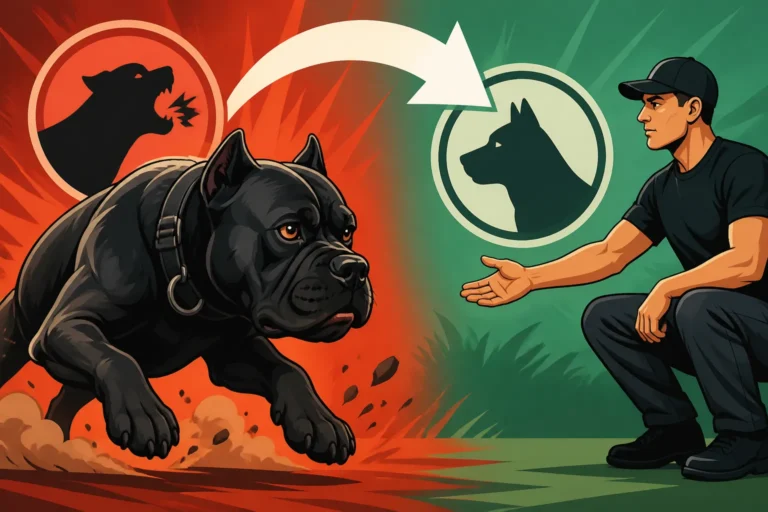
Another dangerous misconception is that a Cane Corso requires a "firm hand" in the sense of harsh corrections or dominance-based training methods. While these dogs absolutely need clear boundaries and consistent leadership, mistaking "firm" for "forceful" can have disastrous consequences, especially for a novice owner. Cane Corsos are sensitive and intelligent; they thrive on trust and respect, not intimidation. Using punitive methods can easily erode their trust, creating an anxious, fearful, or even aggressive dog that lashes out because it feels threatened or misunderstood.
A first-time owner, perhaps overwhelmed by a strong-willed puppy, might seek advice from outdated sources or trainers who advocate for "alpha rolls" or physical punishment. Such methods are not only inhumane but counterproductive for a Cane Corso. They are far more likely to produce a dog that is defensively aggressive or shut down, rather than one that is well-behaved and confident. Instead, a successful Cane Corso owner provides structure, positive reinforcement, and clear communication, earning their dog's respect through consistent, fair training. Why Dominance Methods Backfire on a Cane Corso is a crucial read for anyone considering this breed, highlighting the importance of building a cooperative relationship rather than attempting to dominate them. The idea isn't to "break" their spirit, but to guide it.
Critical Misses in Early Development
The puppy stage is absolutely paramount for a Cane Corso. These early weeks and months are where the foundation for their entire adult life is laid. Missing critical windows for socialization and consistent training can result in a dog that is fearful, reactive, or simply uncontrollable, issues that are exponentially harder to fix in a massive, powerful adult.
Failing the Socialization Window
The socialization window for puppies is brief, typically closing around 12 to 16 weeks of age. For a Cane Corso, a breed with inherent guarding instincts, this period is even more critical. During this time, a puppy needs to be safely and positively exposed to a vast array of sights, sounds, smells, people, and appropriate dogs. Think diverse environments: bustling city streets (from a distance at first), quiet parks, the vet's office, children, elderly people, people in hats, people with umbrellas, different flooring textures, loud noises like vacuums or sirens – all presented in a way that builds positive associations.
A first-time owner might not grasp the urgency or the breadth of this need. They might only take their puppy to the local dog park (which can be risky in itself) or only expose it to immediate family members. The consequence? A Cane Corso that grows up suspicious or fearful of anything unfamiliar. An adult Cane Corso that wasn't properly socialized might bark incessantly at guests, lunge at unfamiliar dogs on walks, or even be defensively aggressive towards strangers. Imagine an eight-month-old, 80-pound Cane Corso that has never seen a skateboard and now reacts with barking and lunging every time one rolls by. This isn't just an inconvenience; it's a significant safety concern for both the dog and the public. The Socialization Window a Cane Corso Puppy Gets explains just how vital this period is and what can happen when it's neglected.
Lack of Consistent Early Training
Beyond socialization, early, consistent training is non-negotiable for a Cane Corso. From the moment they arrive home, a Cane Corso puppy needs to learn basic obedience cues, house manners, and boundaries. This isn't about teaching tricks; it's about establishing communication and control. A first-time owner might delay formal training, thinking their puppy is too young or that they can "get to it later." This delay is a critical mistake. Every day a Cane Corso goes without clear guidance is a day they're learning something, and often that "something" isn't what you want.
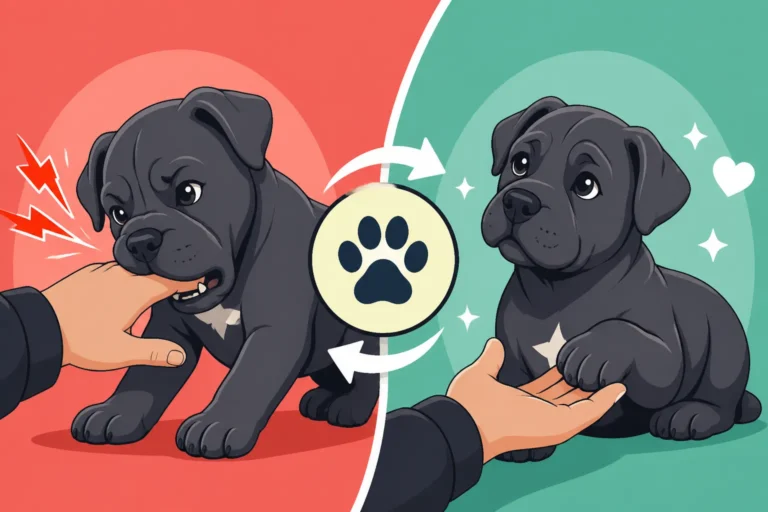
Imagine a rambunctious Cane Corso puppy jumping on visitors or nipping during play, and a first-time owner excusing it as "puppy behavior." By the time that puppy is 60 pounds and still doing it, the behavior is deeply ingrained and much harder to modify. Consistency is key, meaning every family member needs to be on the same page with rules and commands. Without this, the dog receives mixed signals, leading to confusion and a breakdown in responsiveness. Things like The Structure a Cane Corso Needs Every Single Day are not optional; they are foundational to a well-adjusted dog. Online courses, such as those offered by BAXTER & Bella, can be an invaluable resource for first-time owners seeking structured guidance from day one, helping them establish a consistent training regimen. They provide step-by-step instructions and support that can fill the knowledge gap a new owner might have.
Navigating the Powerful Guardian Instinct
The Cane Corso's guarding instinct is perhaps its most defining trait, but it's also the source of many problems for unprepared owners. This isn't just a dog that barks at the mailman; it's a dog bred to assess threats and respond, often with great physical force. Understanding and managing this instinct is paramount.
Misinterpreting Alertness for Aggression
A Cane Corso is naturally alert and observant. They are wired to notice anomalies in their environment – a car pulling up that isn't yours, a person walking past your fence a little too slowly, a new sound in the night. For a first-time owner, this alertness can be misinterpreted. They might think their dog is being "aggressive" when it's simply doing its job: observing and evaluating. The challenge lies in teaching the dog to differentiate between a genuine threat and a normal, non-threatening situation. Without guidance, their natural instinct to protect can easily escalate into inappropriate reactivity or aggression.
For example, a Cane Corso might give a deep, resonant bark and a hard stare at a stranger approaching the house. A knowledgeable owner understands this is an alert, a warning, and can intervene to de-escalate the situation, signaling to the dog that the threat is not real or that they, the owner, are handling it. A first-time owner, however, might panic, punish the bark, or even inadvertently reinforce the behavior through their own anxiety. This can lead to a dog that either feels it must act because the owner isn't, or one that becomes anxious and confused about its role. Understanding What a Cane Corso's Guardian Instinct Actually Is is crucial to avoiding these dangerous misunderstandings.
The Challenge of Managing Strangers and Visitors
Because of their strong guardian drive, Cane Corsos are not typically dogs that are immediately friendly with strangers. They reserve their affection for their inner circle and can be aloof or suspicious of outsiders. For a first-time owner who might host frequent gatherings, or who has a steady stream of repair people, delivery drivers, or family visiting, this can be a huge hurdle. Managing a large, protective dog that is wary of guests requires forethought, planning, and consistent training.
Imagine a scenario where friends come over, and your Cane Corso barks and postures at them, making everyone uncomfortable. A first-time owner might feel embarrassed and try to physically restrain the dog, which can heighten the dog's anxiety. Instead, a well-trained Cane Corso should be taught a "place" command, allowing them to retreat to a designated spot when guests arrive, observing calmly from a distance. Early and deliberate training, often starting with a puppy meeting many neutral strangers without interaction, is essential. This teaches them that new people are not necessarily threats. Without this, visits become stressful for both the dog and the people involved, and the dog learns that acting defensively "works" to keep strangers at bay.
The Demands of a Cane Corso's Lifestyle
Owning a Cane Corso isn't just about training; it's a lifestyle adjustment. These are large, active, and intelligent dogs that need specific physical and mental outlets to thrive. Neglecting these needs can lead to a host of behavioral problems.
Insufficient Exercise and Mental Stimulation
A bored Cane Corso is a destructive Cane Corso. These dogs require significant daily exercise and mental stimulation to keep them happy and well-behaved. We're not talking about a quick stroll around the block; we're talking about meaningful walks, playtime, training sessions, and enrichment activities. Ninety Minutes a Day and a Cane Corso's Mind isn't just a guideline; it's often a minimum. Without these outlets, a Cane Corso will find its own ways to entertain itself, and those ways are rarely conducive to a harmonious household.
A first-time owner might assume that a large dog will be content to simply lounge around the house or have access to a backyard. This is a recipe for disaster. A Cane Corso left to its own devices with insufficient exercise will quickly develop problematic behaviors: digging craters in the yard, chewing furniture, barking excessively, or pacing anxiously. Their powerful jaws can make short work of anything from sofa cushions to doorframes. Mental stimulation is just as crucial; puzzle toys (many available on Amazon), scent work, and consistent training keep their intelligent minds engaged. Failing to provide this holistic outlet will inevitably lead to a frustrated dog and a frustrated owner.
The Physicality of Handling a Large Dog
Managing a Cane Corso, especially one that isn't perfectly leash-trained, demands a certain level of physical capability. These dogs can easily weigh over 100 pounds, and their sheer power can be overwhelming for someone who isn't prepared. Walking a reactive Cane Corso that lunges at other dogs, for example, can be dangerous if the owner isn't strong enough to hold them back.
Many first-time owners underestimate the physical toll of living with a large breed. From simply getting them in and out of the car, to managing them at the vet, or even just preventing them from knocking over a small child with an enthusiastic tail wag, physical control is key. This isn't just about strength; it's also about technique, using appropriate gear like a well-fitted harness or head collar (again, many great options can be found on Amazon), and consistent training to ensure they understand boundaries. If an owner can't physically control their dog in a challenging situation, the dog effectively controls them, which can quickly lead to unsafe situations for everyone involved. Working an Epileptic Cane Corso Safely (though about a specific condition) also touches on the importance of managing a large dog during stressful situations, which applies more broadly to general handling.
The Unforeseen Financial and Time Commitment
Beyond the behavioral aspects, a Cane Corso brings significant financial and time commitments that often catch first-time owners off guard. These aren't cheap dogs to acquire or maintain, and cutting corners will almost always lead to bigger problems down the line.
Unexpected Costs of Training and Management
The purchase price of a well-bred Cane Corso puppy is just the tip of the iceberg. The ongoing costs, particularly for training and managing a powerful breed, can be substantial. A first-time owner might budget for food and routine vet visits, but they often overlook the critical investment in professional training. The Training Bill a Cane Corso Owner Cannot Skip is a stark reminder of this necessity. Private sessions with a qualified trainer, particularly one experienced with guardian breeds, can be expensive, but they are often essential to lay the proper foundation or address emerging issues.
Moreover, if behavioral problems arise due to a lack of early training or socialization, the costs can skyrocket. Behaviorists specializing in aggression or reactivity charge premium rates, and sometimes multiple sessions are needed. Specialized equipment, like heavy-duty crates or specific training collars, also adds up. Factor in the cost of high-quality large-breed dog food, veterinary care for potential joint issues, and the endless supply of chew toys a Cane Corso can devour, and the monthly budget quickly outpaces what many first-time owners anticipate. Without these financial resources, owners might be forced to forgo crucial training or vet care, exacerbating problems.
The Daily Time Sink of a High-Needs Dog
A Cane Corso demands a significant investment of time, every single day, for its entire life. This isn't a dog you can leave alone for ten hours while you work and expect to come home to a perfectly behaved companion. They thrive on interaction, training, and consistent routine. For a first-time owner, the sheer volume of time needed for walks, training sessions, mental enrichment, grooming, and simply supervised interaction can be overwhelming.
| Area of Commitment | First-Time Owner Expectation | Cane Corso Reality |
|---|---|---|
| Daily Exercise | A quick walk, backyard play | 60-90 minutes structured walks + mental games |
| Training | Puppy class, maybe | Ongoing daily training, professional guidance often needed |
| Socialization | Meet a few dogs/people | Deliberate, wide-ranging exposure for life |
| Mental Stim. | A few toys | Puzzle feeders, scent work, consistent challenges |
| Time Alone | Standard workday (8-9 hrs) | Max 4-6 hours, potentially less for young dogs |
| Financial | Food, routine vet | Premium food, multiple vet visits, specialist training, insurance |
This constant demand on time can strain relationships, impact social lives, and lead to burnout for an unprepared owner. If the dog isn't getting its needs met, it will inevitably develop behavioral issues, further increasing the time and stress involved. The commitment is lifelong, and it's essential to understand that this breed isn't content to simply exist in the background of your life. They want to be a central part of it.
Seeking the Right Support Systems
Recognizing the challenges is the first step; finding the right support is the second. For a first-time Cane Corso owner, having a robust network of knowledge and professional guidance is not just helpful, it's absolutely essential.
Finding a Qualified Trainer for the Breed
This might be the most crucial piece of advice for any first-time Cane Corso owner. Not all dog trainers are created equal, and not all trainers have experience with powerful guardian breeds like the Cane Corso. Engaging a trainer who understands the specific temperament, drives, and potential challenges of the breed is non-negotiable. Look for trainers who use positive reinforcement, force-free methods, and have demonstrable experience working with large mastiff-type dogs. Ask for references, observe classes, and ensure their philosophy aligns with building a trusting relationship with your dog.
A good trainer won't just teach your dog commands; they'll teach you how to understand and communicate effectively with your Cane Corso. They can help you navigate common puppy issues, address adolescent rebellion, and provide strategies for managing their guardian instincts safely and responsibly. Group Classes Versus Private Work for a Cane Corso highlights the different avenues for training, and often a mix of both is beneficial for a first-time owner. Private lessons can address specific issues more quickly, while group classes provide valuable controlled socialization opportunities. Online platforms like BAXTER & Bella can also be a fantastic starting point, offering comprehensive curriculum and access to trainers who can guide new owners through the fundamentals before, or in conjunction with, in-person training.
Building a Network of Knowledge and Resources
You don't have to go it alone. Connecting with other Cane Corso owners, reputable breeders, and breed clubs can provide an invaluable support system. These communities offer a wealth of practical advice, shared experiences, and a sounding board for your concerns. Experienced owners have often faced the same frustrations and can offer real-world solutions.
Joining online forums dedicated to the breed, attending local breed-specific events (if available), or even finding a mentor through your breeder can be incredibly beneficial. Learning to Read a Cane Corso's Body Language at a Distance is a skill best honed with experienced eyes guiding you. You'll gain insights into everything from appropriate exercise levels to dealing with specific behavioral quirks that are common to the breed. Having this network allows you to tap into collective wisdom, prevent problems before they escalate, and feel less isolated when challenges inevitably arise. Remember, while friends and family mean well, they likely don't have the specific experience needed to guide you through Cane Corso ownership.
Conclusion
Bringing a Cane Corso into your life as a first-time dog owner is a monumental undertaking that many underestimate. It's not just about getting a dog; it's about committing to a lifestyle where the needs of a powerful, intelligent, and instinctively protective animal are paramount. From understanding their innate intensity and providing crucial early socialization and training, to meeting their demanding exercise requirements and budgeting for significant financial investments, every aspect requires careful consideration and consistent effort. While the loyalty and companionship of a well-raised Cane Corso are incredibly rewarding, the journey is not for the faint of heart or the unprepared. By being realistic about the challenges and actively seeking out the right support and knowledge, you can set yourself and your Cane Corso up for a successful and fulfilling life together.
Disclaimer
This article is for general informational purposes only and does not constitute professional advice. Laws, prices and regulations vary by location and change over time. Consult a qualified professional for guidance on your specific situation.