Supervising a Cane Corso With Children on the Floor
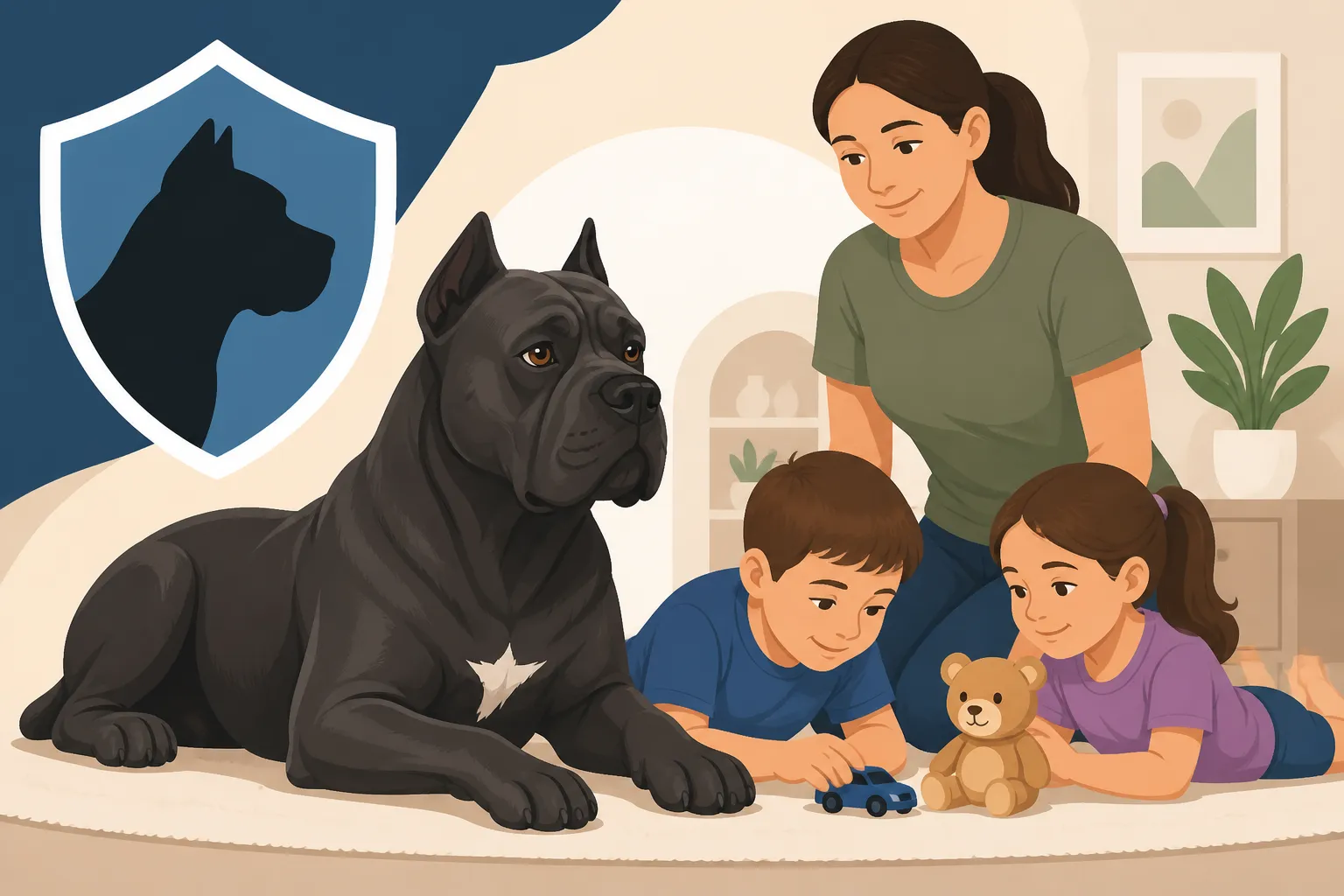
Bringing a magnificent Cane Corso into a home with young children on the floor can feel like a delicate balancing act, full of joy but also undeniable worry. Many of us grapple with the sheer size and power of these incredible dogs, wondering how to ensure everyone coexists safely and happily without constantly holding our breath. This guide is here to walk you through exactly how to supervise your Cane Corso with children, focusing on practical steps, critical boundaries, and the proactive strategies that create peace of mind.
Understanding the Cane Corso's Nature Around Little Ones
Let's be real: a Cane Corso is a big dog. Even the most gentle, well-meaning giant can unintentionally knock over a toddler with a wag of their powerful tail or a sudden burst of playful energy. It's not about malice; it's physics. Before we even talk about training, it's vital to have a grounded understanding of what makes your Cane Corso tick, especially when tiny humans are involved.
The Instinct to Guard and Protect
Cane Corsos were historically bred to be guardians—of property, livestock, and family. This isn't just a cute breed trait; it's a deep-seated instinct. When you have children, especially little ones, your Cane Corso will naturally view them as part of their "flock" to protect. While this sounds wonderful, it comes with a caveat. Their protective instincts can sometimes manifest as being overly vigilant, barking at strangers approaching your child, or even trying to insert themselves between your child and perceived threats, even if those "threats" are just harmless friends coming over for a playdate. It's crucial to understand that this instinct needs careful channeling, not suppression. We want a dog that can discern genuine threats, not one that sees everything new or unknown as dangerous. What a Cane Corso's Guardian Instinct Actually Is delves deeper into this inherent trait.
Size, Strength, and Accidental Collisions
A fully grown Cane Corso can easily weigh over a hundred pounds, some even significantly more. Imagine a large, solid piece of furniture moving with enthusiasm. Even without aggression, this can be a serious hazard for small children. A playful jump, a sudden pivot, or an attempt to "herd" a running child can lead to a tumble, scrapes, or worse. Their powerful jaws, even in gentle play, could accidentally hurt a child's delicate skin if they grab a toy too enthusiastically or get overstimulated. This isn't about fear-mongering, but acknowledging the physical realities of sharing a home with such a magnificent, strong animal. The sheer difference in size and strength means that a Cane Corso's interactions with children must always be managed with a higher degree of awareness than with, say, a miniature poodle. The Cane Corso That Knocks Small Children Over explores preventing these kinds of accidents.
Establishing Clear Boundaries and Training for Both Dog and Child
Safety around children isn't just about training your dog; it's equally about teaching your children how to interact respectfully and safely. It's a two-way street that requires consistent effort from every member of the household, starting with you.
Teaching Your Cane Corso Foundational Commands
Before any child enters the picture, or as soon as possible if they're already there, your Cane Corso needs to be rock-solid on a few key commands. These aren't just parlor tricks; they're vital safety tools.
- "Place" or "Mat" Command: This is perhaps the most critical. Your dog should be able to go to a designated spot (a bed, a mat, a cot) and stay there until released, regardless of what's happening around them. This allows you to create distance when children are active, when guests arrive, or when your Corso simply needs a break. Practice this command frequently, rewarding calm duration. Look for sturdy, elevated cots or comfortable mats on Amazon that can withstand a Cane Corso's weight and provide a clear "place." The Place Command That Saves a Cane Corso Household provides further guidance.
- "Leave It" and "Drop It": These commands are non-negotiable. "Leave It" means don't touch that food on the floor, don't pick up that dropped toy, don't grab the child's hand. "Drop It" means immediately release whatever is in their mouth. These are life-savers, especially with curious children who might leave small objects within reach or accidentally drop food.
- Polite Greetings: Teach your Cane Corso to greet people (especially children) without jumping. All four paws on the floor is the rule. This takes patience and consistency, often involving turning away if they jump and only engaging when they are calm. A strong "off" command can also be helpful here.
For parents who feel overwhelmed, reputable online training programs like those offered by BAXTER & Bella can be incredibly helpful. They provide step-by-step guidance that you can follow at your own pace, ensuring you're building a solid foundation for your dog's behavior in a busy family environment.
Setting Rules for Children's Interactions
Children, by nature, are impulsive and don't always understand dog body language. It's your job to teach them the rules of engagement with your Cane Corso, and to enforce them constantly.
- No Disturbing a Sleeping or Eating Dog: This is absolute. Children must learn that if the dog is sleeping in their bed or crate, or if they are eating from their bowl, they are off-limits. Most dog bites to children happen when a child invades a dog's personal space during these vulnerable times. Teach them to "let sleeping dogs lie."
- Gentle Hands Only: No hitting, pulling ears or tails, riding the dog, or poking. Demonstrate how to pet gently on the shoulders or chest, avoiding the face or tail.
- Respect Boundaries: Teach children that the dog's crate, bed, or "place" mat is their safe space. They should not follow the dog into these areas.
- "Ask First": Encourage children to always ask an adult before approaching or petting any dog, even their own. This instills a lifelong habit of respect and caution.
- No Rough Play with the Dog: Wrestling, chasing, or screaming games can easily overstimulate a Cane Corso, leading to accidental nips or jumps. Direct their roughhousing energy towards human-only games. Rules a Child Living With a Cane Corso Must Know further elaborates on these crucial guidelines.
Creating Safe Zones and Actively Supervising Interactions
Even with the best training, constant, active supervision is your most powerful tool. It's not enough to be in the same room; you need to be engaged in what's happening.
Establishing Physical Barriers
Physical barriers are your secret weapon in creating a harmonious home. They allow you to manage situations before they escalate and provide both your dog and children with much-needed personal space.
- Baby Gates: Invest in sturdy, tall baby gates that can withstand a Cane Corso's lean. Use them to block off rooms, create a dog-free zone for children to play, or give your dog a quiet retreat. Place gates strategically in doorways to create separate spaces where your dog can be on one side and your children on the other, allowing them to still see and hear each other without direct interaction when you can't be 100% focused.
- Crates: A crate isn't just for house training. It's a safe den for your Cane Corso, a place where they can relax undisturbed. When children are particularly boisterous, or you need to step away for a moment, the crate can be an invaluable tool. Ensure the crate is large enough for your Corso to stand, turn around, and lie down comfortably. Many large, heavy-duty crates suitable for a Cane Corso are available on Amazon.
- Playpens for Children: Sometimes, it's easier to contain the children than the dog. A large, sturdy playpen can give your toddler a safe, dog-free area to play on the floor while your Cane Corso is loose in the same room but in their "place" or simply observed from a distance. This allows the dog to habituate to the sounds and movements of the child without direct contact.
The Art of Active Supervision
Active supervision means more than just being present. It means being fully aware of the dynamics between your dog and child, anticipating potential issues, and intervening before a problem arises.
- Be a "Human Barrier": Physically position yourself between your Cane Corso and your child, especially during initial interactions or when either is excited. This visual cue can help both understand boundaries.
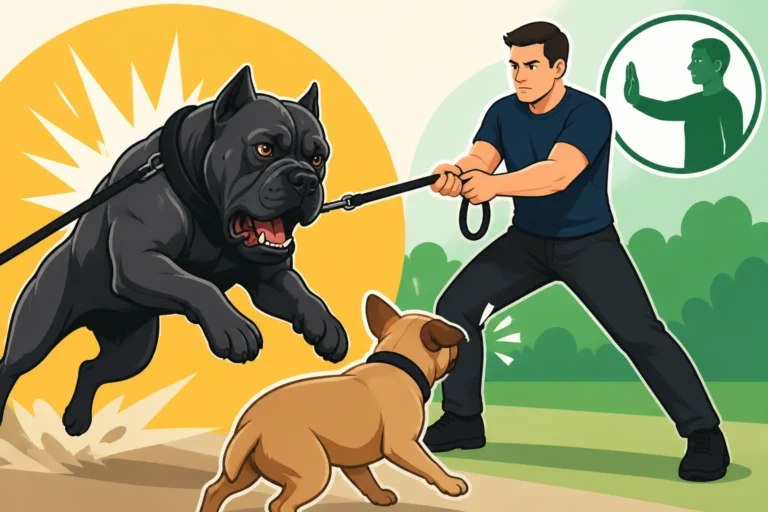
- Manage Excitement: Cane Corsos can get excited easily, especially when children run or make high-pitched noises. If you see your Corso getting wound up, redirect their energy. Ask them to go to their "place" or engage them with a calming chew toy away from the children. You might even use a long line on your Cane Corso during these times, especially outdoors, to maintain control without constant verbal correction. Using a Long Line With a Cane Corso offers more details.
- Short, Positive Interactions: Don't force long interactions. Short, positive, supervised sessions are much better. If your dog and child are interacting nicely for a few minutes, end it on a good note before anyone gets overstimulated.
- Watch for Overlaps: Be particularly vigilant when children have food, toys, or are lying on the floor. These are high-value situations for a dog and can trigger resource guarding or simple curiosity that can lead to accidental nips. Never allow your Cane Corso to 'steal' food from a child, even if it's "just crumbs."
| Do This When Supervising | Avoid This When Supervising |
|---|---|
| Actively Engage: Watch body language, anticipate moves. | Distracted Supervision: Don't rely on "I'm in the room." |
| Use Barriers: Gates, crates, and playpens are your friends. | Leaving Them Unattended: Even for "just a second." |
| Teach "Place" Command: Give your dog a safe retreat. | Punishing Growls: It's a warning, not an act of aggression. |
| Teach Children Rules: Gentle hands, no disturbing rest. | Allowing Rough Play: It escalates excitement dangerously. |
| Reward Calm Behavior: Praise quiet interactions. | Ignoring Subtle Cues: A lick lip or yawn can mean stress. |
| Provide Dog with Outlets: Chews, walks, training. | Forcing Interactions: Let the dog approach on their terms. |
Recognizing Warning Signs and Knowing When to Intervene
Your Cane Corso will tell you when they're uncomfortable, if you know how to listen. Learning to read their body language is paramount to preventing incidents. Children, too, can give off signals that an interaction is going south.
Deciphering Your Cane Corso's Body Language
Dogs don't speak English, but they communicate constantly through their posture, facial expressions, and movements. Understanding these signals is key to proactive supervision.
- Subtle Stress Signals: A Cane Corso that is uncomfortable might yawn repeatedly (when not tired), lick their lips, turn their head away, avoid eye contact, freeze momentarily, or show "whale eye" (where the whites of their eyes are visible). These are early warnings that the dog is stressed and needs space.
- Escalating Warnings: If ignored, stress signals can escalate to a stiff body, a low growl, a raised hackle, or a quick snap in the air. These are not signs of a "bad" dog, but a dog desperately trying to communicate their need for space. Punishing a growl teaches a dog not to warn you, making future incidents more dangerous because you lose their early communication. Reading a Cane Corso's Body Language at a Distance can help you hone this critical skill.
- Over-Excitement: Sometimes, the problem isn't fear or aggression, but pure over-excitement. A bouncy, mouthy, overly playful Cane Corso can still inadvertently hurt a small child. Look for frantic tail wags, play bows followed by lunging, or exaggerated movements. These are signs to intervene and calm things down.
Recognizing Concerning Child Behavior
It's not always the dog. Children can also display behaviors that put themselves at risk.
- Loud Noises and Sudden Movements: Young children are naturally noisy and unpredictable. High-pitched screams, sudden dashes, or flailing arms can trigger a dog's prey drive or simply startle them, leading to a reactive response.
- Invading Personal Space: Children often don't understand personal space. They might crawl into a dog's bed, reach into their food bowl, or try to hug the dog's neck. These are all high-risk behaviors that require immediate redirection.
- Ignoring Warnings: Sometimes a child, especially an older one, might deliberately tease or ignore a dog's warnings. This is a serious issue that needs firm correction and education about respecting animals.
When to Separate and Intervene
As soon as you notice any signs of discomfort from your Cane Corso, or any concerning behavior from your child, it's time to intervene. Don't wait.
- Immediate Separation: The simplest and safest intervention is to separate. Use your "place" command for your dog, or gently move your child to another room. Give both parties a chance to decompress.
- Redirection: For a dog showing mild stress, redirect them to a calming activity, like a puzzle toy or a chew in their crate. For a child, redirect their attention to a human-only game.
- Teach Your Child to Retreat: Empower your child with the knowledge that if they feel scared or the dog seems "grumpy," they should calmly walk away and find an adult.
- Assess and Learn: After any concerning interaction, take a moment to understand what happened. What triggered the dog's response? What was the child doing? Use this as a learning opportunity to prevent future issues. Remember, your goal is to build a safe, respectful, and joyful relationship between your Cane Corso and your children, and that comes from consistent effort and vigilant supervision. Raising a Cane Corso Around Small Children is another great resource for building that safe environment.
Disclaimer
This article is for general informational purposes only and does not constitute professional advice. Laws, prices and regulations vary by location and change over time. Consult a qualified professional for guidance on your specific situation.