Whether Protection Sport Makes a Cane Corso Dangerous
It’s a question that keeps a lot of prospective Cane Corso owners up at night, and frankly, it's a fear that's often stoked by sensationalized media or well-meaning but misinformed friends: "Will engaging my Cane Corso in protection sports turn them into a dangerous, unpredictable animal?" The thought of having a dog that is too powerful, too aggressive, or out of control is terrifying, especially with a breed as imposing as the Cane Corso. This guide is here to cut through the noise, clarify what protection sports actually are, and help you understand how responsible training, far from making your Cane Corso dangerous, can actually create a highly stable, well-behaved, and incredibly loyal companion.
Understanding Protection Sports and the Cane Corso Temperament
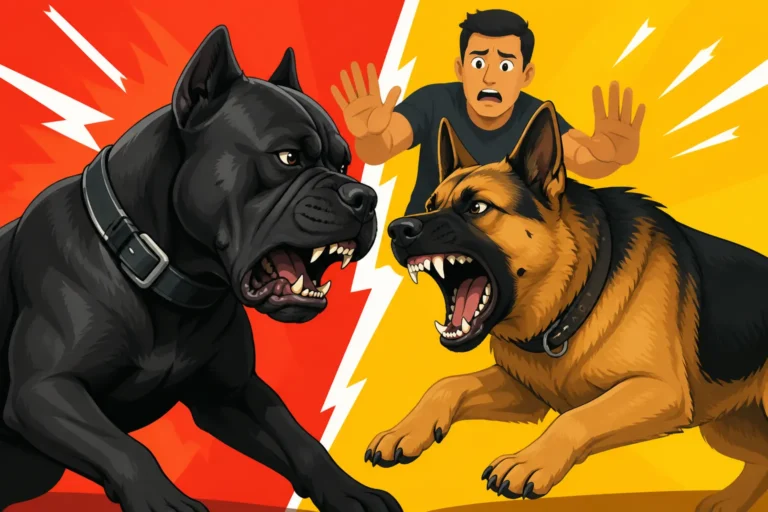
Let’s be honest, the term "protection sport" conjures up images for many people of dogs snarling, biting, and being intentionally riled up to be aggressive. And while there’s a kernel of truth to the biting part, the aggressive, uncontrollable monster image couldn't be further from the reality of properly trained protection dogs, especially for a breed like the Cane Corso.
What Protection Sports Actually Entail
When we talk about protection sports like Schutzhund (now IGP), French Ring, or Mondioring, we're not talking about simply teaching a dog to bite. Far from it. These are highly structured, disciplined canine sports that test a dog's intelligence, obedience, courage, and athleticism. A protection sport dog must first and foremost be obedient. They must respond instantly to their handler, perform complex tasks, and demonstrate immense self-control.
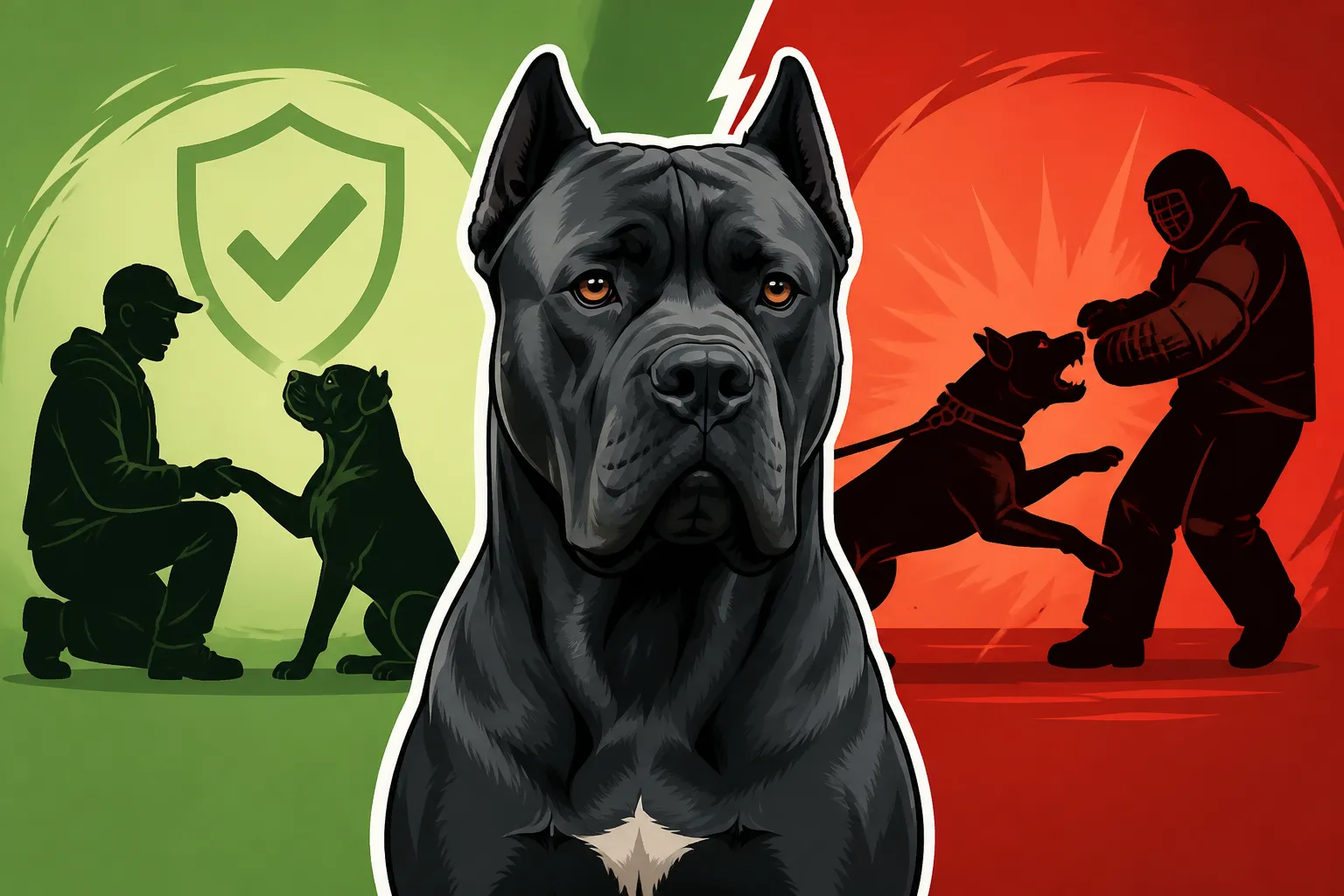
The "protection" aspect involves a dog learning to engage a "decoy" (a highly trained person wearing protective gear) on command, to deter a perceived threat, and then, crucially, to release the bite and return to their handler on command. This isn't about fostering indiscriminate aggression; it's about channeling a dog's natural protective instincts into a controlled, sport-specific outlet. Think of it like a martial artist learning self-defense; they gain incredible power and discipline, but a responsible martial artist doesn't randomly attack people. The dog learns to differentiate between a threat (the decoy in a specific scenario) and everyday life. The mental clarity required for these tasks is immense, and it demands a stable, confident dog, not a fear-reactive or overly aggressive one.
The Cane Corso's Natural Guardian Instinct
The Cane Corso, as many of us know, was historically bred for guarding property and livestock, and even for hunting large game. This means they come pre-loaded with a powerful, innate guardian instinct. They are naturally observant, discerning, and possess a strong desire to protect their family and territory. This isn't aggression; it's a deep-seated drive to keep their loved ones safe. For centuries, they were the farmer's dog, the guard of the Guarding the Masseria in Southern Italy.
Protection sports tap into these natural instincts. A good trainer doesn't create aggression in a Cane Corso; they channel the dog's existing protective drive, teaching them when and how to use it appropriately, and equally important, when not to. The goal is always control. A Cane Corso that is truly dangerous is one whose natural instincts are untrained, undirected, and potentially fueled by fear or insecurity. A well-trained Cane Corso in protection sport is often one of the most stable and balanced dogs you'll meet, precisely because their drives have been understood, managed, and given a productive outlet. What a Cane Corso's Guardian Instinct Actually Is delves deeper into this inherent trait.
Dispelling Myths About Aggression Training
Let's tackle some of the pervasive myths head-on. Many people believe protection training makes a dog aggressive towards strangers, makes them unpredictable, or that trainers "ruin" dogs by making them mean. This couldn't be further from the truth in reputable programs.
Firstly, a truly aggressive or unstable dog is a liability in protection sports. Dogs that are fear-aggressive, handler-aggressive, or indiscriminately aggressive typically fail out of these programs early on. Why? Because they lack the mental stability and obedience required to perform the complex tasks. A dog that bites randomly or cannot be called off is useless, and dangerous, in a sport that relies on precision and control. You might hear people talk about needing a "firm hand" for a Cane Corso, but this often leads to a misunderstanding. The Firm Hand a Cane Corso Is Said to Need clarifies that true leadership comes from clear communication and consistency, not brute force, which can actually foster insecurity and aggression.
Secondly, a properly trained protection dog is usually highly socialized and confident. They learn that the world is a generally safe place, but they also understand that they have a job to do if a specific threat arises and their handler commands it. This confidence actually makes them less likely to be randomly reactive or fearful, because they know their role and trust their handler. Poorly socialized dogs, on the other hand, can be Whether a Cane Corso Can Be Socialized After a Year with much more difficulty than a puppy who The Socialization Window a Cane Corso Puppy Gets.
The Role of Training and Handler Responsibility
The success and safety of a Cane Corso in protection sports, or any training really, hinges almost entirely on two factors: the quality of the training and the responsibility of the handler. You can have the most naturally talented dog in the world, but without these two elements, things can go sideways.
Importance of a Qualified Trainer
This is perhaps the most critical factor. Choosing the right trainer for protection work is not like picking someone to teach your dog to sit. You need a trainer who deeply understands canine behavior, breed-specific drives, and the intricacies of protection sports. They should prioritize safety, control, and developing a well-rounded dog above all else. A qualified protection trainer will:
- Evaluate your dog's temperament rigorously: They won't just take any dog into protection work. They'll assess drives, nerves, confidence, and biddability. A dog with poor nerves or inherent aggression will be screened out.
- Focus on foundational obedience: Before any bite work begins, your Cane Corso needs rock-solid obedience. This includes commands like sit, stay, down, recall, and a reliable "out" (release of the bite). Without this, you have no control. Programs like BAXTER & Bella offer excellent online resources for building this foundation.
- Emphasize control and channeling drives: They teach the dog when to engage and, more importantly, when to disengage. The "off switch" is paramount.
- Educate the handler: A good trainer doesn't just train the dog; they train you. You need to understand the principles, the commands, and how to manage your dog both on and off the field.
Never settle for a trainer who promises to make your dog "mean" or who uses harsh, fear-based methods. This can backfire disastrously and create a truly dangerous animal. Instead, look for someone with certifications, a good reputation, and who prioritizes positive reinforcement and clear communication. What to Look For in a Cane Corso Trainer details how to vet professionals for your powerful companion.
Building a Strong Foundation of Obedience
Before a Cane Corso ever touches a bite sleeve, they need to be a supremely obedient dog in everyday life. This means:
- Reliable Recall: Your dog must come when called, no matter the distraction. This is a life-saving command.
- Solid Stays and Place Work: Being able to send your Cane Corso to a "place" (like a mat or cot) and have them stay there until released is vital for managing them in various environments, especially when guests are over. The Place Command That Saves a Cane Corso Household is invaluable here.
- Loose Leash Walking: A Cane Corso that drags you down the street isn't in control, and neither are you. Mastering leash manners early is non-negotiable for such a powerful breed.
- Impulse Control: Teaching your dog patience, waiting for permission, and not reacting to every stimulus is fundamental. This means waiting at doors, not snatching treats, and ignoring distractions.
Without this foundation, adding protection work is like building a skyscraper on quicksand. The dog needs to understand that you are the leader and that your commands are absolute. This isn't about dominance in the old-fashioned sense, but about clear communication and trust. Whether Balanced Training Suits a Cane Corso discusses different training philosophies and their suitability for this breed.
The Ongoing Commitment Required
Owning a Cane Corso, let alone one involved in protection sports, is a marathon, not a sprint. The training never truly ends.
- Consistency is Key: You need to be consistent with commands, rules, and boundaries every single day. A Cane Corso thrives on routine and clear expectations. Inconsistency creates confusion, which can lead to behavioral issues.
- Regular Training Sessions: Both formal protection training and everyday obedience practice need to be ongoing. Just like an athlete, a protection dog needs to stay in shape, both physically and mentally.
- Responsible Management: Even a perfectly trained protection dog needs responsible management. This means understanding their boundaries, supervising interactions, and making smart decisions about where and when they are exposed to novel situations. It also means being vigilant about Reading a Cane Corso's Body Language at a Distance to preempt potential issues. You wouldn't leave a loaded gun lying around, and you shouldn't treat a powerful, trained dog without similar respect for their capabilities.
Potential Risks and How to Mitigate Them
While protection sports, when done correctly, build stable dogs, it’s also important to be realistic. There are risks involved, particularly if corners are cut or if the dog's inherent temperament isn't suitable. Understanding these risks allows you to proactively mitigate them.
When Protection Training Goes Wrong
The dangers associated with protection training usually stem from one of a few common pitfalls:
- Incompetent Trainers: A trainer who doesn't understand canine behavior, uses overly aggressive tactics, or attempts to "make" a dog aggressive through fear or pain can create a truly dangerous animal. This dog might become fear-reactive, unpredictably aggressive, or even turn on its handler.
- Unsuitable Dogs: Not every Cane Corso, despite their breed history, is suitable for protection sports. Dogs with weak nerves, high anxiety, extreme fearfulness, or inherent aggression are poor candidates. Forcing such a dog into bite work will likely exacerbate their issues, making them a menace. What an Anxious Cane Corso Looks Like can help you identify if your dog has underlying issues that need addressing before considering such training.
- Irresponsible Owners: Even with a great trainer and a good dog, an irresponsible owner can ruin everything. If the owner doesn't follow through on homework, reinforce obedience, or manage their dog appropriately outside of training, the dog can become confused and unreliable. This is why it's said Why a Cane Corso Is Not a First Dog for owners lacking experience in high-drive breeds.
The Importance of Socialization
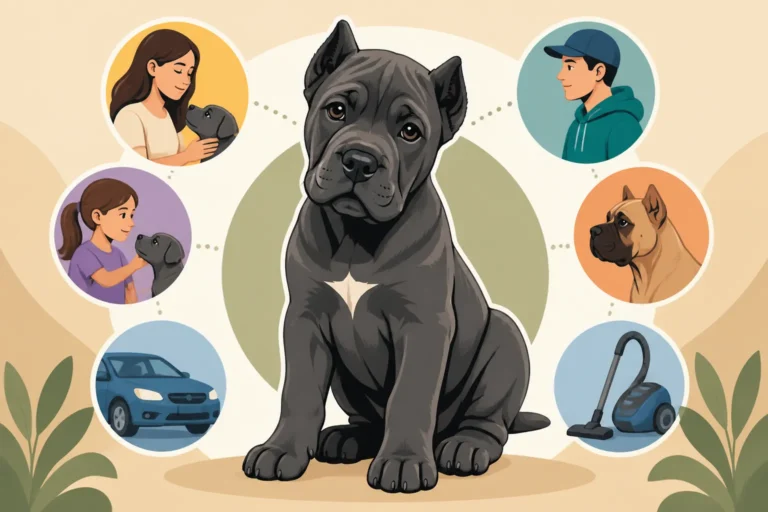
Proper socialization is the bedrock of a stable protection dog. It's about exposing your Cane Corso puppy to a wide variety of sights, sounds, people, and appropriate environments during their critical developmental window. This teaches them that the world is generally safe and that not everything is a threat.
A well-socialized Cane Corso is confident, rather than fearful or reactive. They might be reserved with strangers, which is characteristic of the breed, but they shouldn't be aggressive or panicked. An unsocialized Cane Corso, especially one with a strong guardian drive, can easily become fear-aggressive towards novel stimuli, strangers, or other dogs. This is a recipe for disaster, whether they are in protection sport or not. Socialization isn't just about meeting other dogs; it's about building resilience and neutrality in all kinds of situations.
Recognizing and Addressing Behavioral Issues
Even with the best intentions, dogs are individuals, and behavioral issues can arise. It's crucial for a Cane Corso owner to be vigilant and proactive.
Signs to watch for:
- Unprovoked aggression: Snapping, growling, or lunging at people or dogs without clear provocation.
- Fearfulness: Excessive shyness, trembling, hiding, or panic in new situations.
- Resource guarding: Aggression over food, toys, or space, even with family members.
- Lack of impulse control: Inability to settle, constant demand barking, or an inability to follow commands when stimulated.
If you observe any concerning behaviors, it's vital to seek professional help immediately from a certified behaviorist or a very experienced trainer. Do not ignore these signs, hoping your dog will "grow out of it," especially with a breed of this size and power. Early intervention can prevent minor issues from escalating into major problems. Whether a Cane Corso Can Be Taught Not to Guard is an example of a common issue that needs expert guidance.
| Characteristic | Well-Trained Protection Cane Corso | Dangerous/Poorly Trained Cane Corso |
|---|---|---|
| Temperament | Confident, stable, discerning, calm | Fearful, anxious, unpredictable, reactive |
| Obedience | Impeccable, instant recall, solid stays | Inconsistent, ignores commands, pulls on leash |
| Socialization | Neutral with strangers, tolerant of new environments | Reactive to novelty, suspicious/aggressive towards strangers/dogs |
| Bite Work | Controlled on command, clear "off switch," sport-specific | Uncontrolled, indiscriminate, handler struggles to call off |
| Handler Relationship | Strong bond, trust, clear communication, respected leader | Weak bond, fear/frustration, dog ignores handler |
| Everyday Behavior | Well-mannered, integrates into family life, reliable | High-strung, destructive, territorial without command |
How to Ensure a Safe and Balanced Protection Dog
The ultimate goal for any Cane Corso owner, whether they engage in protection sports or not, is a safe, balanced, and happy dog. Here's how to achieve that when considering or participating in protection work.
Selecting the Right Puppy or Adult Dog
It all starts here. Not every Cane Corso is destined for protection sports, and that's perfectly fine. If you are interested, look for specific traits:
- Stable Temperament: This is non-negotiable. Look for puppies who are confident but not overly pushy, curious but not reckless, and recover quickly from startling sounds or new experiences. Observe the parents if possible; temperament is often inherited.
- Good Drives: You want a dog with good "prey drive" (the desire to chase and tug) and "fight drive" (the desire to engage and win in a play context), but always in balance with "nerve strength" (ability to handle pressure). These drives are channeled, not suppressed, in protection work.
- Biddability: While Cane Corsos can be independent, a good protection dog needs to be biddable and eager to work with their handler. A dog that is constantly fighting you will not excel, and the training process will be frustrating and potentially unsafe. Reading a Cane Corso's DNA Results Before You Buy can even give insights into genetic health, which indirectly affects temperament stability.
If you're getting an adult dog, whether from a breeder or a rescue, spend significant time assessing their temperament. A dog with a history of aggression or severe anxiety is not a good candidate for protection work.
Integrating Training into Daily Life
Protection sport is a specific activity, but its principles should permeate your daily life with your Cane Corso.
- Consistent Leadership: You are the leader in all aspects. This means setting clear rules, enforcing boundaries, and providing guidance. Your dog looks to you for direction.
- Obedience Everywhere: Practice obedience in various environments – at home, in the park, at the pet store. Your Cane Corso should be responsive to commands regardless of distractions.
- Mental Stimulation: Protection dogs are intelligent and need mental challenges. Incorporate puzzle toys, scent work, and new obedience exercises into their routine. A bored Cane Corso can be a destructive Cane Corso. You can find excellent puzzle toys and durable chew items on Amazon to keep their minds engaged.
- Physical Exercise: While not always about high-impact activities, your Cane Corso needs appropriate physical exercise to burn off energy and stay healthy. Ninety Minutes a Day and a Cane Corso's Mind discusses the importance of this.
- Exposure to Novelty: Continue to expose your Cane Corso to new (safe) experiences, people, and places. This maintains their confidence and ensures they remain neutral and well-adjusted.
Continuous Evaluation and Management
Even with the best training, things can change. Dogs age, circumstances shift, and new challenges arise.
- Regular Temperament Checks: Periodically assess your dog's behavior. Are they still confident? Are they reacting appropriately? Is anything new causing stress or reactivity?
- Health Checks: Pain or underlying health issues can significantly impact a dog's temperament and behavior. Regular vet check-ups are essential. The Age a Cane Corso Is Counted as Old and What Senior Bloodwork Shows on a Cane Corso highlight the importance of late-life vigilance.
- Responsible Management in Public: Your trained Cane Corso, while highly capable, should always be managed responsibly in public. This means leashes, appropriate supervision, and potentially even a muzzle if required by law or if you are in a situation where it's safer for everyone. Why Every Cane Corso Should Be Muzzle Trained Early is a proactive step every Cane Corso owner should consider.
- Honest Self-Assessment: Are you still capable of handling your Cane Corso effectively? Are you consistent? Are you meeting their needs? Be honest with yourself and seek help if you feel overwhelmed or out of your depth.
Ultimately, protection sport doesn't inherently make a Cane Corso dangerous. What makes any dog dangerous is a combination of poor genetics, lack of proper socialization, incompetent training (or no training at all), and irresponsible ownership. When done correctly, with a stable dog, a qualified trainer, and a committed owner, protection sports can be a rewarding way to deepen your bond, provide an outlet for your Cane Corso's natural abilities, and foster a highly disciplined, confident, and incredibly well-controlled companion. The key is always responsibility, knowledge, and an unwavering commitment to your dog's well-being.
Disclaimer
This article is for general informational purposes only and does not constitute professional advice. Laws, prices and regulations vary by location and change over time. Consult a qualified professional for guidance on your specific situation.