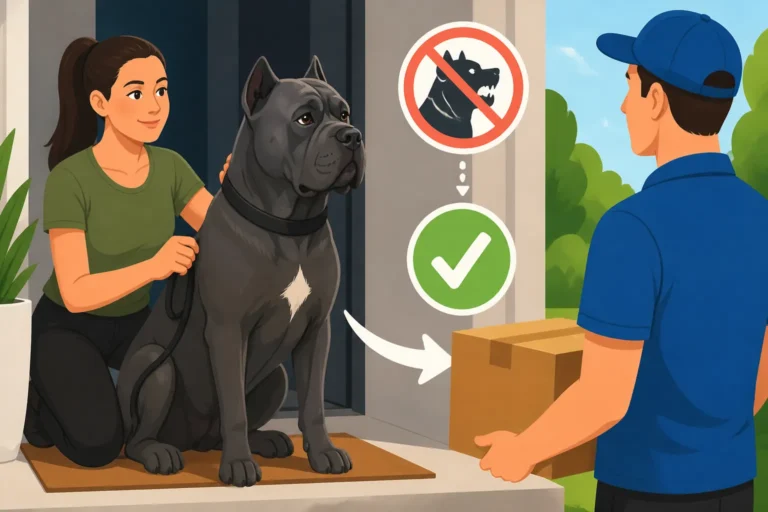
The Firm Hand a Cane Corso Is Said to Need
When you start looking into bringing a Cane Corso into your life, you'll inevitably hear the phrase "you need a firm hand" or "they need a strong leader." This common piece of advice, while well-intentioned, often gets twisted into something that's not only unhelpful but genuinely harmful to a powerful, sensitive breed like the Cane Corso. This guide will unpack what truly constitutes effective leadership for your Cane Corso, clarifying the difference between true firmness and misguided harshness, and showing you how to build a relationship based on respect, trust, and clear communication.
What "A Firm Hand" Truly Means for a Cane Corso
Many people hear "firm hand" and immediately think of physical corrections, yelling, or an intimidating presence. But for a Cane Corso, a truly "firm hand" has nothing to do with aggression or physical dominance. It's about being a clear, consistent, and confident leader who sets boundaries, communicates expectations, and earns respect through fair treatment, not fear. It's about showing them the world in a way that builds their confidence, rather than knocking it down.
Beyond Dominance: It's About Leadership, Not Force
The old-school idea of "dominance theory"—that you must constantly assert yourself as the "alpha" over your dog, often through confrontational methods—has been largely debunked by modern animal behavior science. This approach can be particularly damaging for a Cane Corso, a breed that is already inherently protective and discerning. Trying to "dominate" a Cane Corso can easily backfire, leading to a dog that is fearful, reactive, or even aggressively defensive because its trust has been broken. Instead, think of yourself as a wise, benevolent parent figure.
True leadership with a Cane Corso is built on a foundation of trust and mutual respect. It means guiding your dog, teaching them what you want them to do, and consistently reinforcing those behaviors. It's about being reliable, predictable, and fair. A Cane Corso needs to know that you are in charge, not in a tyrannical way, but in a way that provides safety and structure. They need to believe that you will handle situations, big or small, competently and calmly, so they don't feel the need to take on the responsibility themselves. This creates a secure and confident dog, rather than one constantly on edge or trying to prove itself.
For example, imagine you're out on a walk and another dog barks aggressively from behind a fence. A "force-based" approach might involve yanking your Cane Corso's leash and scolding them for even looking at the other dog. A "leadership-based" approach, however, means you remain calm, gently guide your dog past the distraction, perhaps with a high-value treat, and reward them for continuing to walk calmly with you. You've shown them that you are handling the situation, and there's no need for them to escalate. This is the essence of a firm hand – calm, consistent guidance.
The Critical Role of Consistency and Predictability
For a Cane Corso, consistency isn't just a good idea; it's absolutely paramount to their emotional well-being and successful training. These are intelligent dogs that thrive on routine and clear expectations. If the rules are constantly changing, or if one family member allows a behavior that another punishes, your Cane Corso will become confused, anxious, and ultimately, less likely to trust or respond reliably to anyone. Think about how confusing it would be if the traffic laws changed daily – you'd be stressed and unsure how to proceed. It's no different for your dog.
Every interaction, every command, and every boundary needs to be handled consistently by everyone in the household. This means deciding beforehand what is allowed (e.g., "Is the dog allowed on the couch?") and sticking to it. If the dog is not allowed on the couch, never allow it, not even "just this once." If they are taught to "wait" at the door before going out, every single time, they will learn to anticipate and perform that behavior without question. This predictability provides a sense of security for your Cane Corso, reducing stress and empowering them to make the right choices because they know what's expected.
Without consistency, you're essentially speaking a different language to your dog every day. They might pick up bits and pieces, but they'll never truly understand the full conversation. This often leads to dogs being labeled "stubborn" or "disobedient" when, in reality, they're just confused. Make a family meeting mandatory to ensure everyone is on the same page regarding rules and commands. Practice commands the same way, using the same words and hand signals. This consistent framework is how a Cane Corso learns to operate confidently within your home and in the world. The Structure a Cane Corso Needs Every Single Day goes into this in more detail.
Setting Clear Boundaries and Expectations
A "firm hand" also means setting clear, unwavering boundaries from the moment your Cane Corso puppy steps into your home. These boundaries aren't meant to restrict your dog unnecessarily but to define their place in your family structure and ensure a harmonious household. A Cane Corso needs to understand what is theirs, what is yours, and what behaviors are acceptable. This clarity is a kindness; it reduces uncertainty and empowers them to succeed. They aren't left guessing, which can be a huge relief for a dog with protective instincts.
Consider a Cane Corso puppy who is allowed to chew on furniture one day and then scolded the next. This is a recipe for confusion and frustration for both dog and owner. Instead, clearly define what they can chew (appropriate chew toys, perhaps from a selection found on Amazon) and what they cannot. When they chew on something inappropriate, calmly redirect them to an approved toy. The boundary is clear: furniture is off-limits, but these specific toys are great! This applies to everything from jumping on guests to begging at the dinner table.
Having clear expectations also extends to how your Cane Corso interacts with people and other animals. From an early age, teach them polite greetings and boundaries around personal space. For instance, if you don't want your large Cane Corso body-slamming guests, start teaching them to sit calmly when someone approaches, or even to go to a designated "place" like a dog bed. Teaching a Cane Corso to Hold a Place Cot can be incredibly useful here. This isn't about crushing their spirit; it's about providing them with appropriate outlets for their energy and instincts within the confines of a human world.
The Dangers of Misinterpreting "Firm Hand"
When the concept of a "firm hand" is misinterpreted as harshness or dominance, the results can be detrimental to a Cane Corso's development, behavior, and overall well-being. This powerful and intelligent breed needs thoughtful, compassionate guidance, not punitive measures that erode trust and create fear. It's a common mistake, often born from a misunderstanding of how dogs learn and what truly motivates them.
The Pitfalls of Harsh and Punitive Methods
Unfortunately, some people still believe that physical corrections, yelling, or intimidating a Cane Corso are necessary to "show them who's boss." This couldn't be further from the truth. While these methods might suppress a behavior in the short term, they come at a severe cost. Such approaches damage the foundational trust between you and your dog, which is vital for effective communication and a strong relationship. A dog that is constantly corrected or intimidated will often learn to fear its handler rather than respect them.
This fear can manifest in various ways. A Cane Corso subjected to harsh training might become withdrawn and shut down, seemingly compliant but lacking joy and initiative. They might learn to avoid you or certain situations, becoming less engaged in training. Worse yet, it can lead to aggression. A dog that feels threatened or cornered, especially a powerful breed like the Cane Corso, might resort to defensive biting. This is not because the dog is inherently bad, but because it has learned that aggression is its only way to stop the perceived threat or discomfort. Why Dominance Methods Backfire on a Cane Corso explains this in detail.
For example, if you consistently yank on your Cane Corso's leash every time they get excited on a walk, they might eventually stop pulling, but they'll also likely start associating walks, other dogs, or even you with pain and discomfort. This can lead to leash reactivity, where they bark or lunge out of anticipation of pain or fear of the approaching stimulus. Instead of learning to walk nicely, they've learned to dread the experience.
Creating a Reactive or Fearful Cane Corso
A common and dangerous outcome of misinterpreting the "firm hand" is inadvertently creating a reactive or fearful Cane Corso. When dogs are regularly subjected to fear-based training or inconsistent, harsh corrections, they often develop anxiety. For a breed meant to be a guardian, anxiety doesn't typically manifest as cowering in a corner. Instead, it can fuel reactivity – barking, lunging, or growling at perceived threats – because they lack confidence in their handler to manage situations, or they've learned that such displays make the scary thing go away.
A Cane Corso that obeys out of fear is not a well-trained dog. It's a dog that is constantly suppressing its natural instincts and impulses, leading to chronic stress. This kind of obedience is fragile; in a high-stress situation, the dog might revert to instinctual behaviors, potentially leading to dangerous outcomes. Imagine having a massive, powerful dog that is afraid of strangers or other dogs because every interaction has been met with punishment. Their fear could easily escalate into a bite incident.
Instead of building a dog that feels safe and confident, you build one that is always on guard, always anticipating the next correction. This means they cannot truly relax or trust their environment. For instance, if a Cane Corso is harshly corrected every time it barks at a new person, it might eventually stop barking, but internally, it's still extremely uncomfortable. This internal stress can build and then erupt in an unexpected lunge or bite if the "threat" gets too close, bypassing the warning bark it learned to suppress.
Damaging Your Bond and Communication
The relationship you build with your Cane Corso is the most valuable tool you have for training and management. A bond built on mutual respect and positive reinforcement means your dog wants to work with you and trusts your guidance. Harsh methods shatter this bond, making communication incredibly difficult. If your dog fears you, they won't offer behaviors freely, nor will they look to you for guidance in uncertain situations. Instead, they'll try to avoid punishment, often by shutting down or hiding their true emotions and intentions.
Imagine trying to teach a child to read by constantly yelling at them or hitting their hand every time they make a mistake. They might eventually learn to recognize letters, but their love for reading, and their relationship with you, would be severely damaged. The same applies to your Cane Corso. A dog that is afraid to make a mistake will hesitate to try new things or offer behaviors, slowing down the learning process significantly.
Furthermore, a damaged bond makes it harder for you to read your dog's subtle signals. If your Cane Corso learns that growling or showing discomfort is met with punishment, they'll stop giving those crucial warning signs. This can be incredibly dangerous, as you lose your ability to intervene before a situation escalates. You want a Cane Corso that feels safe communicating its feelings to you, whether that's excitement or apprehension, so you can guide them appropriately. The Reward a Cane Corso Actually Values can help you understand how to motivate them positively, strengthening your communication.
Building a Respectful Partnership with Your Cane Corso
Moving beyond outdated concepts of "firmness" means embracing a modern, science-based approach to dog training that centers on building a strong, respectful partnership. This involves positive reinforcement, early socialization, and continuous, structured education. It's about empowering your Cane Corso to be the best version of themselves, not forcing them into submission.
Positive Reinforcement and Motivation
The cornerstone of effective and humane Cane Corso training is positive reinforcement. This means rewarding desired behaviors with something your dog values, whether it's high-value treats, praise, a favorite toy, or even a game of fetch. When your Cane Corso performs a behavior you like, and they are immediately rewarded, they are far more likely to repeat that behavior. This creates a powerful learning loop that builds confidence and enthusiasm for training. It makes learning fun for them, rather than a chore.
Finding what truly motivates your specific Cane Corso is key. Some dogs are incredibly food-motivated, responding enthusiastically to small, soft, smelly treats. Others might prefer a squeaky toy or a quick tug session as a reward. Experiment to discover what your dog considers a jackpot. For instance, you might find an excellent selection of durable chew toys or high-value training treats on Amazon that really get your Cane Corso's attention during a training session. Consistency in rewarding these desired actions will make them second nature.
For example, when teaching your Cane Corso to "sit," as soon as their rear touches the ground, mark the behavior with a verbal cue like "Yes!" or a clicker, and immediately deliver a treat. Repeat this many times in different environments, gradually reducing the frequency of treats as the behavior becomes reliable. This approach builds a dog that chooses to perform the action because it anticipates a positive outcome, rather than doing it to avoid punishment. This makes them a willing participant in their own education. Five Minute Cane Corso Sessions Twice a Day can show you how short, frequent sessions add up to big gains.
Early Socialization and Exposure
Early and comprehensive socialization is perhaps the most critical factor in raising a well-adjusted Cane Corso. Socialization isn't just about letting your puppy play with other dogs; it's about positive exposure to a wide variety of sights, sounds, people, environments, and experiences during their critical developmental window. This period, roughly up to 16 weeks of age, is when puppies form their foundational understanding of the world. A lack of proper socialization can lead to fear, anxiety, and reactivity later in life, making that "firm hand" much harder to apply ethically.
The goal is to create positive associations with novel stimuli, building your Cane Corso's confidence and resilience. This means safely exposing them to things like different floor textures, people of all ages and appearances (wearing hats, carrying umbrellas), loud noises (vacuum cleaners, sirens at a distance), car rides, and various types of friendly, vaccinated dogs. Always ensure these experiences are positive and not overwhelming. Never force your puppy into a situation they are clearly uncomfortable with. Instead, create a safe distance and reward them for calmly observing.
A well-socialized Cane Corso is far less likely to react fearfully or aggressively to new situations because they've learned that the world, for the most part, is a safe and interesting place. This is especially important for a guardian breed, as a confident guardian knows when to relax and when to truly be concerned, rather than reacting out of insecurity. Remember, a Cane Corso's inherent protective instincts will develop naturally; your job is to channel them responsibly through early, positive exposure. The Socialization Window a Cane Corso Puppy Gets is a must-read for any new owner.
Structured Training and Continued Education
While positive reinforcement and socialization lay the groundwork, structured training provides your Cane Corso with the clear communication and boundaries they need to thrive. This means enrolling in puppy classes, continuing with obedience classes, or even seeking private training with a qualified professional. Cane Corsos are intelligent and eager to learn, but they need clear direction and consistent practice. Think of it as providing them with the vocabulary and grammar to understand your expectations.
Formal training teaches your Cane Corso essential life skills like loose-leash walking, recall, polite greetings, and impulse control. These are not just tricks; they are vital for managing a powerful dog safely and respectfully in the real world. For instance, a reliable "come" command, taught through positive reinforcement and consistent practice (even using a long line in a safe area for Building a Cane Corso's Recall From Eight Weeks), could literally save your dog's life. Programs like BAXTER & Bella offer excellent online resources and structured curricula that can guide you through the training process, often at your own pace and in your own home.
Training is not a one-and-done event; it's a lifelong commitment. Your Cane Corso will continue to learn and evolve, especially through adolescence. Regular practice of known commands, introducing new challenges, and engaging in mental stimulation games (like scent work) will keep their minds sharp and strengthen your bond. This continued education reinforces that you are the consistent, trusted leader, always there to guide them. Don't be afraid to What to Look For in a Cane Corso Trainer who aligns with positive, modern training philosophies.
Practical Strategies for a Confident Cane Corso Owner
Being a "firm hand" is ultimately about being a confident and responsible owner who understands their Cane Corso's needs and acts as their advocate. It means taking proactive steps to set your dog up for success, rather than reacting negatively when problems arise. These strategies are all about building a foundation of trust and clear communication.
Establishing a Routine and Clear Rules
A consistent daily routine is incredibly beneficial for a Cane Corso. These intelligent dogs thrive on predictability, which reduces anxiety and helps them understand what to expect. A routine for feeding, walks, potty breaks, and training sessions provides structure and a sense of security. When your Cane Corso knows when to expect their meals or when they'll get to go outside, they are less likely to exhibit anxious or attention-seeking behaviors.
Beyond routine, clear household rules are non-negotiable. Decide as a family what behaviors are acceptable and which are not. For example:
- No jumping on people: Everyone in the family must ignore jumping, turn away, and only give attention when all four paws are on the floor.
- Stay off furniture: If this is a rule, it must be enforced by everyone, consistently. Redirect to their dog bed.
- Wait at doors: Always ask for a "sit" or "stay" before opening the door for anyone to enter or exit.
- Designated chew toys: Only allow chewing on approved items, redirecting immediately from anything else.
These rules, applied consistently, help your Cane Corso understand their place in the family hierarchy and what behaviors earn positive outcomes. It's not about being harsh; it's about being unequivocally clear. This is particularly important for a powerful dog where impulse control is key. The Structure a Cane Corso Needs Every Single Day emphasizes the importance of this.
Advocating for Your Dog in Public
Being a "firm hand" also means being your Cane Corso's best advocate, especially in public. This means protecting them from inappropriate interactions and situations that could be overwhelming or detrimental to their training. It's about confidently managing their environment and respectfully communicating with others who may not understand your dog's needs or the breed's nature.
This often involves:
- Saying "no" to strangers who want to pet your dog: If your Cane Corso is in training, or simply isn't comfortable with strangers, politely decline requests for interaction. You don't owe anyone an explanation beyond "we're in training" or "he's not friendly with strangers."
- Creating space: If you see another dog or person approaching who might cause your Cane Corso to react, confidently cross the street, turn around, or create distance. Your goal is to prevent your dog from feeling the need to react.
- Muzzle training: For a Cane Corso, muzzle training is a responsible practice for any owner, not just for reactive dogs. It can be invaluable for vet visits, emergencies, or in situations where extra safety is prudent. Introducing a comfortable basket muzzle early and positively can remove a lot of stress down the line. Why Every Cane Corso Should Be Muzzle Trained Early is a great resource.
- Reading body language: Learn to recognize your Cane Corso's subtle cues of stress, discomfort, or overstimulation. A "firm hand" means intervening before a situation escalates, not waiting for a full-blown reaction.
By confidently managing your Cane Corso's interactions and environment, you reinforce their trust in you as their leader. They learn that you will handle potential threats or discomforts, allowing them to relax and rely on your guidance.
Seeking Professional Guidance
Even the most experienced dog owners can benefit from professional guidance, especially with a breed as unique and powerful as the Cane Corso. If you're struggling with specific behaviors, or just want to ensure you're on the right track, don't hesitate to seek out a certified professional dog trainer or behaviorist. A good trainer can provide personalized advice, help you understand your dog's motivations, and teach you effective, humane training techniques.
When looking for a professional, prioritize trainers who use positive reinforcement and modern, ethical methods. Avoid any trainer who advocates for dominance theory, harsh corrections, or pain-based tools. Ask questions about their philosophy, experience with large breeds, and certifications. A reputable trainer will be transparent about their methods and eager to help you build a stronger bond with your Cane Corso. Think of them as a coach who can help you refine your "firm hand" into an art form. What to Look For in a Cane Corso Trainer can help you make an informed decision.
Remember, a "firm hand" with a Cane Corso is about being a knowledgeable, consistent, and empathetic leader. It’s about building a relationship where your dog respects your guidance, trusts your judgment, and feels secure in your care. This approach will not only lead to a well-behaved Cane Corso but also a truly fulfilling partnership for both of you.
| Aspect | Misguided "Firm Hand" (Force-Based) | Effective Leadership (Trust-Based) |
|---|---|---|
| Foundation | Fear, intimidation, physical correction | Trust, respect, clear communication, positive reinforcement |
| Dog's Response | Suppression, fear, anxiety, potential reactivity | Willingness, confidence, enthusiasm, reliable obedience |
| Communication | Mixed signals, reliance on punishment | Clear cues, consistent expectations, rewarding good choices |
| Relationship | Strained, hierarchical, adversarial | Partnership, cooperative, secure bond |
| Long-Term Outcome | Unpredictable behavior, potential aggression, stress | Well-adjusted, confident, reliable, happy companion |
| Focus | What not to do (punishing mistakes) | What to do (teaching and rewarding desired actions) |
Disclaimer
This article is for general informational purposes only and does not constitute professional advice. Laws, prices and regulations vary by location and change over time. Consult a qualified professional for guidance on your specific situation.