Whether a Cane Corso Can Be Taught Not to Guard
It’s a question that keeps many potential Cane Corso owners up at night: can this magnificent, powerful dog, bred for centuries to protect, be taught not to guard? The short answer is, not really in the way you might hope. Trying to completely erase the guardian instinct from a Cane Corso is like asking a fish not to swim – it's going against their very nature. This guide will explore how to understand, manage, and channel that powerful instinct so you can live harmoniously with your dedicated protector.
Understanding the Cane Corso's Core Instincts
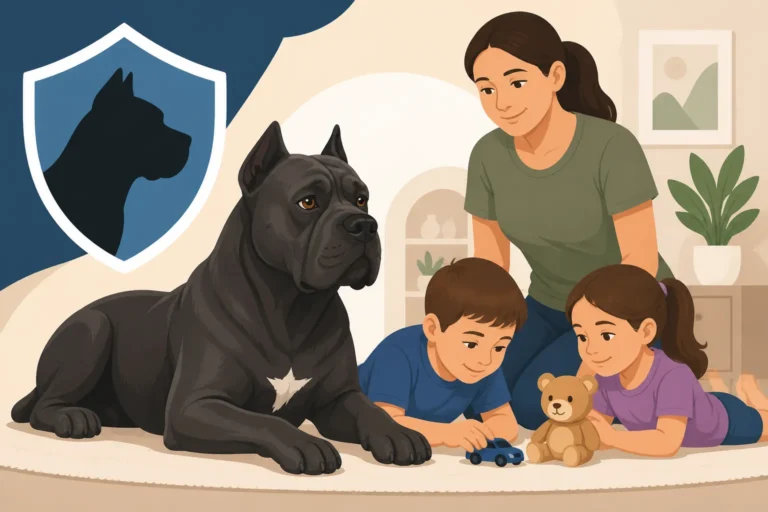
When you bring a Cane Corso into your life, you're not just getting a dog; you're inviting a piece of living history, a direct descendant of ancient Roman war dogs and Italian farm guardians, into your home. Their protective nature isn't a glitch; it's a feature, hardwired into their DNA over generations.
The Deep Roots of Guarding in the Cane Corso
The Cane Corso's original job in rural Italy was diverse and demanding. They guarded farms, livestock, and families against intruders, human and animal alike. They were expected to be discerning, evaluating threats and acting decisively. This isn't just about barking at the mailman; it's about an innate awareness of their territory and the people within it. They scan, they observe, and they make judgments. This inherent predisposition means that while you can shape how they guard, you can't remove the instinct itself. It's a fundamental part of What a Cane Corso's Guardian Instinct Actually Is. It’s why so many of us fall in love with them – that unwavering loyalty and desire to keep us safe. But it also means you have a significant responsibility to guide that instinct.
Imagine a scenario: you're sitting on your porch with your Corso, enjoying a quiet evening. A stranger walks by on the sidewalk, not looking at your house, just passing through. Your Corso might observe them silently, perhaps a low rumble in their chest, but take no action. Now, imagine a different scenario: that same stranger approaches your gate, starts rattling it, and peers into your yard. The shift in your Corso's demeanor will be immediate and profound. Their posture might stiffen, ears may perk, and a deep, authoritative bark will likely issue forth. This isn't aggression for aggression's sake; it's a response to a perceived breach of their territory, driven by centuries of instinct.
The Difference Between Guarding and Aggression
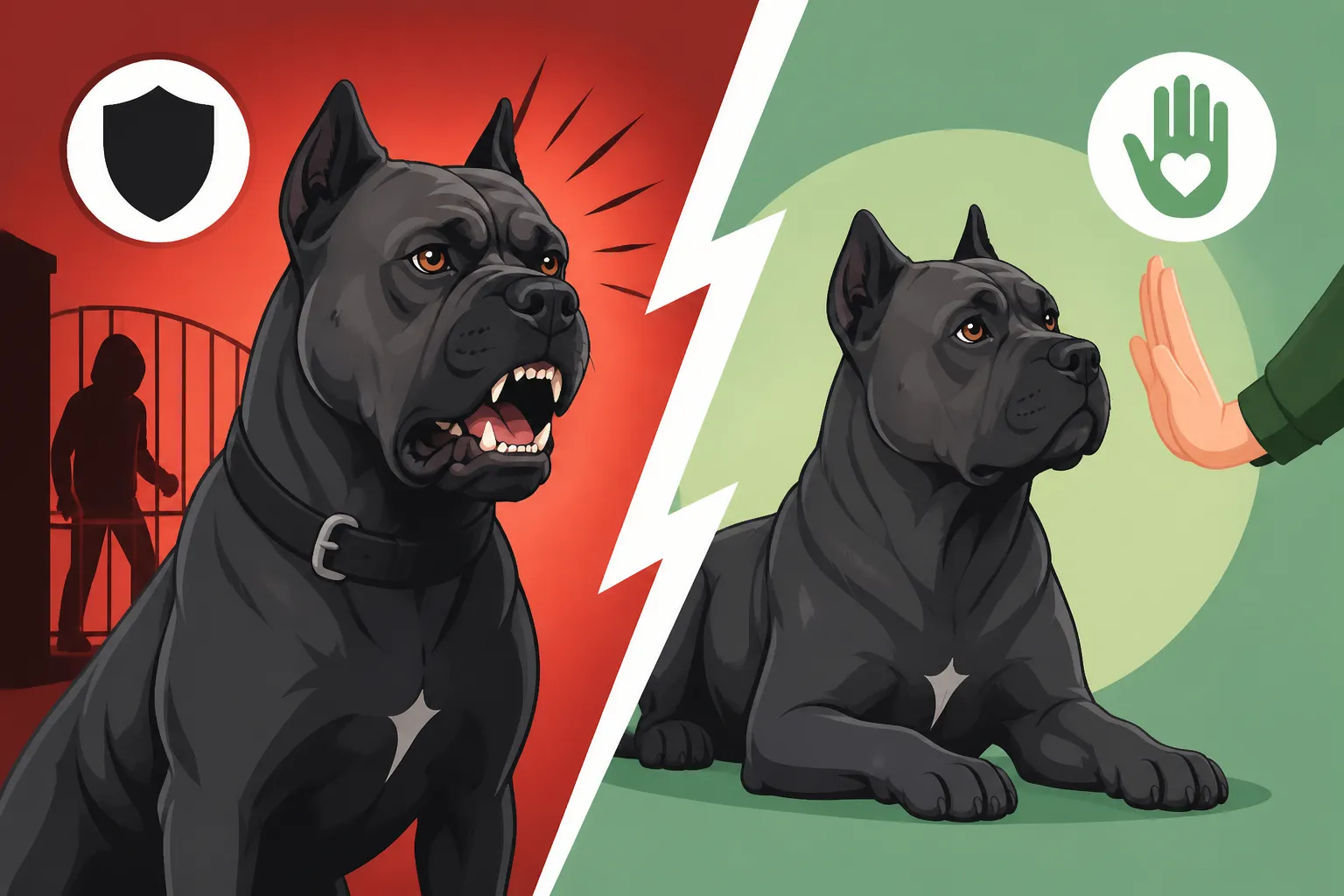
This is a crucial distinction that often gets muddled. True guarding behavior in a well-adjusted Cane Corso is controlled, discerning, and defensive. It’s a warning, a deterrent. Aggression, on the other hand, is often rooted in fear, poor training, lack of socialization, or an unstable temperament. A truly aggressive dog might lunge without warning, attack indiscriminately, or be reactive in situations where a guarding dog would simply observe or alert.
A Cane Corso that is guarding appropriately will often place themselves between you and the perceived threat, their body language conveying a clear message: "Do not come closer." They are confident and self-assured. An aggressive dog might display signs of fear or anxiety, such as tucked tail, flattened ears, or an exaggerated, frantic display. It's vital for owners to recognize these cues. If your Cane Corso is consistently showing signs of unprovoked aggression, snarling or snapping without a clear trigger related to protection, that's a serious red flag requiring immediate professional intervention, not just a management strategy for guarding. It's important to know Whether a Cane Corso Should Be Corrected for Growling – sometimes it's an important warning signal, not an act of defiance.
Why "Not to Guard" Is an Unrealistic Goal
Attempting to completely suppress a Cane Corso’s guarding instinct can lead to deep frustration for both you and your dog. When a dog is denied an outlet for an instinct that is so intrinsically part of who they are, it can manifest in undesirable ways. This might include anxiety, displacement behaviors, or even a breakdown in trust between you and your dog, as they may feel you are not allowing them to fulfill their perceived role.
Think about it from their perspective: their very purpose, for generations, has been to protect. If you constantly punish or shut down every natural impulse to alert or defend, they may become confused, insecure, or even more reactive because they don't understand the rules. Instead of aiming for "not to guard," our goal should be to teach them when and how to guard appropriately, under your direction. You want them to be a vigilant partner, not a robot devoid of instinct. They need to understand that you are the ultimate decision-maker regarding threats.
Early Intervention and Foundational Training
The journey to a well-adjusted Cane Corso who guards appropriately begins the moment you bring your puppy home. This isn't something you can put off until they are a year old and suddenly decide they need to be trained. Early and consistent training is the bedrock upon which all future behavior is built.
Socialization: Beyond Just Meeting Other Dogs
When we talk about socializing a Cane Corso puppy, many people immediately think of puppy playdates and dog parks. While controlled, positive interactions with other dogs are part of it, true socialization is far more comprehensive. It means exposing your puppy to a vast array of sights, sounds, smells, people, environments, and textures during their critical development windows – roughly from 8 to 16 weeks. The Socialization Window a Cane Corso Puppy Gets is incredibly important and passes quickly.
This exposure isn't about letting every stranger pet your puppy or every dog jump on them. It's about neutral exposure. Your puppy should learn to observe the world calmly without feeling the need to react to everything. Take them to busy parks (carrying them or in a cart if they're not fully vaccinated), shopping centers (if allowed), hardware stores, and different types of urban and natural environments. Let them see people of all ages, sizes, and ethnicities; people with hats, umbrellas, and walking aids. Let them hear sirens, construction noises, loud children, and bustling crowds. The goal is for them to see these things as normal parts of their world, not as potential threats demanding a response. A good example is simply sitting on a bench at a park with your puppy, letting them watch the world go by without any direct interaction. This kind of Neutral Socialization for a Cane Corso at Twelve Weeks is invaluable.
The aim is to build confidence and resilience. A well-socialized Corso is less likely to be fearful or over-reactive, which can often be the root of problematic guarding or aggression. They learn discernment because they've had ample opportunity to assess countless non-threatening situations. For those seeking structured guidance, programs like BAXTER & Bella offer online resources and courses that can help new puppy owners navigate this crucial socialization period with expert advice and step-by-step instructions.
Building a Solid Foundation of Obedience and Trust
Beyond socialization, a strong foundation in basic obedience is paramount. Your Cane Corso needs to understand and respond reliably to core commands like "sit," "stay," "down," "come," and "leave it." These aren't just parlor tricks; they are communication tools that give you control and guide your dog's behavior, especially when their guarding instincts kick in.
Consistency is key. Every family member needs to be on the same page, using the same cues and expectations. The Structure a Cane Corso Needs Every Single Day helps them understand their role and yours. Starting The Age a Cane Corso Puppy Starts Formal Training – often around 8 weeks with simple, short sessions – helps ingrain these behaviors early. These short, positive Five Minute Cane Corso Sessions Twice a Day are more effective than infrequent, long ones.
Commands like "place" or "go to your mat" are incredibly useful. Teaching your Cane Corso to settle on a designated spot when guests arrive or when there’s commotion at the door allows you to manage their guarding impulses. They learn to disengage from the stimulus and defer to your leadership. This gives them a job to do and reinforces that you are handling the situation. Using a sturdy, comfortable dog cot or bed available on Amazon can create this designated "place" for your dog. For instance, if the doorbell rings, you can send your Corso to their "place" before you answer the door, giving you control over the initial interaction.
Addressing Resource Guarding Early On
Resource guarding is a specific form of guarding where a dog protects items like food, toys, beds, or even people from others. While not directly about guarding the property, it stems from a similar protective instinct and can escalate if not addressed properly. A Cane Corso's strong protective drive can sometimes extend to valuable resources, making early intervention critical.
The key to preventing severe resource guarding is to teach your puppy that humans approaching their resources is a positive experience. This means practicing "trade-ups" where you offer something even better than what they have. If your puppy is chewing on a toy, offer a high-value treat, then take the toy. Return the toy after they've had the treat. This teaches them that your approach means good things, not theft. Similarly, avoid leaving food bowls down all day; feed them their meals and then pick up the bowl. This prevents Why a Cane Corso Should Never Have a Bowl Left Down and reduces the likelihood of them guarding it.
It's also important that children, in particular, learn never to approach a dog while it's eating or sleeping. Supervision is non-negotiable. If you notice signs of A Cane Corso That Guards Its Bowl From the Family or other items, don't punish the growl – that only teaches them to bite without warning. Instead, consult a professional trainer to work on counter-conditioning and desensitization exercises. This early work is crucial because a Cane Corso, once they are a hundred pounds, guarding a resource can be a serious issue.
Managing and Channeling Guarding Behavior in Adulthood
Once your Cane Corso is grown, their guarding instincts will be fully developed. The work shifts from preventative shaping to consistent management and channeling of those instincts in a way that keeps everyone safe and sane.
Teaching Discernment: Who Is a Threat?
This is arguably the most challenging aspect of owning a guardian breed. You want your Cane Corso to be vigilant, but not reactive to every squirrel, delivery driver, or innocent passerby. The goal is to teach them to differentiate between a truly suspicious situation and everyday occurrences. This comes through continued, positive exposure and consistent guidance from you.
One effective method is to control interactions. When a delivery driver or a stranger approaches your home, have your Corso on a leash or behind a secure barrier. Let them observe, and if they alert with a bark, acknowledge it with a calm "thank you" or "good dog," then immediately ask for a "place" command or another obedience cue. Reward them for complying. This communicates that you've heard their alert, you're taking over, and they don't need to escalate. Over time, they learn to alert, then look to you for direction, rather than taking matters into their own paws. This is part of Teaching a Cane Corso to Accept a Delivery Driver.
A key table for understanding discernment:
| Behavior Trigger | Cane Corso Instinctive Response | Desired Trained Response (Owner Guided) | Outcome |
|---|---|---|---|
| Mail Carrier at door | Alert bark, pacing | Alert bark (1-2 barks), "Place" command, settle | Awareness, but controlled response |
| Friend/Family arrival | Alert bark, intense stare | Alert bark (1-2 barks), "Place" command, sit | Greeted respectfully, owner in control |
| Stranger at fence line | Intense stare, low growl | Alert bark, "Stay" command, watch | Property secured, no over-reaction |
| Unfamiliar dog on walk | Intense focus, stiff body | "Look at me" command, calm walking, disengage | Controlled passage, no reactivity |
| Loud noise (fireworks) | Startle, maybe bark | "Settle" command, positive reassurance | Learns to trust owner's assessment of threat |
Controlled Introductions and Boundary Training
For visitors you do want your Cane Corso to accept, controlled introductions are vital. Never allow a new person to just walk into your home and immediately approach your Cane Corso, especially if they are already in an aroused state. Have your Corso on leash, introduce the guest calmly, and direct your dog to a "place" command. Allow the dog to observe the new person from a distance, rewarding calm behavior.
Once they are settled, you can slowly allow the guest to interact, always under supervision. Have the guest offer a treat (if appropriate and your dog is calm), and ask them to avoid direct eye contact or overly enthusiastic greetings initially. The goal is for your Cane Corso to associate new, acceptable people with positive experiences, under your watchful eye. A Cane Corso Meeting Guests at the Front Door should always be a structured event, not a free-for-all.
Boundary training extends beyond just the front door. It’s about teaching your Cane Corso the acceptable limits of their guarding. This might involve teaching them not to charge the fence line barking at every passerby, or not to block the front door. Using a long line in a securely fenced yard, you can practice "leave it" or "come" commands when people walk by. Reward them for disengaging and coming to you. You are essentially teaching them that you are the primary guardian, and they report to you.
Practical Tools and Strategies for Everyday Management
Beyond training, certain tools and strategies can make daily life easier and safer with a guardian breed.
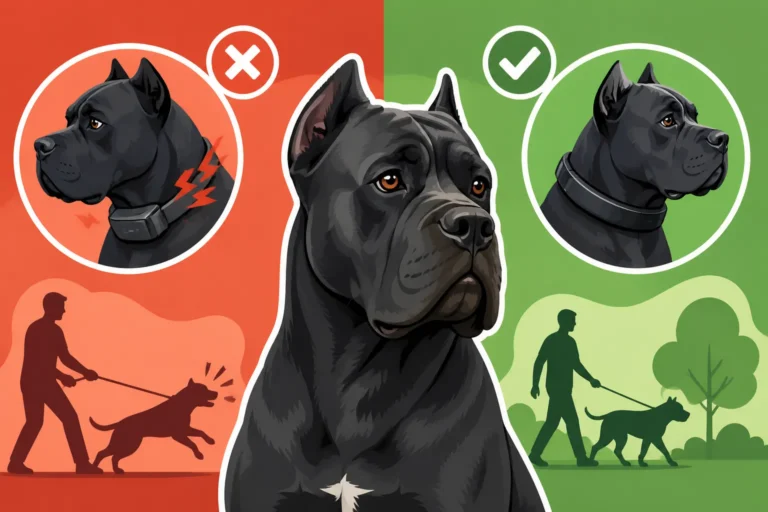
- High-Quality Gear: A strong, properly fitted harness or collar is essential. Given their size and strength, a sturdy lead and a reliable collar that won't break or slip is non-negotiable. Many owners find front-clip harnesses helpful for managing a strong puller on walks, providing better control than traditional back-clip harnesses. You can find durable options designed for large breeds on Amazon.
- Muzzle Training: This isn't about aggression; it's about responsible ownership. Training your Cane Corso to comfortably wear a basket muzzle is a wise precaution. It can be invaluable for vet visits, emergencies, or in situations where you might worry about their reactivity, even if they've never shown aggression. A well-fitting muzzle allows them to pant and drink. Why Every Cane Corso Should Be Muzzle Trained Early is a topic often overlooked but critically important for public perception and safety.
- Secure Fencing: A Cane Corso's guarding instinct means they will patrol their territory. Fencing That Actually Holds a Cane Corso needs to be robust and tall. A solid six-foot fence is generally considered the minimum for this breed, as they are capable jumpers. An invisible fence is generally not enough to contain a determined Cane Corso, especially when their guarding instincts are triggered.
- Enrichment: A bored Cane Corso can be a destructive or over-reactive Cane Corso. Provide plenty of mental and physical exercise. Sniff walks, puzzle toys, and obedience training sessions are all excellent ways to keep their intelligent minds engaged. Scent Work and Sniff Walks for a Cane Corso can be incredibly fulfilling.
Remember, you are the leader. Your calm, consistent direction is the most powerful tool you have in managing your Cane Corso's guarding nature.
Living Harmoniously with a Guardian Breed
Ultimately, the goal isn't to create a dog that doesn't guard, but one that guards intelligently, appropriately, and under your direction. This means accepting their innate nature and working with it, rather than against it.
Consistent Rules and a Predictable Environment
Cane Corsos thrive on routine and clear boundaries. An inconsistent owner who gives mixed signals or allows different behaviors on different days will inevitably confuse a guardian breed, potentially leading to anxiety, frustration, and an increase in unwanted guarding behaviors. Every family member needs to uphold the same rules, from meal times to interaction with guests. The Structure a Cane Corso Needs Every Single Day helps them feel secure in their role and understand expectations.
This consistency extends to everyday interactions. If you expect them to "place" when guests arrive, ensure they do it every single time. If they are not allowed on the furniture, make sure no one ever makes an exception. This breed, more than many others, looks to their humans for leadership and clarity. If you're not providing it, they will often step into that leadership vacuum, which can be problematic for a powerful guardian dog.
When Professional Help Becomes Essential
There are times when even the most dedicated owner needs professional guidance. If you find yourself struggling with your Cane Corso's guarding behaviors, if they are escalating, or if you feel unsafe or overwhelmed, don't hesitate to seek help from a certified professional dog trainer or behaviorist specializing in guardian breeds.
A good professional can assess your dog's specific temperament, identify triggers, and develop a tailored training plan. They can teach you advanced handling techniques, help you read your dog's body language more accurately, and guide you through specific counter-conditioning and desensitization exercises. Be wary of trainers who rely solely on harsh corrections or dominance theory, as these methods can backfire terribly with a guardian breed, often leading to suppressed aggression or a breakdown in trust. A positive reinforcement approach, perhaps from a certified professional found through services like BAXTER & Bella's network, is generally more effective and humane. They can help you understand What a Behaviorist Charges for a Reactive Cane Corso and what to expect from the process.
Embracing the Guardian, Not Erasing It
Living with a Cane Corso means embracing their guardian nature. It's a privilege to have such a loyal, dedicated protector, but it comes with responsibilities. Instead of trying to make them something they're not, focus on nurturing their instincts in a positive way. This means ensuring they are well-socialized, thoroughly trained, and consistently managed within a structured home environment.
Celebrate their vigilance, their loyalty, and their keen awareness of their surroundings. Channel their protective drive into appropriate outlets, like structured training, secure patrolling of your property, and being a watchful companion. A well-adjusted Cane Corso isn't a dog that doesn't guard; it's a dog that understands when and how to guard, always deferring to your leadership, and always with the safety and well-being of their family at heart. You'll gain an incredible partner, a dog whose presence alone can be a deterrent, and whose devotion is boundless.
Disclaimer
This article is for general informational purposes only and does not constitute professional advice. Laws, prices and regulations vary by location and change over time. Consult a qualified professional for guidance on your specific situation.