Resting a Cane Corso After Its Meal
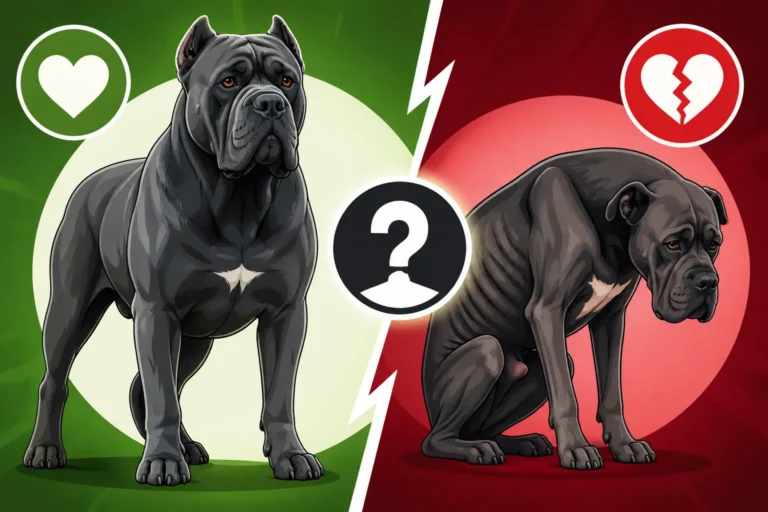
It’s a situation many Cane Corso owners dread: the serene mealtime giving way to a sudden burst of energy, or worse, a subtle unease that might hint at something truly terrifying. We pour so much care into their food, their training, their comfort, only to face the ever-present shadow of bloat, especially after they eat. This guide is here to walk you through the absolute necessity of post-meal rest for your magnificent Cane Corso, helping you understand why it's so critical and how to implement a routine that keeps them safe and sound.
Why Post-Meal Rest is Non-Negotiable for Your Cane Corso
Bringing a deep-chested breed like a Cane Corso into your home means accepting a unique set of responsibilities, and chief among them is understanding the risks associated with Gastric Dilatation-Volvulus, or GDV – commonly known as bloat. It's not just an upset stomach; it's a terrifying, rapidly progressing condition that demands our utmost attention around meal times. Ignoring post-meal rest isn't just a minor oversight; it's a gamble with your dog's life.
Understanding Gastric Dilatation-Volvulus (GDV) in Cane Corsos
Let's talk about what makes bloat so uniquely dangerous for our Cane Corsos. Imagine their stomach, a large, sack-like organ, sitting loosely in their deep chest cavity. When a dog eats or drinks rapidly, they can swallow a significant amount of air along with their food. This air, combined with food and digestive gasses, can cause the stomach to rapidly expand, or dilate. This initial bloating is painful enough, but the true emergency arises when the distended stomach then twists upon itself, a phenomenon called volvulus.
Once the stomach twists, it effectively seals off both ends – the entrance from the esophagus and the exit to the small intestine. Blood flow to and from the stomach is severely compromised, leading to rapid tissue death. Beyond that, the enlarged stomach presses on major blood vessels, restricting blood flow back to the heart, which can quickly lead to shock. The entire process, from subtle discomfort to life-threatening shock, can unfold in a matter of minutes or a few short hours. Because of their deep, narrow chest conformation, Cane Corsos are inherently predisposed to this nightmare scenario, making preventive measures like post-meal rest incredibly important. Many owners share harrowing stories about recognizing bloat in a Cane Corso before it turns, highlighting just how fast things can escalate.
The Mechanics of Digestion and Risk Factors
Activity immediately after eating significantly increases the risk of bloat. Think about it: when your Cane Corso runs, jumps, or even engages in vigorous play after a meal, their stomach is sloshing around, full of food, water, and gas. This physical jostling can contribute to the stomach literally flipping or twisting. The exact mechanisms are still being researched, but the consensus among veterinarians and breed specialists is clear: high-energy activities post-meal are a major trigger.
Beyond the physical movement, excitement itself can be a risk factor. An excited dog tends to gulp air, whether they're barking, panting, or just generally worked up. If this happens right after a meal, that swallowed air only adds to the potential for stomach distension. Even excessive water intake can contribute, especially if it's gulped down quickly. Imagine filling a balloon with water and then shaking it vigorously; the analogy, while imperfect, gives a visual of the internal dynamics at play. It's about minimizing any stress or sudden movement that could destabilize that full, gas-filled stomach.
Beyond Bloat: Other Digestive Comforts
While preventing bloat is the primary, life-saving reason for post-meal rest, there are other, less dramatic but still important benefits for your Cane Corso's digestive health. When a dog rests quietly, their body can direct its energy towards the complex process of digestion. The stomach acids and enzymes can work efficiently to break down food, and the intestines can absorb nutrients without interference from physical exertion.
If your Cane Corso is immediately active after eating, you might notice signs of mild digestive upset, such as burping, increased gas, or even regurgitation (different from vomiting, which is active expulsion). Just like with humans, vigorous activity can lead to indigestion and discomfort. A relaxed period allows the digestive system to operate optimally, reducing the chances of these less severe, but still unpleasant, issues. It also helps in preventing reflux, which can be irritating for your dog and, over time, can lead to other health problems.
How to Implement an Effective Post-Meal Rest Routine
Establishing a consistent post-meal rest routine is one of the most proactive things you can do for your Cane Corso's health. It’s not about making them lie down for hours on end, but about creating a calm, quiet period that becomes second nature for both of you. This routine should start from the day you bring your puppy home, weaving it into the fabric of their daily life.
The Ideal Rest Period and Environment
Generally, most experts recommend a rest period of at least 60-90 minutes after a meal, though some might suggest up to two hours for very active dogs or larger meals. During this time, your Cane Corso should be in a calm, quiet environment. This means no boisterous play, no running around the yard, and ideally, no intense training sessions or walks.
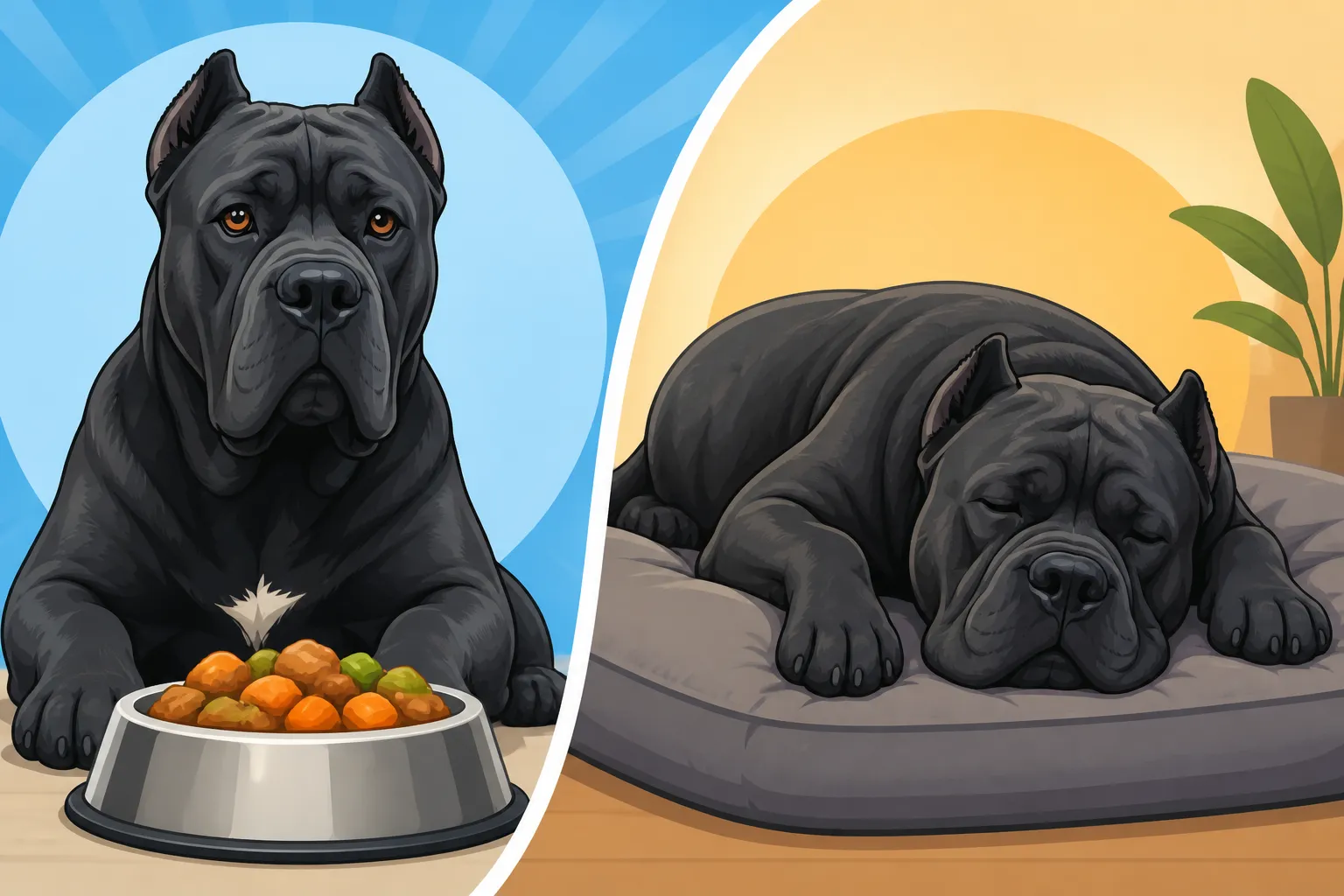
Think of a cozy corner, a soft dog bed in a low-traffic area of the house, or their crate if they are crate-trained and view it as a safe haven. The goal is relaxation. Dimming lights, playing soft music, or simply ensuring a peaceful atmosphere can all contribute to a successful rest period. It's a time for them to simply be, allowing their body to focus on the important work of digestion. This practice is also crucial for young dogs; even a growing Cane Corso puppy needs this quiet time.
Managing Activity Levels Before and After Eating
The timing of activity isn't just about after the meal; it's also important to consider before the meal. Avoid vigorous exercise immediately prior to feeding. A dog that is panting heavily and still worked up from a run might gulp down food and air more quickly, which, as we discussed, increases bloat risk. Aim for a period of calm before mealtime as well.
Once the meal is done, the rules are simple: no running, jumping, intense training, or roughhousing. Even a quick game of fetch can be too much. If your Cane Corso needs to relieve themselves, a calm, leashed potty break is fine, but it should be brief and devoid of excitement. Ensure they don't gulp down large quantities of water immediately after eating either, as this can also contribute to stomach distension. If they're thirsty, offer small amounts of water at intervals rather than a full, unrestricted bowl. Thinking about these practices can prevent common issues outlined in the mealtime habits that turn a Cane Corso's stomach.
Consistency is Key: Integrating Rest into Daily Life
Consistency is paramount. Your Cane Corso thrives on routine, and establishing a predictable post-meal rest period will make it much easier for them to understand and comply. Make it a non-negotiable part of their daily schedule. For example, if they eat at 7 AM and 5 PM, then those immediate 60-90 minutes following each meal are designated rest times.
This means the entire household needs to be on board. Children should understand not to engage the dog in play during this period. Other pets should also respect the Cane Corso's space during their rest. Over time, your Cane Corso will learn to associate mealtime with a subsequent quiet period, often settling down on their own. This proactive approach helps establish good habits and significantly reduces risk. Even pet insurance providers like Healthy Paws understand the importance of preventative care and routine, though they’re there for you in case of an emergency.
Common Misconceptions and Troubleshooting Post-Meal Behavior
Even with the best intentions, there are a lot of myths and challenges around managing a Cane Corso's post-meal period. It's important to separate fact from fiction and to have strategies in place for when your powerful companion isn't quite as cooperative as you'd like.
Debunking the "Raised Bowl" Myth and Other Old Wives' Tales
One of the most persistent myths in bloat prevention is the idea that feeding from a raised bowl helps. For years, many believed that eating from an elevated position would reduce air swallowing. However, research, particularly a large study conducted by Purdue University, actually found the opposite to be true for large, giant, and deep-chested breeds: raised bowls might increase the risk of bloat. The theory is that a raised bowl encourages faster eating and more air gulping. So, for your Cane Corso, it's generally best to stick to bowls on the floor.
Another misconception is that only certain types of food cause bloat. While dry kibble has historically been implicated, bloat can occur with any type of food, or even just water, if the conditions are right. Focus less on what they eat (as long as it's a high-quality, appropriate diet) and more on how they eat and what they do immediately afterward. Don't fall for quick fixes or unproven remedies; stick to scientifically supported methods like post-meal rest.
Recognizing Subtle Signs of Discomfort or Bloat
Knowing when to worry is crucial. Distinguishing normal post-meal fullness from the subtle beginnings of bloat can be challenging, but it's vital. A full belly will feel rounded and firm, but not hard or drum-tight. Your Cane Corso might be sleepy or content.
With bloat, even in its early stages, you might notice:
- Restlessness or pacing: They can't seem to get comfortable.
- Drooling or excessive salivation: Often accompanied by dry heaving or unsuccessful attempts to vomit.
- Licking the air or floor: A sign of nausea.
- Swollen abdomen: This might not be immediately obvious, especially on a very muscular Cane Corso, but it will rapidly become hard and distended, often resembling a drum. It might appear more pronounced on one side.
- Pain: They might whimper, guard their belly, or react negatively to touch.
- Rapid, shallow breathing: As the stomach presses on the diaphragm.
If you suspect bloat, even mildly, this is an emergency. Do not wait to see if it improves. Get your Cane Corso to an emergency vet immediately. The prognosis drastically worsens the longer you wait; the hours that decide a bloated Cane Corso's outcome are precious. Having pet insurance like Healthy Paws can alleviate the financial stress in these urgent situations, allowing you to focus solely on your dog's care.
When Your Cane Corso Refuses to Settle
It's a common scenario: you’ve fed your Cane Corso, and they are now brimming with energy, wanting to play or patrol. For such an intelligent and powerful breed, simply telling them to "rest" might not always work initially. Here are some strategies:
- Crate Training: A well-crate-trained Cane Corso often views their crate as a safe, quiet den. After meals, guide them gently into their crate with a safe chew toy (not one they'll actively work on, but something to idly gnaw). Cover the crate to create a peaceful, den-like atmosphere.
- Designated "Place": Teach your Cane Corso a "place" command, where they go to a specific mat or bed and stay there. Practice this command diligently outside of meal times, rewarding calm behavior. Then, use it after meals, staying nearby to reinforce their calm.
- Leashed Relaxation: For dogs that struggle with staying in one spot, a short leash attached to you or a sturdy anchor point can help. Provide a comfortable bed and sit quietly with them, offering praise for settling. This isn't punishment; it's gentle guidance.
- Mental Stimulation: Instead of physical exercise, offer quiet mental stimulation. A puzzle toy filled with a small portion of their kibble (if not too strenuous to get out) can provide a calm focus. Licking mats with frozen yogurt or peanut butter can also be very calming.
- Routine, Routine, Routine: As mentioned before, consistency is key. If they always know that mealtime is followed by rest, they are more likely to accept it without fuss. Start this routine as a puppy, and it will become ingrained.
- Your Calm Energy: Dogs are incredibly perceptive. If you are anxious or stressed about them settling, they might pick up on it. Project calm confidence, and they are more likely to mirror your energy.
Comparative Look: Safe vs. Unsafe Post-Meal Activities
To make it easier, let's look at a quick comparison of what's generally considered safe and unsafe for your Cane Corso after a meal.
| Activity Type | Safe Post-Meal Activities (Generally) | Unsafe Post-Meal Activities (Avoid) |
|---|---|---|
| Physical Activity | Gentle, slow walk to potty | Running, jumping, vigorous play (e.g., fetch) |
| Lying down quietly on a bed or in a crate | Roughhousing with other dogs or people | |
| Standing calmly in the yard for a short break | Agility training, protection work, intense walks | |
| Mental Activity | Light chewing on a safe, soft toy | Intense training requiring sudden movements |
| Licking mat or puzzle feeder with minimal effort | Excessive barking or high-arousal mental tasks | |
| Sniffing calmly indoors | ||
| Hydration | Small sips of water | Gulping large quantities of water |
| General Environment | Quiet, low-stress area | Loud, chaotic environments with sudden noises |
| Peaceful home atmosphere | Exposure to new, exciting stimuli (e.g., dog park) |
This table serves as a general guide. Always observe your individual Cane Corso for signs of discomfort, and when in doubt, err on the side of caution.
Proactive Measures to Further Reduce Bloat Risk
Beyond diligent post-meal rest, there are other strategies you can employ to stack the odds in your Cane Corso's favor against bloat. These are not substitutes for rest but complementary practices that contribute to overall digestive health and risk reduction.
Mealtime Habits That Can Help
How your Cane Corso eats can be almost as important as when and what. Many Cane Corsos are enthusiastic eaters, inhaling their food in mere seconds. This rapid ingestion is a known risk factor for bloat because it leads to excessive air swallowing.
Consider these habits:
- Slow Feeders: These bowls have obstacles or labyrinthine patterns that force your Cane Corso to eat around them, slowing down their mealtime significantly. There are many effective designs available, from simple inserts to complex puzzle bowls.
- Multiple Small Meals: Instead of one or two large meals a day, consider feeding two or even three smaller meals. This reduces the amount of food and gas in the stomach at any one time, making it less likely to distend excessively. For adult Cane Corsos, splitting their daily ration into two meals is generally recommended.
- Separation if Needed: If you have multiple dogs, sometimes the competition can lead to faster eating. Feed your Cane Corso in a separate, calm area to reduce any perceived pressure to gulp down their food quickly.
- Consistency in Food Type: While switching foods might not directly cause bloat, rapid or frequent changes in diet can upset a sensitive digestive system. If you need to change your Cane Corso's food, do so gradually over several days to a week.
These small adjustments to feeding practices, combined with a strict post-meal rest, create a much safer environment for your Cane Corso's stomach.
The Role of Preventive Gastropexy
For many Cane Corso owners, especially those with family history of bloat or those who are extremely anxious about the risk, preventive gastropexy is a significant consideration. A gastropexy is a surgical procedure where the stomach is permanently tacked or sutured to the abdominal wall. This prevents the stomach from twisting (volvulus) if it dilates. While it doesn't prevent the stomach from bloating (dilatation), it eliminates the more immediately life-threatening component of GDV.
This procedure is often performed at the same time as spaying or neutering, reducing the need for a separate anesthetic event. The decision to pursue a preventive gastropexy is a personal one, made in consultation with your veterinarian, considering your dog's individual risk factors, age, and overall health. Many owners feel it offers immense peace of mind. Discussing whether a Cane Corso should have a preventive gastropexy with your vet is a conversation worth having, as it's a permanent step to reduce a major health risk. Keep in mind that while pet insurance like Healthy Paws may cover the costs of emergency bloat surgery, preventive procedures might be covered under wellness plans, so it's worth checking your policy details.
Knowing the risks and taking these proactive steps gives your Cane Corso the best chance at a long, healthy life, free from the terror of bloat.
Disclaimer
The information provided in this guide is for general informational purposes only and does not constitute veterinary advice. Always consult with a qualified veterinarian for any health concerns or before making any decisions about your Cane Corso's care, diet, or medical treatment. Emergency situations require immediate professional veterinary attention.