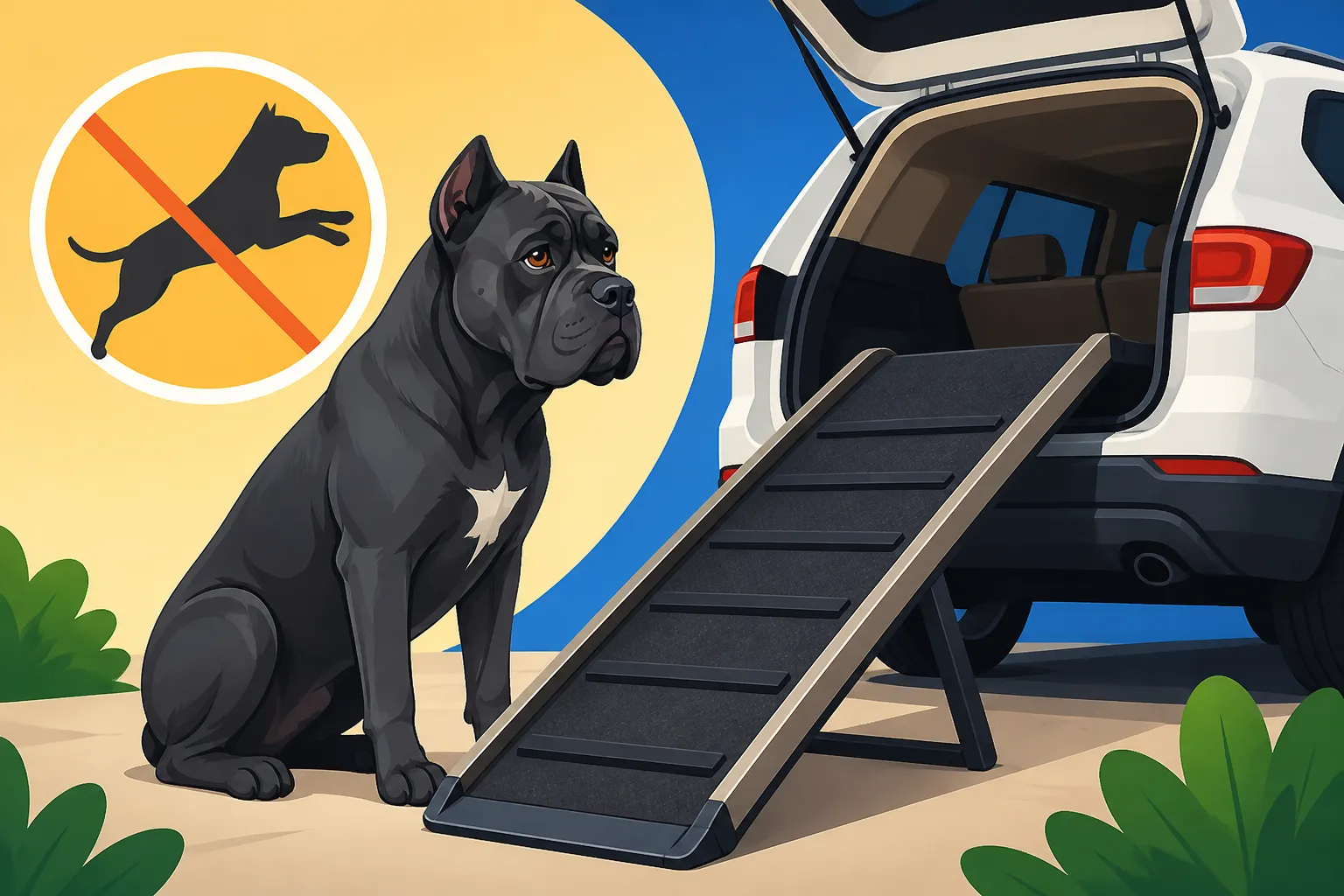
Ramps for a Cane Corso That Cannot Jump Up
There comes a time for many of us Cane Corso owners when our powerful, majestic dogs, who once bounded into the truck with effortless grace, start to hesitate. It's heart-wrenching to watch them struggle, their usually confident posture falter as they try to navigate the simple act of jumping. Whether it’s due to the creeping onset of arthritis, a past injury, or just the inevitable march of old age, seeing your giant companion struggle is a sign that it’s time to offer them a little extra help. This guide is here to walk you through why a ramp becomes a vital tool, how to choose the perfect one, and how to successfully introduce it to your beloved Cane Corso.
Why Your Cane Corso Might Be Struggling to Jump
It's easy to assume that a dog's reluctance to jump is just a sign of laziness, but for a large breed like the Cane Corso, it's often a clear indicator of discomfort or pain. Their sheer size and weight put immense strain on their joints, and while they are incredibly robust dogs, their bodies aren't immune to the wear and tear of life. Understanding the common reasons behind their jumping difficulties can help you provide the right support.
The Inevitable March of Aging and Arthritis
Just like us, our Cane Corsos start to feel the effects of time as they age. Their joints, which have carried hundreds of pounds through countless jumps, runs, and playful lunges, begin to stiffen. Cartilage wears down, leading to inflammation and pain, a condition we commonly know as arthritis. This isn't a sudden onset but a gradual process. You might first notice a slight hesitation before they jump, or a grimace they quickly try to hide. The car, once a source of excitement, might become a source of anxiety as they contemplate the leap.
It’s often after their eighth birthday that these signs become more pronounced. What Changes in a Cane Corso After Its Eighth Birthday is a tough reality for many owners. You’ll see them taking smaller steps, struggling on slippery floors, or maybe even refusing stairs they once took with ease. A ramp for an older Cane Corso isn't just a convenience; it's a way to significantly improve their quality of life, prevent further injury from awkward jumps, and maintain their dignity as they navigate their world. It allows them to continue enjoying car rides, reaching their favorite sleeping spots, and accessing elevated areas without pain.
Joint Conditions and Injuries
Beyond general aging, Cane Corsos are unfortunately prone to specific joint conditions that can manifest earlier in life and severely impact their ability to jump. Hip and elbow dysplasia are significant concerns within the breed. A dog might have been cleared of these issues as a puppy, but over time, especially with the intense growth they experience, these genetic predispositions can become problematic. Hip Dysplasia in a Fast Growing Cane Corso can cause significant pain and instability, making jumping not just difficult, but potentially damaging. Similarly, Elbow Dysplasia and a Cane Corso's Front End can impact their ability to push off or land gracefully.
Acute injuries are another major factor. A bad landing, a slip on ice, or an unfortunate encounter with uneven ground can lead to sprains, strains, or even more severe ligament tears, like a cruciate injury. Imaging the pain of a torn ACL in a human and then translating that to a hundred-plus-pound dog trying to leap into a truck gives you a good idea of their struggle. For these situations, a ramp becomes indispensable, offering a safe, low-impact alternative for mobility during recovery or as a permanent solution if the injury leads to chronic issues. Even if they recover, retraining them on a ramp can prevent re-injury and instill confidence.
Considerations for Oversized or Heavier Cane Corsos
While we adore our big, blocky Cane Corsos, an oversized or heavier dog faces even greater challenges with joint health. Extra weight directly translates to increased stress on every joint, from their shoulders down to their paws. This added burden can accelerate the onset of arthritis and exacerbate existing conditions like dysplasia. Think of it like carrying a heavy backpack all day, every day – eventually, your knees and back will protest. For an overweight Cane Corso, every jump is a high-impact event that jars their entire skeletal system.
Maintaining a lean body condition is crucial for their longevity and comfort. Why a Lean Cane Corso Keeps Its Hips Longer isn't just a saying; it's a scientific reality that can delay the need for mobility aids significantly. However, even with the best diet and exercise, some Cane Corsos are naturally larger, or they may have gained weight due to medical conditions or age-related activity reduction. For these heavier dogs, a ramp isn't just about preventing pain; it's about sheer practicality. Lifting a hundred-plus-pound dog multiple times a day is a recipe for back injury for the owner and discomfort for the dog. A sturdy ramp ensures both the dog and owner can safely and easily get in and out of vehicles or up onto furniture.
Choosing the Right Ramp for Your Cane Corso
Selecting a ramp for a Cane Corso isn't like picking one out for a smaller dog. Their size, weight, and sometimes their initial reluctance, demand a ramp that is robust, stable, and appropriately designed. It's an investment in their comfort and your peace of mind.
Material Matters: Durability and Grip
When you’re dealing with a dog that can easily weigh over 100 pounds, the ramp's material is paramount. You need something that won't flex, wobble, or buckle under their substantial weight.
- Aluminum Ramps: These are often the gold standard for large breeds. Aluminum is lightweight enough for you to handle, yet incredibly strong and durable. It resists rust and corrosion, making it perfect for outdoor use, such as getting in and out of a truck after a muddy walk. The downside can sometimes be the price point, but the longevity and reliability often make it a worthwhile investment. Many quality aluminum ramps can be found on sites like Amazon or through specialty pet retailers.
- Heavy-Duty Plastic Ramps: While generally lighter and often more affordable than aluminum, plastic ramps need to be carefully vetted for a Cane Corso. Look for models specifically designed for extra-large breeds, with high weight capacities clearly stated. Flimsy plastic will quickly become a hazard. The main advantage here is portability and often a lower cost. However, some plastics can become brittle in extreme cold or hot sunlight over time.
- Wooden Ramps: These are typically custom-built or more suitable for stationary home use, like leading to a bed or couch. While they can be incredibly sturdy, they are often heavy and not practical for vehicle use. If you're considering a wooden ramp for your home, ensure the construction is solid and treated for durability.
Beyond the material's strength, the surface grip is non-negotiable. A Cane Corso needs a non-slip surface to feel secure. Look for ramps with:
- High-traction surfaces: This usually means a gritty, sandpaper-like texture, rubberized treads, or deeply grooved patterns. Without adequate grip, your Cane Corso will feel insecure, especially on an incline, and might resist using the ramp or even slip, leading to further injury.
- Raised side rails: These aren't strictly part of the "grip" but they add a crucial layer of safety. They act as a visual and physical barrier, guiding your dog and preventing them from stepping off the side of the ramp, particularly if they are hesitant or have poor vision.
Length and Incline: Making it Manageable
The length of the ramp directly impacts its incline, and for a heavy dog with compromised joints, a gentler slope is always better. A shorter ramp means a steeper incline, which can be just as difficult and painful for your dog as jumping.
- Vehicle Ramps: For SUVs, trucks, or minivans, you'll generally need a ramp that is at least 6 to 8 feet long, if not longer. This length allows for a gradual slope that your Cane Corso can comfortably walk up without straining their back or hips. Imagine trying to walk up a very steep hill – it's much harder than a gentle incline. The same applies to your dog. When in doubt, err on the side of a longer ramp.
- Home Ramps: For couches or beds, ramps can be shorter, perhaps 3 to 5 feet, as the height difference is less extreme. However, even here, consider your dog's specific limitations. If they have severe arthritis, a longer, gentler slope is still preferable.
- Portability: Many ramps are designed to fold in half or telescope, making them easier to store in your vehicle. For instance, you might find a telescopic aluminum ramp on Chewy that extends to 7 feet but collapses down to a compact size, making it practical for daily use. Always check the folded dimensions to ensure it fits comfortably in your car.
Features That Enhance Safety and Ease of Use
Beyond the basic structure, certain features can significantly improve the usability and safety of a ramp for your large Cane Corso.
- High Weight Capacity: This cannot be stressed enough. Always choose a ramp with a weight capacity well exceeding your Cane Corso's current weight. If your dog weighs 120 pounds, don't buy a ramp rated for exactly 120 pounds. You want a generous buffer to account for dynamic weight (the force generated by their movement) and any future weight gain. Look for capacities of 200-300 pounds or more for ultimate peace of mind.
- Stability and Locking Mechanisms: A wobbly ramp is a dangerous ramp. The ramp should have a secure attachment point to your vehicle or furniture, often with rubber feet or a lip that hooks over the edge. If it's a folding or telescoping ramp, ensure the locking mechanisms are robust and won't accidentally release while your dog is on it.
- Easy Cleaning: Let's be real, Cane Corsos love to explore. Their paws will bring dirt, mud, and whatever else they find onto the ramp. A surface that is easy to wipe down or hose off is a huge bonus. This will keep it hygienic and maintain the grip over time.
- Built-in handles: For ramps that don't fold down significantly, integrated handles make it much easier to carry and position. Even foldable ramps often have handles to help you manage them.
Here's a quick comparison of common ramp types:
| Feature | Telescoping Ramps | Folding Ramps | Fixed Ramps (Home Use) |
|---|---|---|---|
| Pros | Compact storage, adjustable length, often good grip | Relatively compact, good stability, often wide | Very stable, customizable, aesthetic |
| Cons | Can pinch if not careful, may be heavier when extended | Can be bulky even when folded, limited length options | Not portable, takes up permanent space, heavier |
| Best For | Varied vehicle heights, saving space | Consistent vehicle heights, wider dogs | Beds, couches, low-level decks |
| Typical Material | Aluminum, heavy-duty plastic | Aluminum, heavy-duty plastic | Wood, carpeted wood |
| Key Consideration | Ensure secure locking mechanisms and smooth extension | Check the folded dimensions for storage fit | Measure carefully, ensure sufficient length for incline |
Introducing Your Cane Corso to a Ramp
Getting your Cane Corso to use a ramp, especially if they're already in pain or have developed a fear of jumping, requires patience, positive reinforcement, and a gentle approach. Don't expect them to immediately understand or embrace it.
The Gentle Introduction: No Pressure, Just Treats
The key here is to make the ramp a positive experience from day one. Start by simply laying the ramp flat on the ground in a familiar, low-stress environment, like your living room or backyard. Let your Cane Corso investigate it at their own pace. Don't force them onto it. Just place treats (high-value ones!) on and around it. Let them walk over it while it’s flat, rewarding them generously.
Once they're comfortable walking on the flat ramp, introduce a very slight incline. You can do this by propping one end up on a low step or a sturdy book. Again, use treats to lure them up and down, making it a game. Keep sessions short and positive, ending before they get tired or frustrated. The goal is to build confidence slowly. This methodical approach is far more effective than trying to rush them, which can create negative associations. Remember, The Reward a Cane Corso Actually Values is key here – for many, it's a favorite treat or a specific toy.
Training for Confidence and Safety
Once your Cane Corso is comfortable with gentle inclines, you can gradually increase the height, always using positive reinforcement.
- Luring with Treats: Hold a high-value treat just out of reach, slowly moving it up the ramp as your dog walks. Praise and reward heavily when they take even a single step. Repeat this process, gradually increasing the distance they walk on the ramp.
- "Up" and "Down" Commands: As they get the hang of it, start associating a verbal cue like "ramp up" or "climb" when they ascend, and "ramp down" or "easy" when they descend. This helps them understand what's expected.
- Body Handling: Gently guide them with a hand on their harness (never their collar, which could put pressure on their neck if they resist). If you have a second person, one can lure with treats while the other provides gentle guidance from behind, ensuring they don't rush.
- Practice in Different Locations: Once they master the ramp for the car, try it for other elevated surfaces they struggle with, like getting onto a dog-friendly raised bed or even a grooming table. Consistency helps generalize the behavior.
- Non-Slip Surfaces are Crucial: If your chosen ramp feels even slightly slippery, your Cane Corso will resist. Consider adding extra anti-slip strips if needed. Their confidence is built on feeling secure with every paw placement.
Remember, a Cane Corso who is already in pain might be particularly resistant due to fear of exacerbating their discomfort. Be extra patient, never scold them, and always make it a positive experience. If they refuse outright, take a step back to an easier stage and try again later.
Maintaining the Ramp: Ensuring Longevity and Safety
A ramp for a Cane Corso is a piece of equipment that will see heavy use, so proper maintenance is crucial to ensure its longevity and continued safety.
- Regular Cleaning: Dirt, mud, pet hair, and even sap or leaves can accumulate on the ramp's surface, reducing its grip. After each use, especially if it's been exposed to the elements, give it a quick wipe down. Periodically, a thorough wash with soap and water (and a good rinse) will keep the traction surface effective. This is particularly important for ramps stored outdoors or in vehicles. Brands like Chewy often carry pet-safe cleaning solutions that can be effective without leaving slippery residues.
- Inspection for Wear and Tear: Before and after each use, quickly inspect the ramp for any signs of damage. Check for:
- Cracks or stress fractures: Especially on plastic ramps, or at pivot points on folding ramps.
- Loose fasteners or hinges: Ensure all screws, bolts, and locking mechanisms are tight and secure.
- Worn out grip surfaces: If the anti-slip material is peeling, worn smooth, or missing in areas, it's a safety hazard. Some ramps allow for replacement grip tape, while others may indicate it's time for a new ramp.
- Bent or damaged rails: These can compromise stability and guide your dog off course.
- Corrosion: On aluminum ramps, while less common, check for any signs of corrosion, especially around moving parts.
Addressing small issues promptly can prevent them from becoming major safety concerns. For instance, a wobbly hinge can lead to a collapse, which could severely injure your dog or you.
Integrating Ramps into Daily Cane Corso Life
Once your Cane Corso is a pro at using their ramp, you’ll find it becomes an invaluable tool for maintaining their quality of life.
- Car Travel: This is often the primary reason owners purchase a ramp. It allows your older or injured Cane Corso to continue enjoying car rides, trips to the vet, or outings to the park without the painful struggle of jumping. Using a ramp also protects your own back from repeatedly lifting a heavy dog.
- Access to Elevated Beds or Couches: Many Cane Corsos love to sleep on a soft bed or curl up on the couch with their family. If jumping has become too painful, a fixed ramp or a portable ramp used indoors can allow them to continue enjoying these comforts. An orthopedic bed, accessible via a ramp, can provide immense relief for aging joints.
- Grooming Tables: If you groom your Cane Corso at home or have a professional groomer who uses a table, a ramp can safely guide them up without stress. This is particularly useful for sensitive dogs or those with mobility issues.
- Preventive Care: Even if your Cane Corso isn't struggling yet, introducing a ramp early, especially as they enter their senior years, can be a proactive measure. Teaching them to use it when they're still mobile can make the transition smoother when they genuinely need it. It’s also a good idea to consider things like Why Stairs Matter for a Cane Corso Puppy's Joints to prevent joint issues from the start.
By incorporating ramps into your daily routine, you're not only easing your Cane Corso's physical discomfort but also allowing them to maintain their independence and continue participating in family activities, which is vital for their mental well-being. Keeping a good quality of life is the goal, and sometimes, a simple ramp is the best way to achieve that.
Disclaimer
This article is for general informational purposes only and does not constitute professional advice. Laws, prices and regulations vary by location and change over time. Consult a qualified professional for guidance on your specific situation.