The Tooth and Retina Disease in Cane Corso Lines
There's nothing quite as gut-wrenching as noticing something isn't quite right with your powerful Cane Corso, especially when it involves their fundamental senses and comfort. Many owners face a specific, deeply frustrating challenge: a hereditary condition often colloquially referred to as "Tooth and Retina Disease," where issues with dental development and progressive vision loss can emerge. This guide is here to shed light on this complex genetic problem, helping you understand its signs, manage its progression, and make informed decisions for your beloved companion.
Understanding the "Tooth and Retina Disease" in Cane Corsos
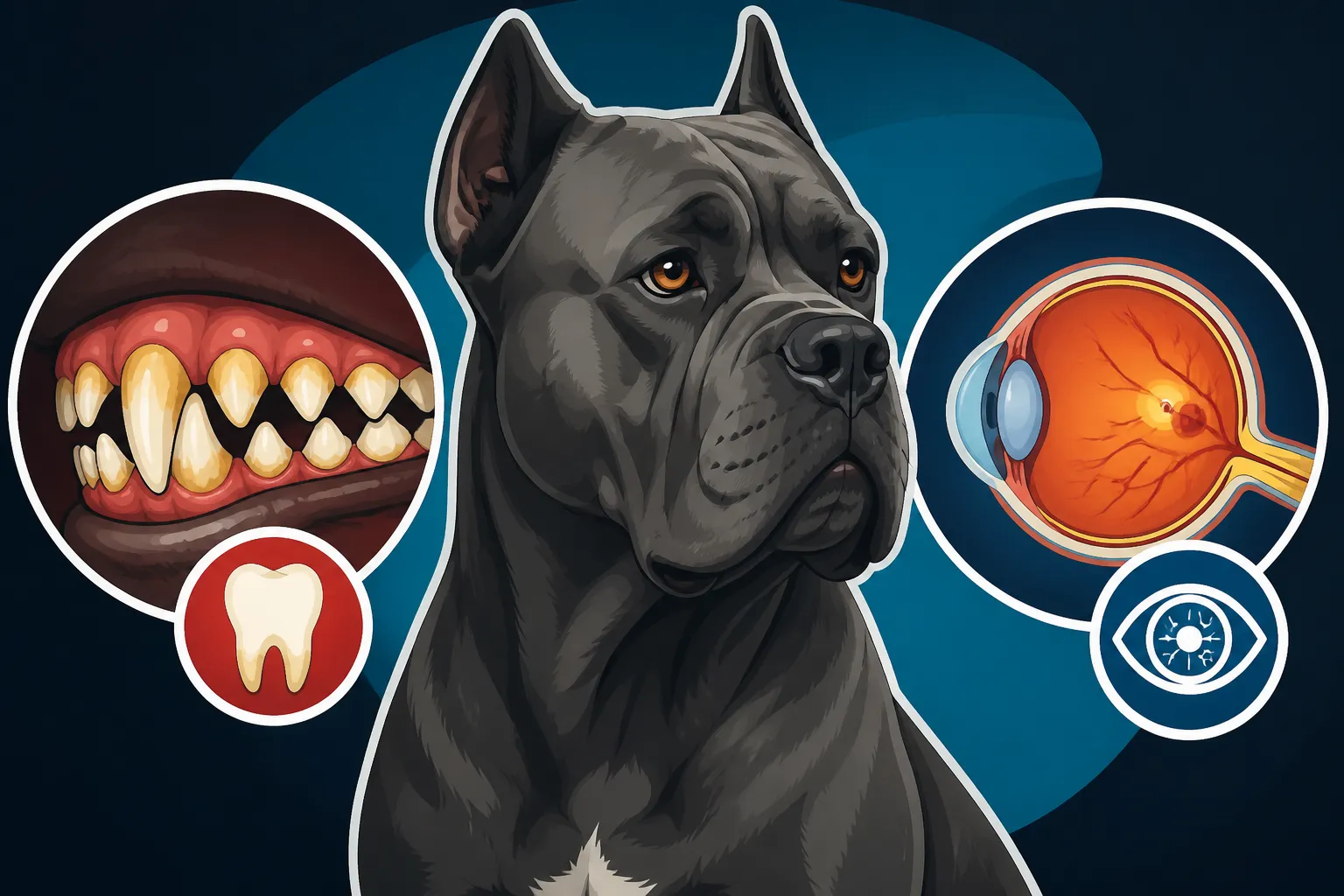
The term "Tooth and Retina Disease" might sound generalized, but it encapsulates a very real and often heartbreaking genetic challenge within the Cane Corso breed. It's not a single disease but rather a combination of inherited conditions affecting both the teeth and the eyes, frequently stemming from specific genetic mutations. When these two seemingly unrelated problems appear together, it can paint a worrying picture for owners, impacting a dog's ability to eat, play, and navigate its world comfortably. Knowing what you're up against is the first step in providing the best possible care for your large, loyal companion.
The Dental Component: What Goes Wrong with Their Teeth?
The dental aspect of this disease typically manifests as a condition called Dentinogenesis Imperfecta-like condition (DI-LC) or Amelogenesis Imperfecta (AI). Imagine teeth that look normal on the surface but are actually incredibly fragile and prone to damage, decay, and discomfort. This isn't just about bad breath or a bit of tartar; we're talking about structural defects that compromise the integrity of every tooth in your dog's mouth.
Puppies with this condition might show signs early on, even with their temporary "milk" teeth. You might notice their teeth appearing discolored, often with a translucent, brownish, or yellowish hue. They might chip or break much more easily than expected, even from normal chewing or play. As adult teeth emerge, the problem often becomes even more pronounced. The enamel, which is the hard, protective outer layer of the tooth, can be thin, poorly formed, or even absent in places. This leaves the underlying dentin—a softer, more sensitive tissue—exposed. This exposure leads to extreme sensitivity, making eating painful, especially with cold or hard foods. It also dramatically increases the risk of tooth decay, infections, and abscesses, creating a constant battle against discomfort and potential systemic health issues. The chronic pain can cause your Cane Corso to be irritable, reluctant to play, or even change their eating habits, making mealtime a source of stress rather than joy. Learning what discolored teeth mean on a Cane Corso puppy is crucial for early detection.
The Ocular Component: How Does It Affect Their Vision?
Simultaneously, affected Cane Corsos can experience a form of Progressive Retinal Atrophy (PRA) or a related retinal dysplasia. This is a group of degenerative eye diseases that ultimately lead to blindness. For a breed so reliant on its keen senses and observational skills, losing sight is a devastating blow, both for the dog and its family.
The progression of PRA is insidious. Initially, dogs may develop "night blindness," struggling to see in dim light or unfamiliar environments. You might notice them bumping into furniture in the evening, hesitating to go outside after dark, or becoming more reliant on their other senses. As the disease advances, their daytime vision also deteriorates, leading to full blindness. This isn't a sudden event; it's a gradual, often heartbreaking decline. The retina, a layer of tissue at the back of the eye that detects light, slowly wastes away. Sometimes, the initial signs might be subtle, like dilated pupils even in bright light, or a reflective "eye shine" when light hits their eyes. Witnessing your Cane Corso, once so confident and sharp, slowly lose their ability to see the world around them can be incredibly challenging. Understanding the importance of the yearly eye exam a breeding Cane Corso needs can help detect these issues earlier. Some forms of retinal atrophy, like those associated with canine multifocal retinopathy, can mimic or present alongside these issues, making precise diagnosis crucial.
The Genetic Link: Why Do These Two Seemingly Unrelated Issues Appear Together?
The reason these seemingly disparate conditions—fragile teeth and failing eyesight—often appear hand-in-hand in Cane Corsos is due to their shared genetic origin. This "Tooth and Retina Disease" is an autosomal recessive inherited trait. What does that mean for you and your dog? It means that a dog must inherit two copies of the faulty gene (one from each parent) to be affected by the disease. Dogs that inherit only one copy of the faulty gene are considered carriers. They don't show symptoms themselves, but they can pass the gene on to their offspring.
The specific genes involved can vary slightly depending on the exact manifestation of the dental and ocular issues, but the principle of recessive inheritance remains constant. When two carriers are bred together, there's a 25% chance that each puppy in the litter will be affected, a 50% chance they will be carriers, and a 25% chance they will be clear of the gene entirely. This explains why the disease can sometimes crop up unexpectedly in lines where parents appear perfectly healthy. Breeders who don't perform proper genetic testing might inadvertently perpetuate this problem, leading to generations of affected dogs and heartbroken owners. This is precisely why both Cane Corso parents need the DNA panel before breeding. The genetic testing helps break this cycle by identifying carriers and allowing breeders to make informed decisions to produce healthy puppies.
Recognizing the Early Warning Signs in Your Cane Corso
Catching the signs of the Tooth and Retina Disease early is paramount for effective management and maintaining your Cane Corso's quality of life. These symptoms can be subtle at first, often dismissed as typical puppy antics or signs of aging, but a keen eye and prompt veterinary attention can make a significant difference. Don't fall into the trap of thinking your big, tough dog will just "power through" it; they rely on you to notice when something is wrong.
Spotting Dental Issues: Cracks, Discoloration, and Pain
The dental component, whether it's Amelogenesis Imperfecta (AI) or Dentinogenesis Imperfecta-like condition (DI-LC), often reveals itself relatively early. For puppies, keep an especially close watch on their erupting permanent teeth. Instead of a strong, uniform white, you might see teeth that look:
- Discolored: Often a milky yellow, brown, or even grayish tint that isn't normal staining. It can appear dull or mottled.
- Translucent: In some cases, the teeth might appear almost glassy or semi-transparent, especially at the edges.
- Irregular or pitted: The surface of the enamel might not be smooth; you might notice small pits or grooves.
- Excessively worn or fractured: Even without obvious trauma, teeth might chip, crack, or wear down rapidly, exposing the sensitive pulp beneath. This can happen from normal chewing on toys or kibble, which healthy enamel should withstand easily.
As your Cane Corso matures, these issues can lead to chronic pain and infection. Your dog might show reluctance to chew on hard toys or bones, drop food from their mouth while eating, or shy away from having their face or mouth touched. Excessive drooling, pawing at the mouth, or a noticeable decrease in appetite can also be red flags. Imagine living with a constant toothache – that’s often what these dogs experience. Regular home checks of their teeth and gums are essential, looking for any of these deviations from normal.
Detecting Vision Problems: Night Blindness and Changes in Behavior
The ocular signs of Progressive Retinal Atrophy (PRA) can be even more gradual and harder to pinpoint, particularly in the initial stages. Many owners first notice "night blindness" because it’s a specific challenge for dogs with PRA. Watch for these behaviors:
- Hesitation in dim light: Your Cane Corso might become hesitant to move around at dusk, in dimly lit rooms, or during nighttime walks. They may bump into objects they'd normally avoid.
- Increased startle reflex: Without good vision, sudden noises or unexpected touches can be more startling.
- Clumsiness: Bumping into furniture, misjudging steps, or having difficulty catching toys. This might be mistaken for clumsiness, but it’s often a sign of visual impairment.
- Dilated pupils: Their pupils might appear abnormally large, even in moderately bright light, as their eyes try to gather more light to compensate for failing retinas.
- "Eye shine" changes: When light hits their eyes in the dark, you might notice an unusually bright or reflective glow, sometimes described as a "greenish" or "yellowish" hue, due to changes in the tapetum lucidum as the retina degenerates.
- Reluctance to explore new places: Dogs rely on sight to assess new environments. A visually impaired Cane Corso may become more clingy or anxious in unfamiliar surroundings.
It's important to remember that dogs are masters at compensating for vision loss, especially in familiar environments. They use their incredible sense of smell and hearing to navigate, so you might not notice significant issues until the disease has progressed considerably. Any subtle changes in their confidence, movement, or interaction with their surroundings, especially in low light, warrant immediate investigation.
When to Seek Veterinary Help: Don't Wait, Act Fast
The moment you suspect any of these symptoms, whether dental or ocular, it's time to call your veterinarian. Don't wait to see if it "gets better" or assume it's "just old age." Early diagnosis is crucial for several reasons. For dental issues, prompt intervention can help manage pain, prevent severe infections, and potentially save remaining tooth structure. For vision problems, while PRA is ultimately degenerative, an early diagnosis allows you to plan, adapt your home environment, and mentally prepare for your dog's future needs.
Your regular vet can perform an initial examination, but they will likely refer you to specialists: a veterinary dental specialist for comprehensive oral assessment and treatment, and a veterinary ophthalmologist for a thorough eye examination. These specialists have the advanced equipment and expertise to diagnose these complex conditions accurately. They can also discuss prognosis and management strategies specific to your Cane Corso's needs. Remember, these conditions are progressive, and proactive management will significantly impact your dog’s comfort and quality of life.
The Impact of This Disease on Your Cane Corso's Quality of Life
Living with the Tooth and Retina Disease can profoundly affect a Cane Corso's quality of life. These majestic dogs are known for their strength, intelligence, and protective instincts. When faced with chronic pain from their teeth and the gradual loss of their sight, their entire world can shrink, leading to increased anxiety, frustration, and a diminished sense of self. It's truly heartbreaking to see your strong, majestic Cane Corso struggling with something as fundamental as eating or seeing. As owners, our primary goal becomes mitigating these impacts and ensuring they can live as comfortably and happily as possible.
Managing Dental Pain and Infection: The Ongoing Struggle
The dental component, with its weakened enamel and exposed dentin, means constant vigilance against pain and infection. Imagine trying to enjoy your favorite meal when every bite sends a jolt through your teeth. This is the reality for many affected Cane Corsos.
Treatment often involves more than just routine cleaning. Damaged teeth may require restorative procedures, root canals, or, in severe cases, extraction. These are significant procedures, especially for a large breed like a Cane Corso, often requiring general anesthesia. Post-operative care can be intensive, and the dietary adjustments might be permanent, moving from hard kibble to softer, more palatable foods. The goal is to eliminate pain and prevent bacteria from entering the bloodstream, which can lead to more serious systemic health problems. This isn't a one-time fix; it's an ongoing journey of monitoring, potential interventions, and specialized care. The dental bill on a Cane Corso with retained teeth or other issues can be substantial, highlighting the need for careful financial planning or robust pet insurance.
Table: Common Dental Treatments for Cane Corsos with DI-LC/AI
| Treatment Option | Description | Purpose | Considerations |
|---|---|---|---|
| Enamel Bonding/Sealing | Application of protective resin to exposed dentin/weak enamel. | Protect sensitive areas, prevent further damage/decay. | Best for mild cases; may require repeat application. |
| Restorations (Fillings) | Filling cavities or chipped areas with dental composites. | Repair damaged teeth, restore function, prevent infection. | Requires skilled veterinary dentist, multiple teeth may be affected. |
| Root Canal Therapy | Removal of infected pulp, cleaning, and sealing the root canal. | Save severely damaged teeth from extraction, eliminate pain. | Specialized procedure, typically for vital teeth with pulp exposure. |
| Tooth Extraction | Surgical removal of severely diseased, fractured, or painful teeth. | Eliminate sources of chronic pain and infection. | Often necessary for badly compromised teeth; impacts chewing function. |
| Antibiotics/Pain Meds | Prescription medications for infection control and pain management. | Manage acute flare-ups, pre/post-operative care. | Temporary relief; not a long-term solution for structural issues. |
| Soft Diet Conversion | Switching from hard kibble to wet food or softened kibble. | Reduce pain during eating, prevent further damage. | Permanent dietary change may be needed. |
Adapting to Progressive Vision Loss: Helping Your Dog Navigate the World
Coping with Progressive Retinal Atrophy (PRA) means helping your Cane Corso adapt to a world that's slowly fading from view. This journey requires patience, empathy, and consistency. Your dog's natural instincts will still be there, but their ability to act on them will be compromised.
Start by maintaining a consistent home environment. Avoid rearranging furniture, especially large items, as your dog relies on their internal map. Use scent markers (like essential oils on furniture legs) or textured mats at the top and bottom of stairs to provide navigational cues. Keep pathways clear of clutter. When walking outside, keep them on a leash in unfamiliar areas, allowing them to explore safely while you act as their guide. Verbal cues become incredibly important – "step up," "watch out," "this way." Continue engaging them in activities that rely on their other senses, like scent work or puzzle toys, to keep their minds sharp and spirits high. Remember, your calm demeanor and consistent guidance will be their most valuable asset as they learn to navigate their new reality. Losing sight can be incredibly disorienting, and helping an old Cane Corso off the floor, or managing their night confusion in an aging Cane Corso, are things you'll need to learn to do.
Long-Term Care and Financial Realities: Planning for the Journey Ahead
The Tooth and Retina Disease demands a significant, long-term commitment, both emotionally and financially. These are not minor health issues. Ongoing veterinary care will be a constant throughout your Cane Corso's life, involving regular dental check-ups, potentially repeat procedures, and frequent visits to the ophthalmologist to monitor eye health. Special diets, pain medications, and possibly even assistive devices like "halo" collars for blind dogs can add up quickly.
This is where planning truly becomes essential. Understanding the monthly pet insurance premiums on a Cane Corso, and whether a Cane Corso policy pays on hip surgery (or other major issues), can really give you peace of mind. Many Cane Corso owners find that comprehensive pet insurance is not just a luxury but a necessity, especially with breeds prone to specific health issues. Companies like Healthy Paws, for example, offer robust coverage that can help offset the considerable costs of specialist vet visits, dental procedures, and ongoing medications associated with chronic conditions. It's vital to enroll your dog early, ideally as a puppy, before any signs of a genetic condition might be considered "pre-existing," which could affect coverage. Beyond insurance, setting aside a dedicated "vet fund" can also provide a buffer for unexpected expenses. These majestic dogs give us so much; planning for their care, especially when they face such challenges, is our way of giving back.
Genetic Testing and Responsible Breeding Practices
The best defense against inherited diseases like the "Tooth and Retina Disease" is always prevention. For Cane Corsos, this means rigorous genetic testing and a deep commitment to responsible breeding practices. As an owner considering a Cane Corso puppy, or if you already own one and are thinking about their lineage, understanding the science behind genetic health is paramount. It’s the only way to ensure we're not inadvertently passing down these heartbreaking conditions to future generations.
DNA Testing: Identifying Carriers and Affected Dogs
DNA testing has revolutionized canine health, giving breeders and owners invaluable tools to make informed decisions. For the "Tooth and Retina Disease," specific genetic tests are available to identify whether a Cane Corso is clear, a carrier, or affected by the faulty genes responsible for these conditions. These tests are usually simple buccal (cheek) swab tests or blood tests that can be sent to specialized veterinary genetics laboratories.
A "clear" result means the dog does not carry the gene and cannot pass it on to its offspring. A "carrier" result means the dog has one copy of the gene; it won't be affected itself but can pass the gene to 50% of its puppies. An "affected" result means the dog has two copies of the gene and will likely develop or already has developed the disease. This data is critical. Without DNA testing, even the most diligent breeder can unknowingly breed two carriers, leading to a litter with a 25% chance of affected puppies. Always ask to see the DNA results for both parents before committing to a puppy. Reading a Cane Corso's DNA results before you buy is non-negotiable for a responsible purchase.
Interpreting DNA Results: Understanding "Clear," "Carrier," and "Affected"
Understanding what DNA results mean is key to responsible breeding and purchasing. It's not just about a pass/fail grade; it's about making educated choices to improve breed health.
- Clear: This is the ideal status. A clear dog does not have the gene mutation and will not develop the specific genetic disease, nor will it pass the mutation to its offspring. When two clear dogs are bred, all puppies will be clear.
- Carrier: A carrier dog has one copy of the gene mutation but does not typically show symptoms of the disease. They are healthy but can pass the mutation to half of their offspring. A carrier bred to a clear dog will produce 50% clear and 50% carrier puppies, none of whom will be affected. A carrier bred to another carrier, however, risks producing affected puppies.
- Affected: An affected dog has two copies of the gene mutation and will typically develop the disease. These dogs should generally not be bred, as they will pass one copy of the faulty gene to all their offspring, making them all carriers.
Responsible breeders use these results to make careful breeding pairings. For instance, a reputable breeder might still use a carrier dog in their breeding program if that dog possesses exceptional qualities (temperament, conformation, working ability) that are valuable to the breed, but only if that carrier is bred to a clear mate. This ensures no affected puppies are produced, while still preserving desirable traits in the line. Over time, selective breeding can reduce the prevalence of the gene in the overall population. This is part of the larger picture of understanding the two DNA diseases in Cane Corso pedigrees.
The Role of Responsible Breeders: A Commitment to Health
A truly responsible Cane Corso breeder goes above and beyond to ensure the health of their puppies. They don't just breed for looks; they prioritize health, temperament, and longevity. This means:
- Extensive Health Testing: Beyond just DNA for this specific disease, they will perform a battery of health clearances recommended for the breed, such as OFA certifications for hips and elbows, cardiac exams, and thyroid screening. A Cane Corso with a CHIC number demonstrates a breeder's commitment to these comprehensive tests.
- Transparency: They are open and honest about their dogs' health test results, including any carrier status. They will readily share documentation and explain their breeding philosophy.
- Limited Registration: Often, puppies from carrier parents, even if bred to clear mates, might be sold on limited registration to prevent them from being used in unregulated breeding programs, helping to control the spread of carrier genes.
- Lifetime Support: A good breeder will be a resource for you throughout your dog's life, offering advice and support, especially if any health issues arise. They will also include a health guarantee in their purchase contract.
- Waiting Lists: Reputable breeders often have waiting lists because they breed infrequently and carefully, prioritizing quality over quantity.
Choosing a puppy from such a breeder, even if it means a higher initial cost, is an investment in a healthier, happier future for your Cane Corso. It drastically reduces the likelihood of encountering devastating genetic conditions and the immense financial and emotional burden they entail.
Living with a Cane Corso Affected by Tooth and Retina Disease
Bringing a Cane Corso affected by the "Tooth and Retina Disease" into your home is a profound commitment. It means stepping up to provide an extra layer of care, patience, and understanding. While it can be challenging, it's also incredibly rewarding to support these magnificent dogs through their unique journey. With consistent daily management and a thoughtful approach to their environment, your Cane Corso can still lead a full and loving life.
Daily Management Routines: Brushing, Special Diets, and Eye Care
Managing a Cane Corso with this dual condition means integrating specific routines into your daily life to address both the dental and ocular challenges.
For the dental aspect, consistency is key. Even with compromised enamel, daily gentle brushing with a soft-bristled toothbrush and veterinary toothpaste can help minimize plaque buildup and the risk of secondary infections. You’ll need to be extra careful not to cause pain. As mentioned, a switch to a soft or wet diet is often necessary to reduce discomfort during eating and prevent further tooth damage. This also means choosing appropriate chew toys – avoid anything hard that could fracture already fragile teeth. Silicone chew toys or softer rubber options might be more suitable than traditional bones or antlers. Always consult your vet or a veterinary dental specialist for specific recommendations tailored to your dog's oral health status.
Eye care, particularly as vision declines, also becomes crucial. Regular cleaning around the eyes with a soft, damp cloth can prevent discharge buildup. Your veterinary ophthalmologist might recommend specific lubricating eye drops to keep their eyes comfortable, especially if their blink reflex becomes less efficient. Protecting their eyes from direct sunlight or harsh wind with dog-specific goggles, particularly on walks, can also be beneficial. The goal is to maximize their comfort and preserve any remaining vision for as long as possible.
Creating a Safe and Accessible Home Environment: Adapting for Vision Loss
As your Cane Corso's vision diminishes, making their home environment safe and predictable becomes one of your most important tasks. These adaptations are not just about preventing accidents; they're about fostering confidence and reducing anxiety in a dog that can no longer rely on its sight.
Start by being consistent. Avoid moving furniture, food bowls, water dishes, or beds. Your dog will create a mental map of their space, and changes can cause confusion and distress. Use tactile cues, like different textured rugs or runners, to mark important areas or pathways. Gate off dangerous areas, such as stairs or pools, until you can teach them to navigate safely or provide alternatives like ramps. When guiding them, use clear verbal cues before physical touch, so they aren't startled. For instance, say "wait" before you open a door or "step up" before they encounter a curb. Installing nightlights in hallways can help if they still have some residual vision. Outdoors, ensure your yard is securely fenced and free of obstacles. Consider adding sound cues, like wind chimes, to help them orient themselves in the yard. This might sound like a lot, but these simple steps can profoundly impact your Cane Corso's sense of security and freedom.
Finding Support and Resources: You're Not Alone
Facing a complex, chronic condition like the "Tooth and Retina Disease" can feel isolating, but you are absolutely not alone. There's a vast community of owners, veterinary professionals, and organizations dedicated to supporting dogs with special needs, especially those with vision impairments or chronic dental issues.
Seek out support groups specifically for owners of blind dogs or dogs with specific genetic conditions. Online forums and social media groups can connect you with people who understand your struggles and can offer practical advice, emotional support, and shared experiences. Organizations like the American College of Veterinary Ophthalmologists (ACVO) or the American Veterinary Dental College (AVDC) can help you find board-certified specialists in your area.
Additionally, remember that financial support can come from various avenues. As mentioned, comprehensive pet insurance from providers like Healthy Paws can significantly ease the financial burden of ongoing treatments, medications, and specialist consultations. They understand the challenges of chronic conditions and can be a lifeline when dealing with high veterinary bills. Some breed-specific rescues or foundations might also offer grants or assistance for specific health issues. Don't be afraid to reach out and utilize these resources; they are there to help you provide the best possible care for your cherished Cane Corso.
Disclaimer
Please remember that the information provided in this guide is for general informational purposes only and does not constitute veterinary advice. Always consult with a qualified veterinarian or veterinary specialist for any health concerns or before making any decisions about your Cane Corso's medical care or treatment. Individual cases may vary, and only a professional can provide an accurate diagnosis and appropriate treatment plan.