Why the Best Cane Corso Looks Boring in Public
We've all seen them: the big, boisterous dogs at the park, dragging their owners, barking at every squirrel, or jumping on unsuspecting passersby. And then there’s the Cane Corso, a majestic and powerful breed, often misunderstood. The truth is, the very best Cane Corso you'll encounter in public often looks, well, boring. They aren't causing a scene, they aren't demanding attention, and they certainly aren't pulling their person down the street. This guide will walk you through why this "boring" demeanor is actually the pinnacle of Cane Corso training and temperament, and how you can cultivate it in your own magnificent companion.
Understanding the "Boring" Ideal for a Cane Corso
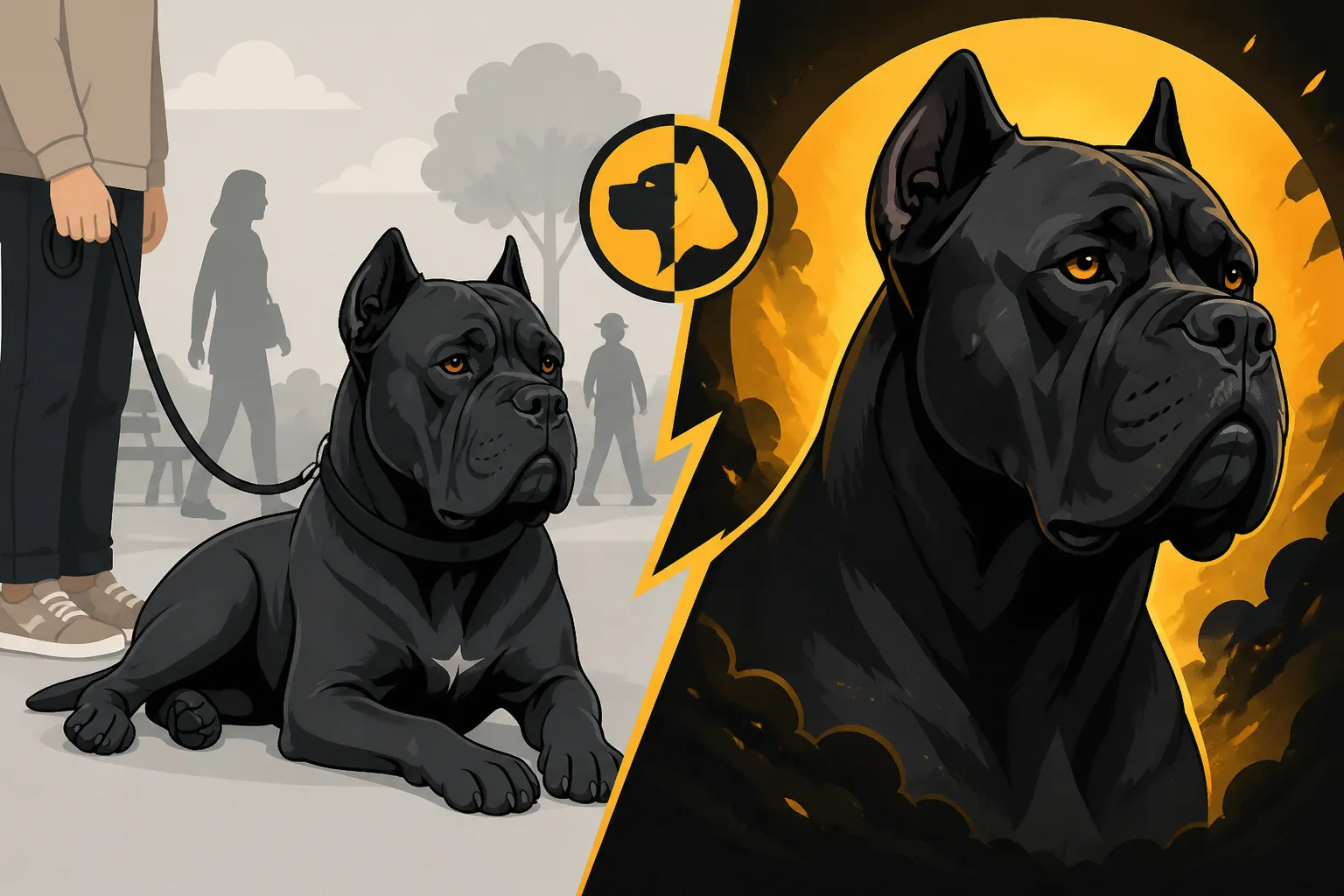
When we talk about a "boring" Cane Corso in public, we're not suggesting your dog lacks personality or joy. Far from it! What we're describing is a dog that is so incredibly stable, confident, and well-managed that they can navigate any public environment without stress, reactivity, or inappropriate behaviors. It means they are calm, collected, and attentive to their handler, rather than being a chaotic force of nature. For a breed as powerful and imposing as the Cane Corso, this level of control isn't just desirable; it's absolutely essential for their safety, the safety of others, and for ensuring they are respected members of society.
The Difference Between Calm and Suppressed
It's crucial to distinguish between a truly calm Cane Corso and one whose natural instincts or emotions are being suppressed through harsh methods. A calm Cane Corso is comfortable in their skin, assessing their surroundings without feeling the need to react to every stimulus. They might glance at a passing dog, but they won't lunge or bark because they've learned that their human has everything under control. This calm state comes from a foundation of trust, clear communication, and consistent positive reinforcement. It’s a dog that chooses to be calm because they feel secure.
On the other hand, a suppressed dog might appear quiet out of fear or intimidation. Their body language might be tense, their tail tucked, and their eyes darting nervously. They might be shutting down rather than truly relaxing. This is not the goal. We want a Cane Corso who can confidently ignore distractions because they are internally balanced and trust their handler implicitly, not because they are afraid of correction. Achieving genuine calm requires patience, understanding, and methods that build confidence, not dismantle it.
Why Public Stability is Paramount for a Cane Corso
The Cane Corso is a large, strong breed with a natural guardian instinct. While these traits are admirable and desirable in the right context, they can become liabilities in public if not properly managed. A Cane Corso that is reactive, lunges, barks incessantly, or pulls uncontrollably is not only a handful for their owner but can also instill fear in others, regardless of the dog's true intentions. This contributes to negative stereotypes about the breed, making it harder for all Cane Corso owners. Public stability means your dog can walk past other dogs, children, bikes, and loud noises without an extreme reaction. It means they can lie quietly under a table at an outdoor cafe or wait patiently while you chat with a neighbor. This level of self-control is paramount for safety, for respecting public spaces, and for the overall well-being of the dog, who shouldn't have to live in a constant state of arousal or anxiety when out and about.
Imagine trying to navigate a busy farmer's market with a hundred-pound dog that suddenly decides a toddler's stroller is a threat. It's not just embarrassing; it's potentially dangerous. A stable Cane Corso knows how to filter out non-threats and look to their handler for guidance, making these outings enjoyable and stress-free for everyone involved. This is why we strive for "boring"—it signifies a profound level of trust and training that makes life with such a magnificent animal not just possible, but truly harmonious.
Shifting the Perception of "Good" Behavior
Many people mistakenly equate "good" dog behavior with being overly friendly or seeking attention from everyone they meet. While a friendly dog is wonderful, a truly "good" Cane Corso in public is often one who is neutral, observant, and focused on their handler. They aren't jumping up to greet strangers, aren't soliciting pets from every passing child, and aren't trying to play with every dog they see. For a powerful guardian breed, this neutrality is a sign of excellent temperament and responsible ownership. It shows that the dog understands its place, respects boundaries, and looks to its human for direction.
A Cane Corso that can walk through a crowded area with a loose leash, ignoring people and other dogs, is demonstrating superior control and training. This dog isn't being aloof; they are being appropriate. They understand that public spaces are for travel and coexistence, not for personal social engagements with strangers. This shift in perception is vital: a Cane Corso that is calm and unreactive in public isn't just "boring"; they are exemplary. They are a testament to the hard work and dedication of their owner, and they are living proof that powerful breeds can be incredible, well-adjusted companions in a busy world.
The Foundation: Early Socialization and Exposure
A "boring" public dog isn't a fluke; it's the direct result of thoughtful, consistent, and positive early socialization and exposure. You cannot expect a Cane Corso to instinctively know how to behave in our complex human world. It requires intentional effort during their critical developmental periods to shape them into stable, confident adults. Skipping this vital step, or doing it improperly, is a common pitfall that leads to reactive and anxious dogs down the line.
Neutral Socialization Versus Greeting Everyone
One of the biggest misconceptions about socialization is that it means letting your puppy greet every person and dog they encounter. For a Cane Corso, this approach can be detrimental. Instead, we advocate for neutral socialization. This means exposing your Cane Corso puppy to a wide variety of sights, sounds, smells, people, and other dogs without the expectation of interaction. The goal is for your puppy to observe these stimuli, learn that they are normal parts of the world, and develop a calm, indifferent response to them.
Take your puppy to parks, pet-friendly stores, busy streets, and outdoor cafes. Sit at a distance where they can see everything but aren't overwhelmed. Reward them for calm observation, for looking at you, or for simply lying down. This teaches them that the presence of other dogs or people doesn't automatically mean playtime or an invitation to bark. This method builds resilience and teaches your Cane Corso that you are their primary focus, even amidst distractions. For more on this, consider reading Neutral Socialization for a Cane Corso at Twelve Weeks. This kind of exposure lays the groundwork for a dog who can remain calm and focused on you in any public setting.
Exposing Your Cane Corso to Varied Environments
Beyond just people and dogs, a well-socialized Cane Corso needs exposure to a diverse array of environments. Think about all the things a dog might encounter: different surfaces like gravel, concrete, grass, and slippery floors; various noises like traffic, sirens, children playing, skateboards, and construction sounds; and different visual stimuli such as umbrellas, flags waving, bicycles, and people in hats or uniforms. The more positive and neutral experiences your puppy has with these things during their prime socialization window (roughly 8 to 16 weeks), the less likely they are to be fearful or reactive later in life.
A great way to do this is to make short, positive trips to different locations. A hardware store, a quiet corner of a park, a pet supply store (even if just to sit outside), or even just a walk in a different neighborhood. Keep these experiences brief, fun, and always end on a positive note. Use high-value treats to create positive associations. The goal isn't to force interaction, but to build familiarity and confidence, showing your Cane Corso that the world is a fascinating, safe place when they are with you.
Avoiding Overstimulation in a Young Cane Corso
While exposure is critical, it’s equally important to avoid overwhelming a young Cane Corso. Too much, too fast can lead to overstimulation, which can actually be counterproductive and foster anxiety instead of confidence. Picture a puppy pushed into a dog park with a dozen rambunctious adult dogs – this isn't socialization; it's a recipe for fear and potential trauma. Instead, manage the intensity of exposure carefully.
Look for subtle signs of stress in your puppy: lip licking, yawning, excessive sniffing, avoiding eye contact, or trying to hide behind you. If you see these, it's time to create distance or end the session. Keep sessions short, maybe 5-10 minutes initially, and gradually increase as your puppy’s confidence grows. The idea is to build positive associations, not to flood them with experiences they can't handle. A well-rested puppy, who has had appropriate downtime between exposure sessions, is better equipped to process new information and remain calm. Remember, quality over quantity is key when it comes to puppy socialization.
Consistent Training for Real-World Reliability
Socialization lays the groundwork, but consistent training is the scaffolding that builds a truly "boring" and reliable Cane Corso in public. Without clear boundaries, consistent expectations, and practiced commands, even the most well-socialized dog can struggle with impulse control and appropriate behavior when faced with real-world distractions. For a breed of this size and strength, reliability isn't just a nicety; it's a necessity.
Mastering the Place Command for Public Settings
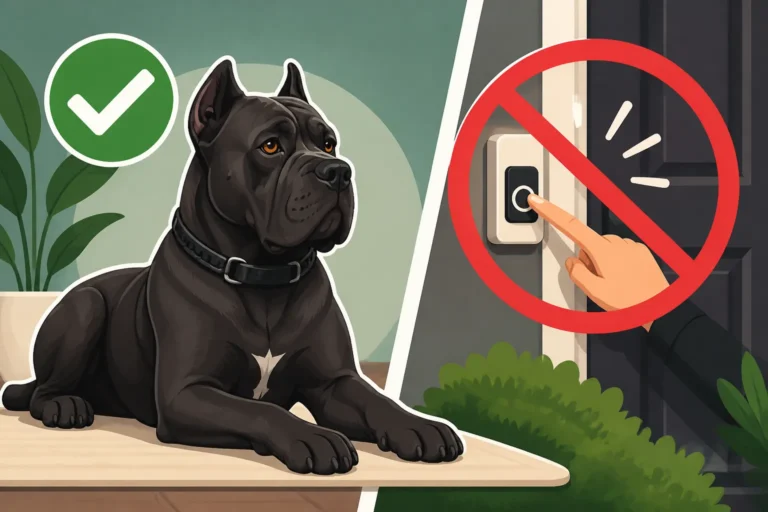
The "place" command is an absolute game-changer for public reliability. It teaches your Cane Corso to go to a designated spot – a mat, a cot, or even just a specific patch of ground – and stay there until released. This isn't just for home use; imagine being able to take your Cane Corso to an outdoor restaurant, a friend's house, or a busy park, and have them calmly settle on their mat while you enjoy your time. This command provides a clear, understood boundary for your dog and gives them a job to do: be still and relax.
Start teaching "place" at home in a low-distraction environment, gradually increasing distractions and the duration they need to stay. Use high-value rewards when they settle calmly. Once they understand the concept, practice it in different locations: your backyard, a quiet corner of a park, and eventually busier areas. A sturdy, portable dog cot can be a great tool for this, giving your dog a consistent "place" no matter where you are. This command empowers your Cane Corso to make good choices, offering them a clear path to calm behavior in potentially overwhelming situations. To really nail this, you might find Teaching a Cane Corso to Hold a Place Cot helpful.
The Importance of a Reliable Recall in Any Environment
A reliable recall, or coming when called, is perhaps one of the most critical safety commands for any dog, especially a powerful breed like the Cane Corso. While a "boring" Cane Corso should ideally be on a leash in most public settings for safety and courtesy, there will be times when an off-leash recall is necessary, whether in a designated dog park, on a hike, or in an emergency situation. A Cane Corso that ignores your call to chase a squirrel or greet a stranger can quickly escalate into a dangerous or problematic scenario.
Building a bomb-proof recall starts early and requires consistent reinforcement. Practice in varied environments, always starting with low distractions and gradually increasing them. Use a long line (a 30-50 foot leash) to practice giving your dog more freedom while still maintaining control. Reward generously with treats and praise when they return to you, making coming back the best thing ever. Remember, the goal is for your Cane Corso to choose to come to you, even when there are incredibly tempting distractions. This command is a foundational piece of public safety and gives you immense peace of mind. Check out Recall Training a Cane Corso in an Open Field for more in-depth strategies.
Loose Leash Walking as a Cornerstone of Public Behavior
There’s nothing "boring" about being dragged down the street by a hundred-pound dog. In fact, it’s often stressful, frustrating, and even dangerous. Loose leash walking is a non-negotiable skill for a Cane Corso if you want them to be a pleasant public companion. This means your dog walks politely by your side, with a slack leash, not pulling, lunging, or weaving. It allows you to navigate crowded areas with ease, maintain control, and enjoy your time together.
Start teaching loose leash walking from day one, even with a tiny puppy. Use positive reinforcement to reward your puppy for keeping a slack leash and walking beside you. Change directions frequently, stop and start, and reward attention. If your Cane Corso starts to pull, stop walking immediately. Movement is the reward; if they pull, the reward goes away. Consistency is key. Investing in a good quality harness or collar that helps manage pulling can be helpful while you’re training, but the ultimate goal is for your dog to learn to walk politely regardless of the equipment. A relaxed dog on a relaxed leash projects calm and confidence, contributing to that desirable "boring" public image. For a deeper dive, read Loose Leash Walking a Cane Corso Puppy.
Managing the Cane Corso's Natural Guardian Instincts
The Cane Corso's guardian instincts are a huge part of what makes them such incredible companions, but these instincts must be carefully understood and channeled, especially in public settings. Left unchecked or improperly managed, their innate desire to protect can manifest as reactivity, aggression, or an inability to relax when exposed to novel stimuli. The key is to teach your Cane Corso when and how to engage their guardian role appropriately, and more importantly, when to defer to your judgment.
Recognizing and Channeling Alert Behaviors
A Cane Corso is wired to be observant. They will notice things you don't – a person approaching from a distance, a strange noise, or an unfamiliar scent. This is their natural alert behavior, and it's a valuable trait. The problem arises when this alert behavior escalates into excessive barking, lunging, or aggressive posturing towards perceived threats that aren't actually dangerous. The goal is not to eliminate their alert system, but to teach them to alert you, and then defer to your assessment.
When your Cane Corso alerts (e.g., a low growl, a focused stare, an ear twitch), acknowledge it calmly. Say "Thank you, I see it," and then redirect their attention back to you with a "leave it" or a "look at me" command, followed by a reward. This teaches them, "I hear you, I appreciate the heads-up, but I've got this." Over time, they learn to trust your judgment and will be less likely to take matters into their own paws. This channeling helps maintain their natural protective nature without making them a public liability. Understanding The Difference Between Guarding and Reacting in a Cane Corso can really help here.
Teaching Your Cane Corso Appropriate Public Engagement
In public, a Cane Corso needs to understand that not everyone is a friend, and not everyone needs to be approached or engaged with. Their default setting should be polite indifference. This means teaching them that their "job" in public is to walk calmly with you, observe, and ignore. If someone does want to interact, it should be on your terms, after you've assessed the situation.
Practice having your Cane Corso sit or stand calmly by your side when people approach. If they try to jump or solicit attention, calmly block them and redirect them to a sit-stay. Reward them for calm, neutral behavior. You can even train a "go say hello" cue for when it is appropriate, ensuring they only engage with your permission. This controlled approach prevents them from becoming overly friendly with strangers, which can be misconstrued, and reinforces that you are the one who dictates public interactions. It prevents them from deciding on their own who is "good" or "bad," making them safer and more predictable.
Addressing Reactivity with Proactive Management
Reactivity—barking, lunging, growling at triggers like other dogs, strangers, or moving objects—is a common issue that often stems from unmanaged guardian instincts, poor socialization, or fear. If your Cane Corso is already showing signs of reactivity, ignoring it will only make it worse. Proactive management and consistent training are critical. This means identifying your dog's triggers and working below their threshold.
Below threshold means you expose your Cane Corso to their trigger at a distance where they notice it but don't react. For example, if your dog barks at other dogs from 20 feet away, start at 50 feet. Reward them for looking at the trigger and then looking back at you, or for simply remaining calm. Gradually decrease the distance as their comfort grows. This process, often called desensitization and counter-conditioning, changes your dog's emotional response from negative to neutral or positive. Sometimes, a muzzle is an invaluable tool for both safety and peace of mind during this process, allowing you to train more confidently. Why Every Cane Corso Should Be Muzzle Trained Early offers excellent insights on this. Consistency, patience, and often, professional guidance, are key to overcoming reactivity and achieving that "boring" public demeanor.
The Role of Exercise and Mental Stimulation
A "boring" Cane Corso in public is often a dog whose physical and mental needs are consistently met at home. These are not couch potatoes; they are powerful, intelligent working dogs. If a Cane Corso is under-exercised or bored, they will find their own ways to expend energy and stimulate their minds, which often translates into undesirable behaviors like pulling on the leash, barking excessively, or being over-aroused in public. Meeting their needs proactively is an act of preventative training.
Meeting Your Cane Corso's Physical Exercise Needs
While Cane Corsos aren't endurance athletes like some sporting breeds, they do require consistent, moderate to vigorous exercise. This isn't just a quick potter around the block; it means purposeful activity that works their body and burns off excess energy. Aim for at least 60-90 minutes of dedicated exercise daily, ideally split into two sessions. This could include brisk walks, jogging (once fully grown and cleared by a vet), hiking, or structured playtime in a securely fenced yard.
Consider incorporating different types of exercise to keep things interesting. A long, sniffy walk where they can explore scents can be as mentally stimulating as it is physically. Playing fetch or tug in the yard can provide intense bursts of activity. Remember, proper exercise not only tires them out physically but also contributes to their overall mental well-being, making them more receptive to training and calmer in public settings. For guidance on appropriate exercise, look into [Meeting Your Cane Corso's Physical Exercise Needs]. An appropriately exercised Cane Corso is far less likely to be restless or reactive when out in public.
Engaging the Cane Corso Mind with Scent Work and Puzzles
Physical exercise alone is often not enough for an intelligent breed like the Cane Corso. Their minds need a workout too! Mental stimulation can be just as tiring, if not more so, than physical activity, and it helps to prevent boredom-related issues. Scent work, puzzle toys, and obedience training all serve this purpose beautifully.
Scent work, such as 'find it' games where you hide treats around the house or yard, taps into their natural sniffing abilities and is incredibly enriching. Snuffle mats and puzzle feeders, which can be found easily on platforms like Amazon, make meal times a mentally engaging activity rather than just gobbling down food. Regular short training sessions, even just 5-10 minutes a couple of times a day, working on new cues or refining old ones, also provide valuable mental exercise. A dog that is regularly challenged mentally is often a more content and calmer companion. These activities help channel their powerful drive into constructive outlets, contributing to their overall "boring" and well-adjusted public persona.
The Link Between Boredom and Destructive Public Behavior
A bored Cane Corso is a problem waiting to happen. When their physical and mental needs aren't met, they will often create their own entertainment, and this can spill over into public behavior. This might look like excessive barking at everything, incessant pulling on the leash, mouthing, jumping, or even destructive chewing if left unattended for too long in a public space. These aren't necessarily malicious behaviors; they are often simply an outlet for pent-up energy and a lack of appropriate stimulation.
Imagine trying to keep a curious, intelligent dog quiet and still at an outdoor event if they haven't had a proper walk or any mental engagement all day. It's an uphill battle. By consistently providing adequate exercise and mental enrichment, you reduce the likelihood of these undesirable behaviors manifesting in public. A well-stimulated Cane Corso is more likely to be calm, attentive, and focused on you, making that "boring" public appearance achievable and sustainable. Think of it as investing in your dog's psychological health, which pays dividends in their public manners.
Tools and Strategies for Public Success
Beyond foundational training and meeting needs, there are practical tools and strategies that can significantly contribute to your Cane Corso's "boring" public success. These aren't replacements for training, but rather aids that help you maintain control, ensure safety, and build your dog's confidence in various situations. Choosing the right equipment and knowing when to seek expert help are crucial steps for responsible Cane Corso ownership.
Choosing the Right Leash and Collar for Control
The right equipment can make a world of difference in managing a powerful breed like the Cane Corso in public. While the ultimate goal is for your dog to walk politely on any equipment, starting with tools that give you maximum control and comfort is wise, especially during the learning phases.
- Leashes: A sturdy, comfortable 6-foot leash made of leather or durable nylon is generally recommended. Avoid retractable leashes, as they offer little control and can be dangerous with a strong dog. For recall practice, a long line (20-50 feet) is essential.
- Collars: A flat buckle collar is suitable for identification tags, but for walking and control, many Cane Corso owners find other options more effective. A martingale collar can prevent slipping out, especially if your dog has a narrower head than neck. Some owners use prong collars or head halters (like a Halti or Gentle Leader) as training aids to help manage pulling. These should always be used with proper instruction to avoid misuse and discomfort. The key is to find what works best for you and your dog to ensure safety and effective communication. Always ensure any collar or harness is properly fitted to prevent chafing or escape. Consider exploring brands available on Amazon for a wide selection of durable options.
The Value of Muzzle Training for Peace of Mind
Muzzle training is one of the most proactive and responsible things you can do for your Cane Corso, regardless of whether they have ever shown aggression. A well-conditioned muzzle is not a punishment or a sign of a "bad" dog; it is a safety tool that offers peace of mind in a multitude of situations. Imagine needing an emergency vet visit, or having your dog undergo a stressful grooming procedure – a muzzle ensures that stressed or frightened dog cannot accidentally bite someone.
Beyond emergencies, a muzzle can be invaluable during rehabilitation for reactive dogs, allowing you to train safely and with confidence. It also changes public perception; a muzzled dog, paradoxically, can sometimes make people more comfortable, knowing you are a responsible owner. Start muzzle training early and make it a positive experience, associating the muzzle with treats and good things. A basket muzzle (like a Baskerville muzzle, also available on Amazon) allows your dog to pant, drink, and take treats, ensuring their comfort. This foresight is a hallmark of a truly prepared Cane Corso owner. Don't miss Fitting a Basket Muzzle on a Cane Corso for detailed instructions.
Professional Guidance and Online Resources
Sometimes, despite your best efforts, you might encounter challenges that require a bit more expertise. Don't be afraid or ashamed to seek professional guidance! A certified professional dog trainer or behaviorist specializing in large guardian breeds can provide invaluable insights, personalized strategies, and hands-on coaching to help you achieve your "boring" public Cane Corso. They can identify subtle behaviors you might be missing and help you navigate specific training hurdles.
Beyond in-person help, there are fantastic online resources. Programs like BAXTER & Bella offer comprehensive online puppy and dog training courses that can be a lifesaver, especially for first-time Cane Corso owners. These programs often provide step-by-step videos, live Q&A sessions, and a supportive community, allowing you to learn at your own pace from the comfort of your home. Books, online articles, and reputable YouTube channels from positive reinforcement trainers also offer a wealth of knowledge. The investment in professional guidance or quality online resources is an investment in your dog's future and your relationship, helping you build that stable, confident companion that makes every public outing a joy. Remember, owning a Cane Corso isn't always easy, and asking for help shows true dedication. For those facing specific issues, What to Look For in a Cane Corso Trainer can provide useful criteria.
| Aspect | "Boring" Cane Corso (Ideal) | "Excitable" Cane Corso (Problematic) |
|---|---|---|
| Public Demeanor | Calm, observant, focused on handler, neutral to distractions. | Jumpy, lunges, barks excessively, pulls, seeks attention from strangers. |
| Leash Manners | Walks with a loose leash, responsive to handler cues. | Drags owner, pulls constantly, zig-zags, unpredictable. |
| Socialization | Exposed neutrally to diverse stimuli, confident and indifferent. | Overwhelmed, fearful, or overly reactive/friendly to novel stimuli. |
| Guardian Instincts | Alerts handler appropriately, defers to handler's judgment. | Reacts independently to perceived threats, barks/growls at non-threats. |
| Mental State | Relaxed, confident, feels secure with owner. | Stressed, anxious, overstimulated, frustrated. |
| Owner Experience | Enjoyable, harmonious, able to go many places together. | Stressful, limiting, often avoids public outings, exhausting. |
Disclaimer
This article is for general informational purposes only and does not constitute professional advice. Laws, prices and regulations vary by location and change over time. Consult a qualified professional for guidance on your specific situation.