Rehabilitating a Cane Corso That Was Never Taken Out
Bringing a Cane Corso into your life is a huge commitment, and sometimes, through no fault of their own or yours, a dog may arrive having missed out on crucial early life experiences. You might find yourself with a powerful, intelligent, but deeply undersocialized Cane Corso who has spent their formative months or even years without proper exposure to the world outside their immediate environment. This can be incredibly frustrating and even daunting, creating a dog that views nearly everything new with suspicion, fear, or over-arousal. This comprehensive guide is here to walk you through the realistic steps and unwavering patience required to rehabilitate a Cane Corso that was never taken out, helping them build confidence and learn to navigate the wider world more calmly and safely.
Understanding the Impact of Isolation on a Cane Corso
When a Cane Corso, or any dog for that matter, is deprived of varied experiences during their critical developmental periods, it doesn't just make them a little shy; it fundamentally shapes how they perceive and interact with the world around them. For a breed as formidable and protective as the Cane Corso, this lack of early exposure can amplify their natural guarding instincts into something that becomes difficult to manage in everyday life. It's not about malice; it's often about intense fear and uncertainty.
The Critical Socialization Window Missed
Every puppy goes through a crucial socialization window, typically between 3 and 16 weeks of age. During this time, their brains are like sponges, soaking up every new sight, sound, smell, person, and dog as normal and safe. For a Cane Corso, whose natural temperament leans towards being reserved with strangers and protective of their family, this window is even more vital. If a Cane Corso puppy spends this time confined to a single yard, house, or only interacting with one or two people, they learn that the "known" is safe and everything else is potentially a threat.
Imagine a world where everything outside your house is alien and potentially dangerous. That's essentially what an undersocialized Cane Corso experiences. They didn't get to learn that the mailman is just doing his job, or that other dogs are for sniffing and sometimes playing, or that children running and screaming are just having fun. Instead, these novel stimuli become triggers for fear, which often manifests as barking, lunging, growling, or even attempts to flee or fight. This missed opportunity in puppyhood cannot truly be "made up," but it can certainly be addressed and improved upon with consistent, careful work. It’s critical to understand The Socialization Window a Cane Corso Puppy Gets and the lasting implications of missing it.
Fear, Reactivity, and Guarding Behaviors
These three issues often go hand-in-hand in a Cane Corso that hasn't been properly exposed.
- Fear: This is often the root. A dog that hasn't seen the world finds it overwhelming. A simple walk down a busy street can be a terrifying onslaught of noises, smells, and moving objects. This fear can lead to avoidance (hiding, trying to pull away) or aggressive displays (barking, lunging) as a "keep away" signal.
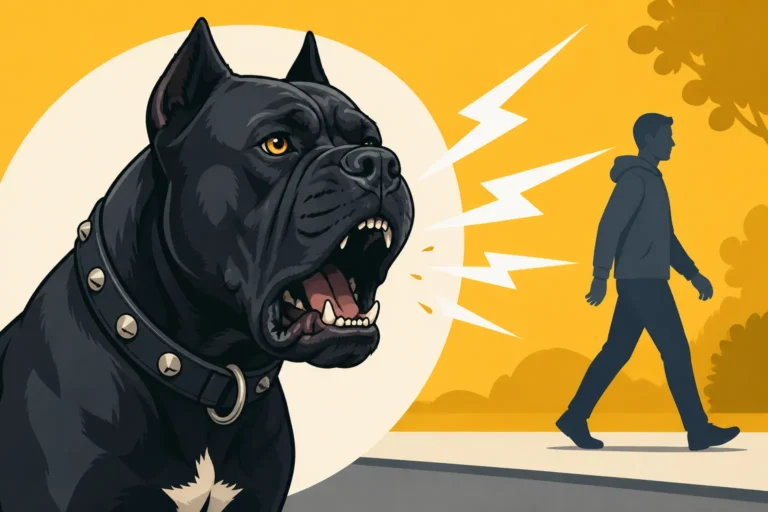
- Reactivity: This is the behavioral manifestation of that fear or over-arousal. It’s when your Cane Corso sees another dog, a person, a bicycle, or even a blowing plastic bag and explodes into a barking, lunging frenzy. They're often trying to make the scary thing go away, or they're so overstimulated that they can't think clearly. This isn't just embarrassing; it can be dangerous given the strength and size of a Cane Corso.
- Guarding: While inherent to the breed, an undersocialized Cane Corso’s natural guarding instinct can become hyper-vigilant and misplaced. They might guard you from friendly strangers, guard the car from passersby, or guard their perceived territory (your walking path, the park bench) from anyone approaching. They interpret neutral stimuli as threats, leading to an over-the-top protective response. You might notice What a Cane Corso's Hard Stare Means in these situations, which can escalate quickly.
It's a vicious cycle: the dog reacts, you get stressed, you might avoid situations, and the dog never learns that these things aren't actually threatening. This cycle needs to be broken systematically and patiently. Understanding What an Anxious Cane Corso Looks Like is the first step to addressing these issues effectively.
Laying the Foundation for Rehabilitation
Before you even think about tackling the bustling world outside, you need to establish a rock-solid foundation of trust, communication, and basic manners within the confines of your home and immediate property. This isn't just about training; it's about building a partnership based on security and understanding.
Building Trust and a Secure Base at Home
Your Cane Corso needs to see you as their calm, reliable leader who can navigate the world for them. This means creating a predictable routine, setting clear boundaries, and using consistent, positive reinforcement for desired behaviors.
- Predictable Schedule: Dogs thrive on routine. Regular meal times, potty breaks, and short training sessions help reduce anxiety and build confidence. Your dog learns what to expect, which is incredibly reassuring for an insecure animal.
- Positive Reinforcement: Focus entirely on rewarding behaviors you want to see. When your Cane Corso is calm, quiet, or makes eye contact with you instead of fixating on something, mark that moment with a treat, praise, or a favorite toy. Avoid punishment, as it can exacerbate fear and break down trust, especially in a breed as sensitive yet powerful as a Cane Corso. If you're struggling with where to start, programs like BAXTER & Bella offer online resources that can guide you through foundational positive reinforcement techniques from the comfort of your home.
- Clear Boundaries: A Cane Corso needs to understand its role and limits. This means teaching them polite greetings with family members, where they're allowed to be, and basic obedience commands like "sit," "stay," and "place." The Place Command That Saves a Cane Corso Household can be incredibly helpful for teaching your dog to settle and observe from a designated spot, especially when guests arrive. This provides a safe, predictable routine during potentially stressful situations.
Building this trust at home is paramount. If your Cane Corso doesn't trust you to keep them safe and guide them in a familiar environment, they certainly won't trust you when faced with the unknown outside. This is a journey of patience and consistency, and it starts with you being the anchor your dog needs.
Desensitization and Counter-Conditioning Indoors
Once a solid home base is established, you can begin introducing elements of the "outside world" in a controlled, non-threatening way, right there in your living room or yard. This is where desensitization (gradually exposing them to a stimulus at a low intensity) and counter-conditioning (changing their emotional response to that stimulus) come in.
- Sounds: Start playing recordings of common outdoor noises at a very low volume – traffic, children playing, other dogs barking, sirens. Pair these sounds with high-value treats or a favorite game. As your dog remains calm, very slowly increase the volume over days or weeks. The goal is for the sound of a distant truck horn to mean "treat time!" instead of "danger!"
- Visual Cues: Have family members dress in different hats, wear sunglasses, carry umbrellas, or move in unusual ways (walking with a limp, using a cane). Again, pair these sights with treats and praise. Start at a distance where your dog isn't reacting, and gradually decrease the distance.
- Smells: If you know specific triggers, like other dogs, you can try to get a towel rubbed on a calm, friendly dog and bring it home. Let your Cane Corso sniff it from a distance, pairing the smell with positive reinforcement.
- Novel Objects: Introduce items like skateboards, strollers, or bicycles into your yard. Initially, place them far away. As your Cane Corso calmly observes, reward them. Slowly move the objects closer, or even have a family member gently push them past the dog at a distance, always pairing with positive experiences.
- You can easily find specific sound recordings or training aids on platforms like Amazon to assist with these exercises, creating your own mini "real world" for your Cane Corso to safely experience.
The key here is to keep your Cane Corso below their threshold – the point at which they start reacting. If they're barking, lunging, or showing signs of intense fear, you've gone too far, too fast. Retreat, make the stimulus less intense, and try again.
Essential Tools for Managing a Reactive Cane Corso
For a strong breed like the Cane Corso, having the right equipment isn't optional; it's essential for safety and effective training.
- Muzzle Training: This might sound scary, but it's a crucial tool, not a punishment. A well-fitted basket muzzle allows your Cane Corso to pant, drink, and take treats, but prevents accidental bites. It offers peace of mind when working on reactivity in public or introducing them to new people. Start muzzle training before you need it, making it a positive experience with treats and praise. Knowing Why Every Cane Corso Should Be Muzzle Trained Early can make a huge difference in the rehabilitation process.
- Proper Leash and Collar/Harness: A standard buckle collar might not be enough to control a reactive Cane Corso. A well-fitted front-clip harness can help redirect their pull and give you more leverage. Some owners find success with head halters, though these require careful introduction. A sturdy, 6-foot leash made of strong material is vital. Avoid retractable leashes, as they offer little control and can be dangerous. For training recall in a secure area, a long line, often 15-30 feet, can give your dog more freedom to explore while still allowing you to intervene. You can find a wide range of these tools, from harnesses to long lines, on Amazon.
- High-Value Treats: Forget bland kibble. When you're asking a fearful or reactive Cane Corso to engage with the world, you need something incredibly motivating. Think cooked chicken, hot dogs, cheese, or specialized training treats. These are your most powerful currency for counter-conditioning.
| Tool Category | Purpose | Key Considerations |
|---|---|---|
| Muzzles | Prevents bites, provides safety during exposure | Must be a basket muzzle, allow panting/drinking/treats |
| Leashes | Control and connection to handler | Sturdy, 6-foot standard; avoid retractable |
| Harnesses | Redirects pulling, prevents neck strain | Front-clip or Y-front recommended for control |
| Long Lines | Allows safe exploration in open spaces | 15-30 ft, used in secure areas, for recall practice |
| High-Value Treats | Motivation for counter-conditioning, builds positive associations | Soft, smelly, easily swallowed; varied options to keep interest |
Strategic Outdoor Exposure and Training
Once you've built a strong foundation at home, it's time to carefully and strategically introduce your Cane Corso to the outside world. This phase requires immense patience, sharp observation skills, and a commitment to keeping your dog under their threshold.
Controlled Outings to Low-Stimulus Environments
This isn't about throwing your Cane Corso into a dog park. It's about starting small and slow.
- Choose Your Environment Wisely: Think quiet cul-de-sacs, empty parking lots during off-hours, or very quiet walking trails. Avoid busy streets, dog parks, or crowded public spaces initially. The goal is minimal triggers.
- Short Durations: Your first outings might only be 5-10 minutes. The objective isn't a long walk, but a calm, positive experience. End the session before your dog becomes overwhelmed or starts reacting.
- Focus on Observation, Not Interaction: Your Cane Corso doesn't need to meet every person or dog they see. In fact, for a reactive dog, interaction can be detrimental. The goal is for them to observe the world from a safe distance, remaining calm.
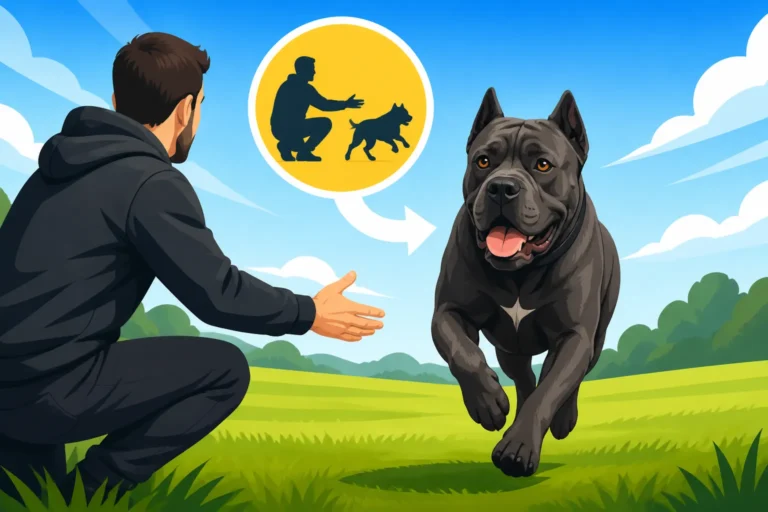
- The "Look at That" Game: This is a fantastic tool for counter-conditioning. When you see a potential trigger (e.g., another dog in the distance), before your Cane Corso reacts, point it out calmly and immediately give a high-value treat. Say "Look at that!" then "Good!" and treat. Repeat this. The idea is to change their association from "scary thing = react" to "scary thing = treat from my human!" Over time, they start to associate the trigger with positive things.
- Distance is Your Friend: Always maintain enough distance from triggers so your Cane Corso notices them but doesn't react. If they react, you're too close. Increase the distance immediately. This might mean crossing the street, turning around, or finding a wider path.
- Remember that Loose Leash Walking a Cane Corso Puppy principles apply here too; a calm, predictable walk can be a powerful tool for building confidence.
Working with a Professional Trainer or Behaviorist
For an undersocialized Cane Corso with significant fear or reactivity, professional guidance is often indispensable. This isn't a sign of failure; it's a sign of responsible ownership.
- Seek Out Specialists: Look for trainers or behaviorists with experience in large guardian breeds and a strong emphasis on positive reinforcement and fear-free methods. Avoid anyone who suggests harsh corrections, dominance theory, or "alpha" techniques, as these can severely damage a fearful Cane Corso's trust and escalate aggression. Understanding What to Look For in a Cane Corso Trainer is paramount.
- One-on-One Sessions: Group classes are usually too overwhelming for undersocialized dogs initially. Private sessions allow the trainer to assess your dog, your handling, and create a customized plan in your specific environment.
- Behavioral Consults: For more severe cases, a veterinary behaviorist (a DVM with specialized training in animal behavior) can provide invaluable insights, sometimes even prescribing medication to help reduce anxiety, making training more effective. This isn't a "magic pill" but can lower your dog's baseline anxiety enough for them to learn.
A good professional will teach you how to read your dog's body language (e.g., Reading a Cane Corso's Body Language at a Distance), manage situations, and continue the training long after their sessions are over. They will guide you on questions like Whether a Cane Corso Can Be Socialized After a Year, providing realistic expectations and strategies.
Ongoing Management and Maintenance
Rehabilitating an undersocialized Cane Corso is not a quick fix; it's a lifelong commitment.
- Consistency is Key: Continue with daily training, managed exposures, and reinforcing positive behaviors. Inconsistency can quickly lead to regression.
- Controlled Social Interactions: As your Cane Corso progresses, you might be able to introduce them to one or two calm, stable dogs in a highly controlled environment. Avoid free-for-all dog parks entirely. Quality over quantity is the mantra here.
- Identify and Manage Triggers: You'll learn what sets your dog off. The goal isn't always to eliminate every trigger, but to teach your Cane Corso to cope with them or to avoid them when necessary. Sometimes, simply avoiding a known trigger area during peak times is the smartest strategy.
- Advocacy: You are your Cane Corso's advocate. Don't be afraid to politely tell people not to approach, pet, or crowd your dog. A simple "Please give us some space, we're training" usually suffices. This helps prevent your dog from being pushed past their comfort level.
Addressing Specific Behavioral Challenges
Undersocialized Cane Corsos often present with specific, challenging behaviors that need targeted approaches.
Addressing Leash Reactivity Towards Dogs and People
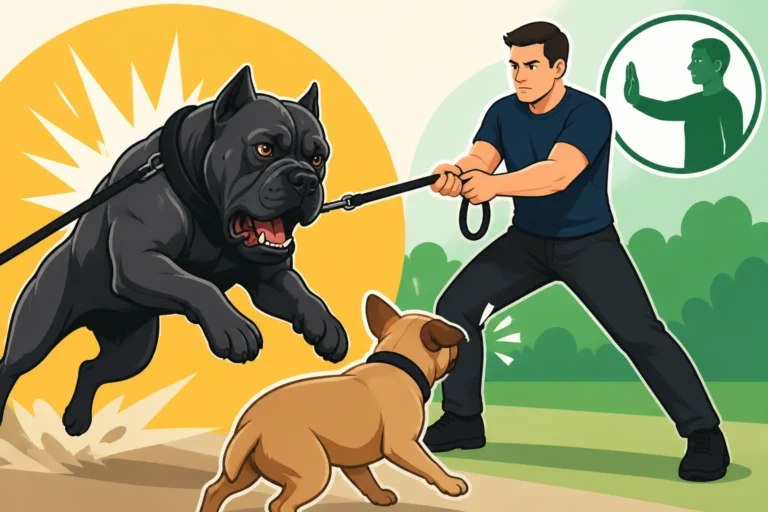
This is one of the most common and difficult issues. When your Cane Corso barks, growls, or lunges on the leash, it's often a mixture of fear, frustration, and a learned behavior that "acting big" makes the scary thing go away.
- Threshold Training: As discussed, find the distance where your dog notices the trigger but doesn't react. This is their threshold. Work at or just below it.
- "Engage/Disengage" Game: When you spot a trigger at a safe distance, reward your Cane Corso for simply looking at it (Engage). Then, reward them for looking away from it and back at you (Disengage). This teaches them that seeing a trigger means good things happen, and disengaging gets more rewards.
- Change of Direction: If your Cane Corso starts to fixate or shows early signs of reactivity (stiffening, hard stare), quickly and calmly change direction. U-turn and walk the other way, or duck behind a car. This breaks their focus and prevents an escalation.
- Pattern Games: Teach your dog a predictable pattern when a trigger appears. For example, "look at me, treat, heel for five steps, treat." This gives them a job to do and reduces anxiety.
- Consider working with a trainer on a Using a Long Line With a Cane Corso for practice in open, safe areas, allowing them to gain confidence while still under your control, especially for recall when distractions are present. If you have a Cane Corso that barks at everyone who passes, these techniques are especially important. A Cane Corso That Barks at Everyone Who Passes can be a major source of stress for both dog and owner.
Managing Guarding Behaviors in Public
While Cane Corsos are natural guardians, an undersocialized one might guard you, your car, or even a picnic blanket from anyone approaching.
- Anticipate and Pre-empt: If you know you're going to be in a situation where guarding might occur (e.g., sitting at a cafe, near your car), prepare. Have high-value treats ready.
- Create Positive Associations: As people or dogs approach, immediately start a stream of high-value treats before your Cane Corso starts to guard. The goal is for them to associate approaching strangers with delicious food, not threat.
- Use the "Place" Command: If you're going to be stationary, ask your Cane Corso to go to their "place" (a mat or cot) and reward them for staying there calmly as people pass. This gives them a defined boundary and a clear behavior to perform. This also applies at home; Stopping a Cane Corso From Blocking the Front Door can be achieved by teaching a strong "place" command.
- Don't Force Interaction: Never force your Cane Corso into situations where they feel compelled to guard. Respect their need for space and control the environment as much as possible.
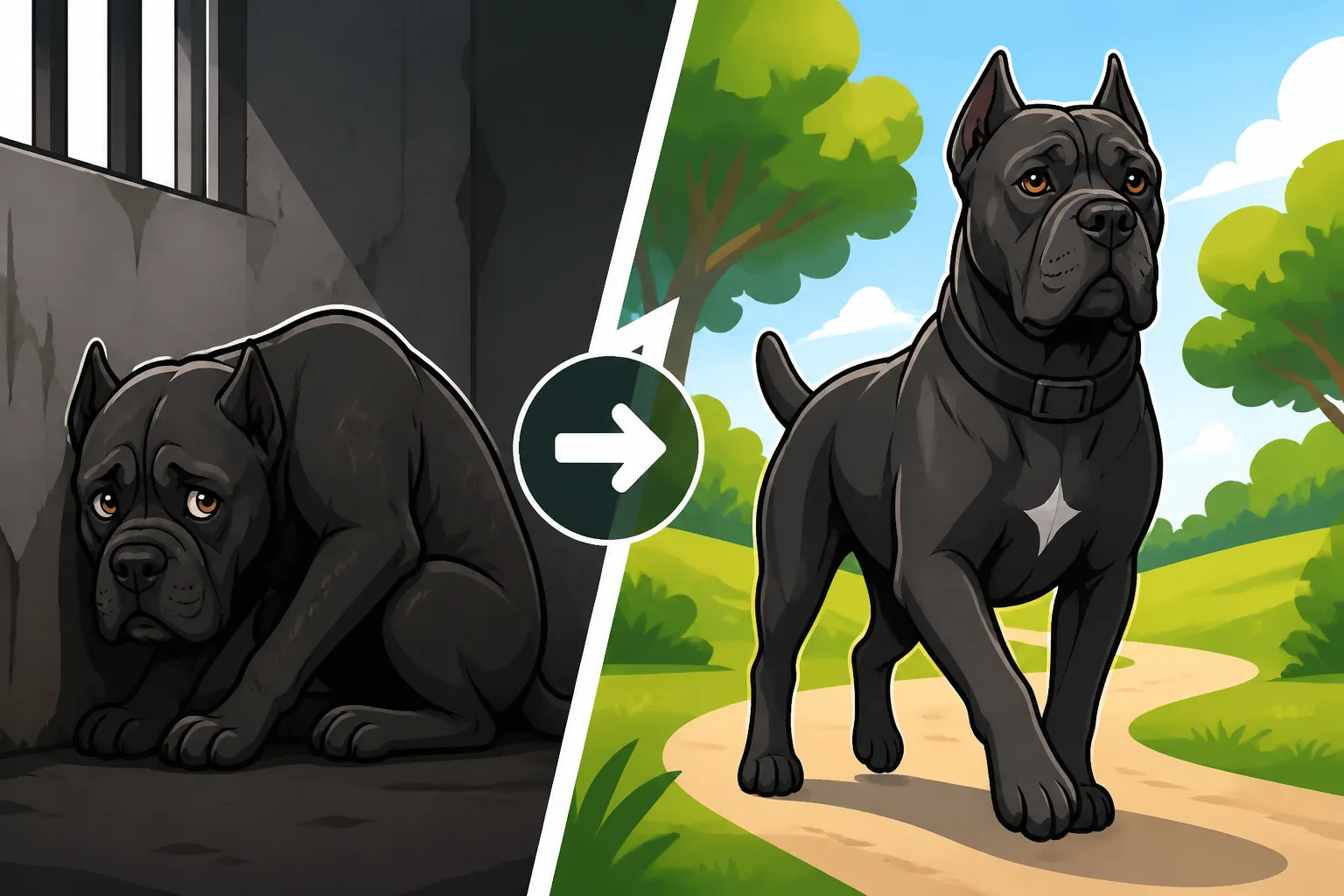
Rehabilitating an undersocialized Cane Corso is a marathon, not a sprint. There will be good days and bad days. Celebrate the small victories, learn from the setbacks, and remember that with consistent effort, patience, and often professional guidance, you can help your Cane Corso learn to trust, cope, and even enjoy the world around them.
Disclaimer
This article is for general informational purposes only and does not constitute professional advice. Laws, prices and regulations vary by location and change over time. Consult a qualified professional for guidance on your specific situation.