Whether a Front Clip Harness Stops a Cane Corso Pulling
There's nothing quite like the feeling of pride as you step out with your majestic Cane Corso, but that pride can quickly turn into a strained shoulder and an aching arm if your big pup decides to become a ninety-pound sled dog. Many of us have been there, wrestling with a powerful dog who sees the world as a giant playground to be explored at full throttle. This guide is here to shed some light on whether a front-clip harness can truly be the game-changer for your Cane Corso's leash pulling, offering practical insights and training tips to help you both enjoy your walks again.
Understanding Why Your Cane Corso Pulls on Leash
It's easy to get frustrated when your Cane Corso pulls, feeling like they're just being stubborn or disobedient. But understanding why they pull is the first step toward finding a real solution. These magnificent dogs are bred for strength, guarding, and working, and their natural instincts, combined with their sheer physical presence, can make leash walking a significant challenge if not addressed correctly and consistently from a young age.
The Instinct to Guard and Patrol
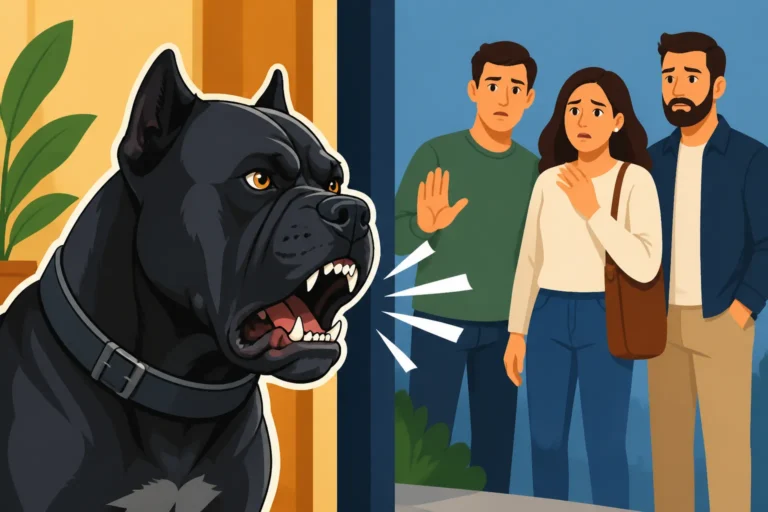
Cane Corsos possess a deep-seated guardian instinct. They are alert, observant, and naturally inclined to patrol their environment. On a walk, this translates into a dog who wants to be aware of everything happening around them. They might pull forward to investigate a smell, bark at a distant jogger, or even react to another dog passing by. This isn't necessarily malice; it's their hardwired drive to assess and protect. When you combine this powerful instinct with a lack of proper guidance, that natural curiosity and vigilance can manifest as intense pulling, as they try to take the lead in surveying their "territory" (the sidewalk, the park, the neighborhood). They feel a responsibility to be in charge, and when you’re attached, you’re just along for the ride.
Strength and Size as a Factor
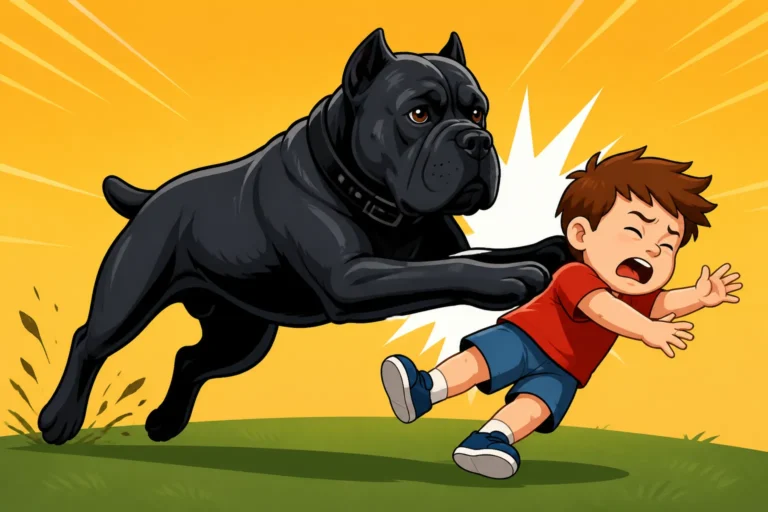
Let's be honest: a full-grown Cane Corso can weigh upwards of 100 to 120 pounds, sometimes even more. Their muscle mass and sheer power are incredible. When a dog of this size decides to put their weight into pulling, it's not a fair fight for the human on the other end of the leash. This isn't like walking a smaller breed; a Cane Corso's natural strength means that even if they're not intentionally trying to drag you, a sudden lunge or burst of excitement can feel like being hit by a small truck. This physical disparity often leads owners to seek tools that can help manage that incredible power. It's not just about correcting behavior, it's about safety for both you and your dog, especially if you're caught off guard or on uneven terrain. This is why addressing Leash Manners Before a Cane Corso Hits Ninety Pounds is so critical.
Lack of Early Leash Training and Consistency
Many pulling problems stem from a foundational issue: insufficient or inconsistent early leash training. A Cane Corso puppy might seem adorable when they're little and exploring, pulling lightly on the leash. We often excuse it, thinking they'll "grow out of it." However, what starts as a mild tug from a twenty-pound puppy quickly becomes an unsustainable drag from a hundred-pound adolescent. If a dog learns that pulling gets them to where they want to go faster – whether it's a sniff spot, another dog, or the front door – they will continue to do it. The habit becomes ingrained. Consistency is key; every walk, every interaction on the leash, is a training opportunity. Without clear rules and consistent enforcement, your Cane Corso will simply follow their own agenda, using their considerable strength to lead the way.
How a Front-Clip Harness Works for a Pulling Cane Corso
So, with all that power and instinct, can a simple front-clip harness really make a difference? For many Cane Corso owners, the answer is a resounding "yes," but it's important to understand how and why it can be effective, as well as its limitations. It's a tool, not a magic wand, but it's a very good tool in the right hands.
The Mechanics of the Front Clip
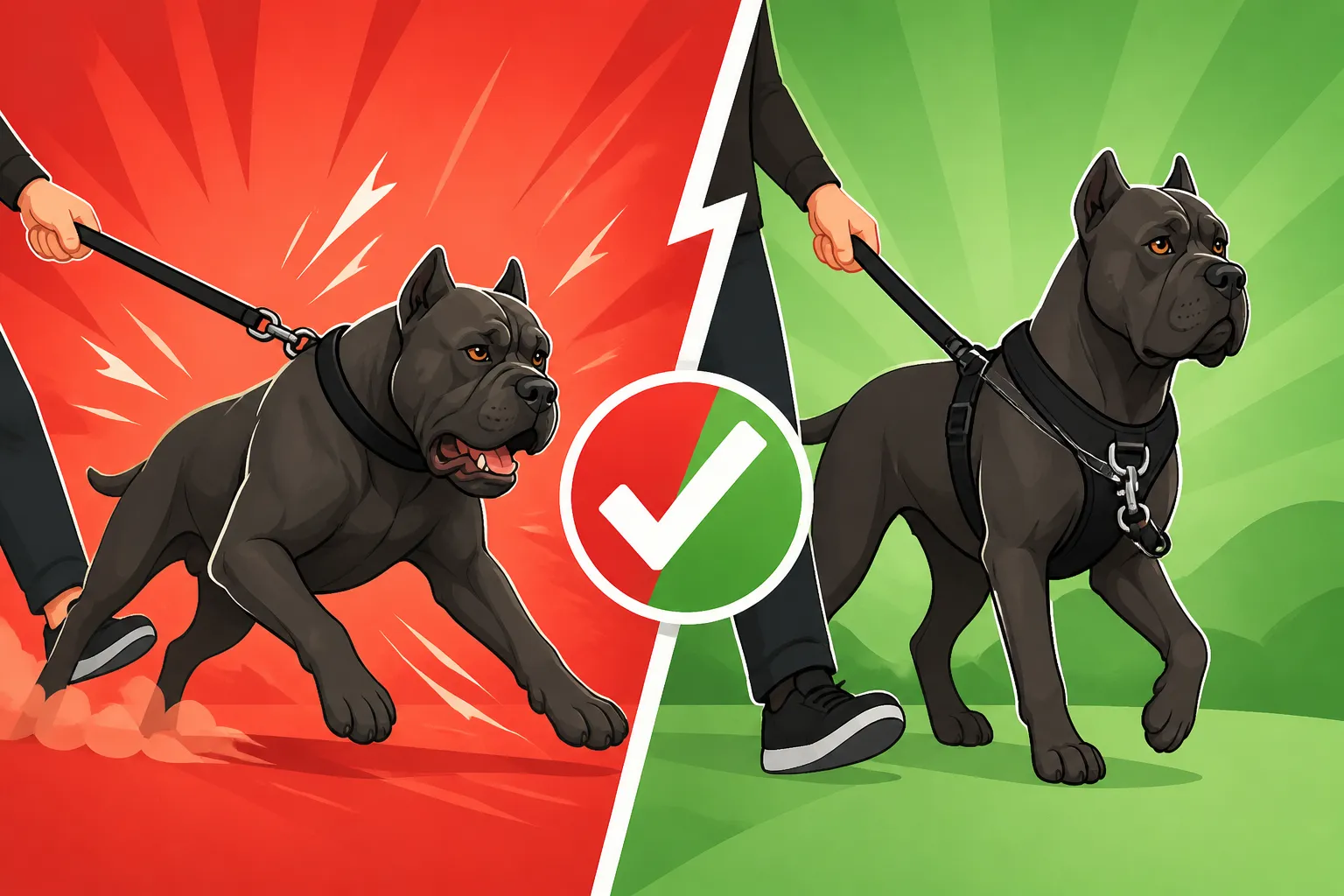
Unlike traditional back-clip harnesses or flat collars that allow a dog to lean into the pull with their entire chest, a front-clip harness changes the leverage point. When your Cane Corso pulls forward while wearing a front-clip harness, the leash, which attaches at the dog's chest, redirects their forward momentum. Instead of pulling straight ahead, they are gently guided to the side, or their body is turned slightly back towards you. This makes it physically uncomfortable and inefficient for them to continue pulling with full force. It disrupts their ability to put their shoulder and chest into the pull, making the act of pulling less rewarding and more cumbersome. It essentially says, "If you pull, you'll just turn sideways, not go forward faster."
When a Front-Clip Harness Shines
A front-clip harness is particularly beneficial for Cane Corsos because it works with their natural body mechanics to discourage pulling, rather than simply restricting their neck (like a flat collar) or causing discomfort (like some other corrective tools). It's generally considered a humane and safe option because it doesn't apply pressure to the trachea or neck, which is especially important for a large, deep-chested breed. Many owners find an immediate improvement in their dog's pulling behavior, often reducing the strain on their own arm significantly. It can be a great temporary solution to gain more control during walks, allowing you to focus on teaching proper leash manners without constantly fighting against your dog's strength. Brands like Ruffwear and PetSafe offer popular front-clip harness options, and you can find a wide variety of these harnesses on platforms like Amazon, making it easy to find one that fits your Cane Corso properly.
Limitations and Potential Drawbacks
While a front-clip harness can be incredibly helpful, it's crucial to understand its limitations. It's a management tool, not a cure for pulling. If you rely solely on the harness without any underlying training, your Cane Corso might still pull, albeit less effectively. Some dogs can still learn to pull, or they might develop an awkward gait as they try to compensate. For some dogs, the harness can rub under their armpits if not fitted correctly, potentially causing chafing or irritation, especially on a short-coated breed like the Cane Corso. Additionally, some trainers argue that while it stops pulling, it doesn't teach the dog how to walk nicely on a loose leash. It simply makes pulling less effective. This means you still need to actively engage in training to build long-term loose leash walking skills. It's a supportive aid, not a substitute for teaching your dog what you want them to do.
Integrating a Front-Clip Harness into Your Training Plan
Using a front-clip harness effectively means making it part of a larger, positive reinforcement-based training strategy. It's about combining the mechanical advantage of the harness with clear communication and rewards to teach your Cane Corso how to walk politely beside you. Remember, the goal is to ultimately have a dog that walks well regardless of the equipment, and the harness is a bridge to get there.
Proper Fit and Introduction
The first step is ensuring the harness fits your Cane Corso perfectly. A poorly fitting harness can be uncomfortable, ineffective, or even cause injury. You want it snug enough that your dog can't back out of it, but loose enough that it doesn't restrict their movement or rub their skin. You should be able to slide two fingers comfortably under all straps. Introduce the harness gradually, making it a positive experience. Let your dog sniff it, offer treats, and praise them for allowing you to put it on. Start with short durations in the house, then brief walks in a familiar, low-distraction environment. Pairing the harness with positive associations will help your Cane Corso accept it readily. This is part of the broader conversation about Which Collar and Lead Hold a Cane Corso.
Combining with Positive Reinforcement
The front-clip harness gives you the leverage, but positive reinforcement teaches your Cane Corso the desired behavior. Every time your dog walks with a loose leash, even for a few steps, mark that behavior with a verbal cue like "yes!" or a clicker, and then reward them with a high-value treat or praise. If they start to pull, simply stop walking. Stand still like a tree. Your Cane Corso will likely turn back to you, looking for what's happening. The moment the leash slackens, even a little, reward them and start walking again. This teaches them that pulling makes the walk stop, while a loose leash makes it continue and earns rewards. Consistency is key here. Practice Loose Leash Walking a Cane Corso Puppy from day one, and continue reinforcing good habits. For those seeking comprehensive online guidance, programs like BAXTER & Bella offer structured curricula that can help integrate these techniques.
When to Transition Away or Use Other Tools
A front-clip harness is a fantastic tool for managing pulling, but for some owners, the ultimate goal is to have their Cane Corso walk politely on a regular flat collar or back-clip harness. Once your dog is consistently walking well with the front-clip harness, you can start to gradually transition. You might try clipping the leash to both the front and back clips (if your harness has both) or alternate walks with the front-clip and a flat collar, ensuring you maintain strict adherence to your positive reinforcement no-pull training.
It's also important to recognize that while a front-clip harness is great, it might not be the only tool you need or the final tool. For some strong pullers, particularly those with high reactivity, a head halter might offer even more control by guiding the dog's head, or professional guidance from a certified trainer might be necessary. It's not about finding the "perfect" tool, but the right combination of tools and training for your individual Cane Corso. Remember that Five Minute Cane Corso Sessions Twice a Day can make a huge difference in building good habits.
Complementary Training Methods for Lasting Leash Manners
While a front-clip harness is an excellent aid, it's only one piece of the puzzle. For truly lasting loose leash manners with a powerful breed like the Cane Corso, you need a holistic approach that builds on fundamental training principles, exercise, and consistent owner dedication.
Building a Strong Foundation with Loose Leash Walking
The concept of loose leash walking isn't just about not pulling; it's about your Cane Corso choosing to walk calmly by your side, paying attention to you. This is built from the ground up, starting with very young puppies. Teach your Cane Corso to focus on you, even in distracting environments. Use high-value treats to reward attention, eye contact, and proximity. Practice "auto-sits" whenever you stop, encouraging your dog to sit automatically when you pause, rather than pulling ahead. Incorporate short bursts of training into every walk, making it a dynamic and engaging experience for your dog. A solid foundation prevents bad habits from forming and strengthens your bond, making your Cane Corso want to work with you. If you missed out on Loose Leash Walking a Cane Corso Puppy, don't worry – it's never too late to start reinforcing these skills.
Importance of Impulse Control Work
Many Cane Corsos pull because they simply can't control their impulses. That squirrel, that smell, that person – they want to get to it now. Teaching Impulse Control Work for a Cane Corso is paramount. This involves exercises like "leave it," "wait," and "stay" in various situations, slowly increasing distractions. For example, practicing "wait" before going through a door, or "leave it" when passing a dropped piece of food on the sidewalk. These exercises teach your Cane Corso to defer to you, to think before they react, and to understand that patience often leads to greater rewards. A dog with good impulse control is less likely to lunge or pull spontaneously, even when highly stimulated. This is vital for managing a large, powerful dog in public.
Professional Guidance and Consistency
Sometimes, despite your best efforts, you might feel like you're not making headway. This is where professional guidance becomes invaluable. A certified professional dog trainer can assess your Cane Corso's specific pulling behaviors, identify triggers, and develop a personalized training plan. They can teach you how to effectively use tools like the front-clip harness, and introduce advanced techniques to solidify loose leash walking. Investing in What a Cane Corso's First Six Week Class Costs or private sessions is an investment in a lifetime of enjoyable walks.
Consistency is the ultimate key. Every family member who walks the dog must use the same methods and cues. If one person allows pulling and another corrects it, your Cane Corso will become confused and progress will be slow or non-existent. Make every walk a training opportunity, and remember that even short, consistent sessions are more effective than sporadic, lengthy ones. Your Cane Corso looks to you for leadership and guidance; consistent training provides the structure they need to thrive.
Here's a quick overview of common leash tools and their primary functions:
| Leash Tool | Primary Function for Pulling | Pros | Cons |
|---|---|---|---|
| Flat Collar | Connects leash for basic control. | Simple, comfortable for non-pullers, easy identification. | Offers little control for strong pullers, can injure neck/trachea. |
| Front-Clip Harness | Redirects forward momentum to the side. | Humane, reduces pulling force, no neck pressure, good control. | Can chafe if ill-fitting, dog might still pull but less effectively, not a "cure." |
| Back-Clip Harness | Connects leash at the dog's back. | Comfortable, distributes pressure, good for non-pullers. | Can encourage pulling by allowing full chest engagement. |
| Head Halter | Guides the dog's head, where the nose goes, the body follows. | Offers excellent control, redirects focus, prevents lunging. | Requires careful introduction, some dogs dislike it, can be mistaken for a muzzle. |
| Prong Collar | Applies even pressure around the neck with blunt prongs. | Effective at stopping pulling with quick corrections, requires minimal physical effort from handler. | Can be misused, controversial, requires expert handling, not for all dogs. |
A front-clip harness can absolutely stop a Cane Corso from pulling, or at the very least, significantly reduce the intensity of their pulling, making walks much more manageable and enjoyable for both of you. It's a fantastic tool to leverage your Cane Corso's strength into better behavior, giving you the control you need to teach them proper leash manners through positive reinforcement. Remember, it's a stepping stone, a powerful ally in your training journey, not an end in itself. Combine it with consistent training, plenty of positive reinforcement, and realistic expectations, and you'll be well on your way to those peaceful, shoulder-friendly walks you've always dreamed of.
Disclaimer
This article is for general informational purposes only and does not constitute professional advice. Laws, prices and regulations vary by location and change over time. Consult a qualified professional for guidance on your specific situation.