Hot Spots on a Cane Corso in July
There's nothing quite like the dread that washes over you when you find a moist, angry-looking red patch on your Cane Corso's beautiful coat, especially in the middle of a hot, humid July. These nasty things, affectionately (or not-so-affectionately) known as hot spots, can pop up seemingly overnight and turn your calm companion into an itchy, irritated mess. This guide is here to walk you through what these summer skin woes are, how to spot them early, what you can do to treat them, and most importantly, how to prevent them so your big lug can enjoy the warmer months without constant scratching and discomfort.
What Exactly Are Hot Spots and Why Do They Plague Cane Corsos in July?
Hot spots, medically known as acute moist dermatitis or pyotraumatic dermatitis, are essentially rapidly developing skin infections that occur when bacteria take advantage of skin irritation. They can be incredibly frustrating because they appear so quickly and can spread like wildfire, causing significant discomfort for your dog. For Cane Corsos, with their robust builds and often dense coats, hot spots can be a particular challenge during the peak summer months.
The Anatomy of a Canine Hot Spot: Understanding Pyotraumatic Dermatitis
Imagine a small itch on your skin that you scratch. Now imagine scratching that itch incessantly, making it worse, breaking the skin, and then having bacteria rush in to set up shop. That's pretty much what happens with a hot spot. It starts with an initial trigger – something minor that causes your Cane Corso to start licking, chewing, or scratching a specific area. This self-trauma, often quite vigorous and relentless, quickly breaks down the skin's natural barrier.
Once the skin is compromised, the normal bacteria living on the skin seize the opportunity. They multiply rapidly in the warm, moist environment created by the licking and the exudate (the gooey stuff that oozes from the sore). The result is a painful, red, moist, and often oozing lesion that can range from the size of a dime to several inches across in a matter of hours. The speed at which these lesions develop is what often catches owners off guard. One evening, you might notice a slight irritation, and by morning, you could be facing a full-blown, weeping sore. The intense itchiness means your Cane Corso will continue to bother the area, creating a vicious cycle that's tough to break without intervention.
Why Summer, Specifically July, Spells Trouble for Cane Corsos
While hot spots can technically occur any time of year, July often marks the peak season for them, especially in areas with high heat and humidity. Several factors contribute to this summer surge, making our majestic Cane Corsos particularly susceptible:
First, the sheer increase in moisture. Summer brings more swimming, more baths, and simply more humidity in the air. This moisture, if not thoroughly dried from your Cane Corso's coat, can get trapped against the skin, creating an ideal breeding ground for bacteria. Think about those dense, powerful coats – even short-haired Cane Corsos can have a surprising amount of undercoat, which can hold moisture close to the skin.
Second, the prevalence of primary triggers escalates in summer. Fleas and other insect bites are far more common when the weather is warm. A single flea bite can cause an allergic reaction in some dogs, leading to intense itching and the start of the hot spot cycle. Environmental allergies, too, often flare up in summer with increased pollen counts from grasses and weeds. If your Cane Corso is already prone to Skin Allergies That Flare on a Cane Corso, the summer months can be a minefield of potential irritants.
Finally, factors like boredom or stress can also contribute. If your Cane Corso is cooped up more due to the heat, or if there's a change in routine, they might resort to excessive licking as a coping mechanism, leading to a hot spot. It’s important to remember that for a big, smart dog like a Cane Corso, mental stimulation and appropriate exercise are key, even when it's hot. Ignoring their need for engagement can lead to issues like The Damage a Bored Cane Corso Does Indoors, which might manifest as excessive licking.
Identifying Hot Spots Early: Signs and Symptoms in Your Cane Corso
Catching a hot spot in its infancy is your best defense. The faster you act, the less painful and extensive the problem will become, and the quicker your Cane Corso can get back to feeling like themselves. These dogs are stoic, but even they can't hide the intense discomfort of a bad hot spot.
The Subtle Clues You Might Miss
Sometimes, the first signs of a hot spot are incredibly subtle. You might not see an obvious lesion right away, but you'll notice changes in your Cane Corso's behavior or coat. Keep an eye out for:
- Excessive Licking or Chewing: Is your Cane Corso fixated on a particular spot more than usual? Even if the skin looks normal, persistent licking or chewing is a major red flag. They might try to do this discreetly, perhaps when you're not looking or while they're settling down.
- Reluctance to Be Touched: If your normally affectionate Cane Corso flinches or pulls away when you try to pet a certain area, investigate immediately. Pain or tenderness is often present even before the hot spot becomes visibly angry.
- Matted or "Wet" Fur: Before the skin breaks, the constant licking can make the fur in an area look matted or damp, even if your dog hasn't been in water. The saliva keeps the area moist, signaling the beginning of bacterial overgrowth.
- Faint Redness: If you part the fur, you might see a faint pinkish or reddish tint to the skin. This is the initial inflammation. Don't dismiss it; this is your chance to intervene before it escalates.
These subtle indicators are your warning signs. By being observant during your daily interactions and grooming sessions, you can often nip a hot spot in the bud.
What a Full-Blown Hot Spot Looks Like
When a hot spot has taken hold, there's usually no mistaking it. It's a truly unpleasant sight and even more unpleasant for your dog. Here's what you'll typically see:
- Moist, Red, and Inflamed: The area will be noticeably red, swollen, and glistening with moisture. It will often look raw and angry, reflecting the intense inflammation.
- Hair Loss: The fur over and around the hot spot will often be missing. This can be due to your dog licking it away or simply falling out as the skin becomes damaged. The remaining fur might be sticky or matted with discharge.
- Oozing and Crusting: There will be a clear, yellowish, or even pus-like discharge that might dry and form crusts around the edges of the lesion. This is a tell-tale sign of a bacterial infection.
- Foul Odor: As the infection progresses, you might notice an unpleasant, sometimes yeasty, smell emanating from the area. This can be a sign of bacterial or secondary yeast overgrowth, much like The Yeast Smell on a Cane Corso's Skin Folds you might notice in other problematic areas.
- Pain and Tenderness: Hot spots are incredibly painful. Your Cane Corso might cry out when the area is touched, or even snap if the pain is severe. This is not aggression, but a pain response, so approach with caution and empathy.
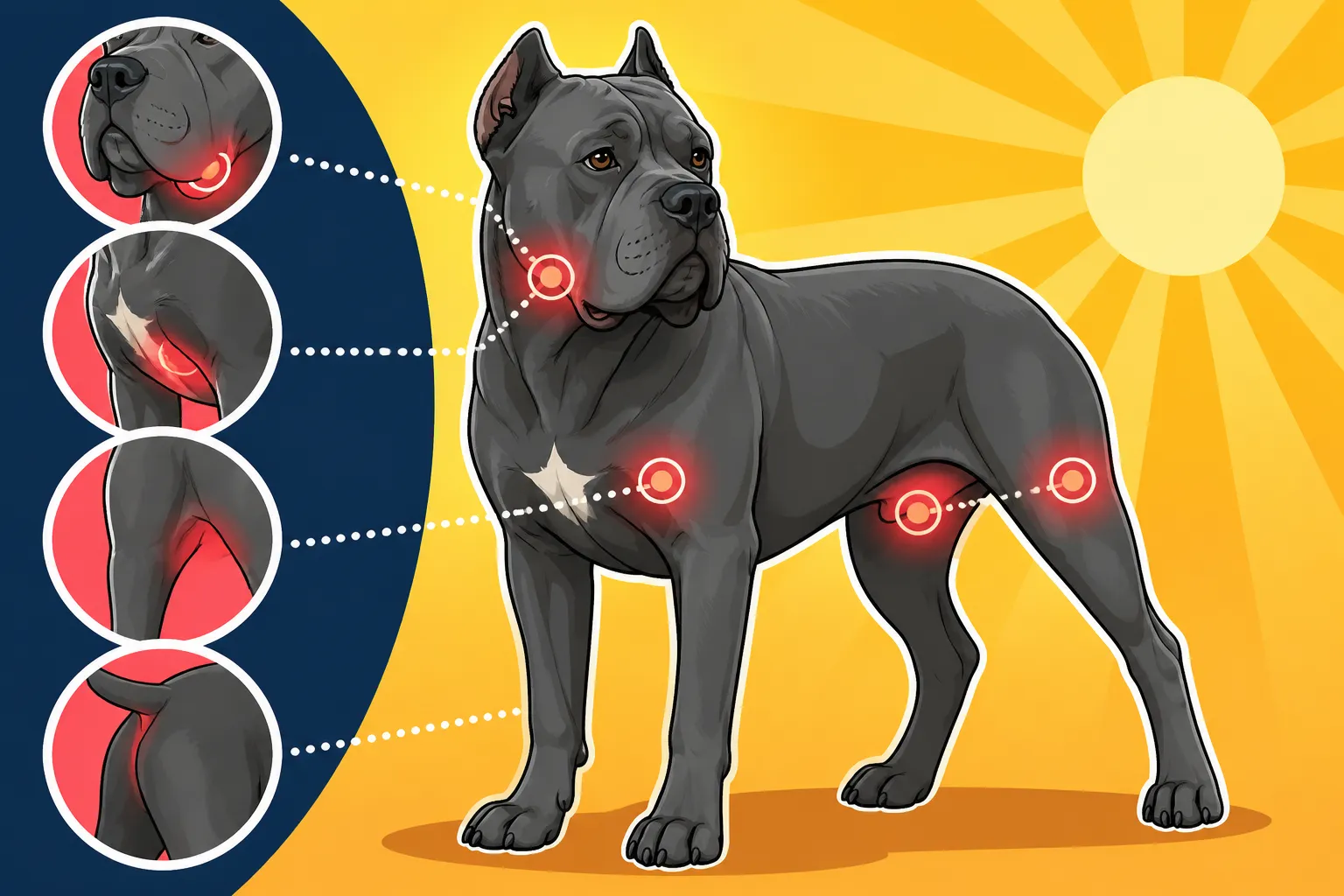
- Common Locations: While they can appear anywhere, hot spots are frequently found on the neck, cheeks (especially under the ears), rump, base of the tail, and inner thighs. These are areas where dogs can easily reach to lick or scratch, or where moisture can get trapped.
Seeing a hot spot like this can be alarming, but don't panic. There are immediate steps you can take to alleviate your Cane Corso's suffering and start the healing process.
First Aid and Treatment for Your Cane Corso's Hot Spots
Once you've identified a hot spot, prompt action is crucial. The goal is to dry out the lesion, reduce infection, and stop your Cane Corso from further traumatizing the area.
Immediate At-Home Steps to Take
For a small, newly developing hot spot, you can often start treatment at home, but always be prepared to visit the vet if it worsens or doesn't improve quickly.
- Clip the Hair: This is the most vital first step, and often the hardest for owners to do at home because it's painful for the dog. You must carefully trim or clip the hair away from and around the hot spot. Aim for a margin of at least an inch of healthy skin around the lesion. This allows air to get to the area, helps it dry, and makes cleaning and applying topical treatments much easier. Without clipping, the moisture and bacteria trapped under the fur will prevent healing. Use blunt-nosed scissors or electric clippers, being extremely careful not to cut the already irritated skin.
- Clean the Area: Once clipped, gently clean the hot spot. A diluted antiseptic solution like chlorhexidine (often found in pet stores or veterinary clinics) or povidone-iodine (diluted to the color of weak tea) works well. Use cotton balls or soft gauze pads to gently dab and wipe away any crusts, pus, or discharge. Avoid harsh scrubbing.
- Apply a Drying Agent: After cleaning, you want the area to dry. You can use a veterinarian-approved topical spray or cream designed for hot spots. Many contain astringents or mild antibiotics. Always check with your vet or vet tech if you're unsure which product to use. Avoid heavy creams or ointments that can trap moisture.
- Prevent Further Licking/Chewing: This is non-negotiable. Your Cane Corso will continue to lick and chew if given the chance, negating all your efforts. An Elizabethan collar (E-collar, or cone of shame) is your best friend here. It might be cumbersome for your big dog, but it's essential for healing. Ensure it's fitted correctly so they can't reach the hot spot, and can still eat and drink. Soft cones or inflatable collars might be more comfortable for a large breed like a Cane Corso, but make sure they truly prevent access to the sore.
Remember, consistency is key. Clean and treat the area two to three times a day, always making sure your dog wears their E-collar.
When to Seek Veterinary Intervention
While home care can be effective for minor hot spots, there are many situations where a trip to the vet is absolutely necessary. Don't hesitate to call your veterinarian if:
- The hot spot is large or spreading rapidly: If it covers a significant area or seems to be getting bigger despite your efforts, professional help is needed.
- It's extremely painful: If your Cane Corso is in obvious severe pain, refusing to let you touch it, or showing signs of systemic illness (lethargy, fever, loss of appetite), get them to the vet immediately.
- No improvement after 24-48 hours: If your home treatment isn't showing clear signs of improvement within a day or two, the infection might be deeper or more severe than you can manage on your own.
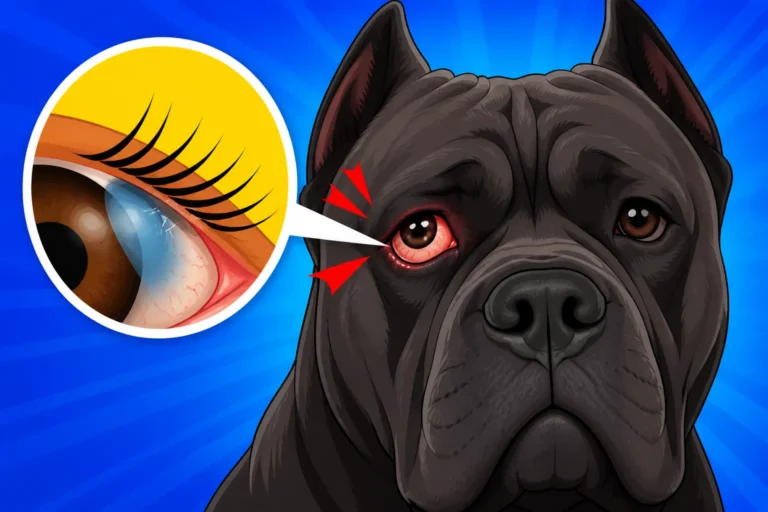
- It's in a sensitive area: Hot spots near the eyes, ears, or mouth can be particularly problematic and require careful professional treatment.
- You suspect an underlying cause: If you can't identify a clear trigger (like a flea bite) or if your Cane Corso gets recurrent hot spots, there might be an underlying issue like allergies (which might require Allergy Testing for an Itchy Cane Corso) that needs diagnosis and long-term management.
Your vet will likely clip and thoroughly clean the area, which can be challenging and painful for the dog, sometimes requiring sedation. They may prescribe oral antibiotics to combat the bacterial infection from the inside out, and often anti-inflammatory medications (like steroids) to reduce swelling, pain, and itching. Stronger topical treatments might also be given. These unexpected vet visits can certainly add up, which is why many Cane Corso owners find peace of mind with pet insurance providers like Healthy Paws, knowing they'll be supported for these unforeseen health issues.
Preventing Hot Spots: Strategies for a Healthy Cane Corso Summer
An ounce of prevention is worth a pound of cure, especially when it comes to the discomfort of hot spots for your Cane Corso. By adopting a proactive approach to grooming, managing their environment, and staying vigilant, you can significantly reduce their risk.
Proactive Grooming and Hygiene Habits
Good grooming is perhaps your most powerful weapon against hot spots, particularly for a dog with a dense coat like a Cane Corso.
- Regular Brushing: Even though Cane Corsos have short coats, they shed a lot and have a dense undercoat. Regular brushing, especially in warmer months, helps remove loose hair, improves air circulation to the skin, and allows you to inspect their skin thoroughly. Aim for a good brush-down several times a week, paying close attention to areas prone to hot spots.
- Thorough Drying After Water Exposure: This is absolutely critical. If your Cane Corso loves to swim or gets a bath, ensure they are completely dry afterward. Don't just towel dry the top layer; get down to the skin. A high-velocity pet dryer can be invaluable for pushing water out of their dense coat. If you give them a bath at home, check out our guide on Bathing a Cane Corso in a Home Shower for tips on proper drying techniques. Trapped moisture is a hot spot's best friend.
- Keep Skin Folds Clean and Dry: While not as wrinkly as some other mastiff breeds, some Cane Corsos can have skin folds around their muzzle, neck, or underarms. These areas are prime spots for moisture, dirt, and bacteria to accumulate. Make it a routine to gently clean and dry these folds daily, especially after meals. Wiping a Cane Corso's muzzle after every meal can go a long way in preventing irritation in those facial folds.
- Nail Trims: Long nails can scratch and irritate the skin, especially if your dog is itching for other reasons, potentially initiating a hot spot. Keep nails trimmed short.
Environmental and Dietary Management
Managing your Cane Corso's environment and diet can also play a huge role in preventing hot spots by addressing underlying causes.
- Year-Round Flea and Tick Prevention: Flea bites are a leading cause of hot spots. A single bite can trigger intense itching and an allergic reaction in sensitive dogs. Ensure your Cane Corso is on a reliable, veterinarian-recommended Dosing Flea and Tick Treatment for a Cane Corso year-round, not just in summer. There are many effective options available, and your vet can advise on the best one for your specific area and dog.
- Allergy Management: If your Cane Corso suffers from environmental or food allergies, these can lead to chronic itching, which can easily turn into hot spots. Work with your vet to identify and manage these allergies. This might involve an elimination diet for food allergies, or antihistamines, immunotherapy (allergy shots), or other medications for environmental allergies. Knowing if your Cane Corso needs Allergy Testing for an Itchy Cane Corso can be a game-changer for long-term skin health.
- Reduce Irritants: Minimize exposure to common irritants like harsh soaps, certain cleaning products, or heavily scented grooming products. Provide a clean, comfortable, and well-ventilated resting area.
Monitoring and Stress Reduction
Staying vigilant and ensuring your Cane Corso is mentally and emotionally healthy contributes significantly to preventing self-inflicted skin trauma.
- Regular Skin Checks: Make it a habit to regularly run your hands over your Cane Corso's coat and skin, feeling for any bumps, scabs, tenderness, or unusual moisture. Pay extra attention to common hot spot areas like the neck, ears, and hindquarters. Early detection means early intervention.
- Combat Boredom and Stress: A bored or anxious Cane Corso might resort to obsessive licking or chewing as a self-soothing mechanism. Ensure your dog receives adequate physical exercise and mental stimulation appropriate for their age and health. This could include training sessions, puzzle toys, or engaging activities like Scent Work and Sniff Walks for a Cane Corso. A happy, engaged Cane Corso is less likely to self-mutilate.
- Immediate Action: If you notice your Cane Corso starting to lick or scratch excessively, don't wait. Investigate the area right away. Even a quick clean and a spray of something anti-itch (if appropriate) can prevent a full-blown hot spot from developing.
By combining these strategies, you can significantly reduce the chances of your Cane Corso suffering from the painful and persistent problem of hot spots, allowing them to enjoy a healthier, happier summer. And remember, if you find yourself with unexpected vet bills for these sorts of conditions, pet insurance from a reputable provider like Healthy Paws can truly help ease the financial burden.
Here's a quick overview of hot spot management:
| Aspect | Early Detection | Immediate Action (Home) | When to See a Vet | Prevention Strategies |
|---|---|---|---|---|
| Signs to Look For | Persistent licking/chewing, reluctance to be touched, matted fur, faint redness. | Visible moist, red, oozing lesion; hair loss; foul odor; pain. | No improvement in 24-48 hrs; rapid spread; severe pain; systemic illness. | Regular skin checks, proper grooming, flea/tick control. |
| Key Actions | Investigate immediately, identify source of irritation. | Clip hair around lesion, clean with antiseptic, apply drying agent, use E-collar. | Vet will likely prescribe oral antibiotics, anti-inflammatories, stronger topicals. | Thorough drying after water, clean skin folds, manage allergies, reduce stress/boredom. |
| Common Triggers | Insect bites, minor skin irritations. | Underlying allergies (fleas, environmental, food), excessive moisture. | Deep infection, secondary yeast, persistent irritation. | Humidity, insect exposure, allergens, lack of stimulation. |
| Recovery Goal | Dry out lesion, stop self-trauma, prevent infection. | Clear infection, reduce inflammation, promote healing. | Prevent recurrence, manage underlying causes. | Healthy skin barrier, balanced immune system. |
Disclaimer
The information provided in this article is for general informational purposes only and is not a substitute for professional veterinary advice. Always consult with a qualified veterinarian regarding any medical concerns or conditions affecting your Cane Corso.