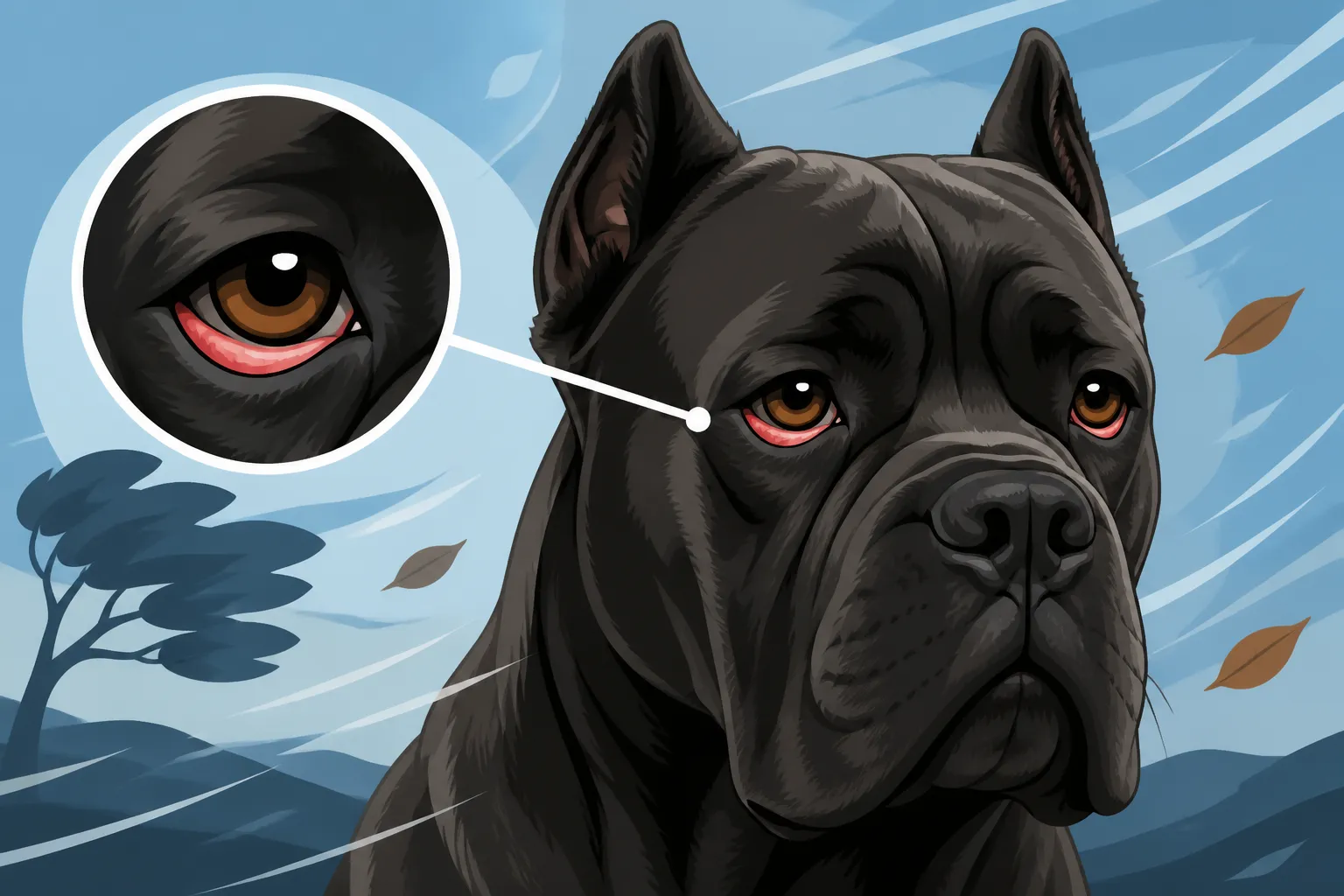
Wind Damage to a Cane Corso’s Exposed Lower Lids
The majestic presence of a Cane Corso comes with a few specific care considerations, and their eyes, particularly the lower lids, can often be a point of concern for owners. Many of us grapple with the frustration of seeing our beloved dog's eyes constantly weeping or irritated, especially after a blustery walk or a car ride with the windows down. This guide is here to walk you through understanding why wind causes issues for your Cane Corso's exposed lower lids and, more importantly, how to proactively protect their precious sight and comfort.
Understanding Your Cane Corso's Eye Anatomy and Exposure Risks
Our Cane Corsos are magnificent, powerful dogs, but certain aspects of their breed standard can predispose them to specific health challenges, and their eyes are a prime example. What might seem like a small detail can lead to significant discomfort and even serious health issues if not addressed.
The Cane Corso's "Deep Set" Eyes and Loose Lids
One of the defining features of a Cane Corso's head is their deep-set eyes, which contribute to their intelligent and often intense gaze. However, this deep setting is frequently accompanied by a tendency towards looser lower eyelids. This isn't always a dramatic droop like you might see in some other breeds, but rather a subtle sag or an inability of the lower lid to sit tightly against the eyeball. This condition, even in its mildest form, is a type of ectropion, where the eyelid turns outward slightly.
Think about it this way: a perfectly fitting eyelid acts like a natural windshield wiper and protector. It keeps moisture in and irritants out. When that lower lid doesn't sit flush, it exposes the delicate conjunctiva (the pink tissue lining the inside of the eyelid) and part of the eyeball itself directly to the elements. This means that a Cane Corso with even slightly loose lower lids is essentially walking around with a part of their eye less protected than a dog with tight, well-seated lids. This anatomical nuance makes them far more susceptible to environmental insults, especially wind. You might even notice that your dog constantly has The Sagging Lower Lid on a Cane Corso or seems to have The Loose Eyelids Nearly Every Cane Corso Owner Meets.
How Wind and Environmental Factors Aggravate Eye Issues
When you combine those naturally looser lower lids with environmental factors, you've got a recipe for irritation. Wind is a major culprit. Imagine the feeling of walking into a strong wind without sunglasses – your eyes water, they get dry, and they feel gritty. For a Cane Corso with exposed lower lids, it's amplified.
Strong winds, even on a cool day, can rapidly dry out the surface of the eye. This desiccation alone is uncomfortable and can lead to inflammation. Beyond just drying, wind often carries an invisible payload of irritants: dust, pollen, tiny bits of grit, and even pollutants from traffic. These particles, instead of being caught by a snug eyelid and washed away by tears, are driven directly onto the exposed surface of the eye and the vulnerable conjunctiva. This constant bombardment can scratch the cornea, cause allergic reactions, and lead to persistent inflammation. Even dry air, prevalent indoors during winter months with heating systems running, can contribute to chronic dryness and irritation, although wind is often the most acute trigger.
Recognizing the Signs of Wind-Induced Eye Irritation
Spotting the signs early can prevent a minor irritation from escalating into a more serious problem. Our big, stoic dogs sometimes try to hide their discomfort, so knowing what to look for is key.
Immediate Symptoms of Wind Exposure
After a windy walk, a car ride with the window down, or even just a particularly blustery day in the yard, you might notice your Cane Corso exhibiting immediate signs of eye irritation. The most common symptom is excessive tearing or "weeping" from the affected eye(s). This is your dog's natural defense mechanism trying to flush out irritants and rehydrate the eye. However, because their lids are already prone to looseness, these tears might not drain effectively and you'll see Why a Cane Corso's Eyes Run All Day.
Beyond just tears, look for redness in the whites of the eyes and the conjunctiva. The delicate tissues will become inflamed and bloodshot. Your dog might also be squinting, holding one eye partially closed, or even pawing at their face repeatedly with a front paw. This pawing is a clear sign of discomfort and an attempt to rub away the irritation. Sometimes, if the irritation is severe, you might even see a clear, watery discharge that later becomes thicker as the eye tries to protect itself.
Chronic Issues from Repeated Exposure
While immediate symptoms are a clear distress signal, repeated and prolonged exposure to wind without proper protection can lead to more chronic and concerning eye problems for your Cane Corso. One of the most common chronic issues is recurrent conjunctivitis, which is an inflammation of the conjunctiva. This can manifest as persistent redness, swelling, and a thicker, sometimes yellowish or greenish, discharge that requires regular cleaning. You might find yourself constantly Wiping a Cane Corso's Eyes Every Morning and still seeing The Discharge That Collects in a Cane Corso's Lid throughout the day.
Another significant concern is corneal irritation or even abrasions. The cornea, the clear outer layer of the eye, can be scratched by wind-borne debris. While small abrasions often heal quickly, repeated trauma can lead to chronic inflammation, scarring, or even ulcers, which are painful and can impair vision. Over time, constant exposure and inflammation can also make the eye more susceptible to secondary bacterial infections, turning a simple irritation into a more complex and difficult-to-treat condition. It’s a vicious cycle where the initial anatomical predisposition is continually exacerbated by environmental factors.
Practical Strategies for Protecting Your Cane Corso's Eyes
Prevention and proactive care are truly the best medicine when it comes to safeguarding your Cane Corso's eyes from wind damage. A little effort can go a long way in ensuring their comfort and long-term eye health.
Limiting Exposure and Choosing Appropriate Environments
The simplest and most effective strategy is to reduce direct exposure to strong winds. On particularly blustery days, consider shortening outdoor walks or choosing routes that offer more shelter, like trails through dense woods or walking on the leeward side of buildings. If your Cane Corso spends time in a yard, ensure they have access to a sheltered area, such as a dog house, a solid fence line, or a covered patio, where they can retreat from the wind.
Car rides are a common source of wind exposure. While many dogs love sticking their heads out the window, this is incredibly risky for a Cane Corso's eyes. The force of the wind, even at moderate speeds, can cause severe drying and propel debris directly into their eyes. Instead, teach them to enjoy the ride with the windows mostly up, or cracked just enough for ventilation without direct windblast. If you must have the window down, only open it a tiny crack. It's crucial to Protecting a Cane Corso's Eyes on a Windy Walk and during car trips.
Protective Gear and Aids
Sometimes, completely avoiding wind isn't practical, especially for active or working Cane Corsos. This is where protective gear comes in. Dog goggles or "Doggles" are specifically designed to shield your dog's eyes from wind, dust, UV rays, and debris. They come in various sizes and styles, often with adjustable straps to ensure a snug and comfortable fit for a large head like a Cane Corso's.
Introducing goggles should be done gradually and positively, using treats and praise. Start with short durations in a calm environment, building up to longer periods and eventually wearing them during walks or car rides. Think of them like any other piece of training equipment; consistency is key. You can find a wide selection of dog goggles on platforms like Amazon or specialized pet supply retailers. For a dog that absolutely won't tolerate goggles, a snood or wrap that covers the ears and partially shields the eyes might offer some minimal protection, although it's less effective than proper goggles.
Daily Eye Care and Maintenance
Establishing a routine of daily eye care is vital for Cane Corsos, especially those with looser lower lids. This involves regular, gentle cleaning to remove any accumulated debris, dust, or discharge. Use a soft, clean cloth dampened with warm water or a veterinarian-approved canine eye-cleaning solution. Always wipe away from the eye, from the inner corner outwards. This prevents pushing debris further into the tear duct.
For dogs prone to dry eyes from constant exposure, your vet might recommend specific lubricating eye drops. These can help keep the eye moist and provide a protective barrier against irritants. It's important to use only products recommended by your vet, as human eye drops may not be suitable for dogs. If you're wondering Whether a Cane Corso Needs Eye Drops Daily, consult your vet, as they can assess your dog's individual needs. Regular inspection during these cleaning sessions also helps you catch any new redness, swelling, or discharge early. Quality pet eye care products can often be found at stores like Chewy.
Here’s a quick overview of symptoms and care:
| Symptom | Immediate Action | Long-Term Strategy | When to Call the Vet |
|---|---|---|---|
| Excessive Tearing/Weeping | Gently wipe away tears with a damp cloth. Keep the area dry. | Regular eye cleaning. Consider limiting wind exposure. | If tearing is constant, accompanied by pain, or discharge changes color/consistency. |
| Redness (Conjunctiva/Whites) | Rest dog indoors away from irritants. Observe closely. | Protect eyes from wind (goggles). Identify and avoid irritants (pollen). | If redness is severe, worsens, or doesn't improve within 24 hours. |
| Squinting/Pawing at Eyes | Check for visible foreign objects. Flush with sterile saline solution (veterinary). | Use protective eyewear (dog goggles) during windy activities. | Immediately, especially if eye is held tightly shut, painful, or vision seems affected. |
| Clear/Watery Discharge | Clean regularly. | Consistent daily eye hygiene. Monitor for changes. | If discharge becomes thick, colored (yellow/green), or is accompanied by other symptoms. |
| Grittiness/Rubbing | Flush with sterile saline. Prevent further rubbing. | Daily protective measures. Minimize exposure to dust and sand. | If dog continues to rub or appears to be in pain, as it could indicate a corneal abrasion. |
When to Seek Veterinary Intervention for Eye Damage
While daily care and preventative measures are crucial, there are times when wind damage or subsequent irritation requires professional veterinary attention. Don't hesitate if you notice any of these signs.
Red Flags: Swelling, Severe Pain, Cloudy Eyes, Vision Changes
It's one thing for your Cane Corso to have a bit of watery discharge after a particularly windy walk; it's another entirely for them to show signs of significant distress or lasting damage. You should call your veterinarian immediately if you observe any of the following "red flag" symptoms:
- Significant Swelling: If the eyelids or the tissue around the eye become noticeably swollen, this indicates a more severe inflammatory or allergic reaction, or possibly an infection.
- Severe Pain: Your dog might not cry out, but signs like extreme squinting, inability to open the eye, constant pawing at the face, or becoming withdrawn and reluctant to be touched around the head are all indicators of pain.
- Cloudiness or Discoloration of the Eye: Any change in the clarity of the cornea (the transparent front part of the eye) – a cloudy appearance, a bluish haze, or white spots – could indicate a corneal ulcer, deep inflammation, or other serious injury.
- Visible Foreign Object: If you can actually see a piece of grit, a thorn, or any foreign material lodged in the eye, do not try to remove it yourself, as you could cause more damage.
- Changes in Vision: If your Cane Corso is bumping into things, seems disoriented, or is having trouble tracking objects, it could be a sign that their vision is impaired.
- Persistent or Abnormal Discharge: While clear discharge can be irritation, thick, yellow, green, or blood-tinged discharge always warrants a vet visit, as it suggests infection or injury.
These symptoms go beyond simple irritation and could signal a corneal ulcer, a severe infection, glaucoma, or other conditions that require prompt medical intervention to prevent permanent damage or vision loss. Sometimes, even seemingly unrelated health issues can manifest through the eyes, so regular The Yearly Eye Exam a Breeding Cane Corso Needs is beneficial for all Cane Corsos, regardless of breeding status.
Diagnostic Procedures and Treatment Options
When you bring your Cane Corso to the vet with eye concerns, they will perform a thorough ophthalmic examination. This usually involves several steps:
- Visual Inspection: The vet will carefully examine the eye, eyelids, and surrounding tissues for any obvious abnormalities, swelling, or discharge.
- Fluorescein Stain: This is a common and important diagnostic tool. A special orange dye is applied to the eye. If there's any abrasion or ulcer on the cornea, the dye will stick to it and glow bright green under a blue light, making even tiny scratches visible. This helps differentiate between simple irritation and a corneal injury.
- Schirmer Tear Test: If dry eye is suspected, this test measures tear production to see if your dog's eyes are producing enough moisture.
- Tonometry: This measures the pressure inside the eye, which is important for diagnosing conditions like glaucoma.
- Examination of Eyelid Position: The vet will assess how tightly the eyelids sit against the eyeball to determine if ectropion or entropion (inward rolling of the lid, where Lashes That Rub a Cane Corso's Cornea) is contributing to the problem.
Based on the diagnosis, treatment options can vary widely:
- Topical Medications: For infections, antibiotic eye drops or ointments will be prescribed. Anti-inflammatory drops might be used to reduce swelling and discomfort. Lubricating drops are often recommended for dry eye.
- Oral Medications: In cases of severe inflammation, allergy, or systemic infection, oral antibiotics or anti-inflammatory drugs might be necessary.
- Surgical Correction: If the loose lower lids (ectropion) are severe and consistently lead to problems, surgical correction might be recommended to tighten the eyelids and provide better protection for the eye. This is usually considered after medical management proves insufficient.
- Pain Management: If the eye is particularly painful, your vet will ensure your dog receives appropriate pain relief.
The key is early and accurate diagnosis. Never try to self-medicate your Cane Corso's eyes with over-the-counter human products, as many can be harmful to dogs. Always follow your vet's instructions precisely for administering eye medications to ensure the best possible outcome.
Disclaimer
This article is for general informational purposes only and does not constitute professional advice. Laws, prices and regulations vary by location and change over time. Consult a qualified professional for guidance on your specific situation.