A Cane Corso at the Dog Park
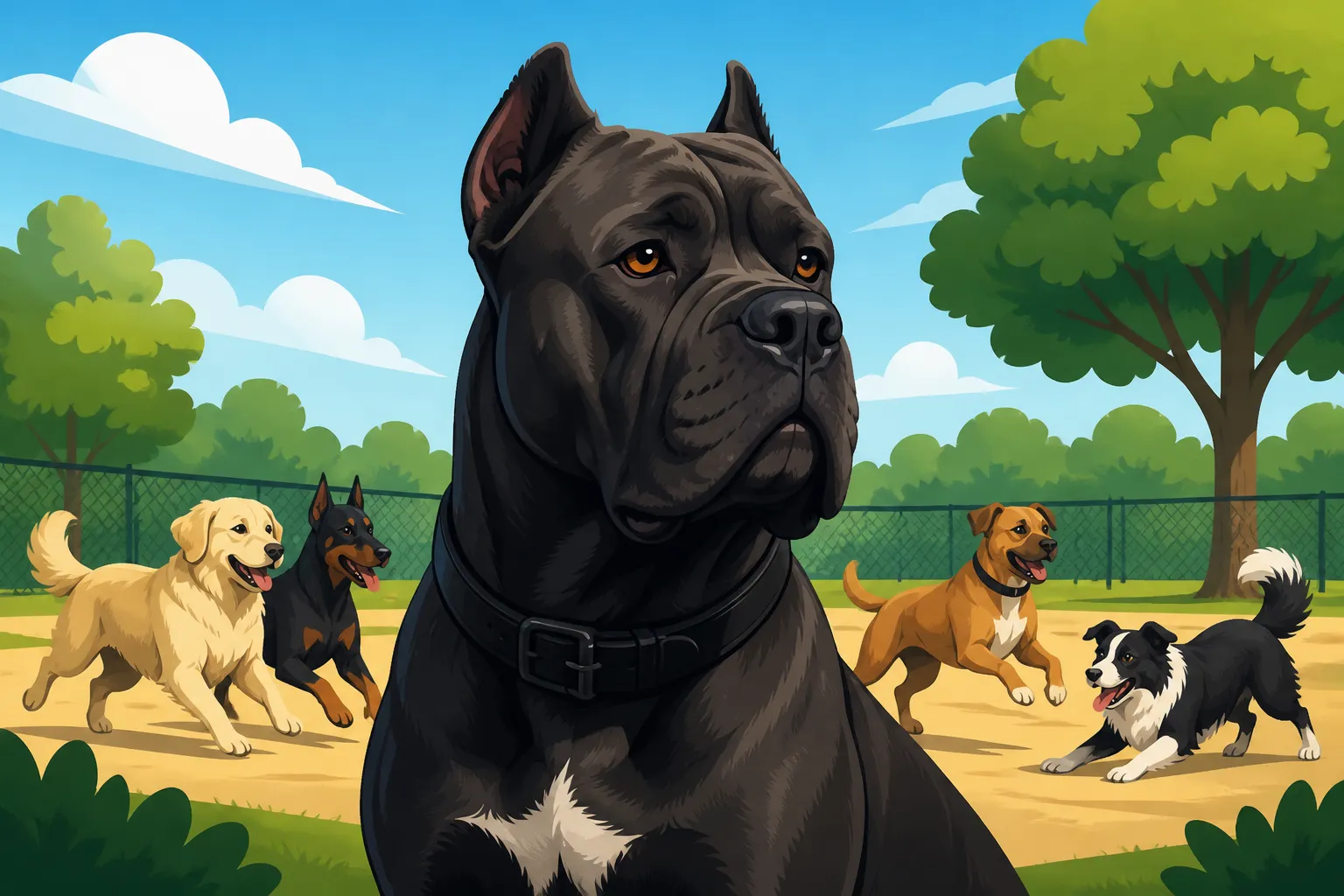
The thought of taking your powerful, protective Cane Corso to a bustling dog park can fill any owner with a mix of excitement and dread. You want your Corso to be well-socialized and enjoy off-leash freedom, but you also understand their inherent guarding instincts and immense strength make typical dog park antics a huge gamble. This guide will dive deep into why dog parks are often not the best environment for a Cane Corso, explore the potential risks, and offer safe, effective alternatives for exercise and responsible socialization.
Understanding the Cane Corso Temperament and Dog Parks
When you bring a Cane Corso into your life, you're not just getting a big dog; you're welcoming a breed steeped in centuries of working tradition. They were bred to guard property and livestock, to be discerning protectors, and that lineage shapes their temperament profoundly. Throwing that into the chaotic, often unsupervised environment of a dog park can be like mixing oil and water, or perhaps more accurately, like bringing a highly trained security guard to an unpredictable frat party. It's a recipe for potential stress and misunderstanding for everyone involved.
The Instinct to Guard vs. Social Play
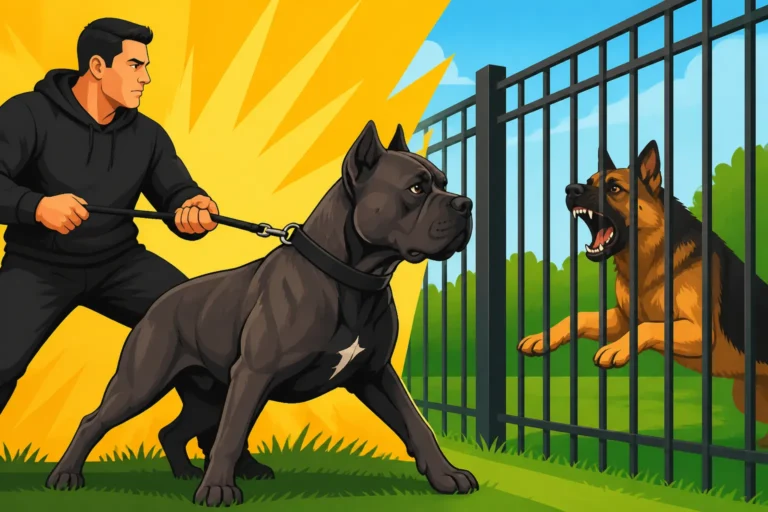
A Cane Corso’s primary instinct is to guard and protect. They are inherently suspicious of strangers, both human and canine, until proven otherwise. This isn't aggression for aggression's sake; it's a deep-seated caution and a readiness to intervene if they perceive a threat to themselves or their family. In a dog park, where dogs and people are constantly entering and exiting, and energy levels swing wildly from calm sniffing to full-speed wrestling, a Corso's guarding instinct can easily be triggered.
Imagine your Corso, focused on a game of fetch with you, when suddenly a new, boisterous dog bounds up and tries to muscle in on the toy. For many breeds, this is just part of the game. For a Cane Corso, it could be perceived as a challenge, an invasion of their space, or even a direct threat to your property (the toy, or even you). This isn't the same as social play. They might tolerate it for a while, but their tolerance often has a hard limit. Unlike many retriever breeds who are happy to play with anyone, anytime, a Cane Corso is far more selective about its companions and activities. Their idea of fun often involves working with you, not a free-for-all with unknown dogs. They thrive on purpose, and dog parks rarely provide that.
Reading a Cane Corso's Social Cues
One of the biggest challenges at dog parks is the sheer variety of dog personalities and communication styles. What one dog perceives as an invitation to play, another might see as rude or confrontational. Cane Corsos, with their powerful presence and often serious demeanor, can easily be misunderstood by other dogs, and they, in turn, can misunderstand the nuances of play from less dominant or more excitable breeds.
It's crucial for you, as the owner, to be an expert in reading your Corso's body language, but also to understand how other dogs might interpret it. A stiff posture, a low growl, or a hard stare from a Cane Corso might be their way of saying "back off," but a smaller, less experienced dog might misread this as an invitation to engage. Conversely, a bouncy, pushy youngster trying to initiate play might inadvertently trigger a protective response in your Corso.
Many owners mistakenly believe that taking their Cane Corso to a dog park for "socialization" will make them more friendly. In reality, forced or negative interactions can have the opposite effect, reinforcing their suspicions and potentially making them more reactive. True socialization for a Cane Corso, especially when they are young, involves careful, positive exposure to various sights, sounds, and neutral encounters, not chaotic free-for-alls. Think of it as exposure therapy where everything is managed and positive, rather than a sink-or-swim approach. The Socialization Window a Cane Corso Puppy Gets is critical, and these early experiences shape their entire adult demeanor. We want them to view new experiences and beings neutrally, not as threats or playmates they must interact with. Why the Best Cane Corso Looks Boring in Public is a testament to successful neutral socialization.
The Potential Risks of Dog Parks for Cane Corsos
Let's be brutally honest: dog parks, while seemingly a haven for canine fun, carry inherent risks for any dog, but especially for a breed like the Cane Corso. Their sheer size, strength, and guarding instincts magnify these risks significantly. As a responsible owner, it's vital to weigh these potential dangers against the perceived benefits.
Overstimulation and Reactivity
Dog parks are inherently overstimulating environments. There's constant movement, a cacophony of barks and excited yelps, a myriad of smells, and unpredictable interactions. For a Cane Corso, a breed often described as having a "high drive" and an intense focus, this level of uncontrolled stimulation can quickly become overwhelming. What starts as curiosity can morph into hyper-vigilance, and then, if pushed too far, into reactivity.
An overstimulated Cane Corso might become nippy, pushy, or even overtly aggressive if they feel their boundaries are being challenged or if they perceive another dog as too pushy or rude. This isn't necessarily a sign of a "bad" dog; it's often a dog trying to cope with an environment that doesn't align with its natural temperament. They might become defensive of you, their toys, or even just their space, leading to conflicts that could have serious consequences. A negative experience at a dog park can set back months of training and undo careful socialization efforts, leaving you with a dog that is more anxious and reactive in other public settings. It's often better to avoid these high-stress situations altogether and opt for more controlled interactions where your dog feels safe and you can manage the environment.
The Size and Strength Disadvantage (for other dogs)
This is a tough one to talk about, but it's a critical reality: a full-grown Cane Corso can weigh anywhere from 90 to 120 pounds or more, and they possess incredible power in their jaws and bodies. While your Cane Corso might be the sweetest dog in the world at home, if a scuffle does break out at the dog park, even an accidental nip or a playful collision can lead to serious injury for a smaller, less robust dog.
Even if your Cane Corso isn't the instigator, their sheer size and presence can intimidate other dogs, leading to fear-based aggression from smaller dogs trying to "stand their ground." If your Corso responds in kind, the damage can be catastrophic. The last thing any dog owner wants is to be responsible for another dog's injury, and unfortunately, due to their breed reputation, Cane Corsos often bear the brunt of blame in such incidents, regardless of who started it. It's an unfair reality, but one we must acknowledge. Protecting other dogs and their owners, as well as your own dog's safety and reputation, often means making the difficult choice to avoid environments where such incidents are more likely to occur. Even just running and playing can lead to accidental bumps that could hurt a smaller dog. What a Cane Corso's Hard Stare Means might be enough to scare another dog.
Unpredictable Interactions and Dog-on-Dog Aggression
The primary issue with dog parks is the lack of regulation and oversight. You have no control over the other dogs present, their temperaments, their vaccination status, or the attentiveness of their owners. This creates a highly unpredictable environment where you are relying solely on the good judgment (or lack thereof) of strangers.
Consider this common scenario: a dog park regular, whose dog has some minor behavioral issues, might let their dog constantly harass others because "he's just playing." Or perhaps a new dog enters the park, unneutered and highly dominant, looking to challenge every male in sight. These situations can escalate rapidly. Your Cane Corso, bred to be a protector and often having a lower tolerance for rudeness from other dogs, might feel compelled to defend itself or you. How a Cane Corso Behaves Toward Other Dogs is typically discerning, not universally friendly.
Dog-on-dog aggression can explode in seconds, and with a Cane Corso involved, the results can be devastating. Beyond physical injuries, a traumatic dog park experience can leave psychological scars on your Corso, leading to fear, anxiety, or aggression towards other dogs in the future. This is why many experienced Cane Corso owners, and even trainers, strongly advise against dog parks. It's simply not worth the risk to your dog, other dogs, or your peace of mind. While the idea of off-leash play is appealing, the reality of public dog parks often falls short of the ideal. The truth is, sometimes A Cane Corso That Fights With the Other Family Dog has its roots in uncontrolled exposure to other dogs.
Alternatives to Traditional Dog Parks for Socialization and Exercise
So, if traditional dog parks are off the table or only approached with extreme caution, what's a Cane Corso owner to do? You still need to ensure your powerful companion gets adequate exercise, mental stimulation, and appropriate social exposure. Luckily, there are many fantastic, safer alternatives that align better with the Cane Corso's temperament and needs.
Controlled Group Play and Daycare Options
Instead of the free-for-all of a public dog park, seek out structured, supervised group play. Many reputable dog daycares or training facilities offer supervised playgroups where dogs are pre-screened for temperament, grouped by size and play style, and constantly monitored by trained staff. This drastically reduces the risk of negative interactions.
Look for facilities that:
- Require a temperament test: This ensures all dogs present have appropriate social skills.
- Separate dogs by size and play style: A rowdy Great Dane playing with a tiny terrier is an accident waiting to happen.
- Have trained staff actively supervising: They should know how to read dog body language, intervene before issues escalate, and understand group dynamics.
- Prioritize positive reinforcement: A good facility focuses on building positive associations.
For a Cane Corso, this kind of controlled environment allows them to interact safely with a select group of compatible dogs, burning off energy and practicing their social skills without the overwhelming chaos of a public park. It’s an investment, but one that pays dividends in peace of mind and your dog's well-being. You might even find certain daycares that specialize in larger, more powerful breeds, understanding their unique play needs and social nuances. Make sure to vet trainers thoroughly when looking at these options. Vetting a Trainer Before You Hand Over a Cane Corso is crucial for ensuring their methods align with your goals and your dog's safety.
Structured Training and Activity Classes
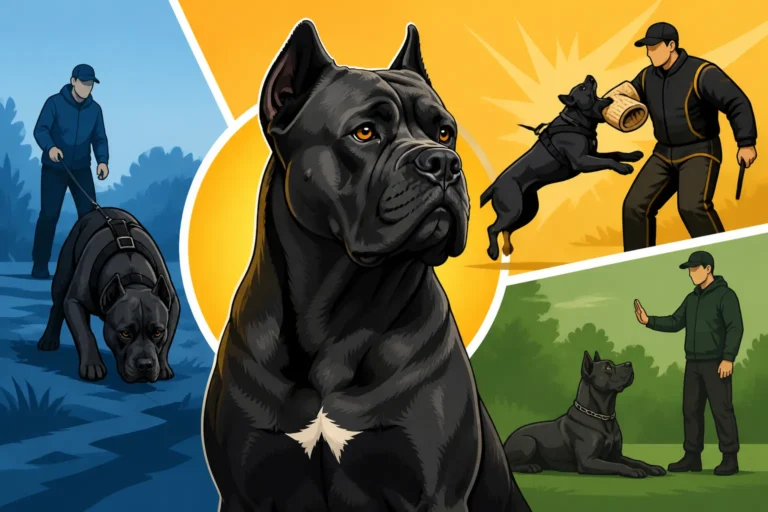
This is perhaps the best way to "socialize" and exercise a Cane Corso. Enrolling in obedience classes, advanced obedience, rally, or even specialized activities like scent work or protection sports (if you're inclined and have done extensive research) provides invaluable mental and physical stimulation. In these environments, interactions with other dogs are typically structured, brief, and under the watchful eye of a professional trainer.
Training classes teach your Cane Corso how to exist politely around other dogs without necessarily interacting directly. This is a critical skill for a guarding breed. It reinforces the idea that you are the leader and the one to look to for direction, rather than taking matters into their own paws. This kind of structured engagement builds confidence, strengthens your bond, and channels their intelligence and drive into productive activities.
Consider options like:
- Basic and Advanced Obedience: Teaches manners and responsiveness around distractions.
- Canine Good Citizen (CGC) classes: Focuses on polite public behavior. Whether a Cane Corso Can Earn a Canine Good Citizen Title
- Scent Work/Nose Work: Taps into their natural hunting instincts and provides immense mental exercise.
- Rally Obedience: Combines obedience with a fun, engaging course. Rally and Agility With a Cane Corso
Many online resources, like those offered by BAXTER & Bella, can provide excellent foundational training you can do at home, which then translates into success in these more structured public classes. The goal is engagement with you in the presence of other dogs, not free-for-all play.
Solo Adventures and Focused Exercise
Never underestimate the power of a good, long walk or a focused play session with just you and your Cane Corso. These dogs thrive on working with their handler. A daily routine of brisk walks, hikes in quieter areas (on a leash, of course!), or dedicated fetch sessions in a securely fenced private yard can meet a huge portion of their exercise needs.
- Leashed Walks in Varied Environments: Exploring different neighborhoods, trails, or even quiet parks (during off-peak hours) provides mental stimulation through new sights and smells, without the pressure of direct dog-on-dog interaction. Always be prepared to advocate for your dog and redirect attention.
- Long Line Work: If you have access to a large, securely fenced field, a long line (often available on Amazon) can provide a sense of off-leash freedom while maintaining control. This is fantastic for practicing recall and allowing them to run. Using a Long Line With a Cane Corso is a skill worth mastering.
- Interactive Play: Games like fetch, tug, or hide-and-seek build your bond and provide both physical and mental exercise. Choose durable toys built for a Cane Corso's powerful jaws.
- "Sniffari" Walks: Allow your Corso to leisurely explore and sniff. This is incredibly mentally stimulating and satisfying for dogs. Scent Work and Sniff Walks for a Cane Corso are fantastic.
The key here is quality over quantity, and engagement with you. A Cane Corso would often prefer a focused hour with you over two hours of chaotic, stressful interactions at a dog park. Remember, Ninety Minutes a Day and a Cane Corso's Mind needs focused activity, not just random running.
Preparing Your Cane Corso for Any Social Setting (If You Choose to Go)
While dog parks are generally discouraged for Cane Corsos, there are times when you might find yourself in a situation with other dogs – a friend's backyard, a family gathering, or even just passing by other dogs on a walk. Having a well-prepared Cane Corso is paramount for these inevitable interactions.
Building a Solid Foundation of Obedience
Before even considering any off-leash interaction, your Cane Corso needs rock-solid obedience. This isn't just about showing off; it's about safety and control. A Cane Corso that reliably responds to commands like "come," "stay," "leave it," and "down" is a much safer dog in any environment. This foundation gives you the ability to manage situations, redirect your dog's attention, and prevent potential conflicts.
- Recall is paramount: Your Corso absolutely must come when called, every single time, regardless of distractions. This takes consistent, high-value training. Recall Training a Cane Corso in an Open Field and Calling a Cane Corso Back Once It Has Locked On are advanced skills that start with basics.
- "Leave It" and "Drop It": These commands are invaluable for preventing resource guarding or stopping your dog from engaging with something (or someone) inappropriate.
- Place Command: Teaching your Corso to go to a designated spot and stay there calmly is a game-changer for managing them around guests or other pets. Teaching a Cane Corso to Hold a Place Cot provides stability and calm.
- Loose Leash Walking: A Cane Corso can drag you off your feet. Mastering loose leash walking is crucial for enjoyable and safe outings. Stopping a Cane Corso Before It Drags You Off Your Feet addresses a common frustration.
Consistency is key. Every member of the household needs to use the same cues and expectations. Consider enrolling in an obedience class or using online resources like BAXTER & Bella to ensure you're using effective, positive reinforcement techniques.
Muzzle Training for Safety and Peace of Mind
This might sound extreme to some, but muzzle training is one of the most responsible things you can do for a Cane Corso, even if they've never shown aggression. A muzzle is a tool, not a punishment, and it can provide an invaluable layer of safety and peace of mind in unpredictable situations.
- Proactive Training: Introduce the muzzle to your Cane Corso as a puppy or young dog, associating it with positive experiences like treats and praise. Make it a normal part of their gear, like a collar and leash. Why Every Cane Corso Should Be Muzzle Trained Early cannot be stressed enough.
- Proper Fit: Ensure the muzzle is a comfortable basket-style muzzle that allows your dog to pant, drink, and take treats, but prevents biting. Fitting a Basket Muzzle on a Cane Corso is crucial for comfort and effectiveness.
- When to Use It: Consider using a muzzle in high-stress environments, when meeting new dogs, at the vet's office, or during rehabilitation. It's a way to ensure everyone's safety while your dog learns appropriate coping mechanisms.
A muzzle trained Cane Corso isn't a sign of a dangerous dog; it's a sign of a responsible, prepared owner who prioritizes safety above all else. It can de-escalate situations, protect your dog from unfair accusations, and give you confidence in managing your powerful companion.
Knowing When to Leave
This is perhaps the most important skill for any Cane Corso owner in a social setting: knowing when to gracefully exit. If you observe your dog becoming stressed, anxious, or overly fixated on another dog or person, it's time to go. Don't wait for an incident to occur.
Signs your Cane Corso might be uncomfortable or overstimulated:
- Lip licking, yawning (when not tired), looking away: These are common signs of stress.
- Stiff body posture, whale eye (showing the whites of their eyes): Indicates discomfort or potential tension. Reading a Cane Corso's Body Language at a Distance is essential here.
- Barking or growling: Clear warnings that they are unhappy.
- Tucking tail, trying to hide behind you: Signs of fear or anxiety. What an Anxious Cane Corso Looks Like might surprise you.
- Excessive panting or drooling (not from heat/exercise): Can be a sign of stress.
Trust your gut. If a situation feels off, it probably is. Your Cane Corso looks to you for guidance and protection. Removing them from a potentially negative situation is not "giving up" or failing; it's being a responsible leader and protecting your dog's well-being. It prevents incidents, preserves their positive associations with public outings, and reinforces that you have their back.
Responsible Ownership Beyond the Dog Park
Owning a Cane Corso is a profound responsibility, far beyond simply feeding and walking them. It means understanding their breed, managing their powerful instincts, and being an advocate for them in a world that often misunderstands these magnificent dogs. This responsibility extends well past the gates of any dog park.
Advocacy and Education
As a Cane Corso owner, you are an ambassador for the breed. The reputation of the Cane Corso, like many powerful breeds, is often shaped by misinformation and sensationalized stories. It falls to us, the owners, to present a positive image through responsible ownership.
- Be a visible example of a well-trained dog: A calm, well-mannered Cane Corso on a leash in public speaks volumes. It shows that these dogs are not inherently dangerous, but require dedicated training and handling.
- Educate respectfully: If people ask about your dog, take the opportunity to share accurate information about the breed's history, temperament, and training needs. Explain why a dog park might not be suitable for your dog's specific needs, rather than making broad generalizations.
- Understand breed-specific legislation: Be aware of local laws and ordinances that may impact Cane Corsos. Cities Where Owning a Cane Corso Costs Extra or States and Cities That Restrict Cane Corsos are realities many owners face. Your responsible actions contribute to a better understanding and acceptance of the breed.
Remember, every interaction your Cane Corso has in public contributes to the public perception of the breed. Making choices that ensure calm, controlled outings helps counter negative stereotypes.
The Importance of a Strong Human-Canine Bond
Ultimately, the most important aspect of Cane Corso ownership, far more crucial than any dog park visit, is the bond you build with your dog. These dogs are fiercely loyal and thrive on a deep connection with their human family. This bond is forged through consistent training, mutual respect, clear communication, and shared experiences.
A Cane Corso that trusts and respects its owner will look to them for guidance in every situation. This means less reactivity, more control, and a happier, more secure dog. Instead of seeking validation for your dog's "social skills" in a chaotic dog park, invest that energy into activities that strengthen your partnership:
- Daily training sessions: Even short bursts of training throughout the day reinforce your role as leader and provide mental engagement.
- Shared adventures: Explore new places together, whether it's a hike, a quiet walk around a new neighborhood, or simply spending quality time in your backyard.
- Consistent routine: Cane Corsos thrive on predictability. Whether a Cane Corso Suits a Household With No Routine is a question many owners consider.
- Affection and praise: Don't forget to reward your Corso with love and affirmation when they do well.
When you have a strong, trusting relationship with your Cane Corso, you become their entire world. They don't need a dog park to be fulfilled; they need you. By prioritizing controlled, positive experiences and focusing on your bond, you'll raise a well-adjusted, confident, and beloved companion who is a credit to the breed.
| Activity Type | Pros for Cane Corsos | Cons for Cane Corsos |
|---|---|---|
| Traditional Dog Park | Potential for off-leash running (if safe) | Unpredictable dogs/owners, high overstimulation, high risk of incidents, potential for injury to self or others, can cause reactivity. |
| Supervised Daycare/Group Play | Pre-screened dogs, controlled environment, trained staff, safe socialization with compatible playmates, good exercise. | Can be costly, still some risk if supervision is poor, may not suit all temperaments. |
| Structured Training Classes | Builds obedience, mental stimulation, controlled exposure to other dogs, strengthens human-canine bond. | Focus is on handler engagement, not free play; requires owner commitment. |
| Leashed Walks/Hikes | Physical exercise, mental stimulation from new smells/sights, bond-building, owner maintains full control. | Requires more time/effort from owner, limited off-leash freedom. |
| Private Yard Play / Long Line | Safe off-leash running, focused play with owner, secure environment, no unknown dogs. | Requires adequate space, not true "socialization." |
| Scent Work/Nose Work | High mental stimulation, builds confidence, low physical impact, independent activity (with handler). | Not a primary source of intense physical exercise. |
Disclaimer
This article is for general informational purposes only and does not constitute professional advice. Laws, prices and regulations vary by location and change over time. Consult a qualified professional for guidance on your specific situation.