Stopping a Cane Corso Before It Drags You Off Your Feet
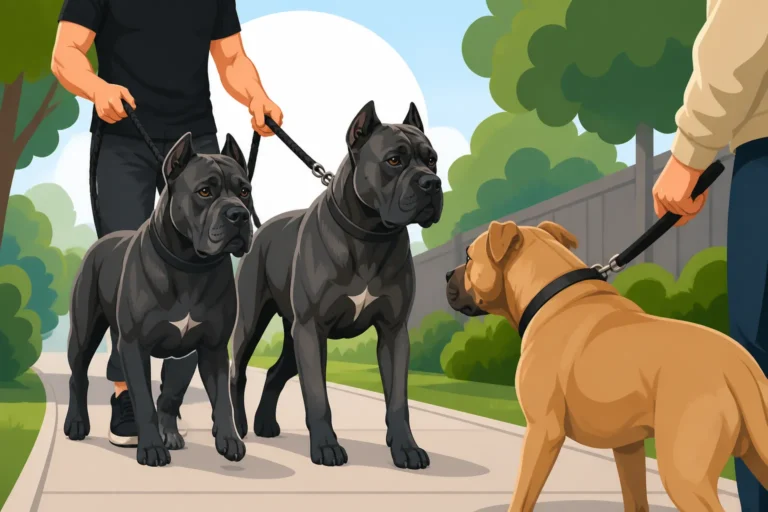
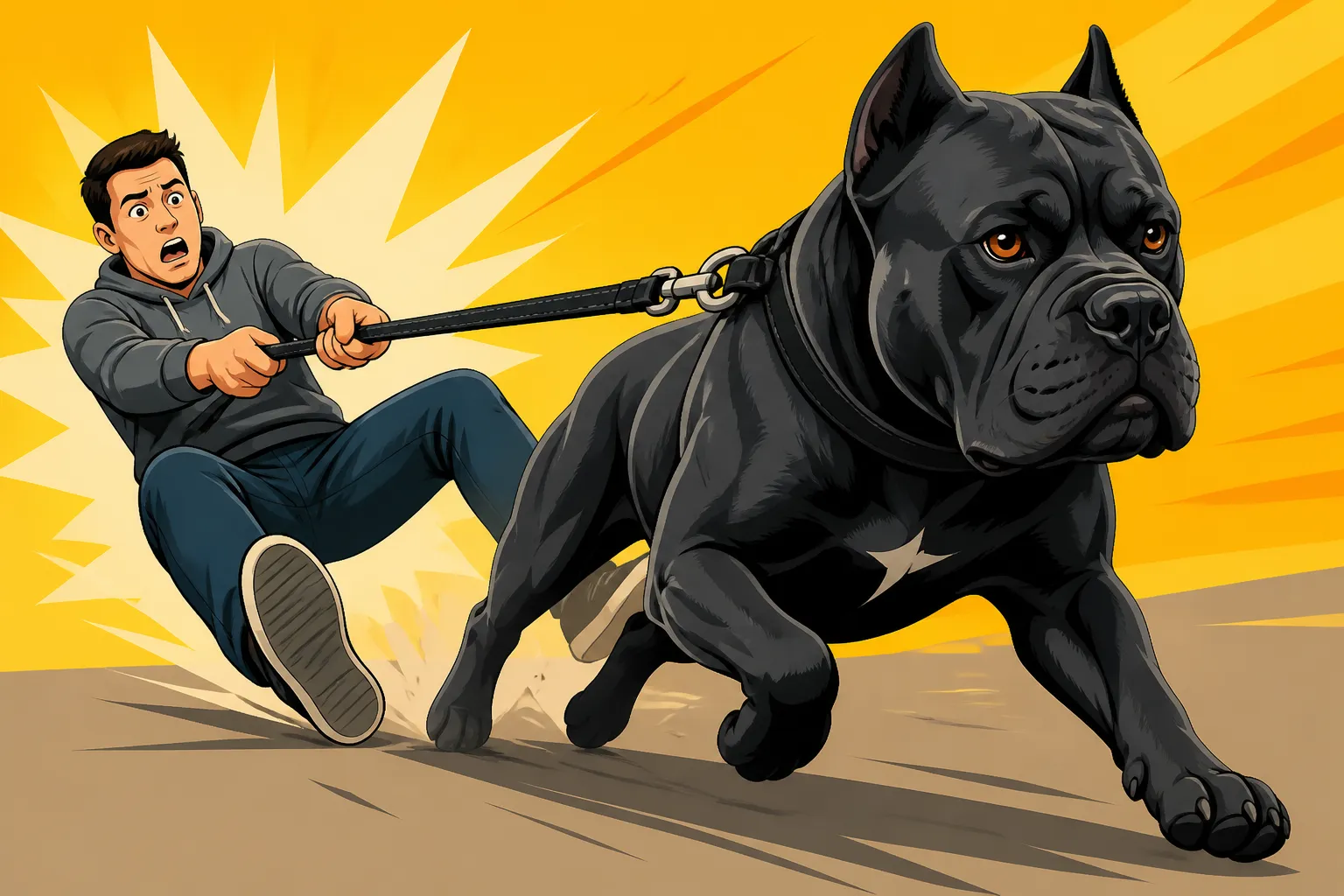
There’s nothing quite like the feeling of being yanked off your feet by a determined, powerful Cane Corso. One minute you’re enjoying a stroll, the next you’re being dragged down the sidewalk, desperately trying to regain your balance while your majestic companion charges towards that squirrel, another dog, or just a particularly interesting smell. It's frustrating, often embarrassing, and can even be dangerous, not just for you but for your dog and others around you. This comprehensive guide is here to walk you through understanding why your Cane Corso pulls, equipping yourself with the right tools, implementing effective training strategies, and maintaining the consistency needed to transform those harrowing walks into enjoyable outings.
The Raw Power Behind a Pulling Cane Corso
Let's be honest: a Cane Corso is a big dog. They are built for power, strength, and guarding, not dainty strolls. When a hundred-pound-plus dog decides to go in a particular direction, your body weight often simply isn't enough to counteract them, especially if they hit the end of the leash with force. Understanding this inherent power, and the instincts that drive it, is the first step toward managing it effectively.
Understanding Their Natural Instincts
Cane Corsos were historically bred for guarding property, livestock, and even hunting large game like wild boar. This means they possess a strong prey drive and a vigilant nature. When they see something that triggers these instincts – a rabbit darting across the path, another dog approaching, or even just an unfamiliar person – their immediate reaction can be to pursue or investigate. They aren't trying to be disobedient; they're simply acting on thousands of years of genetic programming.
Imagine a sudden scent trail, like a deer having passed by moments before. For your Cane Corso, this isn't just a smell; it's a puzzle, a story, a potential event. Their powerful nose locks on, their body tenses, and before you know it, they're pulling with all their might to follow that tantalizing lead. These instincts, combined with their sheer physical prowess, make them formidable on a leash if not properly trained. It's not a matter of malice; it's a matter of instinct meeting opportunity, and your grip on the leash becoming secondary.
The Sheer Physics of a Hundred-Pound Dog
When we talk about a Cane Corso, we're discussing an animal that can easily outweigh most adult humans. A male Cane Corso can range from 90 to 120 pounds, sometimes even more. Females are slightly smaller but still formidable. When a dog of this size and muscle mass suddenly shifts its weight and pulls, the physics are entirely against you. Even a well-balanced person can struggle to maintain their footing, especially on uneven terrain, slippery surfaces, or when caught off guard.
This isn't just about strength; it's about leverage. A dog can brace its powerful legs, drop its center of gravity, and use its entire body as a counterweight. The force exerted can be many times their actual body weight, making it feel like you're trying to hold back a small horse rather than your beloved pet. This reality check is crucial: you can't physically overpower a determined Cane Corso indefinitely. The solution lies not in brute force, but in smart training and proper equipment. This is why Leash Manners Before a Cane Corso Hits Ninety Pounds is such a critical topic.
Why Ignoring It Early Leads to Bigger Problems
One of the biggest mistakes owners make is to tolerate pulling, even "just a little bit," when their Cane Corso is a puppy. A twenty-pound puppy pulling feels manageable, even cute, sometimes. You might think, "Oh, they'll grow out of it," or "I'll deal with it when they're bigger." This is a recipe for disaster. What a puppy learns, it practices, and what it practices, it masters.
By allowing a young Cane Corso to pull, you are inadvertently teaching them that pulling works. Every time they lunge forward and get to sniff that bush, chase that leaf, or greet that person, they are being rewarded for the pulling behavior. This reinforces the habit, making it much harder to break later when they weigh 100 pounds. Imagine trying to stop a freight train once it's already at full speed – that's what it feels like to correct an adult Cane Corso who has spent its entire life practicing pulling. Early intervention is key; otherwise, you'll be constantly wrestling with your dog on every single walk.
Equipping Yourself: The Right Gear Makes a Difference
Before you even step out the door for a training walk, you need to make sure you have the right equipment. The gear you choose isn't just about control; it's about comfort, safety, and clear communication with your dog. Using the wrong tools can exacerbate pulling, cause pain, or even injure your Cane Corso.
Collars and Harnesses for Control, Not Pain
Choosing the right collar or harness is paramount. While a standard flat collar is fine for ID tags, it offers very little control over a powerful pulling dog and can even cause damage to their throat and trachea if they lunge repeatedly.
- Front-Clip Harnesses: These are often a fantastic starting point for a pulling Cane Corso. Instead of clipping on the back, the leash attaches to a ring on the dog's chest. When your dog pulls, the leash redirects their momentum to the side, gently turning them back towards you. This makes it very difficult for them to get leverage to pull forward. Brands like the Easy Walk or Freedom No-Pull Harness are widely available and often highly effective. You can find many options for these harnesses on Amazon. Many owners find that Whether a Front Clip Harness Stops a Cane Corso Pulling offers a helpful discussion on this specific tool.
- Head Halters (Halti, Gentle Leader): These resemble a muzzle but are designed for control. They fit over the dog's snout and behind their ears, with the leash attaching under the chin. When your dog pulls, the head halter turns their head, and where the head goes, the body follows. They offer excellent control with minimal physical effort from you, making them ideal for very strong pullers. However, proper introduction is crucial, as some dogs initially resist them.
- Martingale Collars: Also known as "no-slip" collars, these are good for dogs with narrower heads that might slip out of a regular buckle collar. They tighten slightly when the dog pulls, preventing escape, but are designed not to choke the dog when properly fitted. They are not, however, a primary anti-pulling tool.
Tools to approach with caution or avoid:
- Choke Chains: These metal chain collars tighten around the dog's neck with continuous pulling. While they can provide a correction, they rely on aversion and can cause significant damage to the trachea, neck, and spine, especially with a dog as strong as a Cane Corso. They can also escalate fear and aggression if misused.
- Prong Collars (Pinch Collars): These collars have metal prongs that pinch the skin around the dog's neck when tension is applied. While some trainers advocate for their use, they are controversial due to their potential for pain and injury if not fitted or used correctly. They can create a negative association with walks and can be particularly harmful if a Cane Corso lunges hard, potentially causing puncture wounds or nerve damage.
Before selecting any equipment, it's wise to research Which Collar and Lead Hold a Cane Corso for a more in-depth discussion tailored to the breed's specific needs.
Leash Selection: Length, Material, and Durability
Your leash is your direct line of communication with your Cane Corso, so choose wisely.
- Length: For everyday walks and training, a 4 to 6-foot leash is generally ideal. This length gives your dog enough room to explore slightly without getting too far ahead, while still allowing you to maintain control and provide clear cues. Retractable leashes are a firm no for Cane Corsos. They teach dogs to pull (because tension is always present), offer little control, and can cause serious injuries to both dog and handler.
- Material: Strong, durable materials are essential. Nylon leashes are common and generally hold up well. Leather leashes offer a comfortable grip and become softer over time, but can be more expensive. Avoid thin, flimsy leashes that could break or cut your hands. For a powerful dog, a thick, sturdy leash that can withstand significant force is non-negotiable.
- Durability: Look for strong hardware – solid metal clasps that won't bend or break under pressure. Double-stitched seams are a good indicator of quality. Remember, your Cane Corso will test the limits of your gear, so invest in quality that can stand up to their strength. You want something that will last through years of use, whether you're teaching Loose Leash Walking a Cane Corso Puppy or refining an adult's skills.
Tools to Avoid When Training a Cane Corso
Beyond specific collars, there are broader approaches and tools that are generally not recommended, especially for a powerful and intelligent breed like the Cane Corso.
- Retractable Leashes: As mentioned, these are dangerous. They teach pulling, offer no consistent feedback, and can snap, causing a heavy dog like a Cane Corso to become instantly off-leash in a potentially unsafe situation. The thin cord can also cause severe rope burns or even amputations if it wraps around a limb.
- Reliance on Force and Punishment: While a firm, consistent hand is necessary with a Cane Corso, relying purely on physical corrections, shouting, or punishing pulling will often backfire. It can damage your bond, make your dog fearful or reactive, and actually increase pulling as they try to escape discomfort. A dog that associates walks with pain or fear isn't learning to walk nicely; they're learning to endure, or worse, to fear the leash and you.
- Aversives without Professional Guidance: Tools like electronic collars (e-collars) can be powerful tools for specific, advanced training under the guidance of a highly experienced, balanced trainer. However, they are easily misused, especially by novices, and can cause immense psychological and physical harm if applied incorrectly, leading to fear, anxiety, or aggression in a guarding breed. It's almost always best to exhaust positive reinforcement and LIMA (Least Intrusive, Minimally Aversive) methods first, especially when dealing with a problem like pulling.
Laying the Foundation: Early Leash Training for Puppies and Young Adults
The best way to stop a Cane Corso from dragging you off your feet is to ensure they never learn to do it in the first place. Early, consistent, and positive training is the cornerstone of a well-mannered leash walker.
Starting With Positive Reinforcement and Engagement
The core of effective leash training, especially with a Cane Corso, is making yourself more interesting and rewarding than anything else in the environment.
- High-Value Treats: Forget the dry biscuits. For a Cane Corso, you need small, soft, incredibly delicious treats – think cooked chicken, cheese, hot dogs cut into pea-sized pieces. These are your primary currency for good behavior.
- Verbal Praise and Play: While treats are powerful, combine them with enthusiastic verbal praise ("Yes!" "Good walk!") and short bursts of play (a quick tug with a favorite toy) to keep your dog engaged and happy.
- Keep Training Sessions Short and Sweet: Cane Corso puppies have short attention spans. Aim for Five Minute Cane Corso Sessions Twice a Day or even more frequently throughout the day. End on a high note before your dog gets bored or frustrated.
- Start Indoors: Begin teaching leash manners in a low-distraction environment like your living room or backyard. This allows your puppy to focus solely on you and the task at hand before introducing the chaos of the outside world.
When you start with engagement, your Cane Corso learns that walking nicely next to you means good things happen, rather than being an obstacle to sniffing or exploring.
Teaching Loose Leash Walking Fundamentals
This is where the rubber meets the road. The goal is a loose leash – not a taut one.
- The "Lure and Reward" Method: Hold a high-value treat near your dog's nose, guiding them into position beside you. Take one step, say "Heel" or "Let's Go," and if the leash remains loose, immediately reward them. Gradually increase the number of steps before rewarding.
- Changing Direction: If your Cane Corso starts to pull, immediately change direction. Don't pull back or jerk the leash. Simply turn 180 degrees and walk the other way. This makes pulling unproductive; it doesn't get them closer to their desired destination. When they reorient to you and the leash is loose, reward them.
- The "Stop-and-Go" Method: If your dog pulls, stop dead in your tracks. Don't move forward until the leash goes slack and your dog looks back at you or even takes a step closer. The moment that leash is loose, you start walking again. This teaches them that tension on the leash equals no forward movement. This can be tedious at first, but it's incredibly effective.
- Consistency is Key: Every walk is a training opportunity. If you let them pull "just this once" because you're in a hurry, you undermine all your previous efforts. Everyone in the household who walks the dog must use the same methods. This consistency is vital for a breed that thrives on The Structure a Cane Corso Needs Every Single Day.
Proofing Skills in Distracting Environments
Once your Cane Corso is walking well on a loose leash in your quiet backyard, it's time to slowly introduce distractions. This is called "proofing" the behavior.
- Gradual Increase in Distraction: Start with mild distractions, like walking down your street when no one is around, then introduce a friendly neighbor's dog across the street, then a quiet park. Gradually work your way up to busier areas.
- Maintain High-Value Rewards: In more distracting environments, you'll need even higher-value treats to capture and maintain your Cane Corso's attention. What worked in the living room might not cut it at the dog park.
- Short, Successful Sessions: Don't try to tackle a bustling downtown market on your first proofing session. Set your dog up for success. If they start to struggle, move to a less distracting area, get a few successful loose-leash steps, and then end the session.
- Practice "Look at Me" and Engagement Cues: Teach your Cane Corso to make eye contact with you on cue, regardless of what's happening around them. This is an invaluable tool for redirecting their attention before they even start to pull towards a distraction. This skill can be crucial when dealing with a powerful dog in public settings.
Remember, socialization for a Cane Corso isn't just about meeting other dogs; it's about calmly experiencing various sights, sounds, and smells without reacting excessively. Neutral Socialization for a Cane Corso at Twelve Weeks emphasizes the importance of exposure without forced interaction.
Addressing the "Drag": Advanced Strategies for Established Pullers
If you've adopted an older Cane Corso who has already mastered the art of pulling, or if early training didn't quite stick, don't despair! It takes more effort, but you can absolutely improve their leash manners.
The Stop-and-Go Method and Directional Changes
These techniques, briefly mentioned for puppies, become even more critical and deliberate for an adult puller.
- Empowering the "Stop": The moment your Cane Corso applies tension to the leash, stop moving. Become a statue. Do not say anything, do not yank, just stop. Wait for the leash to slacken. This might mean your dog turns to look at you, sits, or even just shifts their weight slightly to relieve the tension. The instant the leash is loose, start walking again. Be prepared for this to take a minute or two initially, and don't give in. If you move forward while the leash is still tight, you've just taught them that persistent pulling eventually works. This technique requires immense patience on your part, but it clearly communicates that pulling stops progress.
- Strategic Directional Changes: Think of yourself as a meandering river, and your dog as a log trying to float straight down. As soon as that leash tightens, pivot sharply and walk in the opposite direction, or turn 90 degrees. This disorients your dog and breaks their focus on whatever they were pulling towards. Again, the goal is to make pulling inefficient and unproductive. The moment they catch up and walk beside you on a loose leash, praise and reward them heavily. This constant redirection, without any harsh words or yanking, teaches them that you control the direction and speed of the walk, not them. It also keeps them guessing and attentive to your movements.
These methods are physically less demanding on you than constantly trying to brace against a pull, and they communicate clearly to your Cane Corso that loose leash walking is the only path to forward movement and rewards.
Incorporating Structured Walks and Mental Stimulation
A Cane Corso isn't just a physical powerhouse; they are intelligent dogs with a strong need for mental engagement. If their minds aren't stimulated, they might pull more out of sheer boredom or an overabundance of pent-up energy.
- Structured Walks: Beyond just loose-leash walking, incorporate structure into your outings. This means practicing basic obedience commands during your walk. Ask for sits at curbs, downs before crossing the street, and attentive heeling segments. These bursts of focused work help your dog engage their brain and see you as a leader providing direction, rather than just a human attachment to their leash. These structured periods, even just for 30 seconds at a time, break up the monotony and build their focus on you.
- Mental Exercise: Physical exercise alone might not be enough. Incorporate activities that challenge your Cane Corso's mind. Scent work, for example, is incredibly tiring for dogs. Hide treats around the house or yard and let them sniff them out. Take them on a "sniff walk" where you allow them designated time to investigate interesting smells, but always return to loose-leash walking afterward. This balance between structured movement and mental freedom is crucial. Think about exploring Scent Work and Sniff Walks for a Cane Corso to enrich their walking experience.
- Obedience Practice: Regularly practice all known commands in varying environments. A dog that is responsive to "sit," "stay," and "come" in a distracting park is a dog that will be easier to manage on a leash. Utilize puzzle toys and chew items (especially those you can get on Amazon) to give them a job to do when they're not actively training or exercising.
A mentally stimulated Cane Corso is often a calmer, more focused Cane Corso, and one who is less likely to feel the overwhelming urge to drag you down the street.
Building a Stronger Bond and Communication
Ultimately, leash walking is a partnership. If your Cane Corso doesn't view you as a source of safety, guidance, and fun, they're less likely to pay attention to your cues.
- Be Predictably Rewarding: Always carry treats and be ready to praise. Make yourself the most exciting thing on the walk. When your dog checks in with you (even just a glance), reward them. When they walk beside you with a loose leash, reward them. They should associate your presence with positive experiences.
- Clear and Consistent Communication: Use clear, consistent verbal cues and hand signals. Avoid nagging or repeating commands endlessly. Say "Let's go" once, then use your actions (changing direction, stopping) to reinforce the meaning. Everyone in the family needs to use the same cues and expectations.
- Engage in Play: Off-leash play (in a secure area) or even brief tug sessions during a walk can strengthen your bond. When your Cane Corso sees you as a fun companion, they're more likely to want to work with you on the leash.
- Understand Their Motivations: What truly excites your Cane Corso? Is it a squeaky toy, a specific treat, or a chance to run? Use these high-value motivators strategically during training. The online puppy school BAXTER & Bella offers fantastic resources on building engagement and communication from an early age, which can be applied to older dogs too. They focus on positive, relationship-based training that can profoundly impact how your Cane Corso views you.
Building a strong, trusting relationship where your Cane Corso looks to you for direction makes all other training easier, including leash manners. When they trust your leadership, they are less likely to feel the need to take matters (and the leash) into their own paws.
The Long Game: Consistency, Patience, and Realistic Goals
Leash training a Cane Corso is not a sprint; it's a marathon. You're working with a powerful animal with strong instincts. Expect ups and downs, but never give up on the fundamental principles.
Managing Frustration and Staying Motivated
There will be days when you feel like you're making no progress, or even going backward. Your Cane Corso might have a perfect walk one day, only to revert to pulling like a freight train the next. This is normal, and it's where many owners get frustrated and give up.
- Take Breaks: If you feel your frustration rising, end the walk or take a brief break in a quiet spot. It's better to end on a neutral note than to continue training while you're angry or exasperated, which your dog will sense.
- Shorten Walks: On tough days, make your walks shorter. Focus on just a few successful steps of loose-leash walking, reward heavily, and then call it a day. A short, successful training session is far more valuable than a long, frustrating one.
- Journal Your Progress: Keep a simple journal. Note what worked, what didn't, and what distractions were present. Seeing your progress over time, even small improvements, can be incredibly motivating.
- Celebrate Small Victories: Did your Cane Corso walk two extra steps on a loose leash today? Did they check in with you once more than yesterday? Acknowledge and celebrate these tiny successes. They add up. This is part of Getting a Cane Corso Past Eleven Years Old – recognizing the small victories in their entire lifespan.
- Remember Why You're Doing It: Remind yourself of the goal: enjoyable, safe walks for both of you. The effort you put in now will pay off for years to come.
The Importance of a Consistent Routine and Family Involvement
Consistency isn't just about using the same training methods; it's about making leash training an integral part of your daily routine and ensuring everyone in the household is on board.
- Every Walk is a Training Walk: As mentioned earlier, there are no "off days" where pulling is allowed. Every time the leash goes on, the expectation for loose-leash walking should be clear. If you can't commit to training during a specific walk, perhaps opt for a secure, fenced area where your dog can run off-leash, or a shorter, less distracting path where you know you can maintain control.
- Involve the Whole Family: This is absolutely critical for a Cane Corso. If one family member diligently practices loose-leash walking and another allows the dog to pull, you're sending mixed signals that confuse your dog and undermine training. Hold a family meeting, demonstrate the techniques, and agree on the cues and expectations. Consistency across all handlers helps your Cane Corso understand what is expected regardless of who is holding the leash. This is particularly important because Whether a Cane Corso Works Better for One Person or multiple handlers can be influenced by consistent training.
- Structured Exercise: A Cane Corso needs plenty of exercise. Regular, vigorous exercise helps burn off excess energy that might otherwise translate into pulling. This could include long walks, supervised off-leash playtime in a secure area, or even dog sports. However, remember that exercise should precede intense training sessions, not replace them. A tired dog is often a more trainable dog.
Celebrating Small Victories and Adjusting Expectations
It's easy to get caught up in the ideal of a perfectly heeling dog, but it's important to have realistic expectations, especially with a breed like the Cane Corso.
- Define Success in Stages: Instead of expecting perfection overnight, set incremental goals. "Today, I want three steps of loose leash walking at the mailbox." "This week, I want ten feet of loose leash walking past the neighbor's dog." Each small accomplishment is a step forward.
- Acknowledge the Breed: Cane Corsos are not Golden Retrievers. While they can be trained to walk beautifully, their inherent guarding instincts and physical power mean that some level of vigilance and management will always be necessary. There might be rare occasions when a powerful distraction simply overwhelms them, and you need to be prepared to manage that.
- Focus on Progress, Not Perfection: Don't beat yourself up if your dog isn't walking like a show dog. If they are pulling significantly less than before, if you can navigate distractions more calmly, and if walks are becoming more enjoyable, you are succeeding. Celebrate the journey and the improvements you see, no matter how small. A good resource for understanding these long-term commitments might be What Ten Years With a Cane Corso Adds Up To.
When Professional Help Becomes Essential
Sometimes, despite your best efforts, you might feel like you've hit a wall. There's no shame in seeking professional help, especially with a powerful and potentially challenging breed like the Cane Corso.
Recognizing When You've Reached Your Limit
It's crucial to be honest with yourself about your capabilities and your dog's needs. Here are some signs that it might be time to call in a professional:
- Lack of Progress: You've consistently applied training methods for several weeks or months, but you see no noticeable improvement, or the pulling is actually getting worse.
- Physical Strain or Injury: You're frequently experiencing back pain, shoulder pain, or even falling due to your dog's pulling. Your safety should always be a priority.
- Emotional Toll: You dread walks with your Cane Corso, feel constantly frustrated, or are starting to resent your dog because of their leash behavior.
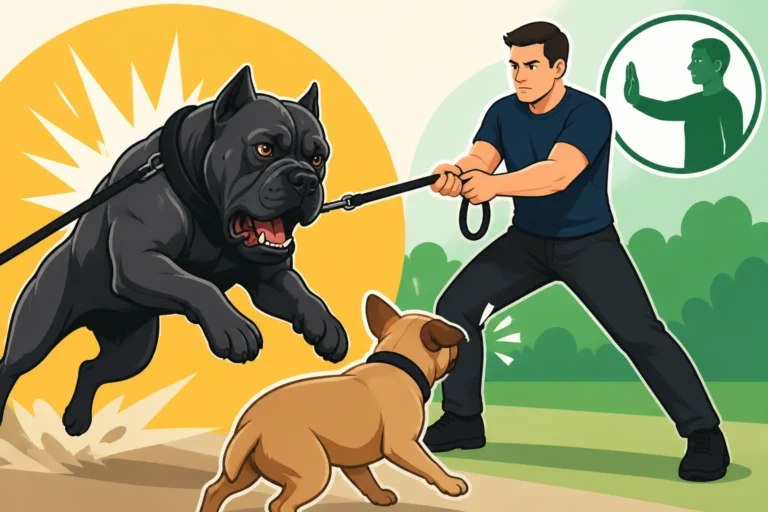
- Safety Concerns: Your dog's pulling is putting themselves or others at risk (e.g., pulling into traffic, lunging aggressively at people or other dogs, even if it's just out of over-excitement). If your Cane Corso is consistently lunging at other dogs, What to Do When a Cane Corso Lunges at a Dog might offer some immediate tips, but professional help is critical.
- Behavioral Issues Beyond Pulling: If pulling is accompanied by reactivity, fear, or aggression, a professional can help address the root cause of these behaviors.
Remember, a professional trainer has experience with many different dogs and temperaments, and they can offer an objective perspective and tailored solutions you might not have considered. Don't let pride or stubbornness prevent you from getting the help you and your Cane Corso need.
Finding the Right Trainer for a Powerful Breed
Not all trainers are created equal, and it's especially important to find one experienced with large, powerful guardian breeds like the Cane Corso.
- Look for Experience with Molossers/Guardian Breeds: Ask potential trainers specifically about their experience with Cane Corsos, Mastiffs, Rottweilers, or similar breeds. A trainer who primarily works with smaller, softer breeds might not have the necessary insights or techniques for a Cane Corso.
- Positive Reinforcement or Balanced Approach: Generally, look for trainers who prioritize positive reinforcement and reward-based methods. If they use a "balanced" approach, ensure they can clearly articulate why and how they use any aversive tools (like prong or e-collars), and that their primary methods are still humane and relationship-focused. Be wary of trainers who rely solely on punishment or dominance theory.
- Certifications and Associations: Look for trainers who are certified by reputable organizations (e.g., CCPDT, KPA, IAABC). While not a guarantee, it indicates a commitment to professional standards and ongoing education.
- Observe a Session: Ask if you can observe a training session without your dog first. See their methods in action, how they interact with dogs and owners, and if their style aligns with your philosophy.
- References and Reviews: Check online reviews and ask for references from past clients, particularly those with large breeds.
- In-Home or Group Classes: For pulling issues, private, in-home sessions are often more effective initially, as they allow the trainer to assess your specific environment and tailor the training to your dog's unique challenges. Group classes can be good for proofing skills once foundational control is established.
Finding the right trainer can make all the difference, providing you with the tools, confidence, and ongoing support to overcome even deeply ingrained pulling habits. It’s an investment in your relationship with your dog and your peace of mind. For a more detailed guide, consider What to Look For in a Cane Corso Trainer.
What to Expect from Professional Leash Training
When you work with a professional, their approach will typically involve:
- Assessment: The trainer will first observe you and your Cane Corso on a walk, assessing the pulling behavior, your dog's reactions to distractions, and your handling skills. They'll also ask about your dog's history, daily routine, and your specific goals.
- Customized Training Plan: Based on the assessment, they'll develop a personalized plan that outlines specific techniques, tools, and exercises. This plan should be clear, actionable, and tailored to your dog's learning style and your capabilities.
- Hands-On Guidance: The trainer will actively teach you how to implement the techniques. They'll show you correct leash handling, timing of rewards, and how to effectively manage your Cane Corso in various situations. They might even work directly with your dog to demonstrate the desired behaviors.
- Troubleshooting and Adjustment: Training is rarely linear. A good trainer will help you troubleshoot problems as they arise, adjust the plan if something isn't working, and provide ongoing support and encouragement.
- Homework and Practice: Expect to have "homework" between sessions. Consistency outside of formal training sessions is what truly embeds new behaviors. The trainer will equip you with the knowledge and skills, but you are the one who will need to put in the daily practice.
Working with a professional is about empowering you to be a more effective handler for your Cane Corso, ensuring that future walks are a source of joy, not frustration.
Disclaimer
This article is for general informational purposes only and does not constitute professional advice. Laws, prices and regulations vary by location and change over time. Consult a qualified professional for guidance on your specific situation.