Checking a Cane Corso’s Ribs With Your Hands
It’s a common worry for any Cane Corso owner: “Is my big, beautiful dog truly at a healthy weight, or am I letting them get a little too chunky?” With their impressive musculature and large frame, it can be incredibly challenging to tell just by looking. You might think they look powerful and robust, but sometimes, that can mask excess weight that puts strain on their joints and overall health. This guide is here to walk you through a simple yet effective method for regularly assessing your Cane Corso’s body condition right in your own home: the hands-on rib check.
Understanding the Cane Corso's Ideal Body Condition
When you look at a Cane Corso, you see power, strength, and an undeniable presence. But sometimes, our perception of "powerful" can lean a little too close to "overweight." For a breed as imposing as the Cane Corso, maintaining an ideal body condition isn't just about aesthetics; it's a critical component of their long-term health and well-being.
Why Weight Management is Crucial for a Cane Corso
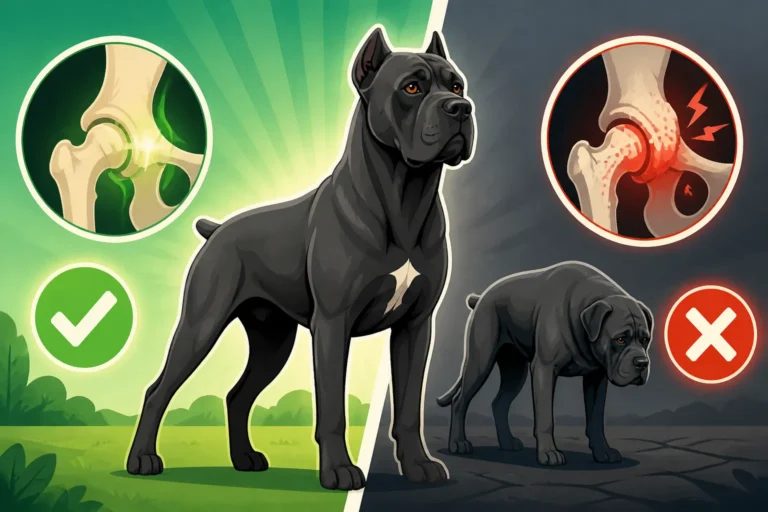
Cane Corsos are giants, and with that size comes a particular set of responsibilities for their owners. One of the biggest is managing their weight. Extra pounds, even just a few, can have disproportionately negative effects on a large breed dog. Imagine carrying an extra 10-20 pounds yourself; now imagine that on a dog whose joints are already under significant strain from their natural size and rapid growth. Those extra pounds contribute to premature wear and tear on their hips, elbows, and other weight-bearing joints, exacerbating conditions like Hip Dysplasia in a Fast Growing Cane Corso or Elbow Dysplasia and a Cane Corso's Front End.
Beyond joint health, carrying too much weight puts a strain on their cardiovascular system. A heavier dog's heart has to work harder to pump blood through a larger body mass, which can contribute to heart disease down the line. It can also impact their respiratory function, making them less tolerant of exercise and heat. Overweight dogs are also more prone to issues like diabetes, certain types of cancer, and a reduced quality of life overall. Ultimately, striving for a lean, healthy weight can significantly contribute to The Nine Year Median Behind a Cane Corso's Lifespan and help you get How Many Years a Cane Corso Owner Usually Gets with your beloved companion. It’s an act of love to keep them trim, even if your heart wants to give them extra treats.
The "Just Right" Cane Corso Physique
So, what does a "just right" Cane Corso look like? Forget the image of a massive, heavily padded dog you might sometimes see. An ideal Cane Corso should be lean, athletic, and muscular, without being overly bulky or showing signs of excessive fat. They are working dogs, and their physique should reflect their heritage of movement and function. Think of an athlete: strong, defined, but not carrying any unnecessary weight.
When you view your Cane Corso from above, you should see a discernible waistline, a slight tuck behind their ribs before their hips. From the side, their abdomen should gently tuck up from their rib cage to their hind legs, not hang low or appear slab-sided. Their muscles should be visible, especially in their hindquarters, when they move. This lean build allows for efficient movement, reduces stress on their joints, and helps them regulate their body temperature more effectively. It's a balance – you don't want them bony, but you definitely don't want them padded. Why a Lean Cane Corso Keeps Its Hips Longer is a concept every Cane Corso owner needs to embrace wholeheartedly.
The Hands-On Rib Check: Your Primary Tool
Visual inspection is a start, but with a Cane Corso's dense coat and muscle mass, sometimes looks can be deceiving. The most reliable way to assess their body condition at home is by getting your hands on them. This simple, tactile method allows you to feel what you can't always see, providing direct feedback on their fat reserves.
How to Perform the Rib Check Correctly
Performing a proper rib check is straightforward and takes only a few seconds. The key is to be consistent and to know what you're feeling for.
- Position Your Dog: Have your Cane Corso stand comfortably. It helps if they are relaxed, perhaps while you're giving them some love or a gentle scratch.
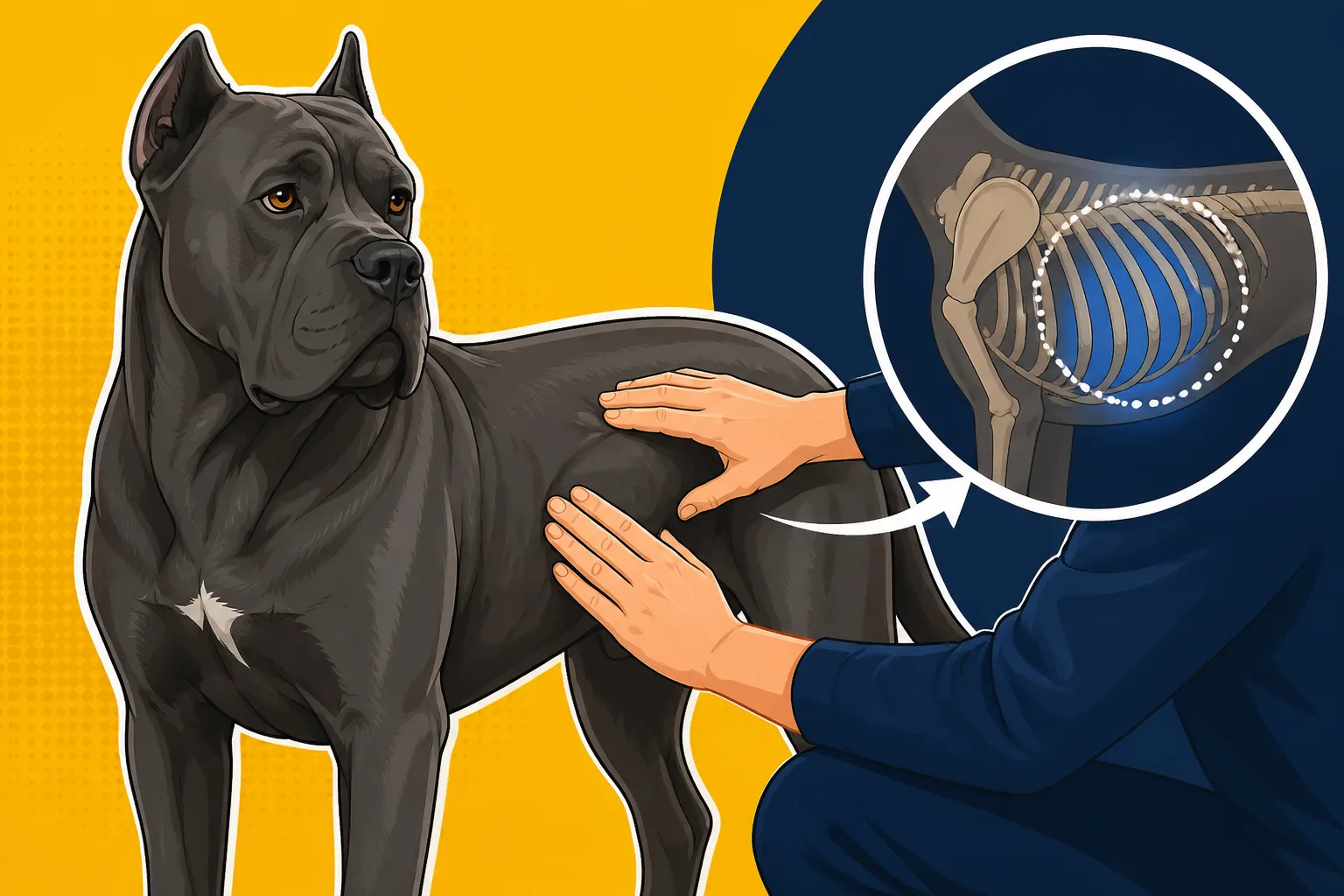
- Locate the Ribs: Place both your hands flat on their chest, just behind their shoulder blades. Gently spread your fingers.
- Run Your Hands Along the Rib Cage: With light pressure, run your fingertips along their side, following the curve of their rib cage. You're not pressing hard into their body; you're simply trying to feel the contour of their ribs beneath their skin and muscle.
- Feel for Definition: As you glide your hands, pay attention to what you feel. Can you easily feel each individual rib, distinct beneath their skin and a thin layer of muscle? Or do you have to press firmly to detect them? Are they very prominent, or are they completely hidden?
- Be Consistent: Try to check them in the same spot and with the same amount of pressure each time you perform the check. This helps you notice subtle changes over time.
It's a process that improves with practice. Don't be discouraged if you're unsure at first. Just keep doing it regularly, perhaps once a week, and you'll become more attuned to what your Cane Corso's body feels like at a healthy weight.
Interpreting What Your Fingers Tell You
Once you've felt your Cane Corso's ribs, it's time to interpret what that sensation means for their body condition. This is often described using a Body Condition Score (BCS), which veterinarians use to assess a pet's health. While there are different scales (e.g., 1-5 or 1-9), the principles are the same.
- You Can Easily Feel the Ribs, Like the Back of Your Hand: If you can feel the ribs distinctly without much pressure, and they feel like the knuckles on the back of your hand when you make a fist (but with soft tissue over them, not bare bone), your Cane Corso is likely in an ideal body condition. There should be a slight fat covering, but no thick padding. You might even see a faint outline of the last few ribs when they move or stretch. This is where you want them to be.
- You Have to Press Firmly to Feel the Ribs, Like the Palm of Your Hand: If you have to press with noticeable pressure to feel the individual ribs, or if they feel obscured by a layer of soft tissue, your Cane Corso is probably carrying too much weight. This thick padding indicates an excess of fat. Continuing to gain weight from this point will only increase their risk of health problems. This is a red flag that it's time to adjust their The Daily Ration an Adult Cane Corso Actually Needs.
- The Ribs Are Very Prominent, Like Your Knuckles Without a Fist: If you can see the ribs clearly without even touching, or if they feel sharp and bare with no fat covering whatsoever, your Cane Corso is likely underweight. While a lean Cane Corso is good, an emaciated one is not. This could indicate insufficient food, an underlying health issue, or excessive energy expenditure. If this is the case, a vet visit is in order.
- You Cannot Feel the Ribs At All: This is a clear sign that your Cane Corso is significantly overweight or obese. The ribs are completely covered by a thick layer of fat, making them undetectable even with firm pressure. This puts immense strain on all their body systems and significantly increases their health risks. Immediate action is needed to Slimming an Overweight Cane Corso Safely.
Here's a simplified table to help you understand what your rib check and other visual cues are telling you:
| Body Condition Score | Rib Check Feeling | Visual Cues (Side/Top) | Implications & Action |
|---|---|---|---|
| Too Thin (1-2/5) | Ribs, spine, and pelvic bones easily visible & felt | Extreme abdominal tuck, prominent waist; obvious bone | Vet check for underlying issues; Increase calories |
| Ideal (3/5) | Ribs easily felt with slight pressure; not visible | Good abdominal tuck, visible waist; muscular | Maintain current diet & exercise |
| Overweight (4/5) | Ribs felt with firm pressure; slight fat covering | Minimal abdominal tuck, slight waist; rounded appearance | Reduce calories, increase exercise |
| Obese (5/5) | Ribs difficult or impossible to feel; thick fat | No abdominal tuck, no waist; very rounded, broad back | Significant calorie reduction, vet consult, strict exercise |
Beyond the Ribs: Other Indicators of Body Condition
While the rib check is invaluable, it’s not the only piece of the puzzle. A holistic assessment of your Cane Corso's body condition involves looking at other key areas that provide further clues about their weight and overall health. These indicators work in tandem with the rib check to give you a complete picture.
The Tummy Tuck and Waistline Check
After you've checked their ribs, shift your attention to their abdomen and waist. These are crucial visual indicators, especially for a deep-chested breed like the Cane Corso.
- The Waistline (from above): Stand directly above your standing Cane Corso and look down at their back. Behind their rib cage, where their hind legs meet their body, you should see a noticeable indentation or "waist." It shouldn't be extreme, but it should be clearly defined. If your Cane Corso looks like a straight, solid cylinder from head to tail with no waistline, they are likely carrying too much fat. A truly ideal Cane Corso will have that athletic taper.
- The Abdominal Tuck (from the side): Now, view your Cane Corso from the side. Observe their belly area, specifically the line that runs from the bottom of their rib cage towards their hind legs. A healthy Cane Corso should have an "abdominal tuck," meaning this line should slope upwards, creating a streamlined appearance. It shouldn't be a flat or sagging line. If their belly hangs low, is distended, or creates a straight line parallel to the ground, this is another strong indicator of excess weight. Keep in mind, sometimes a distended belly can also indicate The First Sign a Cane Corso Is Bloating, which is a medical emergency, so always be aware of sudden changes.
These two visual cues, combined with the rib check, provide an excellent at-home assessment of your Cane Corso's weight. Don't forget that their The Chest and Body a Cane Corso Standard Describes will always be deep and powerful, but that shouldn't come at the cost of a clear waist and tuck.
Muscle Definition and Overall Energy Levels
A Cane Corso isn't just about bone and fat; they are magnificent animals built on powerful muscle. Assessing their muscle definition can give you further insight into their condition. When you look at your Cane Corso from behind, especially when they're moving, you should see definition in their hindquarter muscles – a clear division and shaping, not just a smooth, rounded mass. The powerful muscles of their legs should be evident. If their muscles appear smooth and undefined, or if you feel a soft, jiggly layer over them, it's a sign that fat is obscuring their natural musculature.
Beyond physical appearance, pay attention to their energy levels and enthusiasm for activity. A Cane Corso at a healthy weight typically has good stamina and eagerness for their daily walks and playtime. If your dog seems sluggish, gets winded easily, or is less interested in activities they once loved, it could be a sign that extra weight is taking a toll. While What Changes in a Cane Corso After Its Eighth Birthday often includes a natural slowing down, a younger dog with reduced energy should prompt a body condition review. Their coat quality, brightness of eyes, and general zest for life are also subtle but important health indicators. If you notice any significant changes in these areas, it's always wise to consult your veterinarian.
Common Pitfalls and Cane Corso Specific Considerations
Even with the best intentions, it's easy to fall into common traps when assessing a Cane Corso's weight. Their unique breed characteristics can sometimes make it harder to objectively determine if they are at their ideal condition. Understanding these nuances can help you make more accurate assessments.
The Misconception of a "Big Boned" Cane Corso
One of the most frequent phrases I hear from owners of large breeds, and especially Cane Corsos, is, "Oh, they're just big-boned." While Cane Corsos certainly have a substantial bone structure, this term is often mistakenly used to justify excess weight. A "big-boned" dog should not be a fat dog. Their bone structure provides a powerful framework, but it doesn't mean they need a thick layer of fat over it.
The danger of this misconception is that it normalizes being overweight. Owners might look at their large, imposing Cane Corso and assume that their girth is simply part of their breed. However, what feels like "heavy" or "solid" can often be fat rather than healthy muscle or bone. Remember, the ideal Cane Corso is athletic and lean, not heavy and cumbersome. This breed was developed for working, which requires agility and endurance, not bulk. Embracing the "big-boned" myth only sets them up for a shorter, less healthy life. We want them robust, not rotund.
Factors That Can Skew Your Assessment
Several factors can make assessing your Cane Corso's body condition a bit tricky, and it's important to be aware of them.
- Puppies and Growth Spurts: The Growth Curve a Cane Corso Follows to Nineteen Months is rapid and dynamic. A Cane Corso puppy might look a little lanky or a little chunky during different phases of their growth. It’s a bit like watching a teenager shoot up then fill out. During rapid growth spurts, they might look thin, and then suddenly gain some puppy fat as they consolidate. Focus on ensuring they're on a high-quality large-breed puppy food and growing steadily, not excessively fast, to prevent Why a Chunky Cane Corso Puppy Risks Its Elbows. Regularly checking their ribs is still vital, but allow for some natural fluctuations in their shape during this time.
- Older Dogs: As Cane Corsos age, typically after What Changes in a Cane Corso After Its Eighth Birthday, they can lose muscle mass even if their weight stays the same or increases with fat. This sarcopenia, or age-related muscle loss, can make them feel thinner over their back and hips while simultaneously gaining fat around their middle. This can complicate the rib check. For senior dogs, a comprehensive vet check-up including bloodwork is often needed to get an accurate picture of their health and ideal weight. Helping an Old Cane Corso Off the Floor often involves ensuring they aren't carrying too much weight on aging joints.
- Bloating: A sudden, distended abdomen is a sign of bloat, a life-threatening condition for deep-chested breeds like the Cane Corso. This is not weight gain and requires immediate emergency veterinary attention. Always be vigilant for Recognizing Bloat in a Cane Corso Before It Turns and never confuse a bloated belly with a "chunky" appearance.
- Coat Thickness: While Cane Corsos have relatively short coats, some can have a denser undercoat that can add a deceptive layer of "fluff," especially during seasonal shedding. This is another reason why a hands-on rib check is superior to a purely visual assessment. What looks like a healthy covering of muscle and fat might, underneath, be a bit more padding than you realize. You really need to feel through the coat to get an accurate sense of their body.
Adjusting Diet and Exercise Based on Your Findings
Once you've accurately assessed your Cane Corso's body condition, the next step is to make appropriate adjustments to their diet and exercise routine. This isn't about drastic changes, but rather consistent, informed choices that support their long-term health.
Fine-Tuning Food Portions and Quality
If your Cane Corso is carrying too much weight, the first place to look is their food bowl. Even a small increase in daily calories can add up over time for a large dog.
- Reduce Portions Gradually: Don't slash their food intake overnight. This can lead to nutritional deficiencies or an overly hungry, miserable dog. Instead, reduce their daily portion by about 10-15%. For example, if they're eating How Many Cups a Ninety Pound Cane Corso Gets, reduce it by half a cup for a week or two, then reassess.
- Choose High-Quality Food: Ensure you're feeding a high-quality dog food appropriate for large breeds, ideally one that is Whether a Cane Corso Needs a Large Breed Formula for Life. These foods are formulated to provide complete nutrition without excessive fillers. Brands like Eukanuba, Royal Canin, or even fresh food options like Ollie (available through subscription services) can be excellent choices if they fit your budget. You can find a wide variety of reputable large breed formulas on platforms like Chewy or Amazon.
- Measure Accurately: Stop eyeballing portions! Use a dedicated measuring cup. A few extra kibbles here and there can quickly accumulate.
- Limit Treats and Table Scraps: Treats are often calorie-dense. If you use them for training, account for them in their daily caloric intake. Opt for low-calorie treats or use a portion of their regular kibble. Table scraps are a big no-no; they often contain ingredients that are unhealthy or even toxic for dogs.
- Consider Slow Feeders: If your Cane Corso eats too quickly, they might not feel full, leading to begging. Slow feeder bowls, available on Amazon, can help them eat at a more measured pace, aiding digestion and satiety. Slow Feeders That Pace a Cane Corso can also help prevent issues like bloat.
- Consult Your Vet: If you're struggling to get their weight down or if you suspect an underlying medical condition, consult your veterinarian. They can help you create a tailored weight loss plan and rule out issues like Hypothyroidism in a Middle Aged Cane Corso, which can lead to unexplained weight gain.
Remember, the goal is sustainable weight loss, not a crash diet. Slow and steady wins the race for your Cane Corso's health.
Enhancing Your Cane Corso's Activity Level
Alongside diet, increasing your Cane Corso's physical activity is vital for weight management and overall well-being. This doesn't mean pushing them to exhaustion, but rather providing consistent, appropriate exercise.
- Daily Walks: Cane Corsos need regular, structured exercise. Aim for two good walks a day, totaling at least 60-90 minutes. These aren't just potty breaks; they should be brisk walks where your dog is actively moving. For younger dogs, ensure you're not overdoing it, as their joints are still developing. How Much Walking a Cane Corso Puppy Should Do outlines appropriate activity levels for different ages.
- Vary Activities: Keep things interesting! Beyond walks, consider activities like:
- Scent Work/Sniff Walks: Mental stimulation is just as important as physical. Letting them use their nose on a "sniff walk" is excellent exercise for their brain.
- Fetch or Tug (in moderation): Short, controlled sessions can be great fun and burn calories.
- Swimming: If accessible and safe, swimming is a fantastic low-impact exercise, especially beneficial for dogs with joint concerns or those trying to lose weight.
- Structured Playtime: Engaging in games that involve movement and thought, like hide-and-seek with their toys, can be very effective.
- Consistency is Key: A weekend warrior approach won't work. Daily activity is far more beneficial than sporadic, intense bursts. Build a routine and stick to it, even on days when you don't feel like it. Your Cane Corso relies on you for this.
- Avoid High-Impact on Young Dogs: For puppies and adolescents, especially those up to 18-24 months, avoid activities that involve repetitive jumping or hard impacts, like long runs on concrete. Their growth plates are still open, and excessive stress can lead to orthopedic problems. Why Stairs Matter for a Cane Corso Puppy's Joints is a topic worth understanding.
- Monitor for Overheating: Especially for black or dark-coated Cane Corsos, be mindful of the temperature, particularly in warmer months. Why a Black Cane Corso Overheats First is a real concern. Always provide plenty of water and avoid exercise during the hottest parts of the day.
Gradually increase the duration and intensity of exercise as your Cane Corso builds stamina. Just like diet, exercise should be a consistent, enjoyable part of their life, ensuring they remain fit, healthy, and happy companions.
Disclaimer
This article is for general informational purposes only and does not constitute professional advice. Laws, prices and regulations vary by location and change over time. Consult a qualified professional for guidance on your specific situation.