The Lump That Appears Under a Cane Corso’s Skin
Finding an unexpected lump on your beloved Cane Corso can instantly send a wave of panic through you, bringing up all sorts of anxieties about what it could mean for their health and well-being. It's a truly unsettling discovery for any owner, leaving you wondering if it's benign or something far more serious. This comprehensive guide is here to help you navigate those concerns, providing clear information on the common types of lumps, critical signs that warrant an immediate vet visit, and what to expect during diagnosis and treatment to keep your large companion thriving.
The Common Culprits Behind Lumps Under a Cane Corso's Skin
When you feel a strange bump under your Cane Corso’s impressive coat, it's easy to jump to the worst conclusion. However, many lumps are thankfully benign, meaning they aren't cancerous. Still, identifying the nature of a lump requires a veterinary professional, as even innocent-looking bumps can sometimes hide a more serious truth. Understanding the usual suspects can help you maintain a watchful eye.
Benign Bumps: Fatty Lumps and Cysts
The most frequent visitors to our Cane Corsos' skin are often harmless, though their appearance can still cause concern. These can range from soft, movable masses to small, firm nodules.
-
Lipomas: These are, by far, one of the most common types of benign lumps you'll encounter, especially as your Cane Corso gets older. A lipoma is essentially a benign fatty tumor that grows just under the skin. They tend to be soft, somewhat squishy, and easily movable when you gently prod them. Think of them like a little gel packet just beneath the surface. While they can develop anywhere on the body, they're often found on the chest, abdomen, or limbs. For a large breed like a Cane Corso, these can grow quite large over time. Most lipomas are completely harmless and don't require removal unless they become so big they interfere with movement, rub against something, or if their location is problematic. However, because they can sometimes feel like more concerning masses, it’s always best to have your vet confirm it's a lipoma through a simple test. If your Cane Corso is at The Age a Cane Corso Is Counted as Old, the chances of finding several of these increase significantly.
-
Sebaceous Cysts: These are another common, usually benign, skin condition. A sebaceous cyst forms when a sebaceous gland, responsible for producing the oily substance that lubricates skin and hair, becomes blocked. The gland then continues to produce sebum, causing a buildup that forms a lump. These cysts can vary in size, from a small pea to a grape, and they often feel firm to the touch. Sometimes, a sebaceous cyst might rupture, releasing a thick, cheesy, or pasty substance. When this happens, the area can become inflamed, red, and even infected, causing discomfort to your Cane Corso. While often harmless, a ruptured cyst might require cleaning and possibly antibiotics from your vet to prevent further infection. They are usually found on the back, neck, or head.
-
Histiocytomas: While perhaps less common in older dogs, histiocytomas are frequently seen in younger Cane Corsos, often those under two years old. These are benign skin tumors that tend to appear suddenly as a small, firm, raised, hairless nodule. They can sometimes look red and angry, which can be alarming. The good news is that most histiocytomas resolve on their own within a few months, often disappearing as quickly as they appeared, without any specific treatment. However, because they can be mistaken for other, more serious growths, a vet visit is still crucial for accurate identification.
-
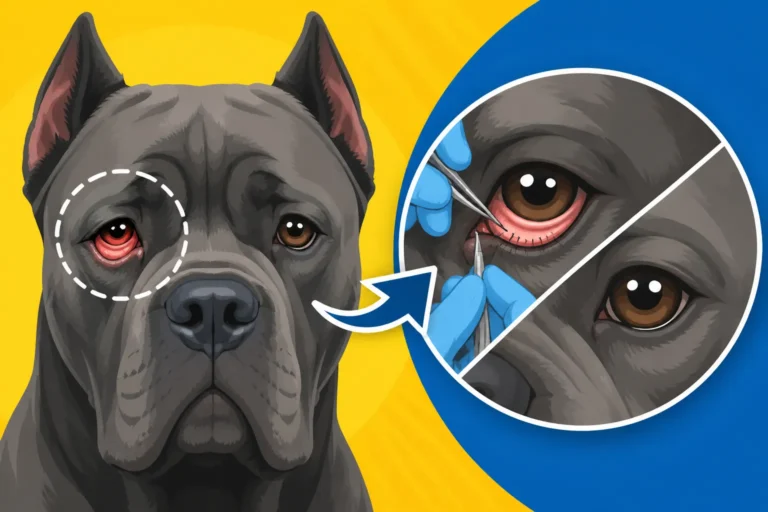
Warts and Papillomas: These small, often cauliflower-like growths are caused by the papillomavirus and are more common in puppies or dogs with compromised immune systems. They often appear around the mouth, eyelids, or paws. While typically harmless and often self-resolving, they can sometimes cause irritation or secondary infection if chewed or rubbed. If you notice any suspicious growths around your Cane Corso's eyes, it’s always wise to have them checked, especially if you're dealing with issues like The Loose Eyelids Nearly Every Cane Corso Owner Meets, which can already make the area prone to irritation.
Concerning Growths: The Malignant Possibilities
While it's comforting to know that many lumps are benign, it's equally important to be aware of the more serious types of growths that can appear under a Cane Corso's skin. Early detection is absolutely critical for a better prognosis with these.
-
Mast Cell Tumors (MCTs): These are perhaps one of the most unpredictable and worrisome types of skin tumors. Mast cell tumors are known as "the great imitators" because they can look and feel like almost anything – a harmless fatty lump, an insect bite, or a red, ulcerated sore. They can be soft or firm, movable or fixed, and their size can fluctuate. This variability makes professional diagnosis essential. MCTs can be highly aggressive, spreading rapidly to lymph nodes, spleen, liver, and bone marrow. Due to their unpredictable nature and potential for quick progression, any suspicious lump should be evaluated promptly.
-
Soft Tissue Sarcomas: This is a broad category of malignant tumors that arise from connective tissues like fat, muscle, and fibrous tissue. They can appear anywhere on the body and often feel firm and fixed to the underlying tissue. Unlike lipomas, which are typically easy to move, sarcomas often feel "rooted." While they are generally slow to metastasize (spread) compared to other cancers, they can be locally invasive, meaning they aggressively infiltrate the surrounding tissues. This makes complete surgical removal challenging and sometimes requires wide margins of healthy tissue to be excised to prevent recurrence.
-
Lymphoma (Cutaneous Lymphoma): While lymphoma most commonly presents as enlarged lymph nodes (which you might feel in your Cane Corso’s neck, armpits, or groin), it can also manifest as skin lesions. These can appear as single or multiple lumps, plaques, or generalized redness and scaling of the skin. Cutaneous lymphoma can be difficult to diagnose initially because its symptoms can mimic other skin conditions. If your Cane Corso shows unexplained skin changes or enlarged lymph nodes, it's crucial to have a thorough veterinary examination, including potential Yearly Bloodwork on an Adult Cane Corso and specialized tests.
-
Melanoma: These tumors originate from pigment-producing cells. While often associated with dark, black lesions, not all melanomas are pigmented. They can be found on the skin, but more dangerously, they can occur in the mouth or on the nail beds and paw pads. Melanomas, particularly those in the mouth or nail bed, tend to be highly aggressive and prone to metastasis. Any dark, new, or changing lump, especially in these areas, should be considered suspicious until proven otherwise.
-
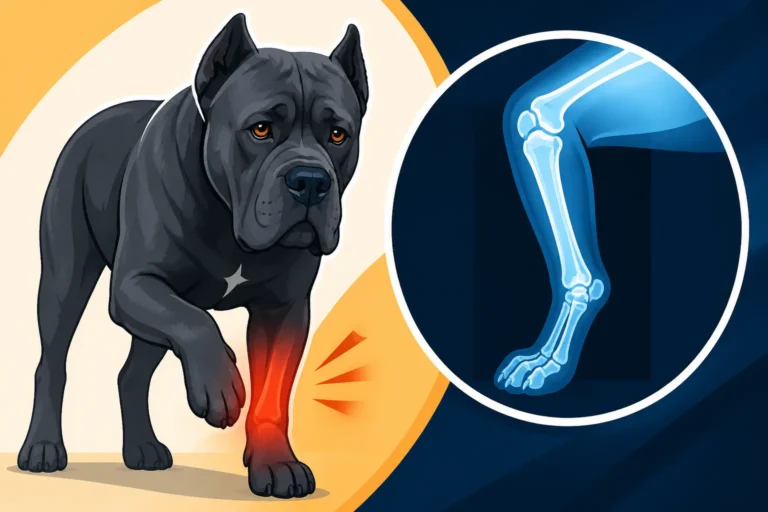
Bone Cancer (Osteosarcoma): Although not a lump under the skin, sometimes a lump near a bone, particularly on the limbs, can be indicative of bone cancer, or a soft tissue sarcoma growing very close to the bone. Osteosarcoma is unfortunately common in large and giant breeds like Cane Corsos and is extremely aggressive. If your Cane Corso develops a lameness or pain associated with a bony lump, especially in a front leg, it's crucial to consider serious possibilities like Bone Cancer in a Cane Corso's Front Leg and seek immediate veterinary attention.
When a Lump Demands Immediate Veterinary Attention
Discovering a lump is always a cause for concern, but certain characteristics and accompanying symptoms should prompt you to call your veterinarian without delay. Don't fall into the trap of "waiting and watching" if any of these red flags appear; early intervention can significantly impact your Cane Corso's prognosis, especially if it turns out to be something serious.
Red Flags: Changes in Size, Texture, and Behavior
It’s one thing to find a small, soft, movable lump that stays the same for months, and quite another to find one that rapidly transforms. Being observant about any changes is paramount.
-
Rapid Growth: This is perhaps one of the most concerning signs. If a lump appears suddenly and then seems to double in size within a week or two, it needs immediate veterinary assessment. Rapidly growing masses, especially those that proliferate aggressively, are far more likely to be malignant. A small, seemingly insignificant bump that rapidly escalates in size can be a sign of an aggressive tumor.
-
Fixation to Underlying Tissue: A benign lipoma will often feel like it's floating freely under the skin, easily movable between your fingers. A lump that feels firm and immovably attached to the muscle or bone underneath is much more concerning. This "fixed" quality suggests that the mass is infiltrating deeper tissues, a characteristic often associated with aggressive cancers like sarcomas.
-
Ulceration, Bleeding, or Discharge: Any lump that develops an open sore on its surface, starts bleeding spontaneously, or produces any kind of pus or discharge is a serious red flag. Ulceration can be a sign of rapid tumor growth outpacing its blood supply, or it can indicate an infection that needs immediate attention. Even if it's "just" an infected cyst, it requires prompt veterinary care.
-
Pain or Discomfort: Pay close attention to your Cane Corso's behavior around the lump. If they start licking, chewing, or biting at the area excessively, or if they flinch, yelp, or show aggression when you touch it, the lump is causing them pain or irritation. Painful lumps are always more concerning and require immediate investigation.
-
General Signs of Illness: Beyond the lump itself, any accompanying systemic signs of illness should elevate your concern. This includes lethargy, a noticeable decrease in appetite, unexplained weight loss, difficulty eating or swallowing, or changes in drinking and urination habits. These generalized symptoms can indicate that the lump is either malignant and affecting your Cane Corso's overall health, or that there's an underlying systemic condition that needs to be addressed. These are crucial details your vet will want to know.
Location, Location, Location: Where Lumps Are Most Concerning
While any lump warrants attention, certain anatomical locations are inherently more concerning due to the types of tissues present or the implications for vital functions.
-
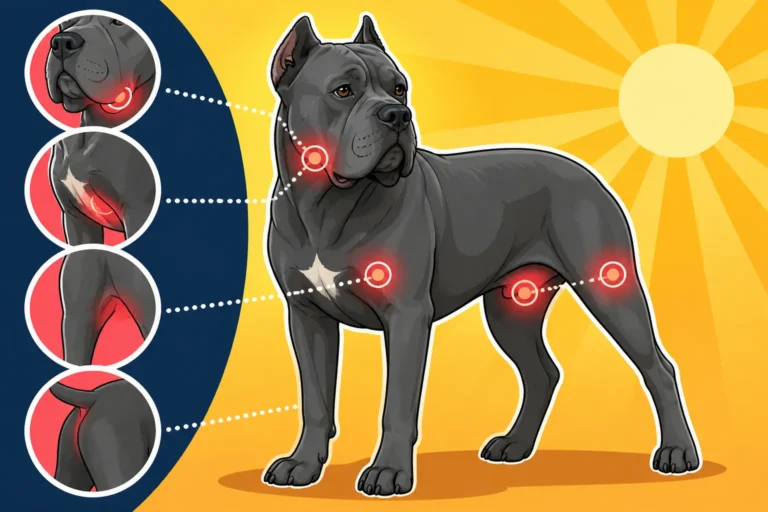
Lumps in Lymph Nodes: Your Cane Corso has lymph nodes in several easily palpable locations, including under the jaw (submandibular), in the armpits (axillary), and in the groin (inguinal). Enlarged, firm, or fixed lymph nodes can be a significant indicator of lymphoma or the spread of other cancers. Regularly checking these areas as part of your routine health checks is a good practice.
-
Lumps on or Around Eyelids: Growths in these delicate areas can quickly interfere with vision, cause chronic irritation, or even indicate more serious types of tumors. While some might be benign meibomian cysts, others could be malignant. As Cane Corsos can sometimes be prone to eyelid issues, any new growth should be evaluated to ensure it doesn't exacerbate conditions or lead to more severe problems.
-
Lumps in the Mouth or Gums: Any mass found inside your Cane Corso's mouth, on the tongue, gums, or palate, is particularly concerning. Oral tumors, even if small, can be aggressive and spread quickly. They can also interfere with eating and cause significant discomfort. If you can, regularly check your Cane Corso's mouth for any unusual growths or discolorations.
-
Lumps on Paw Pads or Between Toes: The paw pads and areas between the toes are prone to certain types of aggressive tumors, including squamous cell carcinomas and melanomas. These locations are also easily traumatized, which can lead to infection, making diagnosis tricky. If your Cane Corso starts limping, licking a paw excessively, or you notice a lump here, get it checked.
-
Lumps in the Mammary Glands: For intact or even spayed female Cane Corsos, lumps in the mammary glands (the nipples and surrounding tissue) are highly concerning for mammary gland tumors, which can be malignant. These often feel like firm nodules or chains of masses along the mammary chain. Early removal is vital for the best prognosis. This is a strong argument for considering spaying your female Cane Corso, as it significantly reduces the risk of these types of tumors.
Navigating Diagnosis and Treatment Options
Once you've found a lump on your Cane Corso and decided to visit the vet – which, again, we always recommend – the next steps involve a careful diagnostic process to understand exactly what you're dealing with. This can feel daunting, but it's the pathway to an appropriate treatment plan.
The Diagnostic Journey: From FNA to Biopsy
Getting an accurate diagnosis is the most critical step. Your veterinarian will likely employ a systematic approach to determine the nature of the lump.
-
Initial Physical Examination: Your vet will start by thoroughly examining your Cane Corso, paying close attention to the lump's size, shape, texture, location, and whether it's fixed or movable. They'll also check surrounding areas and lymph nodes for any signs of spread or other issues. This comprehensive check is standard procedure, helping the vet gather crucial initial information.
-
Fine Needle Aspirate (FNA): Often, the first diagnostic step for a suspicious lump is a fine needle aspirate. This is a relatively quick, minimally invasive procedure where your vet uses a very fine needle to collect a small sample of cells from the lump. The collected cells are then smeared onto a slide and examined under a microscope, either in-house or by a veterinary pathologist. The pros are that it's usually well-tolerated by most dogs, often requiring no sedation, and it can provide immediate insights. However, the downside is that an FNA doesn't always yield a definitive diagnosis, especially if the sample is too small or if the lump contains a mixture of cell types. Sometimes, an FNA might come back as "inconclusive" or "suggestive of," prompting further testing.
-
Biopsy: When an FNA doesn't provide a clear answer, or if the vet strongly suspects a malignancy, a biopsy is the next logical step. A biopsy involves removing a larger piece of tissue from the lump for microscopic examination. There are several types:
- Punch Biopsy: A small circular punch tool is used to remove a core sample of tissue. This often requires local anesthesia or light sedation.
- Incisional Biopsy: A wedge of tissue is surgically removed from the lump.
- Excisional Biopsy: The entire lump is surgically removed, and then sent for analysis. This acts as both a diagnostic and a potential treatment.
A biopsy provides much more detailed information than an FNA, allowing the pathologist to identify the specific type of cells, their grade (how aggressive they appear), and whether the tumor has clear margins if it's an excisional biopsy. Due to the size and temperament of a Cane Corso, sedation or even general anesthesia is often required for a biopsy, which always carries a small risk. It's important to discuss any concerns with your vet, especially if your Cane Corso is elderly or has other health conditions.
-
Further Diagnostics: Depending on the type of lump and whether malignancy is confirmed, your vet might recommend additional diagnostics to determine if the cancer has spread. This can include:
- X-rays (Radiographs): Especially of the chest, to check for spread to the lungs.
- Ultrasound: To examine internal organs like the spleen, liver, and abdominal lymph nodes for metastasis.
- Bloodwork: Comprehensive blood panels can help assess your Cane Corso's overall health, organ function, and identify any signs of systemic illness related to cancer. This might include specialized cancer markers. Routine checks like Yearly Bloodwork on an Adult Cane Corso can sometimes pick up on early indicators of problems.
Treatment Pathways: Surgery, Medication, and Palliative Care
Once a definitive diagnosis is reached, your vet will discuss the appropriate treatment options for your Cane Corso. The approach will vary significantly depending on whether the lump is benign or malignant, its type, size, location, and whether it has spread.
-
Surgical Removal: For many types of lumps, especially benign ones that are causing issues or most malignant tumors, surgical removal is the primary treatment. This involves carefully excising the entire mass, often with a margin of healthy tissue around it to ensure all cancerous cells are removed. For a large dog like a Cane Corso, any surgery, especially one requiring general anesthesia, needs careful consideration. Factors like size of the mass, location, and your dog's overall health are important. Anesthesia carries particular risks for deep-chested breeds, so ensuring your vet is experienced and takes precautions is vital. You might want to read more about Anesthesia Risk in a Deep Chested Cane Corso to understand the considerations. Recovery will involve pain management and activity restriction.
-
Chemotherapy and Radiation Therapy: For more aggressive or widespread cancers, chemotherapy or radiation therapy might be recommended, either alone or in conjunction with surgery. These treatments aim to kill cancer cells, reduce tumor size, and prevent further spread. The decision to pursue these therapies involves a significant financial and emotional commitment, as they often require multiple visits to a specialist veterinary oncologist.
-
Medication: For certain types of tumors, specific medications might be used. For instance, some mast cell tumors can respond to oral medications like Palladia (toceranib phosphate) or prednisone. These can help control tumor growth, reduce inflammation, or improve quality of life, especially when surgery isn't an option. Antibiotics might be prescribed for infected cysts or ulcerated masses.
-
Palliative Care: In cases where cancer is advanced, aggressive, or has spread extensively, and a cure is not possible, the focus shifts to palliative care. This approach aims to manage pain, discomfort, and other symptoms to maintain the best possible quality of life for your Cane Corso for as long as possible. This can involve pain medications, anti-inflammatory drugs, nutritional support, and other comfort measures.
The financial implications of diagnosing and treating lumps, especially malignant ones, can be substantial. This is where pet insurance, like Healthy Paws, can be an absolute lifesaver. Having a good policy in place early on can significantly ease the burden of unexpected vet bills for diagnostics, surgery, and ongoing treatments, allowing you to make medical decisions based on what’s best for your Cane Corso rather than solely on cost. Many owners don't realize how quickly these costs can add up until they're faced with them, and a reliable insurance provider can offer immense peace of mind.
Proactive Monitoring and Long-Term Management
Finding a lump on your Cane Corso is a wake-up call, but it also empowers you to be more proactive in their health. Consistent monitoring and a strong partnership with your veterinarian are key to ensuring your big companion lives a long, healthy, and comfortable life. It’s about taking control where you can, and being prepared for what might come.
The Importance of Regular At-Home Checks
You are your Cane Corso's primary advocate, and your regular interactions put you in the best position to spot subtle changes early. Make routine checks a part of your bonding time.
-
Daily or Weekly "Pat-Downs": Get into the habit of performing a thorough "pat-down" of your Cane Corso at least once a week, or even daily if they enjoy it. This isn't just a quick pat on the head; it involves systematically feeling every part of their body. Start from their head, feeling their ears, jawline, and neck (checking those lymph nodes!). Move down their shoulders, chest, abdomen, back, and all four legs, paying attention to the armpits and groin. Feel their tail and their paws, including between the toes. The goal is to get intimately familiar with what your dog's "normal" body feels like. This way, any new bump, even a tiny one, will immediately stand out to you. Many Cane Corsos will come to enjoy this routine as a form of petting and attention.
-
Checking Existing Lumps for Changes: If your Cane Corso already has known benign lumps, like lipomas or sebaceous cysts, your regular checks should also include monitoring these. Are they getting bigger? Are they changing in texture? Have they become red, inflamed, or ulcerated? Any change in an existing lump should be reported to your vet. This vigilance helps catch any potential transformation of a benign lump or the emergence of a new problem on or near an existing one. Remember that even benign lumps can sometimes become irritated or infected.
-
Tips for a Thorough Check: To make your checks more effective, consider doing them when your Cane Corso is relaxed, perhaps during cuddle time on the couch or after a walk. Use the pads of your fingers to gently palpate the skin and underlying tissues. Don't forget to look inside their mouth, lift their lips to check their gums, and examine their ears. It's amazing what you can discover when you're truly attentive.
Partnering with Your Veterinarian for Optimal Health
Your vet is your most important ally in your Cane Corso's health journey. Regular professional oversight is crucial, especially as your dog ages.
-
Regular Vet Visits: Even if your Cane Corso seems perfectly healthy, routine veterinary check-ups are non-negotiable. These visits allow your vet to perform a comprehensive physical exam, which can uncover lumps or other issues you might have missed. They'll also update vaccinations, discuss parasite prevention, and generally assess your dog's overall health. For an adult Cane Corso, annual check-ups are usually recommended, but as they age, more frequent visits might be beneficial. If you're wondering How Often a Healthy Cane Corso Sees the Vet, remember that prevention and early detection are key.
-
Discussing Any Changes, No Matter How Small: Never hesitate to call your vet if you notice a new lump or any change in an existing one. It's always better to be overly cautious than to regret waiting. Even if it turns out to be nothing, the peace of mind is invaluable. Provide your vet with as much detail as possible: when you first noticed it, how fast it's growing, if it seems to bother your dog, and any other symptoms.
-
Nutritional Support and Weight Management: A healthy diet plays a significant role in overall well-being and can indirectly influence skin health. Ensuring your Cane Corso receives appropriate nutrition for their life stage and activity level is vital. Maintaining a lean body condition is also paramount, as obesity can not only exacerbate joint issues but can also make it harder to find lumps on your dog, potentially masking issues. Discussing your Cane Corso's diet, especially if you're dealing with an older dog, can be crucial for their health. Things like Feeding an Old Cane Corso That Has Slowed Down or simply ensuring they're not carrying too much weight, as explored in articles like What Extra Weight Does to a Cane Corso's Hips, contribute to their long-term wellness.
-
Considering Pet Insurance: As mentioned, the costs associated with diagnosing and treating lumps, particularly malignant ones, can be incredibly high. A good pet insurance policy, such as those offered by Healthy Paws, can provide a financial safety net. It allows you to pursue the best possible care for your Cane Corso without being solely constrained by cost. Healthy Paws, for example, is known for covering a wide range of accidents, illnesses, and even some alternative treatments, which can be invaluable when facing serious health issues. This kind of financial planning means you can focus on your dog's recovery and comfort, rather than stressing about vet bills.
Lumps and bumps are a part of life for many dogs, especially large breeds like Cane Corsos as they age. While the discovery can be alarming, a proactive approach to monitoring, swift veterinary consultation, and understanding the diagnostic and treatment options available can make all the difference. Your dedication to their health is the most important factor in ensuring your majestic companion enjoys the healthiest and happiest life possible.
Quick Reference for Cane Corso Lumps
| Type of Lump | Common Characteristics | Typical Causes | Urgency for Vet Visit |
|---|---|---|---|
| Lipoma | Soft, movable, non-painful, under the skin | Benign fatty tumor, common in older dogs | Low, unless rapidly growing or interfering |
| Sebaceous Cyst | Firm, round, often feels like a pea/marble, can rupture | Blocked oil gland | Moderate, if ruptured, infected, or bothering dog |
| Histiocytoma | Small, raised, red, hairless, often on young dogs | Benign skin tumor, usually self-resolving | Moderate, to confirm diagnosis |
| Wart/Papilloma | Small, cauliflower-like, often on young dogs | Viral (papillomavirus) | Low, unless irritated or causing issues |
| Mast Cell Tumor | Highly variable in appearance (can mimic anything), can grow/shrink quickly | Malignant, aggressive skin cancer | HIGH – Immediate veterinary attention required |
| Soft Tissue Sarcoma | Firm, often fixed to underlying tissue, can be invasive | Malignant tumor of connective tissue | HIGH – Prompt veterinary attention required |
| Cutaneous Lymphoma | Varied skin lesions, redness, lumps, enlarged lymph nodes | Malignant cancer of the lymphatic system | HIGH – Prompt veterinary attention required |
| Melanoma | Often dark, but can be non-pigmented; aggressive in mouth/pads | Malignant tumor of pigment cells | HIGH – Immediate veterinary attention, especially oral/paw |
Disclaimer
The information provided in this article is intended for general educational purposes only and should not be considered a substitute for professional veterinary advice. Always consult with a qualified veterinarian for any health concerns or before making any decisions related to your Cane Corso's care, diagnosis, or treatment.