Breeding Two Cane Corso Carriers and What Follows
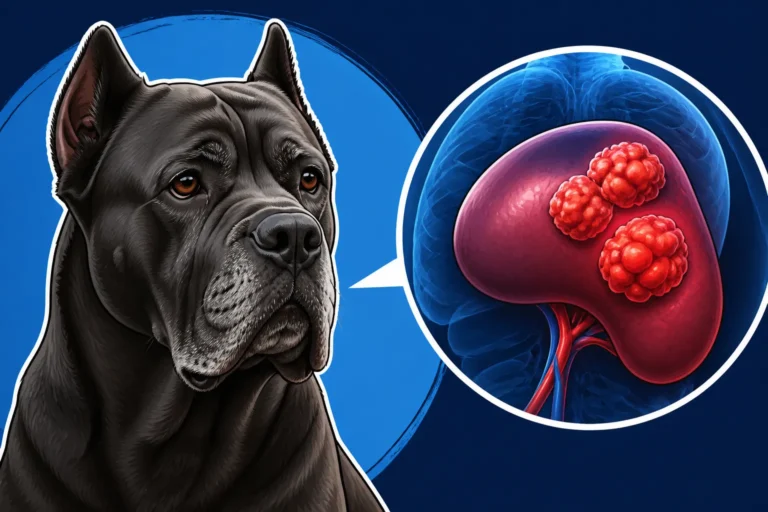
The decision to breed two Cane Corsos who are both carriers for the same genetic disease is one that weighs heavily on responsible breeders. It presents a complex ethical and practical dilemma, fraught with the potential for heartbreaking outcomes for puppies and their future families. This guide aims to thoroughly explore the intricate genetics involved, the specific diseases prevalent in the breed, and the careful considerations breeders must navigate to minimize risks and make informed choices.
Understanding Genetic Carrier Status in Cane Corsos
When we talk about a Cane Corso being a "carrier" for a genetic disease, it can sound quite alarming, but it's crucial to understand precisely what that means from a scientific perspective. It's not the same as being affected by the disease itself, but it does signify a hidden potential that deserves serious attention, especially in a majestic breed like the Cane Corso.
What "Carrier" Truly Means for a Cane Corso
A Cane Corso that is a carrier for a recessive genetic disease possesses one copy of the normal gene and one copy of the mutated, disease-causing gene. Because the disease is recessive, the dog itself typically does not show any symptoms or signs of the condition. They are, for all intents and purposes, outwardly healthy. Their body produces enough of the functional protein from the normal gene copy to compensate for the faulty one. This is why carriers can live full, normal lives without ever exhibiting the devastating effects of the disease they carry. However, the crucial point is that they can pass that mutated gene copy on to their offspring. It's a silent inheritance, a hidden genetic blueprint that can have profound implications if not handled with care and knowledge. It's a bit like someone carrying a specific rare allergy gene; they might never have an allergic reaction, but if they have a child with someone else who also carries that same gene, their child could potentially be allergic.
How DNA Testing Identifies Carriers
Thankfully, modern veterinary science provides us with powerful tools to peer into a dog's genetic makeup. DNA testing has become an indispensable part of responsible breeding, especially for breeds known to carry specific genetic conditions, and the Cane Corso is no exception. These tests are usually simple buccal swab (cheek swab) tests or blood tests that collect genetic material. The samples are then sent to specialized laboratories, many of which are specifically accredited for canine genetic testing. These labs analyze the dog's DNA to identify the presence of specific gene mutations known to cause diseases in Cane Corsos. For conditions like Neuronal Ceroid Lipofuscinosis (NCL) or Degenerative Spinal Radiculomyelopathy (DSRA), the test will clearly indicate if a dog is "clear" (meaning they have two normal gene copies), a "carrier" (one normal, one mutated), or "affected" (two mutated gene copies). This clear, unambiguous information allows breeders to make informed decisions about breeding pairs, preventing the propagation of these debilitating diseases. It removes the guesswork and provides a scientific basis for preserving the health of future generations. It’s an investment that pays dividends in puppy health and owner peace of mind.
The Mechanics of Recessive Inheritance
Understanding how genetic traits are passed down from parents to offspring is fundamental to responsible breeding. When it comes to recessive diseases, the pattern of inheritance is predictable, and it's this predictability that guides breeders in making crucial decisions.
Punnett Squares and Probability in Breeding
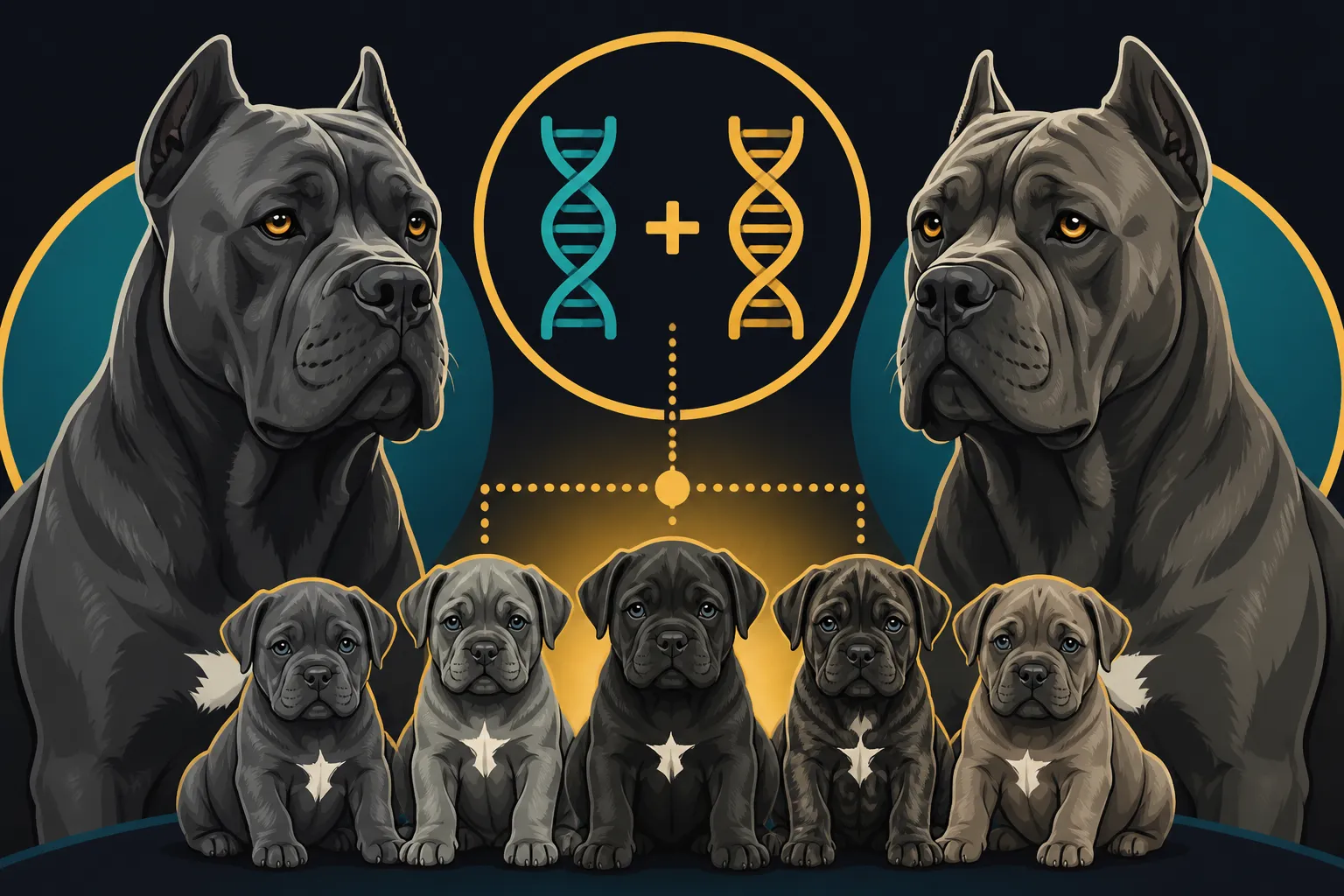
To truly grasp what happens when two carriers are bred, we often turn to a simple but incredibly effective tool from genetics: the Punnett Square. Imagine 'N' represents the normal, healthy gene and 'M' represents the mutated, disease-causing gene. A carrier dog has the genetic makeup 'NM'. When two such carriers ('NM' x 'NM') are bred, the Punnett Square clearly illustrates the probabilities of the offspring's genetic status:
| N | M | |
|---|---|---|
| N | NN (Clear) | NM (Carrier) |
| M | NM (Carrier) | MM (Affected) |
This table lays out the statistical likelihood for each puppy in the litter. While it's a statistical probability and not a guarantee for any single litter (a bit like flipping a coin – you don't always get exactly 50% heads in ten flips), it accurately represents the odds over many breeding events. This means that for every puppy conceived from a carrier-to-carrier breeding, there's a 25% chance it will be clear, a 50% chance it will be a carrier like its parents, and a 25% chance it will be affected by the disease. These aren't just abstract numbers; they represent the very real outcomes for living, breathing Cane Corso puppies.
The 25% Risk of Affected Offspring
That 25% risk of producing an affected puppy is the core of the ethical dilemma for breeders. While 75% of the puppies might be healthy (either clear or carriers), that one-in-four chance means that, on average, a quarter of the litter will suffer from a serious, often untreatable, genetic disease. For families adopting these puppies, this can lead to immense heartache, significant financial burdens, and the devastating loss of a beloved pet prematurely. Imagine adopting what you believe is a healthy, robust Cane Corso puppy, only to have it develop severe neurological issues around two years old, as described in The Age NCL Symptoms Surface in a Cane Corso. This is the reality when these genetic risks are ignored.
For breeders striving to improve the health and longevity of the breed, knowingly taking this 25% risk is a profound decision. It goes against the very principle of "do no harm" that good breeders uphold. While sometimes a carrier might possess other extraordinarily valuable traits that a breeder feels are crucial to preserve in the gene pool, breeding two carriers together is generally considered highly irresponsible if viable alternatives exist. The long-term health and reputation of the Cane Corso breed rely on making choices that actively reduce the incidence of these debilitating conditions, not perpetuate them.
Specific DNA Diseases Common in Cane Corsos
The Cane Corso, like many purebred dogs, is susceptible to certain inherited diseases. Thanks to advances in canine genetics, two specific DNA diseases have gained significant attention due to their severe impact on affected dogs: Neuronal Ceroid Lipofuscinosis (NCL) and Degenerative Spinal Radiculomyelopathy (DSRA). These are the kind of conditions that underscore the importance of The Two DNA Diseases in Cane Corso Pedigrees being thoroughly understood by every prospective breeder and owner.
Neuronal Ceroid Lipofuscinosis (NCL) in Cane Corsos
Neuronal Ceroid Lipofuscinosis, often shortened to NCL, is a devastating neurological disorder that has been identified in Cane Corsos. It's a lysosomal storage disease, meaning that a specific enzyme deficiency leads to the accumulation of waste materials within the nerve cells, primarily in the brain and eyes. The onset of symptoms for NCL in Cane Corsos typically occurs around 12 to 24 months of age, which is truly heartbreaking because by then, these dogs are well past their puppy stage, deeply integrated into their families, and appear to be thriving.
Initially, owners might notice subtle changes in behavior: uncharacteristic anxiety, clumsiness, or a loss of learned commands. As the disease progresses, these symptoms worsen dramatically. Affected dogs can develop severe motor incoordination, leading to difficulty walking, stumbling, and eventually an inability to stand. They often experience seizures, vision loss, and cognitive decline, essentially losing their personality and ability to interact normally. The progression is relentless and there is currently no cure or effective treatment for NCL, making it a fatal condition. Affected dogs usually decline rapidly and are often euthanized before two to three years of age due to the severity of their neurological impairment. This makes careful DNA screening for The Nerve Disease Cane Corsos Are DNA Tested For an absolute necessity.
Degenerative Spinal Radiculomyelopathy (DSRA)
Another significant genetic concern in the Cane Corso is Degenerative Spinal Radiculomyelopathy, or DSRA. This disease primarily affects the spinal cord and peripheral nerves, leading to a progressive loss of coordination and eventually paralysis. Unlike NCL, which often manifests with overt neurological signs, DSRA's initial symptoms can sometimes be more subtle, affecting the way a dog moves and carries itself. Dogs affected by DSRA show signs of ataxia, meaning they have an uncoordinated gait, especially in their hind limbs. They might drag their feet, stumble, or have difficulty with stairs. Muscle weakness and atrophy also become evident as the disease progresses.
One of the more unique and often overlooked symptoms of DSRA, which can be an early indicator, is related to tooth development and enamel. Affected puppies might present with What Discolored Teeth Mean on a Cane Corso Puppy, often displaying discolored or pitted enamel due to developmental abnormalities. This is a critical red flag that can sometimes appear even before motor coordination issues become obvious. As the disease advances, How DSRA Takes a Cane Corso's Sight can also become a factor, as vision can be impacted, adding another layer of challenge for the affected dog. Like NCL, DSRA is a progressive and incurable condition, leading to a severely diminished quality of life. Dogs often require significant supportive care, including mobility aids, and eventually, euthanasia becomes a humane necessity when their quality of life can no longer be maintained. For both NCL and DSRA, the availability of DNA tests means breeders have the power to eradicate these conditions from their lines by avoiding carrier-to-carrier breedings.
The Ethical Dilemma of Breeding Carriers
For a responsible Cane Corso breeder, the ethical implications of genetic diseases loom large. The knowledge that two outwardly healthy carrier parents could produce a litter with a 25% chance of severe, incurable illness is a heavy burden, forcing breeders to confront difficult choices.
The Temptation to Breed "Good" Carriers
Sometimes, a Cane Corso who is a carrier for a genetic disease might possess truly exceptional qualities. Perhaps they have an outstanding temperament, a conformation that perfectly aligns with the breed standard, or an impressive working drive that is rare and highly sought after. In these situations, breeders can face a powerful temptation to use this dog in their breeding program, even knowing its carrier status. The argument often made is that these "good" genes are too valuable to lose from the gene pool, and by carefully selecting a "clear" mate, the risks can be managed. While breeding a carrier to a clear dog will indeed produce only clear or carrier puppies, never affected ones, the issue arises when multiple carriers are allowed into the gene pool without careful tracking.
The real dilemma emerges when a breeder considers pairing two carriers. This situation is generally viewed as ethically questionable, if not outright irresponsible, within the community of dedicated Cane Corso breeders. The desire to combine "exceptional" traits from two carriers, hoping for that 75% chance of healthy offspring, often overshadows the stark reality of the 25% chance of creating suffering. It's a gamble that, when lost, results in puppies with devastating conditions, leading to immense pain for the animals and profound distress for their owners. This is where the commitment to the long-term health of the breed, and the welfare of individual dogs, must take precedence over personal breeding goals or perceived "perfection" in a single dog.
Impact on the Breed's Genetic Health
The choices individual breeders make about their carrier dogs have a ripple effect across the entire Cane Corso breed's genetic health. If many breeders opt to pair carriers with carriers, even infrequently, the frequency of the disease-causing gene in the overall population can increase. This makes it harder for future generations of breeders to find truly clear dogs, creating a bottleneck or limiting the genetic diversity needed for a robust and healthy breed.
The goal of responsible breeding is not just to produce healthy puppies in this litter but to contribute positively to the breed's future. This means making decisions that reduce the prevalence of genetic diseases, not just managing their symptoms or trying to avoid affected offspring in a single pairing. Organizations like the Orthopedic Foundation for Animals (OFA) and the Cane Corso Association of America (CCAA) strongly advocate for breeders to use DNA testing to avoid carrier-to-carrier matings. By systematically breeding carriers to clear dogs, and then ideally selecting clear offspring from those litters to continue breeding, the mutated gene can be slowly and carefully bred out of lines without losing valuable genetic diversity. This meticulous approach, which extends to ensuring Why Both Cane Corso Parents Need the DNA Panel, is vital for ensuring the Cane Corso remains a healthy and thriving breed for years to come.
Mitigating Risks and Responsible Breeding Practices
When dealing with carrier dogs, especially in a breed like the Cane Corso where genetic health is paramount, mitigating risks becomes the cornerstone of responsible breeding. It's not just about avoiding immediate problems; it's about making long-term, strategic decisions for the betterment of the entire breed.
Selecting Complementary Mates
The most crucial and fundamental step in mitigating risk when you have a carrier Cane Corso in your breeding program is selecting a complementary mate. If you have a dog that is a carrier for a specific recessive genetic disease, that dog must be bred to a dog that is certified "clear" for that same disease. There are simply no exceptions if you aim to avoid producing affected puppies. This combination, a carrier bred to a clear dog, ensures that while some offspring may still be carriers (statistically 50%), none will be affected by the disease. Every puppy produced will have at least one copy of the normal, functional gene.
This strategy allows breeders to cautiously utilize a carrier dog's otherwise valuable traits – perhaps their excellent conformation, temperament, or working ability – without creating suffering. However, the responsibility doesn't end there. From any such litter, breeders should prioritize retaining or placing "clear" puppies for future breeding prospects, further diluting the presence of the mutated gene in subsequent generations. If a carrier puppy from this pairing is considered for breeding, it must also only be bred to a clear mate. This meticulous approach is how responsible breeders slowly but surely work towards eliminating genetic diseases from their lines over time, preserving the best qualities of the breed while improving its health.
The Role of Extensive Health Testing Beyond DNA
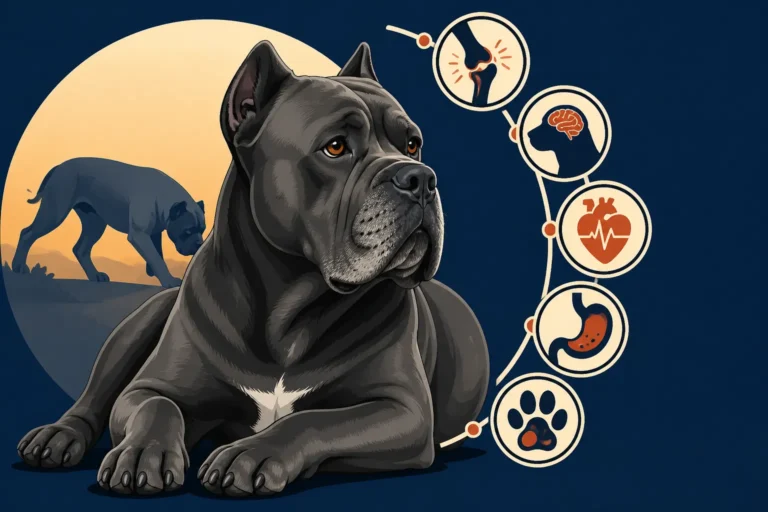
While DNA testing for specific recessive diseases like NCL and DSRA is absolutely non-negotiable, it's vital to remember that a dog's health profile extends far beyond just these two conditions. A truly responsible Cane Corso breeder engages in extensive health testing that goes well beyond simple DNA panels. This includes, but isn't limited to, orthopedic evaluations like OFA (Orthopedic Foundation for Animals) certifications for hips and elbows to screen for conditions like hip and elbow dysplasia, which are common in large breeds. Eye examinations by a board-certified veterinary ophthalmologist are crucial to check for inherited eye conditions. Cardiac evaluations, often involving an echocardiogram performed by a veterinary cardiologist, are also paramount given the breed's predisposition to certain heart issues.
For a Cane Corso breeder, reviewing Reading a Cane Corso's DNA Results Before You Buy is just the first step. They should also be scrutinizing the OFA database, looking at CHIC (Canine Health Information Center) numbers, and evaluating pedigrees for known incidences of issues that aren't yet DNA testable. This comprehensive approach provides a much clearer picture of a dog's overall health and genetic predisposition, ensuring that you're not just breeding away from one problem, but actively breeding towards overall health and longevity. It also helps to identify issues that might not be genetic but could still impact a dog's quality of life, demonstrating a holistic commitment to animal welfare.
Counseling Prospective Puppy Owners
Transparency and thorough education are key when placing puppies from a carrier-to-clear breeding. Prospective puppy owners must be fully informed about the genetic status of their potential puppy, especially if it is also a carrier. This means providing clear, written documentation of the parents' DNA tests, explaining what being a carrier means (i.e., the puppy itself will not develop the disease but could pass the gene on if bred), and strongly advising them to DNA test any future mates if they ever plan to breed.
A responsible breeder won't just hand over a puppy and a pedigree; they'll act as a resource, answering questions and ensuring the new owners understand the implications of the genetic information. They might also discuss the importance of comprehensive pet insurance, like policies offered by Healthy Paws, which can help cover unexpected veterinary costs, regardless of genetic predispositions. This open communication builds trust and empowers puppy owners to make responsible decisions throughout their dog's life. It's about honesty and partnership, setting both the dog and the owner up for success, and recognizing the shared responsibility in maintaining the health of the Cane Corso breed.
Managing Affected Puppies and Owner Responsibilities
Despite the best efforts of responsible breeders, sometimes, through unforeseen circumstances or the unfortunate decision of breeding two carriers, an affected puppy might be born. This is where the true test of an owner's commitment and a breeder's responsibility comes into play.
Identifying Symptoms Early
Early identification of symptoms in an affected puppy is crucial for managing their condition and ensuring their comfort. For a disease like NCL, initial signs can be subtle, manifesting as behavioral changes, clumsiness, or difficulty with training between 12 and 24 months of age. For DSRA, owners might observe a peculiar gait, stumbling, or even notice issues with What Discolored Teeth Mean on a Cane Corso Puppy in the form of abnormal tooth enamel or discoloration from a young age. Vigilant observation, regular veterinary check-ups, and an open line of communication with the breeder can help catch these early warning signs.
If an affected puppy does appear, the breeder has a moral and often contractual obligation to support the new owners. This support can range from covering veterinary costs for diagnosis and palliative care, to offering a full refund or replacement puppy. Some breeders may even require the return of an affected puppy, though often families are too bonded to their pet by then. It's a devastating situation for everyone involved, and prompt, honest communication is the best path forward, allowing families to prepare for the challenges ahead and access any available support.
Supporting Families with Affected Dogs
Living with a dog affected by a progressive, incurable genetic disease like NCL or DSRA is emotionally and financially taxing. Families face the heartbreak of watching their beloved Cane Corso decline, often knowing there is no cure. Providing support means ensuring they have access to resources, understanding the progression of the disease, and helping them manage the day-to-day care. This might include recommendations for specialized veterinary neurologists, physical therapists, or even support groups for owners facing similar challenges.
Financial support can be a significant concern. The costs associated with diagnostics, medications to manage symptoms (like anti-seizure drugs for NCL), mobility aids, and palliative care can quickly add up. This is where a robust pet insurance plan can make a world of difference. Companies like Healthy Paws offer comprehensive coverage that can alleviate some of this financial strain, allowing owners to focus on their dog's comfort and quality of life rather than worrying about exorbitant vet bills. Discussing the importance of such coverage at the time of purchase is a hallmark of a truly ethical breeder, helping families prepare for the unexpected and ensure their Cane Corso receives the best possible care throughout its life, however long that may be.
The Long-Term Commitment
Bringing an affected Cane Corso into your home, whether knowingly or unknowingly, requires an immense long-term commitment. These dogs will need specialized care, potentially including daily medication, physical therapy, adaptations to their living environment, and frequent veterinary visits. The emotional toll on the family is profound, as they navigate the challenges of a progressive disease and ultimately, the difficult decision of humane euthanasia.
This commitment extends to ensuring the dog's comfort and dignity at every stage of their illness. It means adjusting expectations, celebrating small victories, and focusing on quality of life over quantity of days. For breeders, this also involves a solemn pledge to prevent such outcomes in the future. Learning from every case, reinforcing breeding practices that prioritize genetic health, and continually educating the public about the risks are all part of that long-term commitment. This dedication ensures that every Cane Corso puppy has the best possible chance at a long, healthy, and happy life, minimizing the instances where families face the profound challenges that arise when Whether an Affected Cane Corso Can Be Treated at All becomes a grim reality.
Disclaimer
The information provided in this article is for general educational purposes only and is not intended to be a substitute for professional veterinary advice, diagnosis, or treatment. Always seek the advice of your veterinarian or other qualified health provider with any questions you may have regarding a medical condition or the health and welfare of your Cane Corso.