What Most Cane Corsos Actually Die Of
It's an unspoken fear every Cane Corso owner grapples with: the day you have to say goodbye. These magnificent dogs, so full of life and loyalty, often leave us far too soon, and understanding what typically takes them is crucial for providing the best care while they're with us. This guide isn't about dwelling on the inevitable, but about empowering you with knowledge on the most common causes of death in Cane Corsos, so you can be proactive, informed, and truly maximize every precious moment.
Understanding the Lifespan Challenges of a Cane Corso
Bringing a Cane Corso into your life is a commitment to a powerful, devoted companion, but it also means acknowledging the bittersweet reality that large and giant breeds generally have shorter lifespans than their smaller counterparts. It's a tough pill to swallow, especially when you're looking into those soulful eyes.
Why Big Dogs Have Shorter Lives
There's a scientific consensus that larger dogs, including our beloved Cane Corsos, tend to age at an accelerated rate. While smaller breeds might live into their late teens, the median lifespan for a Cane Corso often hovers around nine years. This isn't just a number; it reflects fundamental biological differences. Larger dogs grow incredibly quickly, and this rapid growth can put immense strain on their systems. Their cells replicate faster, leading to a higher incidence of diseases associated with aging, like cancer, at a younger chronological age. It’s like their internal clocks run on fast-forward, giving us less time to cherish their presence. It’s a sad reality, but one that helps us appreciate every single day we have. If you're looking for more specific information on this topic, you might find solace in understanding The Nine Year Median Behind a Cane Corso's Lifespan.
The Emotional Toll on Owners
Knowing your Cane Corso might not live as long as you'd hope can cast a shadow over even the happiest moments. There's a constant, underlying anxiety for many owners, a quiet dread of what lies ahead. We build such deep, profound bonds with these dogs; they become members of our family, our protectors, our confidantes. The thought of losing them, especially to a sudden illness, is agonizing. It's okay to feel that grief, that worry. It's a testament to the immense love you have for your dog. Being prepared, even if just mentally, can help you navigate those difficult conversations with your vet and make the most compassionate decisions when the time comes.
The Most Common Causes of Death for Cane Corsos
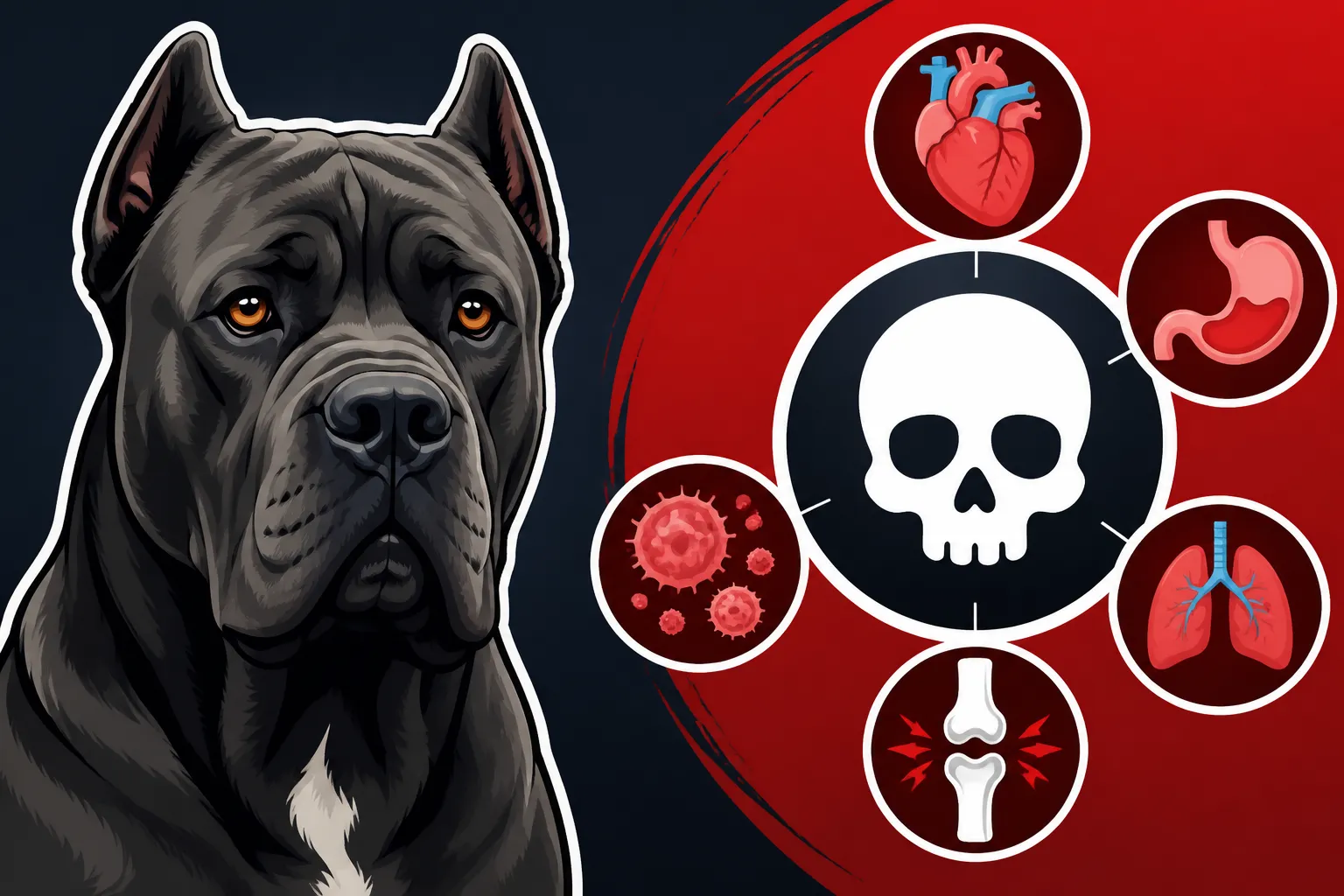
While every dog is an individual, and myriad factors can contribute to their eventual passing, certain health issues appear more frequently in Cane Corsos and other large breeds, making them the leading causes of death. Understanding these can help you recognize symptoms early and seek timely veterinary intervention.
Cancer: A Pervasive Threat
Cancer is, tragically, one of the most prevalent and heartbreaking causes of death in Cane Corsos. Its insidious nature means it can strike at any age, often presenting subtly before rapidly progressing. These magnificent dogs, with their fast-growing cells, seem particularly susceptible to certain aggressive forms.
One of the more common and devastating types is osteosarcoma, a form of bone cancer that often affects the long bones of the legs. Imagine your powerful, agile Corso suddenly developing a limp that doesn't improve. It's a terrifying scenario, and sadly, it's often the first sign of this aggressive cancer. This condition can lead to severe pain and debilitating lameness, often necessitating difficult decisions for owners. For a deeper look into this specific cancer, consider reading about Bone Cancer in a Cane Corso's Front Leg. Another prevalent and often silent killer is hemangiosarcoma, a cancer of the blood vessel lining that commonly affects the spleen or heart. It can develop without outward symptoms until it’s quite advanced, sometimes presenting as a sudden collapse due to internal bleeding. The speed at which this can take a dog's life is truly shocking and leaves owners reeling. Discovering Spleen Tumors in an Older Cane Corso is a devastating blow, often requiring immediate, intense veterinary care. Lymphoma, affecting the lymph nodes and immune system, is also seen. The key with cancer is vigilance; knowing your dog's normal behavior and body, and noticing any changes, no matter how small, can be critical. Regular veterinary check-ups are paramount, as sometimes a vet can spot something you might miss.
Gastric Dilatation-Volvulus (Bloat): The Sudden Killer
Bloat, or Gastric Dilatation-Volvulus (GDV), is every deep-chested dog owner's nightmare, and Cane Corsos are unfortunately predisposed to it. This isn't just an upset stomach; it's a rapidly progressing, life-threatening condition where the stomach fills with gas and often twists, cutting off blood supply and causing immense pain. The speed at which bloat can turn from a minor discomfort to a critical emergency is terrifying.
Owners often report their dog becoming restless, pacing, attempting to vomit but bringing nothing up, and developing a visibly distended abdomen. This is not a situation where you can "wait and see." Time is of the essence; you typically have mere hours from the onset of symptoms to get veterinary intervention. Surgical correction, known as a gastropexy, is often required to untwist the stomach and tack it to the abdominal wall to prevent future occurrences. This is why many owners, understanding the severity, choose to have a preventive gastropexy performed when their dog is spayed or neutered. The cost of emergency bloat surgery can be astronomical, easily running into thousands of dollars. Having pet insurance, like a plan from Healthy Paws, can be a lifeline in such critical moments, covering a significant portion of the emergency vet bills and allowing you to focus on your dog's recovery rather than the financial strain. Understanding Bloat and What a Cane Corso's Deep Chest Costs and Recognizing Bloat in a Cane Corso Before It Turns can literally save your dog's life.
Cardiac Issues: The Silent Burden
Heart disease, particularly Dilated Cardiomyopathy (DCM), is another significant cause of mortality in Cane Corsos. DCM is a condition where the heart muscle becomes thin and weak, leading to an enlarged heart that struggles to pump blood effectively. This can result in congestive heart failure.
What makes cardiac issues so frightening is their often-silent progression. Your dog might show no outward symptoms until the disease is quite advanced. Subtle signs can include decreased energy, coughing (especially at night), difficulty breathing, or even fainting. These can easily be mistaken for aging or other less severe conditions, making early diagnosis challenging. Regular veterinary check-ups that include listening to the heart are important, and for breeding animals, an annual cardiac exam by a board-certified veterinary cardiologist is highly recommended. Catching a murmur or other abnormality early can lead to treatment that extends your dog's quality of life, even if it doesn't cure the underlying condition. For a deeper understanding of cardiac health, especially as your dog ages, check out Heart Disease in a Middle Aged Cane Corso or learn more about The Cardiac Exam Behind a Cane Corso's Clearance.
Other Serious Health Concerns Impacting Cane Corso Longevity
While cancer, bloat, and heart disease are often the biggest hitters, other serious conditions can significantly impact a Cane Corso's quality of life and, unfortunately, lead to their untimely passing or euthanasia due to insurmountable pain and suffering.
Neurological Disorders: Seizures and NCL
Neurological conditions can be particularly distressing for both the dog and the owner. Epilepsy, characterized by recurrent seizures, is known to affect Cane Corsos. These seizures often start in seemingly healthy dogs around two or three years of age, leaving owners terrified and confused. Witnessing your massive dog go through a seizure is an incredibly frightening experience. While epilepsy can often be managed with medication, it requires a lifelong commitment to treatment, careful monitoring, and a strong partnership with your veterinarian. For those navigating this challenging diagnosis, insights into The Seizures That Start in a Cane Corso Around Two can be incredibly helpful.
Beyond epilepsy, Cane Corsos are also susceptible to specific genetic neurological diseases, such as Neuronal Ceroid Lipofuscinosis (NCL). NCL is a devastating, progressive neurodegenerative disease that leads to a decline in motor and cognitive function, eventually resulting in severe disability and, sadly, the need for euthanasia. The symptoms typically surface when the dog is young, often affecting their gait, coordination, and behavior. Learning about The Age NCL Symptoms Surface in a Cane Corso can provide crucial awareness. Managing chronic neurological conditions, whether it's daily seizure medication or palliative care for NCL, can incur significant costs. This is another area where a comprehensive pet insurance plan from a provider like Healthy Paws can alleviate financial stress, allowing you to prioritize your dog's comfort and care without hesitation.
Joint and Musculoskeletal Diseases
The sheer size and rapid growth of a Cane Corso put them at a higher risk for debilitating joint and musculoskeletal problems. Conditions like hip and elbow dysplasia are unfortunately common. These are genetic conditions where the joints don't form correctly, leading to pain, arthritis, and reduced mobility. While not directly fatal, severe dysplasia can significantly diminish a dog's quality of life, leading to chronic pain that ultimately necessitates humane euthanasia if it cannot be managed effectively.
Imagine your powerful Cane Corso, once so agile, struggling to stand up, climb stairs, or even enjoy a short walk. This is the reality for many dogs afflicted with severe joint disease. Cruciate ligament tears, similar to an ACL tear in humans, are also common in large, active breeds and can result in sudden lameness and require expensive surgery and extensive physical therapy. As dogs age, arthritis is almost inevitable, and for a hundred-pound dog, managing that pain can be a monumental task. Preventive measures, such as maintaining a lean body weight, providing appropriate exercise, and using joint supplements, can help, but sometimes the genetic hand dealt is simply too strong. For more on preventative care and understanding these issues, explore articles like Hips and Elbows a Cane Corso Must Be Cleared On and Managing Arthritis in a Hundred Pound Cane Corso.
Empowering Owners: Strategies for Maximizing Your Cane Corso's Health
While facing the reality of common health issues can be daunting, there's so much you can do as a dedicated owner to give your Cane Corso the best possible chance at a long, healthy, and happy life. It's about proactive care, informed decisions, and a strong partnership with your veterinary team.
The Role of Responsible Breeding
The journey to a healthy Cane Corso often begins long before they even arrive in your home – it starts with responsible breeding. A reputable breeder is not just selling puppies; they are guardians of the breed, diligently working to reduce the incidence of genetic diseases through rigorous health testing of their breeding stock. This includes screening for hip and elbow dysplasia (OFA or PennHIP), cardiac health clearances, and DNA testing for specific conditions like NCL and DSRA.
Choosing a puppy from parents who have been thoroughly health-tested significantly reduces the likelihood of your Corso inheriting predispositions to some of these devastating diseases. Breeders should be transparent about their testing results and pedigrees. Don't be afraid to ask for proof of clearances and to understand what all those acronyms mean. This critical step can literally add years to your dog's life and save you immense heartache and financial strain down the road. Educate yourself on topics like The Two DNA Diseases in Cane Corso Pedigrees and how to effectively Reading a Cane Corso's DNA Results Before You Buy before committing to a puppy.
Early Detection and Veterinary Partnership
Your veterinarian is your most important ally in your Cane Corso's health journey. Regular check-ups, even when your dog seems perfectly healthy, are absolutely non-negotiable. These routine visits allow your vet to establish a baseline for your dog's health, catch subtle changes that might indicate an emerging problem, and provide crucial preventative care like vaccinations and parasite control.
As your Cane Corso moves into middle age, yearly bloodwork on an adult Cane Corso becomes increasingly important. These tests can provide early warnings of issues like organ dysfunction or even some cancers, often before any outward symptoms appear. Being attuned to your dog's normal behavior, appetite, and energy levels is also vital. Any unexplained changes – a persistent cough, a new lump, changes in appetite, or a sudden decrease in activity – warrant a call to your vet. Don't hesitate or feel like you're overreacting. It's always better to be safe than sorry. Investing in a solid pet insurance plan, such as one from Healthy Paws, can make a huge difference here. Knowing that a significant portion of diagnostic tests, treatments, and potential emergency surgeries will be covered allows you to pursue aggressive diagnostics and treatment options without financial fear, giving your Cane Corso the best fighting chance.
Lifestyle Factors for a Healthier Life
Beyond genetics and veterinary care, the day-to-day choices you make as an owner play a massive role in your Cane Corso's health and longevity. It's about creating an environment that supports their physical and mental well-being.
- Nutrition: A high-quality, balanced diet appropriate for a large breed is fundamental. Pay attention to ingredients and avoid overfeeding. Maintaining a lean body condition is paramount; extra weight puts undue stress on joints and organs, exacerbating conditions like arthritis and potentially shortening their lifespan. Understanding Why a Lean Cane Corso Keeps Its Hips Longer is crucial. Conversely, What Extra Weight Does to a Cane Corso's Hips can be a harsh reality many owners face.
- Exercise: Consistent, appropriate exercise is key. While Cane Corsos are powerful, their joints need protection, especially during their growth phases. Avoid excessive high-impact activities when they are puppies, but ensure they receive regular, moderate exercise as adults to maintain muscle mass and cardiovascular health. This isn't just about physical exertion; mental stimulation through training, puzzle toys, and scent work is equally important.
- Weight Management: This deserves its own mention because it's so critical for large breeds. A Cane Corso should always look lean, with a visible tuck-up and ribs that you can feel easily but not necessarily see. Even a few extra pounds can have significant negative impacts on their joints and overall health. Work with your vet to determine the ideal weight for your individual dog and adjust their diet and exercise accordingly.
By being diligent in these areas, you provide the foundational support your Cane Corso needs to thrive, potentially extending their time with you and ensuring those years are filled with comfort and joy.
Common Causes of Death in Cane Corsos: A Quick Reference
To help consolidate this information, here’s a quick overview of the most common and critical health issues leading to death in Cane Corsos.
| Cause of Death | Description | Key Symptoms to Watch For | Urgency |
|---|---|---|---|
| Cancer | Uncontrolled cell growth leading to tumors (e.g., osteosarcoma, hemangiosarcoma, lymphoma). | Lumps, unexplained lameness, lethargy, weight loss, loss of appetite. | High – early diagnosis improves prognosis. |
| Bloat (GDV) | Stomach fills with gas and often twists, cutting off blood supply. | Retching unproductive vomit, distended abdomen, restlessness, pain. | EXTREMELY HIGH – immediate emergency vet care required. |
| Cardiac Disease | Weakening of heart muscle (DCM) leading to inefficient blood pumping. | Coughing (especially at night), lethargy, exercise intolerance, fainting. | High – can progress silently, but early management can extend life. |
| Neurological Issues | Conditions like epilepsy (seizures) or NCL (progressive degeneration). | Seizures, tremors, loss of coordination, behavioral changes. | High – requires veterinary diagnosis and long-term management. |
| Musculoskeletal | Severe dysplasia, arthritis, cruciate tears leading to chronic pain and loss of mobility. | Limping, difficulty rising, stiffness, reluctance to move. | Moderate to High – can lead to euthanasia due to intractable pain/immobility. |
Disclaimer
The information provided in this article is for general educational purposes only and is not intended to be a substitute for professional veterinary advice, diagnosis, or treatment. Always seek the advice of your qualified veterinarian with any questions you may have regarding a medical condition or treatment for your Cane Corso.