Six to Nine Cups Across Two Cane Corso Meals
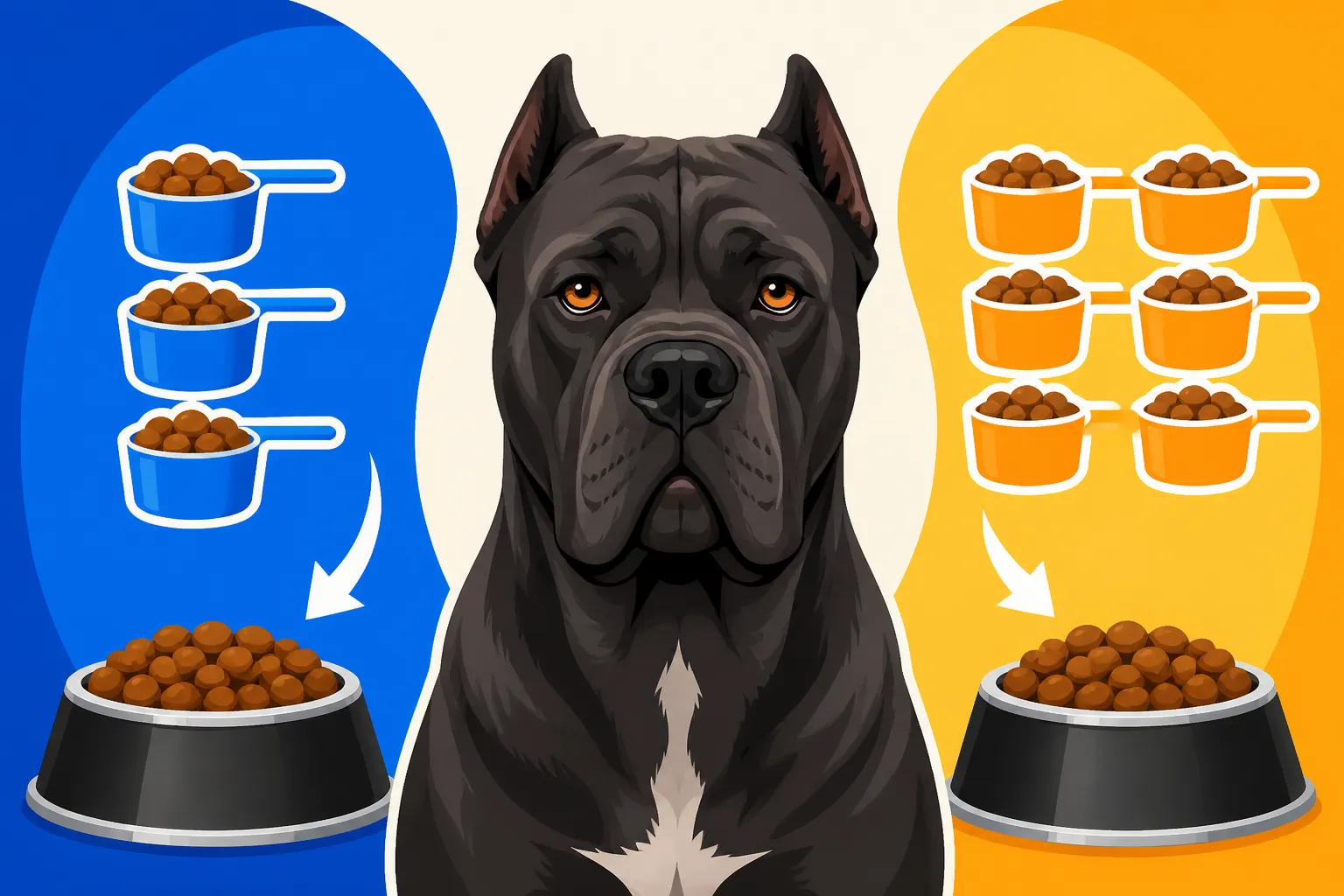
One of the biggest head-scratchers for any new Cane Corso owner, or even seasoned veterans, is figuring out exactly how much food to put in that big bowl. You’ve probably heard ranges like “six to nine cups a day,” and it leaves you wondering if your specific hundred-pound companion should be on the low end, the high end, or somewhere in the middle. It’s a frustrating guessing game, especially when you know a proper diet is absolutely critical for such a powerful and fast-growing breed, impacting everything from their energy levels to their long-term joint health. This comprehensive guide is here to unravel the mystery of feeding your Cane Corso, diving deep into portion sizes, nutritional needs, and practical strategies to keep your magnificent dog healthy and thriving.
Understanding the "Six to Nine Cups" Guideline
When you bring home a Cane Corso, one of the first things you'll realize is that feeding them isn't as simple as following the back of a bag. The often-quoted "six to nine cups" is a general guideline, a starting point at best, and rarely the precise answer for every single dog. It's like saying a person needs "2,000 to 3,000 calories" – it's true, but it doesn't tell you what you need based on your specific body and lifestyle. For a breed as imposing and robust as the Cane Corso, understanding the nuances of this guideline is paramount to their overall health and well-being. Getting it wrong can lead to a host of problems, from sluggishness and obesity to developmental orthopedic issues.
Why the Range Exists: Activity, Age, and Metabolism
The reason there's such a broad range in feeding recommendations boils down to several key factors that are unique to every individual Cane Corso. First, activity level is huge. A Cane Corso that spends an hour or two engaged in vigorous exercise daily, whether it's protection work, long hikes, or intense play, will naturally burn more calories than a dog whose primary activity is lounging on the couch and a couple of leisurely strolls around the block. Their bodies are constantly expending energy, and that energy needs to be replenished through their food. Think of a working dog versus a companion dog – their needs are vastly different.
Then there's age. A rambunctious Cane Corso puppy, undergoing rapid growth and constantly exploring, will have different caloric demands than a fully mature adult, and an older senior dog, whose metabolism has slowed and activity has decreased, will need yet another adjustment. Puppies, in particular, require a very specific balance of nutrients and calories to support their immense growth without growing too fast, which can lead to joint problems later. Metabolism also plays a significant role. Just like people, some dogs naturally have faster metabolisms and can eat more without gaining weight, while others are more efficient at utilizing calories and tend to put on pounds more easily. Breed lines can even influence this, as some lines are known for being more energetic or having a denser build that requires more fuel.
The Pitfalls of "One Size Fits All" Feeding
Relying solely on the generic feeding chart on a dog food bag or a broad guideline like "six to nine cups" can be a recipe for disaster with a Cane Corso. These charts are often formulated for the average dog, or a range of breeds, and don't take into account the specific physiological demands of a giant breed. If you underfeed, your Cane Corso might not get enough energy to support their massive frame and activity, potentially leading to muscle loss, poor coat quality, and a general lack of vitality. They might also start to look for food elsewhere, leading to counter-surfing or raiding the trash. This can be especially dangerous given their size and strength.
On the flip side, overfeeding is an incredibly common and insidious problem. Many owners, out of love, tend to give their dogs a little extra, thinking a heavier dog is a healthier dog, or perhaps they simply don't accurately measure their portions. Overfeeding a Cane Corso can quickly lead to excess weight, which puts tremendous strain on their joints – especially their hips and elbows, which are already prone to issues in large breeds. Why a Cane Corso Puppy Should Not Grow Too Fast is a critical read in this regard. Obesity also increases the risk of other health problems, including heart disease, diabetes, and even a higher risk during anesthesia for surgeries. It's a slow, silent killer that can drastically shorten your dog's lifespan and diminish their quality of life.
How Your Cane Corso's Life Stage Influences Their Intake
The journey from a small, adorable Cane Corso puppy to a majestic adult, and then to a wise senior, involves distinct dietary shifts. A young Cane Corso puppy, from weaning up to around 18-24 months, is in a period of intense growth. They need calorie-dense food, but critically, it must be formulated for large or giant breeds. This is because these foods carefully control calcium and phosphorus levels and calorie content to prevent too-rapid growth, which can exacerbate orthopedic problems like hip and elbow dysplasia. You can find more specific guidance in The Growth Curve a Cane Corso Follows to Nineteen Months. These puppies are like little furnaces, burning through energy as they grow and play, so their "cups per day" might be on the higher end for their weight, but still managed to prevent overgrowth.
As they transition into adulthood, typically around 18-24 months, their growth plateaus, and their caloric needs often stabilize or even decrease slightly, depending on their activity. This is when maintaining a lean body condition becomes paramount. For senior Cane Corsos, usually starting around seven or eight years old, their metabolism naturally slows down. They might become less active, spending more time sleeping and less time running or playing. At this stage, their caloric intake may need to be reduced to prevent weight gain, and their diet might benefit from joint-supporting ingredients. It's a careful balance to ensure they remain at a healthy weight to support their aging joints and organs.
Deciphering Food Labels and Calorie Density
Walking down the dog food aisle, or browsing online at places like Chewy, can feel like navigating a maze. Every bag screams "premium," "natural," or "holistic," but what do these labels actually tell you about how much to feed your Cane Corso? Understanding food labels is more than just glancing at the ingredient list; it's about interpreting the nutritional guarantees and, most importantly, the caloric density. This knowledge empowers you to make informed decisions that directly impact your Cane Corso's health and helps you move beyond the generic "six to nine cups" advice to a truly tailored feeding plan.
The Myth of "High Protein" for Giant Breeds
There's a common misconception that because Cane Corsos are large, muscular dogs, they need an extremely high-protein diet. While protein is absolutely vital for muscle development, repair, and overall health, excessively high protein, especially in a growing puppy, can sometimes be detrimental. For adult Cane Corsos, a quality protein source is essential, but it's the balance of nutrients and the digestibility of that protein that truly matters. A diet that's too high in protein relative to other nutrients might not provide a balanced energy source, and if the protein isn't highly digestible, your dog isn't getting the full benefit.
When looking at labels, focus on the quality of the protein sources (named meats like chicken, beef, lamb, fish meal) listed within the first few ingredients, rather than just the crude protein percentage. A food with 30% crude protein from high-quality, digestible sources is far superior to a food with 35% protein from vague "meat meals" or plant-based proteins that are less bioavailable for a canine. The overall nutritional profile, including fats, carbohydrates, vitamins, and minerals, works in concert to support your Cane Corso's robust physiology. Always consider the entire nutrient package, especially for giant breeds.
Reading Between the Lines of Nutritional Guarantees
The "Guaranteed Analysis" section on a dog food label might look like a jumble of percentages, but it holds crucial information. It tells you the minimum percentage of crude protein and crude fat, and the maximum percentage of crude fiber and moisture. While these figures are important, they are minimums and maximums, not exact amounts. More critical for a large breed like the Cane Corso is often the calcium and phosphorus levels, particularly for puppies. You want to ensure these are within appropriate ranges for giant breed growth to prevent skeletal issues. The Calcium Ratio in a Cane Corso Puppy's Bowl is a good resource here.
Beyond the basic percentages, look for an AAFCO (Association of American Feed Control Officials) statement. This statement confirms that the food is formulated to meet the nutritional levels established by the AAFCO Dog Food Nutrient Profiles for a specific life stage (e.g., "for growth," "for maintenance," or "for all life stages"). This certification is your assurance that the food is nutritionally complete and balanced. If a food says "for all life stages," it means it's suitable for puppies and adults, but remember that specific caloric needs will still vary greatly. Always prioritize foods with clear, specific AAFCO statements over those that make vague claims.
Calculating Calories: A More Accurate Approach
Instead of just cups, a more precise way to manage your Cane Corso's diet is by understanding the caloric content of their food. Most quality dog foods will list the "kcal/kg" (kilocalories per kilogram) or "kcal/cup" on their packaging or website. This is the metabolizable energy (ME) of the food, essentially how many calories your dog can actually utilize. Once you know this, you can calculate how many calories your individual Cane Corso needs per day.
For example, if your vet recommends your adult, moderately active Cane Corso needs around 2,500 calories per day, and their food has 350 kcal/cup, you'd divide 2500 by 350, which equals approximately 7.14 cups. This is a much more specific figure than a generic range. However, even this isn't static. You'll need to monitor your dog's weight and body condition score (BCS) regularly and adjust the calories as needed. A dog's caloric needs can change with the seasons, with changes in activity, or even due to stress. This method provides a more scientific basis for feeding, moving beyond guesstimates and enabling you to fine-tune their intake for optimal health.
The Importance of Splitting Meals for a Cane Corso
For any dog owner, mealtime is often a highlight of the day. For a Cane Corso, a breed known for its deep chest and hearty appetite, how you feed them is almost as important as what you feed them. Simply dumping their entire daily ration into one bowl might seem convenient, but it can pose significant health risks and behavioral challenges. Splitting meals, usually into two or three feedings throughout the day, is a vital practice for Cane Corso owners, directly impacting their physical health, psychological well-being, and overall safety.
Mitigating Bloat Risk Through Meal Frequency
One of the most terrifying and life-threatening conditions for deep-chested breeds like the Cane Corso is Gastric Dilatation-Volvulus (GDV), commonly known as bloat. This is where the stomach fills with gas and twists, cutting off blood supply and quickly becoming fatal without emergency intervention. Feeding one large meal a day significantly increases the risk of bloat. When a Cane Corso eats a large volume of food quickly, they often swallow a lot of air. This, combined with the sheer mass of food in their stomach, can cause distension. If they then exercise vigorously, drink a lot of water, or even just move in certain ways, the stomach can twist.
Splitting the daily food allowance into two or three smaller meals reduces the volume of food in the stomach at any one time, minimizing the immediate post-meal distension and the amount of air swallowed. This, coupled with practices like resting your Cane Corso after its meal and using slow feeders, can dramatically reduce the risk. The First Sign a Cane Corso Is Bloating is something every Cane Corso owner needs to recognize immediately. It’s a small change in routine that can have life-saving consequences.
Managing Hunger and Resource Guarding
Beyond physical health, meal frequency can greatly influence your Cane Corso's behavior and temperament. If a dog is only fed once a day, they can experience prolonged periods of intense hunger. This can lead to them becoming overly food-motivated, fixating on meal times, and potentially developing behaviors like begging, counter-surfing, or even resource guarding. A Cane Corso that feels constantly hungry might become anxious around food, or aggressive if another animal or person approaches their bowl. Why a Cane Corso Should Never Have a Bowl Left Down reinforces the idea of structured feeding.
Multiple smaller meals help regulate their hunger levels throughout the day, keeping them feeling more satisfied and less desperate for food. This can promote a calmer demeanor around meal times and reduce the likelihood of resource guarding issues. When they know food is coming predictably and frequently, they are less likely to perceive it as a scarce resource they need to protect. This also helps establish a routine, which is incredibly important for a breed that thrives on structure and predictability.
Digestive Health and Nutrient Absorption
Smaller, more frequent meals aren't just about bloat prevention and behavior; they also support optimal digestive health and nutrient absorption. When a large volume of food is consumed at once, the digestive system can become overwhelmed. This can lead to indigestion, loose stools, or the inefficient absorption of nutrients. The body struggles to process such a large load effectively, meaning your Cane Corso might not be getting the full benefit from their expensive, high-quality food.
Spreading out meals allows the digestive system to process food more efficiently. Each smaller portion can be thoroughly mixed with digestive enzymes, broken down, and absorbed without undue strain. This can lead to better stool quality, reduced gas, and more consistent energy levels throughout the day. It supports the natural rhythm of the digestive process, ensuring that your Cane Corso is truly deriving maximum nutritional value from every single bite. This is also why The Mealtime Habits That Turn a Cane Corso's Stomach are so critical to understand.
Tailoring the Diet to Your Cane Corso's Individual Needs
While guidelines and label reading are a great start, a truly effective feeding plan for your Cane Corso must be highly individualized. No two Cane Corsos are exactly alike, even from the same litter. They have different energy levels, unique health predispositions, and varying metabolic rates. Ignoring these individual differences means you're still essentially guessing. The key to successful feeding is constant observation and adjustment, ensuring their diet is a dynamic, evolving plan that responds to their changing life and needs.
Assessing Body Condition Score (BCS)
The single most important tool for fine-tuning your Cane Corso's food intake is assessing their Body Condition Score (BCS). This isn't about the number on the scale, but rather how your dog looks and feels. A lean Cane Corso is a healthier Cane Corso, especially when it comes to preserving their joints. Checking a Cane Corso's Ribs With Your Hands is a technique every owner should master.
You should be able to easily feel your Cane Corso's ribs, spine, and hip bones under a thin layer of fat, without them being visibly prominent (unless they are very short-coated and in prime condition). When looking from above, you should see a distinct waistline, an "hourglass" figure, behind their ribs. From the side, their abdomen should tuck up slightly, rather than hanging low. If you can't easily feel their ribs without pressing hard, or if they have no waist, they're likely overweight. If their bones are too prominent, they might be underweight. Most veterinarians use a 1-5 or 1-9 scale, with 3/5 or 4-5/9 being ideal. Learning to regularly assess your Cane Corso's BCS empowers you to make small, consistent adjustments to their food, ensuring they maintain that optimal lean condition.
Adjusting for Activity Levels and Working Dogs
A Cane Corso bred for specific work, like protection or even extensive farm duties (like their ancestors who were Driving Cattle With a Cane Corso), will have significantly higher caloric demands than a companion Cane Corso whose main job is to look intimidating on the couch. A working dog might easily need the upper end of the "six to nine cups," or even more, while a less active dog might thrive on closer to six cups. It's crucial not to underfeed a working dog, as it can lead to fatigue, poor performance, and even muscle wasting.
Conversely, a more sedate dog needs careful monitoring. If your Cane Corso's routine changes – perhaps fewer long walks due to bad weather, or an injury that limits their activity – their food intake should be adjusted accordingly. Overfeeding a temporarily inactive dog will quickly lead to weight gain. Think of it as adjusting fuel based on mileage. This isn't a one-time calculation; it's an ongoing process that requires you to be attuned to your dog's daily energy expenditure.
Special Considerations: Seniors, Puppies, and Health Issues
Different life stages and health conditions present unique dietary challenges for Cane Corsos.
- Puppies: As mentioned, young Cane Corsos need food specifically designed for large or giant breeds to support their growth without promoting excessively fast bone development. Their caloric needs are high, but the type of calorie and nutrient balance is critical. Always consult your breeder and vet on the best food for your growing pup. Why a Cane Corso Puppy Needs Giant Breed Food provides more detail.
- Seniors: Older Cane Corsos often have slower metabolisms and may become less active. They might also begin to experience joint pain or other age-related issues. Their diet may need to be lower in calories to prevent weight gain, and higher in joint-supporting nutrients like glucosamine and chondroitin. Some senior-specific foods are formulated to meet these needs.
- Health Issues: Dogs with specific health conditions require specialized diets. For example, a Cane Corso with kidney disease will need a low-protein, low-phosphorus diet. Those with severe allergies might need a limited ingredient or hydrolyzed protein diet. Dogs with digestive sensitivities might benefit from higher fiber or specific probiotics. If your Cane Corso is diagnosed with any health condition, your veterinarian is your best resource for dietary recommendations. Never try to self-diagnose or treat with diet alone without professional guidance. This could include issues like Heart Disease in a Middle Aged Cane Corso or even Hypothyroidism in a Middle Aged Cane Corso, both of which can impact metabolism and weight.
| Factor | Impact on Caloric Needs (General) | Notes for Cane Corso |
|---|---|---|
| Age | Puppy: High; Adult: Moderate; Senior: Lower | Puppies need specific large-breed formulas to control growth rate. Seniors need fewer calories to prevent weight gain. |
| Activity Level | High: Higher; Moderate: Moderate; Low: Lower | Working Corsos (protection, sport) need significantly more fuel. Couch potatoes need less. |
| Metabolism | Fast: Higher; Slow: Lower | Individual variation exists. Observe body condition closely. |
| Reproductive Status | Pregnant/Lactating: Much Higher; Spayed/Neutered: Lower | Intact dogs burn more calories. Spayed/neutered dogs need ~10-20% less to avoid weight gain. |
| Body Condition Score | Underweight: Higher; Ideal: Maintenance; Overweight: Lower | Aim for a lean BCS (e.g., 4-5/9). Adjust intake to reach and maintain. |
| Climate | Cold: Higher; Hot: Lower | Dogs burn more calories to stay warm. Less activity in extreme heat. |
| Health Conditions | Varies significantly | Specific medical conditions (e.g., kidney disease, diabetes, certain cancers) require vet-prescribed diets. |
Choosing the Right Food Type and Brand Considerations
Navigating the world of dog food can be overwhelming, with countless options and passionate debates surrounding each type. For a Cane Corso, making the right choice is paramount, as their sheer size and specific breed predispositions demand a diet that is both nutritionally sound and easy on their digestive system. Whether you opt for kibble, raw, or fresh food, understanding the pros and cons, and knowing what to look for in ingredients, is key. And of course, recognizing reliable sources and brands makes the journey easier.
Kibble, Raw, or Fresh: Pros and Cons for a Cane Corso
Each food type has its champions and detractors, and the "best" choice often comes down to individual dog needs, owner commitment, and budget.
-
Kibble: This is the most common and convenient option.
- Pros: Generally the most affordable, shelf-stable, easy to store, and often formulated to be nutritionally complete and balanced, especially those with AAFCO statements for large breeds. You can find a huge variety on platforms like Chewy and Amazon, making it accessible.
- Cons: Can be highly processed, some lower-quality brands use questionable fillers, and the palatability might be lower for some dogs. The larger kibble sizes designed for big breeds are essential, but even then, fast eaters can inhale it.
- Cane Corso Specifics: Look for large-breed specific formulas, especially for puppies, to control growth. Ensure quality protein sources are high on the ingredient list. Kibble is also easier to manage when you're focusing on strategies like Whether Soaking a Cane Corso's Kibble Slows It Down to prevent bloat.
-
Raw (BARF – Biologically Appropriate Raw Food): Involves feeding uncooked meat, bones, organs, and sometimes fruits/vegetables.
- Pros: Advocates believe it's closer to a dog's natural diet, leading to shinier coats, cleaner teeth, and better digestion.
- Cons: Requires significant research, careful handling to prevent bacterial contamination (to both dog and humans), can be nutritionally unbalanced if not prepared correctly, and is often much more expensive. There's also a risk of bone fragments. Not all vets endorse it due to these risks.
- Cane Corso Specifics: The size of the dog means raw feeding can be very expensive and require substantial freezer space. Balancing the diet correctly for a giant breed is crucial to avoid deficiencies or excesses. The Cost of Raw Feeding a Cane Corso might be a good read.
-
Fresh/Cooked (e.g., gently cooked, human-grade): These are commercially prepared cooked diets, or homemade diets.
- Pros: Highly palatable, generally less processed than kibble, and can be easier to digest for sensitive dogs. Many owners report improved energy and coat quality. Brands like Ollie deliver directly to your door, offering convenience for busy owners.
- Cons: More expensive than kibble, often requires refrigeration, and homemade diets need to be carefully balanced by a veterinary nutritionist to ensure they are complete. Without professional guidance, homemade diets can lead to serious nutrient deficiencies.
- Cane Corso Specifics: Offers a good middle ground for palatability and digestibility. For a large dog, the sheer volume and cost can be a barrier. Ensure the nutritional profiles are suitable for a large breed.
Ingredients to Look For and Avoid
When scrutinizing a food label for your Cane Corso, regardless of the type, here's what to prioritize:
-
Look For:
- Named Meat as the First Ingredient: Chicken, beef, lamb, turkey, salmon, etc. "Meat meal" (e.g., chicken meal) is also good if it's a named meal, as it's concentrated protein after water is removed.
- Whole Grains or Complex Carbohydrates: Brown rice, oats, barley, sweet potatoes, peas. These provide sustained energy and fiber.
- Healthy Fats: Chicken fat, flaxseed, fish oil (for Omega-3s).
- Fruits and Vegetables: Spinach, carrots, apples, blueberries provide vitamins, minerals, and antioxidants.
- Probiotics/Prebiotics: Sometimes listed as FOS or MOS, or specific bacterial strains, to support gut health.
- Joint Support: Glucosamine and chondroitin, especially beneficial for a large breed prone to joint issues. Whether Glucosamine Helps a Cane Corso's Graded Hips is a relevant topic here.
-
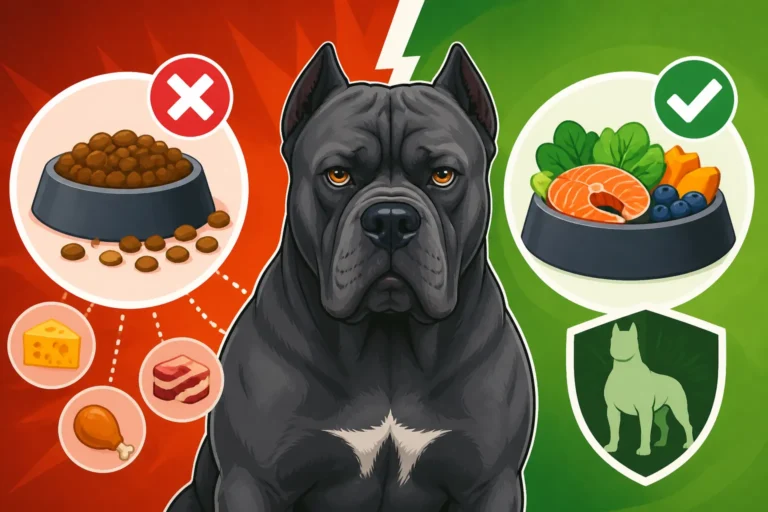
Avoid (or use caution):
- Vague Meat Ingredients: "Meat by-products," "animal digest." These can be low-quality and inconsistent.
- Excessive Fillers: Corn, soy, wheat as primary ingredients can be common allergens for some dogs and offer less nutritional value.
- Artificial Colors, Flavors, and Preservatives: These offer no nutritional benefit and can sometimes trigger sensitivities.
- Unspecified Fats: "Animal fat" without specifying the source can be of unknown quality.
- High Sugar Content: Not good for any dog, especially if trying to manage weight.
Exploring Quality Brands
While I can't endorse specific brands or make real-time comparisons, I can tell you that when searching for quality food for your Cane Corso, you'll encounter numerous reputable options that focus on giant breed nutrition. Many of these are readily available through large online retailers like Chewy and Amazon, which offer a wide selection and often detailed nutritional information. Subscription services like Ollie also provide customized fresh meal plans based on your dog's profile.
When considering brands, look for those that:
- Conduct rigorous testing: Reputable companies invest in feeding trials or extensive nutrient analysis.
- Are transparent about sourcing: They should be able to tell you where their ingredients come from.
- Have a veterinary nutritionist on staff: This shows a commitment to scientific formulation.
- Offer specific formulas for giant breed puppies and adults: This indicates they understand the unique developmental needs of large dogs.
- Have clear, consistent AAFCO statements.
Always cross-reference information from the brand with reviews, and most importantly, discuss your choices with your veterinarian. They can provide personalized recommendations based on your Cane Corso's age, health, and activity level.
Practical Feeding Strategies and Troubleshooting
Even with the best food and a precise caloric calculation, the act of feeding a Cane Corso comes with its own set of practical challenges. These dogs are powerful, often enthusiastic eaters, and sometimes a bit stubborn. Implementing smart feeding strategies and knowing how to troubleshoot common issues will make meal times safer, calmer, and more effective for both you and your giant companion. It's about more than just the food; it's about the entire mealtime experience.
Slow Feeders, Puzzle Toys, and Mealtime Routines
A Cane Corso eating too quickly isn't just a messy affair; it significantly increases the risk of bloat, as discussed earlier. To combat this, slow feeders are invaluable. These bowls have ridges or compartments that force your dog to eat around obstacles, slowing down their ingestion pace. There are many designs available on Amazon and Chewy, from simple inserts to elaborate mazes. Slow Feeders That Pace a Cane Corso can be a game changer.
Beyond slow feeders, puzzle toys can turn mealtime into a mental exercise. Stuffable toys, like certain durable rubber toys, filled with a portion of their kibble (maybe even softened with water or a bit of unsalted broth and frozen) can provide a satisfying challenge. This engages their brain, makes them work for their food, and extends the feeding process, further reducing bloat risk. It also combats boredom, which can be a major factor in destructive behaviors for an intelligent breed like the Cane Corso.
Establishing a consistent mealtime routine is equally important. Dogs thrive on predictability. Feeding at the same times each day, in the same location, creates a sense of security and reduces anxiety. This also helps with house training, as you can better predict when your dog will need to relieve themselves. Always ensure a quiet, calm environment for your Cane Corso to eat, away from other pets or distractions, to prevent any stress or potential resource guarding.
Dealing with Picky Eaters and Finicky Appetites
While many Cane Corsos are enthusiastic eaters, some can be surprisingly particular. A sudden loss of appetite is always a red flag and warrants a vet visit to rule out underlying health issues. However, if your Cane Corso is otherwise healthy but just a bit finicky, here are some strategies:
- Rule Out Medical Issues First: This is paramount. Don't assume pickiness; always consult your vet.
- Avoid Free Feeding: Leaving food down all day can encourage pickiness. Offer food for 15-20 minutes, then pick it up if they don't eat. They'll learn to eat when food is available. Why a Cane Corso Should Never Have a Bowl Left Down emphasizes this control.
- Limit Treats and Scraps: If your Cane Corso is getting too many treats or human food, they might hold out for the "good stuff" instead of their regular meal. Be strict with this.
- Enhance Palatability: Sometimes a little warmth or moisture helps. Add warm water, unsalted chicken broth, or a small amount of low-sodium canned pumpkin to their kibble. A tiny dollop of plain yogurt or a scrambled egg can also entice them.
- Rotate Foods (Carefully): While frequent changes can upset sensitive stomachs, some dogs appreciate variety. If you switch, do so gradually over several days to a week.
- Make it a Game: As mentioned with puzzle toys, making them work for their food can increase interest.
Remember, a healthy dog will not starve itself. As long as your vet has given them a clean bill of health, consistency and firmness are often the best approach for a truly picky eater.
When to Consult Your Vet or a Canine Nutritionist
While this guide offers extensive information, it's never a substitute for professional veterinary advice. There are many scenarios where bringing in the experts is not just helpful but essential:
- Sudden Changes in Appetite or Weight: Any unexplained weight loss or gain, or a sudden refusal to eat, should always trigger a vet visit.
- Persistent Digestive Issues: Chronic diarrhea, vomiting, excessive gas, or constipation are signs that something isn't right with their diet or digestive system.
- Suspected Allergies or Sensitivities: If your Cane Corso is constantly itchy, has chronic ear infections, or develops skin issues, diet could be a factor. Your vet can guide you through an elimination diet or allergy testing.
- Managing Chronic Illnesses: As mentioned before, diseases like kidney disease, diabetes, or certain cancers require very specific dietary management overseen by a veterinarian.
- Growth and Development Concerns: If you're concerned about your Cane Corso puppy's growth rate or bone development, a vet can assess their progress and make dietary recommendations.
- Tailoring Complex Diets: If you're considering a raw or homemade diet, or if your Cane Corso has extremely specific needs, a board-certified veterinary nutritionist can formulate a perfectly balanced plan. This is particularly crucial for a giant breed where imbalances can have severe consequences.
Don't hesitate to reach out to your vet for guidance. They are your primary partner in ensuring your Cane Corso receives the best possible nutrition throughout their life.
Beyond the Bowl: Supplements and Hydration
Feeding your Cane Corso isn't solely about what goes into the food bowl. A holistic approach to their nutrition includes understanding the role of supplements and, perhaps most critically, ensuring they are adequately hydrated. These elements work in tandem with their primary diet to support their immense structure, powerful physique, and overall vitality, helping them thrive beyond just the basic caloric intake.
Essential Supplements for Joint Health and Coat Condition
For a large, fast-growing breed like the Cane Corso, prone to orthopedic issues such as hip and elbow dysplasia, joint supplements are often a proactive measure many owners consider. While a high-quality, large-breed specific diet forms the foundation, specific supplements can offer additional support.
- Glucosamine and Chondroitin: These are perhaps the most common joint supplements. They are natural components of healthy cartilage and are thought to help support cartilage repair and reduce inflammation. Many owners start these preventatively in middle-aged Cane Corsos, or certainly if signs of arthritis begin to appear. Whether a Cane Corso Benefits From Joint Supplements is a common question, and for a breed of this size, many vets do recommend them.
- Omega-3 Fatty Acids (Fish Oil): Found in fish oils, these powerful anti-inflammatory agents can significantly benefit joint health, reduce inflammation, and contribute to a healthy, shiny coat. They can also support heart and brain health. Look for high-quality, purified fish oil to avoid contaminants.
- MSM (Methylsulfonylmethane): Another supplement often combined with glucosamine and chondroitin, MSM is believed to reduce pain and inflammation associated with arthritis.
It's crucial to always discuss any supplements with your veterinarian before adding them to your Cane Corso's regimen. They can advise on appropriate dosages, potential interactions with other medications, and whether a supplement is truly necessary for your dog's specific needs and health status. Supplements are not magic bullets; they are meant to supplement a complete and balanced diet, not replace it.
The Critical Role of Water in Your Cane Corso's Diet
Water is arguably the most overlooked yet absolutely vital nutrient for your Cane Corso. It plays a role in nearly every bodily function: regulating body temperature, lubricating joints, transporting nutrients, and aiding digestion. A large dog like a Cane Corso needs a substantial amount of water daily – typically around half to one ounce of water per pound of body weight. So, a 100-pound Cane Corso might need 50-100 ounces (about 0.4 to 0.8 gallons) of water a day, more if they're active or it's hot.
Ensuring constant access to fresh, clean water is paramount. Use multiple water bowls in various locations around your home, especially if you have a multi-story house or a large yard. Keep bowls scrupulously clean to encourage drinking. Consider adding water to their kibble, especially if they are prone to bloat or don't drink enough. Dehydration can quickly lead to serious health issues, including kidney problems and heatstroke. Always monitor their water intake, especially during and after exercise, or on hot days.
Treats: How Many Are Too Many for a Healthy Cane Corso?
Treats are a wonderful way to bond with your Cane Corso, aid in training, and provide enrichment. However, they are also a sneaky source of extra calories that can quickly lead to weight gain if not managed properly. The "10% Rule" is a good guideline: treats should make up no more than 10% of your Cane Corso's total daily caloric intake.
For a large dog, even small treats can add up. Be mindful of the size and density of the treats you're offering. Opt for low-calorie options like small pieces of cooked chicken, carrots, green beans, or commercially available low-calorie dog treats. Consider using a portion of your Cane Corso's daily kibble ration as training treats to avoid adding extra calories.
It's tempting to reward your Cane Corso lavishly, especially with their endearing expressions, but remember that too many treats will undermine your efforts to maintain a healthy body condition. A Cane Corso with a healthy weight will lead a longer, more comfortable life, and that is the best treat of all. You can learn more about managing their rewards in Training Treats a Cane Corso Gets Through in a Week.
Disclaimer
This article is for general informational purposes only and does not constitute professional advice. Laws, prices and regulations vary by location and change over time. Consult a qualified professional for guidance on your specific situation.