Driving Cattle With a Cane Corso
Many prospective Cane Corso owners hear whispers of their breed's historical ties to livestock and wonder if their impressive dog could step into that role today. It’s easy to imagine these powerful canines as formidable ranch hands, but the reality of "driving cattle" with a Cane Corso is far more nuanced than a typical herding breed. This guide will delve into the historical context, the unique instincts of the Cane Corso, and what it truly means to engage such a magnificent animal with livestock, separating myth from practical application.
The Ancestral Link: Cane Corsos and Italian Livestock
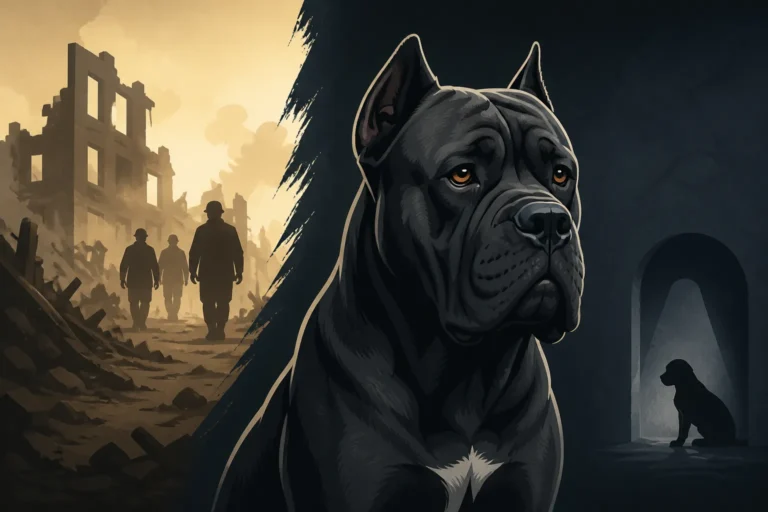
When we talk about Cane Corsos and their history, it's easy to conjure up images of Roman gladiatorial dogs or fierce protectors. While those aspects are certainly part of their rich tapestry, their connection to rural life and livestock management in Southern Italy is perhaps even more defining. Understanding this historical role helps us interpret their instincts today.
Ancient Roots in Italy
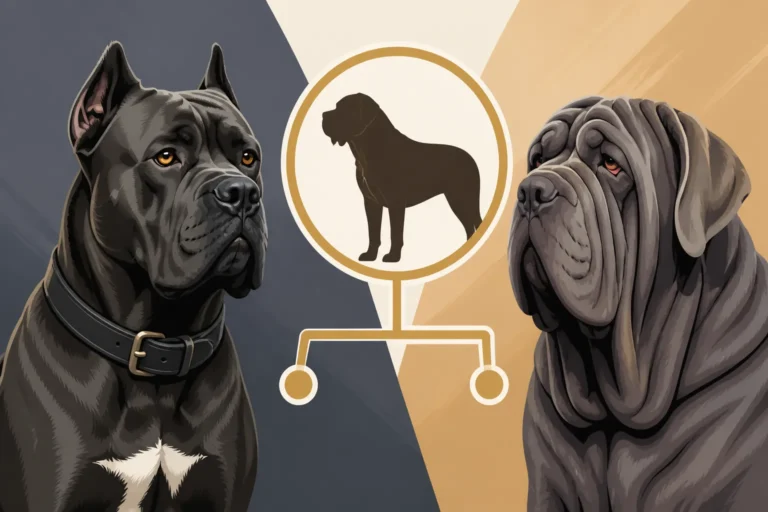
The Cane Corso, whose very name means "guardian dog" or "bodyguard dog," has roots stretching back to ancient Roman times. These dogs, descended from the Roman Molossers, were not just war dogs; they were integral to the daily survival of families in the Italian countryside. They were versatile working dogs, indispensable for a range of tasks that demanded strength, courage, and intelligence. They lived alongside their human companions, sharing the harsh realities of agricultural life, and their duties often centered around protecting the family's assets, livestock included. It's a far cry from the suburban backyard, I tell you.
The Farm Job the Cane Corso Was Kept For
In the masseria (fortified farms) of regions like Puglia, the Cane Corso served as a multi-purpose farm dog. Their duties included guarding the property against intruders, both human and animal, and protecting the farm's various livestock: cattle, pigs, and even sheep. This wasn't "herding" in the Border Collie sense, where dogs meticulously gather and move flocks with precision and a "herding eye." Instead, the Cane Corso's method was more direct, involving deterrence, containment, and sometimes, a forceful redirection. They were there to keep animals in and predators out, not necessarily to orchestrate complex movements across open pastures. This robust job required immense strength and an unwavering protective instinct, which is why The Farm Job the Cane Corso Was Kept For is so critical to their history.
Why the "Driving" Term Can Be Misleading
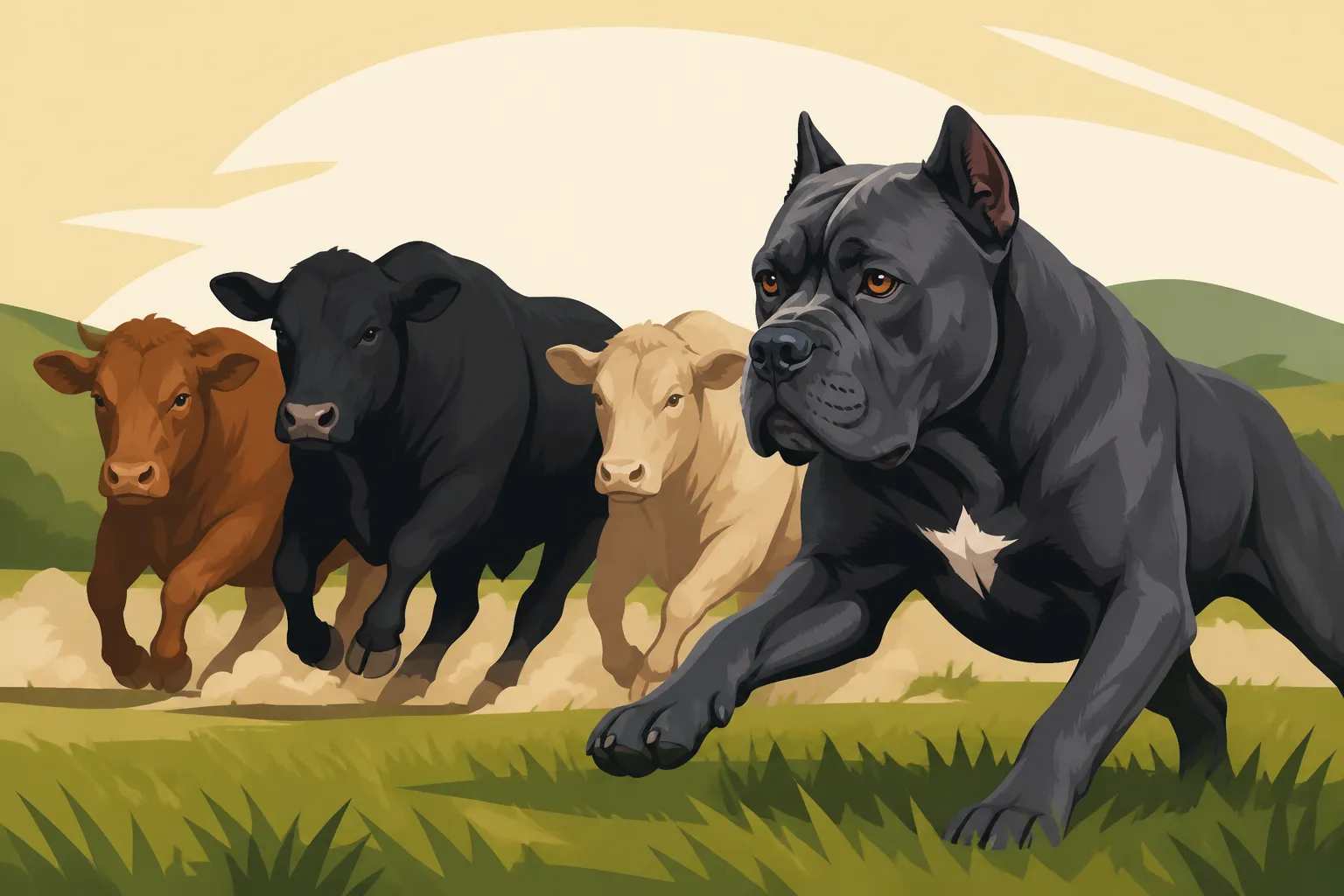
The phrase "driving cattle" can conjure up images of a cowboy on horseback with a swift, agile Australian Shepherd darting around a herd, pushing them along a trail. For the Cane Corso, "driving" meant something quite different. Their role was more akin to droving or controlling individual animals, especially unruly ones, rather than guiding a cohesive herd over long distances. They might hold a bull for a vet, or retrieve a stray calf, using their physical presence and, if necessary, a firm grip. This wasn't about finessing a herd; it was about managing powerful, sometimes dangerous, animals with brute force and intimidation. It’s crucial to distinguish this from the continuous, predatory chase-and-gather style of traditional herders. Their primary instinct was to protect the property and its inhabitants, whether they had two legs or four.
The Cane Corso's Natural Instincts for Livestock Work
Understanding a Cane Corso's natural instincts is paramount before considering any form of livestock work. These dogs possess a unique blend of drives that, while powerful, need careful channeling and a very specific understanding of their historical purpose.
The "Catch Dog" vs. "Herding Dog" Mentality
The Cane Corso, at its core, is a "catch dog" or a "bay dog" rather than a herding dog. What does this mean? A herding dog's instinct is to gather and control movement, often by circling and using its presence to guide. Think of a dog "nosing" sheep into a pen. A catch dog, on the other hand, is bred to confront, hold, and contain. They are the dogs that would "catch" a rogue steer, holding it still for a farmer or butcher, or "bay" a wild boar until the hunter arrived. This involves a much more direct, physical interaction, often with a powerful grip. This innate "catch" drive means they don't have the nuanced gathering instincts of a Border Collie or an Australian Cattle Dog. Instead, they possess a formidable presence and the physical capability to apply force if needed. For more on this, consider The Prey Drive Behind a Cane Corso's Boar Hunting Past, which really highlights their confrontational nature.
Power and Presence: Their Tools for the Job
A Cane Corso’s sheer size, strength, and imposing presence are their primary tools when dealing with large livestock. They command respect, and often, that’s all they need. Their deep chest, powerful jaws, and confident demeanor are enough to deter many animals from straying or acting aggressively. They utilize their body language, their intense stare, and sometimes a deep, resonating bark to communicate their intentions. This isn't about nipping heels or weaving through a flock; it's about holding ground, blocking paths, and asserting dominance. Imagine a hundred-pound Cane Corso calmly standing between a cow and an open gate – that imposing figure is often enough to keep the cattle in check. They are built for confrontation, not evasion.
Reading Their Body Language Around Livestock
For any owner considering livestock work, learning to read your Cane Corso’s body language is non-negotiable. Around livestock, a Cane Corso might exhibit a heightened sense of alertness, a stiff posture, and intense focus. Their tail might be low and still, their ears forward, and their eyes locked onto an animal. This is not necessarily aggression, but intense engagement and a readiness to act on their protective or catch drives. You might see a "hard stare" that indicates their intent to control or contain. It's vital to differentiate between confident control and an escalating predatory drive that could lead to injury. A dog that is truly working safely will be responsive to your commands, even amidst the high-stakes environment of livestock. If you see signs of anxiety or over-excitement, like frantic tail wags combined with stiff body, or an inability to break focus, your dog is not ready. Understanding nuances like What an Anxious Cane Corso Looks Like is crucial, as anxiety can easily be misinterpreted or escalate into dangerous behavior around powerful animals.
Differences From Traditional Herding Breeds
It's critical to draw a clear line between the Cane Corso's historical role and the work of specialized herding breeds. The methods, instincts, and desired outcomes are fundamentally different, and misinterpreting these differences can lead to significant problems.
Containment Versus Movement
Traditional herding breeds, like the Kelpie or the Border Collie, are masters of movement. They use their innate predatory sequence, modified and channeled, to gather, drive, and separate livestock by controlling their direction and pace. They are constantly moving, flanking, and applying pressure to keep the herd flowing. The Cane Corso, conversely, excels at containment and stopping movement. Their job was often to keep animals in an area, prevent escape, or bring a single, resistant animal to a halt. Think of them as a living fence or a mobile anchor. They don't have the instinct to keep a group together and move it across open fields in an organized fashion. Their technique is more about imposing their will and physical presence to manage a situation directly.
Bite Work and Its Implications
Perhaps the most significant difference lies in "bite work." Herding dogs may nip at heels as a way to urge livestock forward, a quick, almost glancing bite that is part of their ancestral hunting style. For a Cane Corso, "bite work" historically involved a firm, sustained grip. This was necessary to hold a large, powerful animal like a bull for a farmer. This is not a playful nip; it's a serious, strength-based action meant to immobilize. While this might have been essential in their past, in a modern context, such a strong bite can be incredibly dangerous and lead to severe injury to the livestock, or even to the dog if the animal retaliates. Therefore, training a Cane Corso for any kind of livestock interaction requires meticulous control over this powerful instinct and a clear understanding of its appropriate, if any, application. This is why How a Cane Corso Held a Bull for the Butcher describes a very specific, and often now outdated, method of interaction.
Working Style: Close-Contact Versus Distance
Herding breeds are known for their ability to work at a distance, using their "eye" and subtle body shifts to influence a herd from afar. They can guide animals through complex patterns without ever laying a paw on them. A Cane Corso's working style is inherently close-contact. They are right there, physically engaging with the animal, blocking, bumping, or even seizing if the situation historically demanded it. This lack of distance-working capability means they are not suited for the intricate, low-impact manipulation of a flock or herd that herding dogs perform. Their presence is direct, assertive, and often physical, making them unsuitable for tasks requiring a light touch or nuanced control from afar.
Modern Applications and Considerations for Working Livestock
Given their unique historical role and instincts, what does "driving cattle with a Cane Corso" look like in the modern era? It's largely a niche pursuit, more about preserving historical lineage and specific utility than widespread agricultural practice.
The Decline of the Traditional Role
With the advent of modern farming practices, fences, mechanical equipment, and specialized herding breeds, the Cane Corso's traditional role in livestock management has largely become obsolete. You won't find many working farms today relying on a Cane Corso to "drive" their commercial cattle herds. The efficiency and safety provided by other methods have rendered their historical niche less necessary. This decline explains the shift in their utility over time (see Why Mechanized Farming Ended the Cane Corso's Work). They are, first and foremost, guardians of the home and family now.
Sport or Practical Use Today?
Today, a Cane Corso engaging with livestock is far more likely to be involved in a specific sport, like herding trials that cater to guardian breeds, or in very specialized situations where their unique "catch" ability is carefully utilized under strict control. Some owners might introduce their Corsos to livestock simply to exercise their natural instincts in a controlled environment, for mental stimulation, or to prove their lineage's capabilities. For instance, a very small, private farm might use a well-trained Cane Corso to help move a single stubborn cow from one paddock to another, but this is an exception, not the rule. The focus is always on control, safety, and channeling those instincts appropriately. You won't find them doing a large-scale cattle drive.
When is it Still Relevant?
The Cane Corso's potential for livestock interaction remains relevant in a few key areas:
- Estate or Property Protection: Their primary role remains guarding. If livestock are part of that property, a Cane Corso will inherently extend their protective instincts to them. This means deterring predators (coyotes, bears, even human rustlers) or keeping stray animals from wandering onto or off the property.
- Controlled "Catch" Work: In highly specific, controlled scenarios, a Cane Corso might be trained to "hold" or "bay" an animal, similar to their historical role, but this requires expert handling and extensive training to ensure safety for both dog and animal. This isn't something to experiment with on your own.
- Breed Preservation and Understanding: For enthusiasts and ethical breeders, understanding and testing these historical working drives helps preserve the essence of the breed. It's about recognizing what they are, even if their original job is rare today.
In these contexts, their deep-seated What a Cane Corso's Guardian Instinct Actually Is is the most important trait.
Training a Cane Corso for Any Livestock Interaction
Even if your goal isn't full-scale cattle driving, if you live near livestock or want to safely explore your Cane Corso's instincts, thorough and careful training is absolutely essential. This is not a task for the faint of heart or the inexperienced.
Foundation Obedience is Paramount
Before a Cane Corso ever sets a paw near a cow, they must have rock-solid obedience. This means a perfect recall, a bomb-proof "leave it" command, a reliable "stay" or "place," and the ability to work under high distraction. Their size and power mean that a lapse in control can have serious consequences. A Cane Corso needs to be accustomed to listening to you the first time, every time, regardless of what exciting or stimulating things are happening around them. This level of obedience isn't achieved overnight; it's a daily commitment, requiring dedication and consistency. Remember, your Training Bill a Cane Corso Owner Cannot Skip for this kind of work will be significant, but it's an investment in safety.
Introducing to Livestock Safely
Introducing a Cane Corso to livestock must be a gradual, controlled process. It's not about throwing them into a pasture and seeing what happens. Start with a calm, well-behaved animal (perhaps a seasoned steer or horse that won't easily spook) in a secure, fenced area. Keep your Cane Corso on a strong lead, like a heavy-duty leash from Chewy, and maintain a safe distance. The initial goal is simply observation and neutrality. You want them to calmly observe without reacting with excessive excitement, fear, or aggression. Reward calm behavior heavily. Increase proximity and interaction only when your dog demonstrates consistent composure. This might take weeks or months. Any sign of over-excitement or uncontrolled predatory drive means you need to step back and reinforce basic obedience.
Redirecting and Controlling Prey Drive
One of the biggest challenges in training a Cane Corso for livestock interaction is managing their strong prey drive and "catch" instinct. You need to teach them to redirect that energy into appropriate behaviors. This might involve training them to "herd" inanimate objects first, or to "hold" a specific toy on command. Crucially, you need to teach them not to engage in uncontrolled chasing or biting. Impulse Control Work for a Cane Corso is not just for table manners; it's vital for livestock safety. Consistent work on commands like "leave it" and "out" (dropping an object) in increasingly distracting environments will be your best friend. A professional trainer experienced with guardian breeds and livestock is an invaluable resource here, as they can help you understand and channel these powerful drives safely.
Safety and Ethical Considerations
Working a Cane Corso with livestock isn't just about training; it's about a deep understanding of safety, ethics, and responsibility. These are powerful dogs, and their interactions with other powerful animals carry inherent risks.
Protecting Both Dog and Livestock
The primary concern in any livestock interaction is the safety of all involved. A Cane Corso can inadvertently injure livestock, especially smaller or more skittish animals, through their sheer size and strength, even without malicious intent. Conversely, a large cow or horse can easily injure or even kill a dog with a kick or charge. Secure fencing, controlled environments, and constant supervision are not just recommendations; they are mandatory. Never leave a Cane Corso unsupervised with livestock, especially if they are still in the early stages of training or if you're uncertain about their temperament. Responsible ownership means prioritizing the well-being of every animal.
The Importance of a Strong Handler
A Cane Corso demands a strong, confident, and consistent handler, especially in high-pressure situations like livestock interaction. You need to be your dog's leader, capable of making split-second decisions and enforcing commands without hesitation. If you lack confidence or consistency, your Cane Corso will pick up on it, and control can quickly erode. This isn't just about physical strength – it's about mental fortitude, clear communication, and an unwavering commitment to your dog's training. The handler needs to understand canine behavior, livestock behavior, and the dynamics between the two. Without a strong handler, introducing a Cane Corso to livestock is simply asking for trouble. It circles back to why The Handler a Cane Corso Respects is paramount in all aspects of their lives.
Is It Right for Your Cane Corso?
Ultimately, not every Cane Corso is suited for livestock work, just as not every Border Collie is a champion sheepdog. Temperament plays a huge role. Some Corsos have a naturally calmer disposition around other animals, while others have a higher predatory drive or a more reactive nature. Pushing a dog into a role it's not naturally suited for, or one that makes it anxious or overly stressed, is unfair and unsafe. Assess your individual dog honestly. Does it have the inherent calm, the focus, and the biddability required? If your dog is easily distracted, prone to reactivity, or shows signs of aggression towards other animals, then livestock work is probably not for them. Prioritize their happiness and safety over fulfilling a historical ideal.
| Feature | Cane Corso (Driving/Catch) | Traditional Herding Breed (Gathering) |
|---|---|---|
| Primary Goal | Containment, stopping, holding | Gathering, moving, directing |
| Working Style | Close-contact, imposing presence, force | Distance work, "eye," flanking, nipping |
| Instinct Driven | Guarding, protection, "catch" | Predatory sequence modified for herding |
| Physicality | Heavy body contact, potential for bite | Light contact, nipping at heels, circling |
| Control Focus | Individual unruly animals | Cohesive group movement |
| Temperament | Assertive, confident, powerful | Eager to please, agile, highly biddable |
| Modern Use | Niche, historical preservation, specific tasks | Widespread in agriculture, sport |
Many owners struggle with what to feed their large, active Cane Corsos, especially if they are engaging in any form of vigorous activity. High-quality protein and balanced nutrition are key. You can find excellent giant-breed formulas on Chewy that support strong muscle and bone development, which is vital for a dog of this build. Look for ingredients that fuel their powerful physique without causing rapid growth in puppies, which can exacerbate joint issues. Speaking of food, ensuring your Cane Corso has a diet that supports their joint health, especially if they are working, is crucial. Brands available through retailers like Chewy often offer supplements tailored for large breeds, like glucosamine and chondroitin, though always discuss this with your vet first.
Disclaimer
This article is for general informational purposes only and does not constitute professional advice. Laws, prices and regulations vary by location and change over time. Consult a qualified professional for guidance on your specific situation.