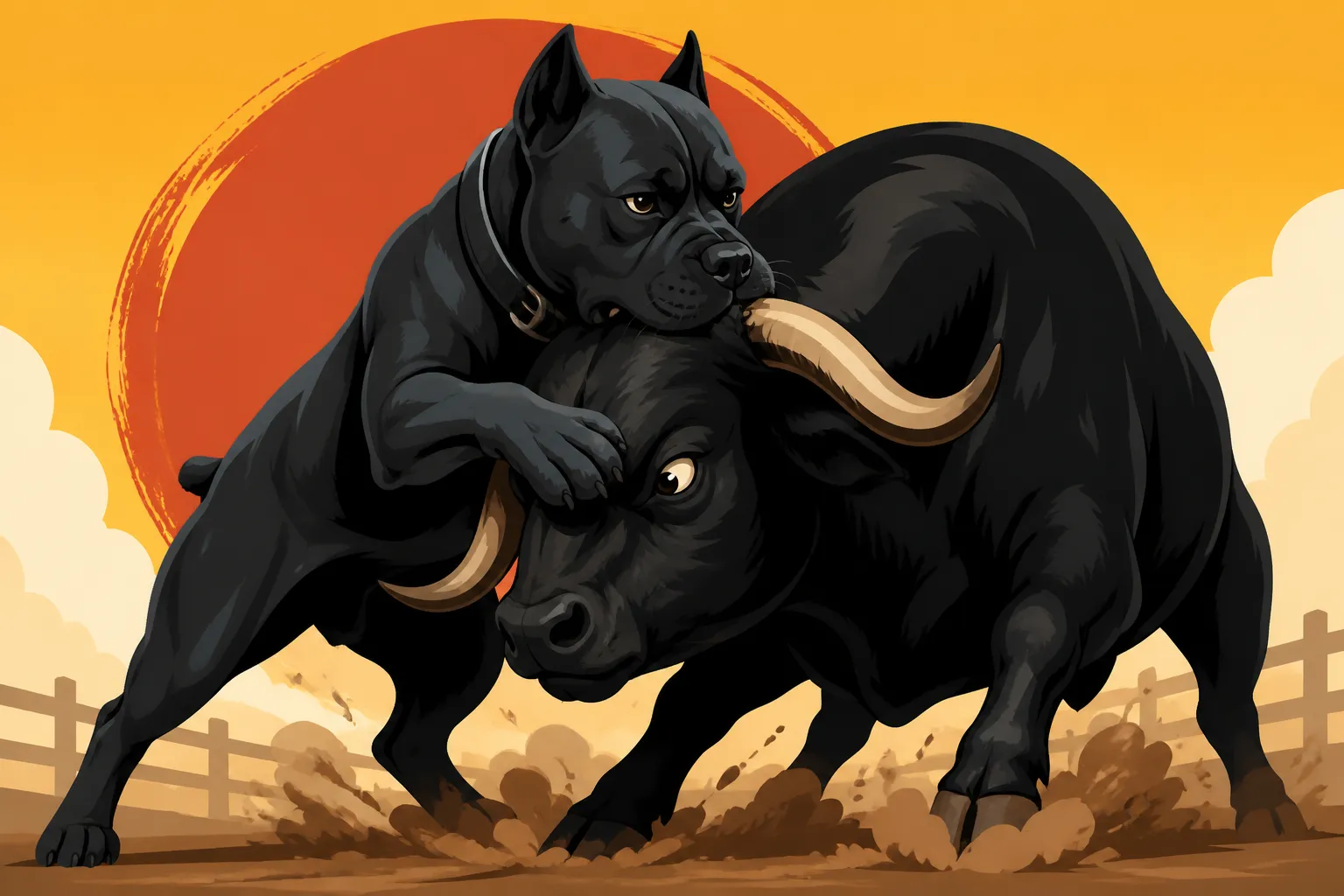
How a Cane Corso Held a Bull for the Butcher
If you've ever spent time researching the magnificent Cane Corso, you've probably heard snippets about their diverse history – from guarding formidable Italian estates to driving cattle. But one particular role often piques people's curiosity: the seemingly incredible task of holding a bull for the butcher. It sounds almost mythical, right? How could a dog, even one as powerful as a Cane Corso, manage such a feat? This guide will dive deep into this fascinating aspect of their past, exploring the skills, circumstances, and sheer grit that made the Cane Corso indispensable in rural Italy.
The Cane Corso's Historical Role Beyond Guarding
When we think of a Cane Corso today, "guardian" is often the first word that comes to mind. And it's true, their protective instincts are legendary. But their history is far richer and more varied than just patrolling a perimeter. These dogs were true utility dogs, integral to the daily life and survival of families in southern Italy, adapting to whatever challenging tasks were thrown their way. Their versatility is a testament to their intelligence and remarkable physical capabilities.
More Than Just a Farm Dog: The "Universal" Utility
Before the modern era of specialized breeds, dogs like the Cane Corso weren't just decorative companions or single-purpose workers. They were expected to earn their keep in multiple ways, a true Jack-of-all-trades canine. They guarded property, yes, keeping watch over homes, families, and livestock from various threats, both human and animal. But they also acted as herders, drivers, and even hunters. Imagine a dog that could transition from subtly observing strangers approaching the farm gate to actively moving a stubborn herd of cattle, and then, without missing a beat, assist in a difficult butchering task. That was the Cane Corso. Their ability to handle diverse challenges made them an invaluable asset, especially in areas where resources were scarce and every living creature had a vital role to play. This wasn't a dog pampered for a single skill; it was a partner in survival. The Farm Job the Cane Corso Was Kept For really highlights this adaptability.
The Importance of Livestock Management in Rural Italy
In the rugged landscapes and isolated communities of historical southern Italy, livestock wasn't just a commodity; it was life. Cattle, pigs, and sheep provided meat, milk, wool, and even labor. Managing these animals, often without the benefit of extensive fencing or modern equipment, required strong, intelligent, and fearless dogs. Driving Cattle With a Cane Corso was a common practice, but it went beyond simple herding. It involved protecting the herd from predators, moving them between pastures, and, crucially, managing them for slaughter. When it came time to butcher an animal, especially a large, strong bull, the process was fraught with danger. There were no hydraulic lifts or specialized chutes. It was often a communal effort, relying on human strength, skill, and the powerful assistance of their dogs. The ability to humanely and safely prepare an animal for consumption was a critical part of rural self-sufficiency, and the Cane Corso played a pivotal, hands-on role in making this possible.
The Art of Holding a Bull: A Cane Corso's Unique Skill Set
So, how exactly did a Cane Corso hold a bull? It wasn't about brute force alone, though they certainly possessed that. It was a combination of inherent breed traits, meticulous training, and an understanding of animal behavior that allowed them to perform this dangerous dance with precision and purpose.
Grip, Strength, and Unwavering Focus
The Cane Corso possesses several physical attributes that made them uniquely suited for this task. First and foremost, their powerful jaws and scissor bite were crucial. When a Cane Corso "held" a bull, it wasn't about bringing the animal to the ground and pinning it. Instead, they would grip a specific, less sensitive area of the bull, usually the nose, ear, or flank. This grip wasn't meant to injure, but to create a significant, uncomfortable pressure point that would distract and immobilize the bull, allowing the butcher to work.
Imagine a one-hundred-pound dog, built like a tank, with a broad head and immense neck musculature. They needed to be able to maintain this grip steadfastly, even as a thousand-pound animal thrashed and tried to escape. This required not just physical strength, but incredible mental fortitude – an unwavering focus that wouldn't break under immense pressure or intimidation. They had to be brave, stoic, and utterly reliable, showing no fear in the face of a potentially lethal adversary. This deep-seated courage and determination are still evident in the breed today; it's part of what makes them such formidable guardians.
The Teamwork Between Dog and Handler
While the dog's physical prowess was undeniable, the "holding of the bull" was never a solo act for the Cane Corso. It was a testament to the profound bond and precise teamwork between dog and handler. The handler, often the farmer or butcher, would be right there, guiding the dog, giving commands, and simultaneously working on the bull. The dog wouldn't initiate the hold on its own; it would be a specific command, often a short, sharp cue, indicating exactly what needed to be done.
This level of cooperation speaks volumes about the biddability and intelligence of the breed. These dogs weren't wild, uncontrolled animals; they were highly trained partners who understood their role and trusted their human counterparts completely. The handler would often have a rope or restraint on the bull as well, with the dog's hold being the critical, immediate immobilizing factor. It was a ballet of controlled chaos, where every movement, every command, and every response had to be perfectly timed to ensure the safety of everyone involved and the efficiency of the task. Whether a Cane Corso Works Better for One Person is a common question, and this historical context truly emphasizes the importance of a strong primary bond.
Why This Skill Was So Crucial for the Butcher
The ability of a Cane Corso to assist in holding a bull wasn't just an impressive trick; it was a fundamental necessity that contributed to the survival and economy of rural communities. Without this canine assistance, the act of butchering large livestock would have been far more dangerous, less efficient, and potentially more wasteful.
Safety and Efficiency in Pre-Modern Slaughter
Consider the context: before refrigeration and industrialized meat processing, animals were typically slaughtered on the farm or in small, local abattoirs. Large, powerful animals like bulls are inherently dangerous, even when calm. A frightened or agitated bull could easily injure or kill a person. Without modern methods of restraint, the process was incredibly risky.
This is where the Cane Corso shone. By effectively "holding" the bull, they provided a crucial margin of safety for the butcher. Their unwavering grip allowed the butcher to approach the animal with greater confidence and perform the necessary tasks quickly and precisely. This efficiency meant less stress for the animal (a humane consideration, even in those times), and less risk of injury to the humans. It also minimized the chances of the animal escaping, which could lead to further complications or even loss of the valuable animal. The dog's presence transformed a perilous, chaotic task into a manageable, albeit still challenging, procedure. They were, in essence, a living, breathing piece of essential farm equipment.
The Economic and Community Value of the Cane Corso
Beyond safety, the Cane Corso's role had significant economic and community implications. The ability to butcher livestock efficiently meant a reliable food source for the family and for trade within the community. In a time when cash was scarce, having a dog that could contribute so directly to the household's livelihood was invaluable. A Cane Corso wasn't a luxury; it was an investment that paid dividends in security, labor, and sustenance.
Villages often relied on shared resources and skills, and a family with well-trained Cane Corsos might be called upon to assist neighbors with their own livestock. This created a deeper integration of the dogs into the social fabric of the community. The reputation of a Cane Corso was tied not just to its guarding prowess but to its overall utility and reliability. They were an active participant in sustaining the rural Italian way of life, contributing directly to the meat on the table, the hides for leather, and the overall economic stability of the farm. They truly embodied the spirit of a working dog, earning their place at the hearth through hard work and unwavering loyalty.
Echoes of the Past: How This History Informs the Modern Cane Corso
Understanding the Cane Corso's historical role, particularly in demanding tasks like holding a bull, offers invaluable insight into the breed we know and love today. These aren't just quaint stories; they are foundational elements that have shaped their temperament, drives, and needs.
The Enduring Traits: Drive, Courage, and Biddability
Many of the traits that made the Cane Corso successful in its historical roles are still deeply embedded in the breed's DNA. Their intense drive, for example, is not just about wanting to guard; it's about wanting to work and be useful. They have a strong desire to have a purpose, to be involved in the family's activities, and to please their handlers. This drive, channeled correctly, makes them highly trainable and eager partners.
Their courage, displayed so vividly when facing a bull, translates into their protective instincts today. They are fearless defenders of their home and family, unafraid to confront perceived threats. But crucially, this courage is often tempered with discernment, a legacy of their biddability. They weren't reckless; they were calculating and responsive to commands. This means a well-bred and properly socialized Cane Corso is courageous, but not inherently aggressive or out of control. The Character a Cane Corso Judge Expects in the Ring often emphasizes this balance.
Understanding Your Modern Cane Corso Through Its Ancestry
For current and prospective Cane Corso owners, knowing this history is more than just interesting trivia. It's a key to understanding your dog's needs and behaviors. That strong prey drive you might see? It's a remnant of The Prey Drive Behind a Cane Corso's Boar Hunting Past and other hunting endeavors. The watchful gaze and natural inclination to place themselves between you and a stranger? That's the guardian instinct honed over centuries.
Recognizing these deep-seated traits helps us provide the appropriate environment and training for our modern Cane Corsos. They are not dogs content to be simply decorative couch potatoes. They thrive on having a job, even if that "job" is structured training, daily exercise, or participating in dog sports. Mental stimulation is just as important as physical activity. Providing clear boundaries, consistent training, and opportunities for them to use their brains and bodies helps fulfill these ancient drives in a safe and appropriate way. Chewy offers a fantastic selection of puzzle toys and durable chews that can help meet these needs, tapping into their instinct to engage and problem-solve. The Structure a Cane Corso Needs Every Single Day really can't be overstated when it comes to these intelligent dogs.
This table summarizes some key historical working traits and how they manifest in today's Cane Corso:
| Historical Role | Key Trait | Modern Manifestation | Owner's Responsibility |
|---|---|---|---|
| Bull Holding | Unwavering Focus, Grip | Intense Concentration, Strong Mouth/Bite | Structured Training, Impulse Control Work for a Cane Corso, Appropriate Chews |
| Livestock Driving | Biddability, Strength | Eager to Please, Powerful Physique | Consistent Training, Proper Leash Handling |
| Property Guarding | Courage, Observational | Protective Instincts, Alertness | Socialization, Clear Boundaries, Positive Exposure |
| Hunting Boar | Prey Drive, Tenacity | Desire to Chase, Persistence | Safe Outlets for Drive, Strong Recall |
| Farm Utility | Versatility, Adaptability | Learns Quickly, Enjoys "Jobs" | Diverse Training, Mental Stimulation |
The Cane Corso's historical role in holding a bull for the butcher wasn't a whimsical act; it was a testament to their strength, intelligence, and a bond with humanity that allowed them to perform tasks crucial for survival. It speaks volumes about the original purpose of The Roman War Dog Behind the Cane Corso and how they evolved into such indispensable partners. So, the next time you look at your powerful Cane Corso, remember the immense legacy of their ancestors – a legacy of utility, courage, and a deep, abiding partnership with humans that continues to define them today.
Disclaimer
This article is for general informational purposes only and does not constitute professional advice. Laws, prices and regulations vary by location and change over time. Consult a qualified professional for guidance on your specific situation.