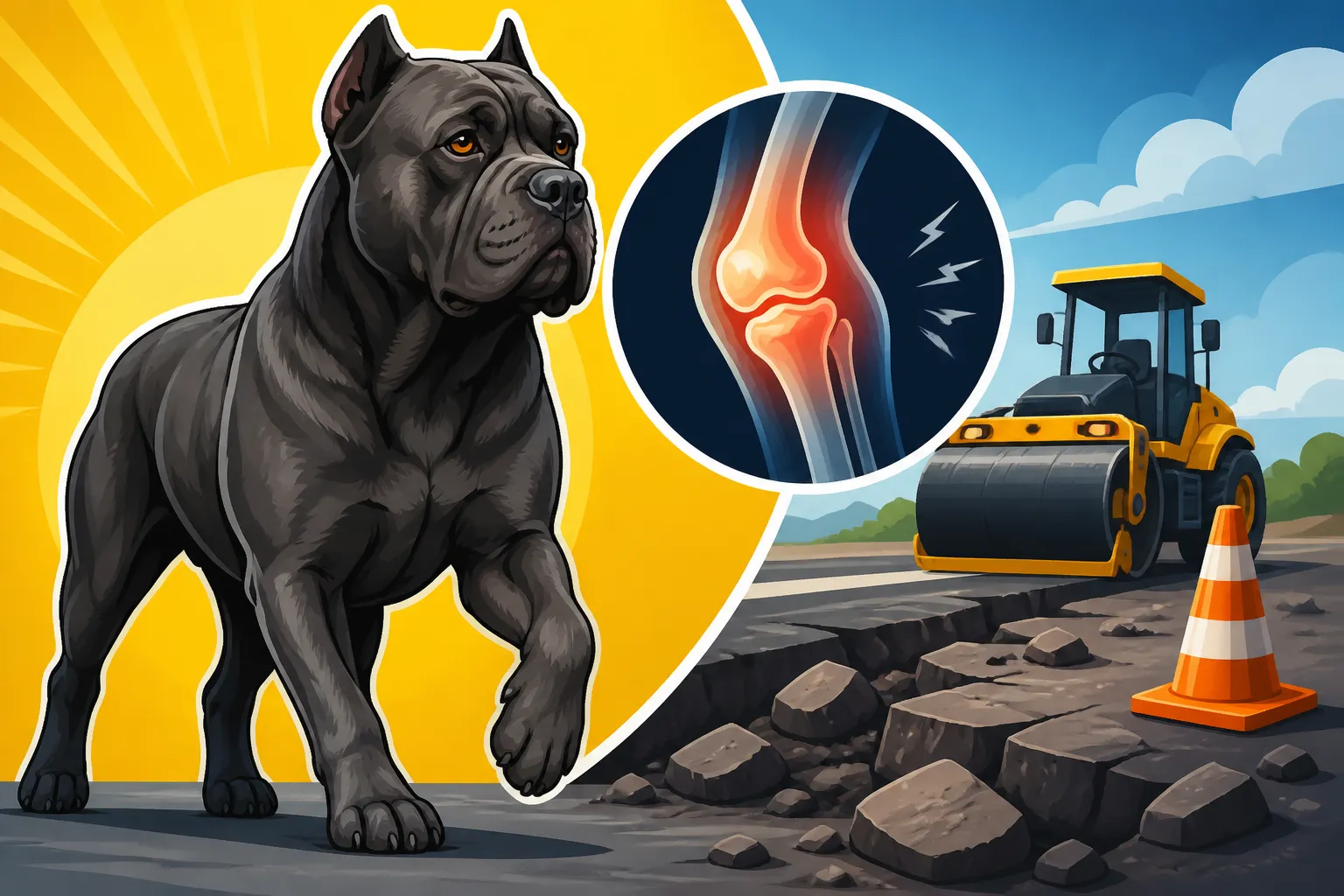
Whether a Cane Corso’s Joints Take Roadwork
It’s a natural desire for any Cane Corso owner to want to share long, invigorating walks with their powerful companion. You see them, these magnificent dogs, and you imagine miles of trotting alongside them, feeling that incredible bond. But then, a very real, very legitimate concern bubbles up: can their joints handle all that hard-surface pounding? It's a worry that keeps many of us up at night, because the sheer size and profound growth of a Cane Corso can undeniably make their hips, elbows, and shoulders especially vulnerable. This guide is dedicated to shedding light on how consistent roadwork can impact your Cane Corso's orthopedic health, and more importantly, how you can provide safe, beneficial exercise that safeguards their longevity.
Understanding the Cane Corso's Physiology and Joint Health
Before we even consider hitting the pavement for those long walks, it’s crucial to grasp the unique physiological makeup of the Cane Corso. These are not your average medium-sized dogs; they are giants, and with that immense size comes a different set of considerations for their skeletal and muscular development. Their bodies are built for power and protection, not necessarily for sustained, high-impact endurance on unforgiving surfaces. Ignoring these foundational aspects can unfortunately lead to lifelong issues that are painful for your dog and heartbreaking for you.
The Rapid Growth and Development of a Cane Corso Puppy
One of the most critical periods for a Cane Corso's joint health is during its puppyhood and adolescence. These dogs grow at an astonishing rate, often reaching their adult height by 12-14 months, but continuing to fill out and mature for another year or more. During this time, their bones are lengthening quickly, and their growth plates – the areas of cartilage at the end of long bones where new bone is produced – are open and incredibly susceptible to injury. Too much stress, especially from repetitive, high-impact activities like running on concrete, can cause microtraumas to these delicate growth plates, potentially leading to malformations or premature closure. This isn't just a minor setback; it can set the stage for debilitating conditions like Hip Dysplasia in a Fast Growing Cane Corso or Elbow Dysplasia and a Cane Corso's Front End down the line, drastically affecting their quality of life.
Think about a human teenager experiencing a growth spurt. They're often clumsy, and their bodies haven't quite caught up with their rapid increase in height. Now imagine that on a much larger scale, with a puppy that can weigh 80 pounds or more at six months old. Their bones and connective tissues are still soft and developing, and they lack the mature musculature to fully support their frame under stress. Pushing a young Cane Corso to run long distances on hard surfaces during this critical developmental window is akin to asking a child to lift weights beyond their capacity – it does more harm than good. Understanding The Growth Curve a Cane Corso Follows to Nineteen Months is paramount to protecting their young joints.
Genetic Predispositions to Joint Issues
While proper exercise and nutrition are vital, it's also a stark reality that Cane Corsos, like many large and giant breeds, can inherit genetic predispositions to certain joint diseases. Conditions such as hip and elbow dysplasia are unfortunately prevalent in the breed. Even with the best care, a dog carrying these genetic markers can be more susceptible to injury or accelerated degradation of their joints if subjected to undue stress. This isn't about blaming breeders, but acknowledging a genetic lottery that owners must be aware of and proactively manage.
Reputable breeders go to great lengths to screen their breeding stock for these genetic issues, often performing X-rays through organizations like the Orthopedic Foundation for Animals (OFA) or PennHIP. However, even with diligent screening, there are no guarantees. As an owner, you become the next line of defense. Knowing your dog's lineage and any potential genetic risks is a powerful tool in deciding appropriate exercise regimens. For instance, if your Cane Corso has a history of joint issues in its line, you'll want to be even more conservative with activities that put strain on their musculoskeletal system, including vigorous roadwork.
The Importance of a Lean Body Condition
One of the simplest, yet most profoundly impactful, ways to protect a Cane Corso's joints is to maintain a lean, healthy body weight. Every extra pound your Cane Corso carries puts additional stress on their joints, much like carrying a heavy backpack all day puts a strain on your own knees and back. This added burden can accelerate the wear and tear on cartilage, worsen the symptoms of existing joint conditions, and even contribute to the development of new ones. It’s a silent, insidious enemy that many owners inadvertently allow to creep up.
It can be tempting to feed these impressive dogs generously, thinking a heavier dog looks more substantial or "powerful." However, in the realm of joint health, less is often more. A lean Cane Corso has less overall pressure on their hips, elbows, and spine, allowing their joints to function more efficiently and with less friction. This dramatically reduces the risk of inflammation and degenerative joint disease over time. Checking Why a Lean Cane Corso Keeps Its Hips Longer and understanding What Extra Weight Does to a Cane Corso's Hips are crucial topics for any owner committed to their dog's long-term well-being. Regular body condition scoring, feeling for ribs and a tuck in the waist, is a far more accurate gauge of health than simply looking at them.
The Risks of High-Impact Roadwork for a Cane Corso
So, with their physiology and growth in mind, let's talk directly about "roadwork"—that is, sustained walking, jogging, or running on hard, unforgiving surfaces like asphalt, concrete, or even compacted gravel. While some level of pavement walking is unavoidable in most urban or suburban environments, making it the primary or most intense form of exercise for a Cane Corso comes with a significant array of risks that often outweigh the perceived benefits.
Impact on Growing Joints
For a Cane Corso puppy or adolescent, high-impact roadwork is particularly detrimental. As we discussed, their growth plates are still open and vulnerable. Each step taken on a hard surface sends a shockwave up the leg, through the paw, ankle, knee, hip, and shoulder joints. For a young, rapidly growing dog, this repetitive concussive force can be catastrophic. It can lead to early onset arthritis, osteochondritis dissecans (OCD), or exacerbate mild hip and elbow dysplasia that might otherwise have remained asymptomatic. The desire to "condition" a young dog for strength or endurance can, ironically, destroy their future soundness.
Imagine an athlete in training, but their bones are still fusing and strengthening. You wouldn't put them through intense, repetitive strain on their developing body. The same principle applies, perhaps even more so, to a giant breed puppy. Their ligaments and tendons are also still maturing and are not yet robust enough to absorb the shock effectively, leading to microscopic tears and inflammation. This early damage might not manifest as a dramatic limp immediately, but it builds up over time, a ticking time bomb that often explodes into chronic pain and costly veterinary bills in their middle age. Responsible owners must prioritize gentle, appropriate exercise for their growing Cane Corsos, even if it means sacrificing those picturesque long road runs.
Wear and Tear on Mature Cane Corsos
Even after a Cane Corso reaches skeletal maturity, typically around 18-24 months of age, high-impact roadwork still poses considerable risks. While their growth plates are closed, the sheer weight of these dogs means that every step on a hard surface still generates significant force on their joints. Over time, this repetitive stress can lead to the gradual breakdown of articular cartilage, which is the smooth, protective tissue that cushions the ends of bones within a joint. Once this cartilage starts to erode, it doesn't regenerate effectively, leading to bone-on-bone friction, pain, and the development or progression of osteoarthritis.
Think of it like the suspension system in a heavy truck constantly driven over potholes. Eventually, even the best suspension will wear out. For a mature Cane Corso, this wear and tear is cumulative. While a short walk to the mailbox on concrete is fine, a 5-mile jog on asphalt every day is a recipe for long-term joint degradation. Owners often struggle with finding a balance, wanting to keep their powerful dogs well-exercised, but without causing harm. It’s important to remember that "exercise" doesn't automatically mean "high-impact." Protecting their joints means thinking strategically about surfaces and intensity, even for a fully grown dog.
Exacerbating Existing Conditions
Perhaps one of the most disheartening aspects of high-impact roadwork is its potential to severely worsen pre-existing, often undiagnosed, joint conditions. Many Cane Corsos live with subclinical (not yet obvious) hip or elbow dysplasia, mild arthritis, or other orthopedic abnormalities. These conditions might not cause noticeable lameness or pain in their early stages, especially in a stoic breed that often hides discomfort. However, subjecting these compromised joints to the relentless pounding of roadwork can rapidly accelerate the progression of the disease, bringing on debilitating pain and lameness much sooner than it might have otherwise occurred.
It’s like having a hairline crack in a car's windshield; driving over bumpy roads will quickly turn it into a spiderweb. For a Cane Corso, a hidden joint issue can quickly become a full-blown crisis under the stress of roadwork. What might have been manageable with careful exercise and supportive care could turn into a severe case requiring expensive surgeries or lifelong pain management. This is why a cautious approach to high-impact activities is always advisable for this breed, and why a thorough vet check, especially including orthopedic evaluations, is critical for any Cane Corso before embarking on a rigorous exercise program.
Safe Alternatives and Modifications for Cane Corso Exercise
The good news is that protecting your Cane Corso's joints doesn't mean they have to live a sedentary life. Far from it! These intelligent, active dogs absolutely need regular exercise to be healthy, happy, and well-behaved. The key is to choose activities that are low-impact, build muscle, and engage their minds without putting undue stress on their precious joints. It’s about working smarter, not harder, when it comes to their physical activity.
Low-Impact Activities for Joint Health
When it comes to exercise for your Cane Corso, think soft surfaces and controlled movements. Grassy fields, dirt trails, or even well-maintained paths in a park are vastly superior to concrete or asphalt. These softer surfaces provide natural cushioning, absorbing much of the impact that would otherwise jar their joints. Activities like brisk walking, hiking on varied terrain (avoiding extreme inclines or declines for extended periods), and exploring open spaces allow them to move naturally and build supporting muscles without the repetitive concussive forces.
Another excellent low-impact option is off-leash exploration (in safe, fenced areas, of course!). This allows your Cane Corso to set their own pace, stopping to sniff and investigate, which provides mental enrichment alongside physical activity. The stop-and-start, self-directed movement is much gentler on joints than forced, continuous trotting. Remember, a tired mind is just as important as a tired body for a Cane Corso, and these varied activities stimulate both without the joint risk. You might even find some fantastic interactive toys on Amazon that encourage low-impact play and mental stimulation.
Structured Walks and Leash Training
While long, hard-surface runs are out, structured walks are absolutely in! A well-managed walk on a leash, especially with proper training, can be an excellent form of exercise and mental engagement for your Cane Corso. The focus here is on control and surface selection. Opt for routes that offer softer ground, or if you must use pavement, keep the walks shorter and at a moderate pace. The goal is purposeful movement, not speed or endurance.
Leash manners are crucial for a large, powerful dog like a Cane Corso, especially if you're navigating urban environments. A dog that pulls constantly can strain its own body, as well as yours. Investing in good training, perhaps even an online program like those offered by BAXTER & Bella, can help you teach your dog to walk politely on a loose leash. This not only makes walks more enjoyable but also allows for a more controlled, even gait that minimizes awkward movements and joint stress. Leash Manners Before a Cane Corso Hits Ninety Pounds is a topic you absolutely should master.
Water-Based Exercise and Conditioning
If there's a gold standard for joint-friendly exercise, it's swimming or hydrotherapy. Water provides buoyancy, supporting your Cane Corso's weight and significantly reducing the impact on their joints. This allows them to get a full-body workout, building muscle and improving cardiovascular fitness, all without the damaging concussive forces. Many Cane Corsos actually love the water, and it can be a fantastic way to burn off energy, especially on hot days when land exercise might be too risky due to overheating.
If you don't have access to a safe swimming spot like a lake or a dog-friendly pool, consider professional canine hydrotherapy. These facilities often have heated pools or underwater treadmills specifically designed for dogs, often supervised by trained therapists. This can be invaluable for conditioning, rehabilitation after injury, or simply providing a safe, vigorous workout for dogs prone to joint issues. It's an investment in their long-term health that truly pays dividends in comfort and mobility.
Recognizing Signs of Joint Stress and Injury
Even with the most diligent care and appropriate exercise, it's vital for Cane Corso owners to be acutely aware of the subtle signs that their dog might be experiencing joint stress, pain, or injury. These dogs are often stoic and may not openly vocalize their discomfort until a condition is quite advanced. Learning to "read" your Cane Corso's body language and changes in their movement is a critical skill for their well-being. Early detection can make a significant difference in management and outcome.
Subtle Lameness and Gait Changes
A dramatic limp is easy to spot, but often, the first indicators of joint issues are far more subtle. Pay close attention to any changes in your Cane Corso's gait – how they walk, trot, or run. Do they seem stiffer after resting, especially first thing in the morning or after a nap? Do they favor one leg even slightly? Perhaps they're taking shorter strides, or their back end seems less coordinated. You might notice them "bunny hopping" with their back legs when they run, or avoiding certain movements like jumping into the car or onto the couch.
Sometimes, it's a shift in weight distribution; they might lean more heavily on one side, or hold a paw up for just a second longer when shifting their weight. Observe them from different angles: from the front, back, and sides. Watch them walk away from you and towards you. It can be helpful to film your dog occasionally on your phone, then watch the video in slow motion, as small discrepancies can be easier to catch this way. What seems like a minor "off" step today could be the early warning sign of a more significant problem. When a Limping Cane Corso Needs an X-Ray is a critical question every owner should know how to answer.
Behavioral Indicators of Pain
Beyond changes in movement, pain often manifests through behavioral alterations. A Cane Corso experiencing joint discomfort might become less active, unwilling to play as much, or reluctant to engage in activities they once enjoyed. They might be slower to get up or lie down, perhaps sighing heavily as they settle. You might notice changes in their posture – an arched back, tucked tail, or shifting weight to avoid putting pressure on a painful joint.
Some dogs become more irritable or reactive when in pain, snapping or growling if touched in a sensitive area, even by trusted family members. Others might become withdrawn, seeking solitude more often. Licking at a particular joint or paw excessively can also be a sign of underlying discomfort. Pay attention to their appetite and sleep patterns too; pain can disrupt both. Any unexplained shift in personality or routine should prompt you to investigate further, as it could be their silent plea for help.
When to Seek Veterinary Consultation
Any time you notice persistent or recurring lameness, gait changes, or behavioral signs of pain in your Cane Corso, it's time to schedule a visit with your veterinarian. Do not adopt a "wait and see" approach, especially with a breed prone to joint issues. Early diagnosis and intervention can dramatically improve the prognosis and quality of life for your dog. Be prepared to describe exactly what you've observed, when it started, and any potential triggers.
Your vet will likely perform a thorough physical examination, including palpating joints and assessing range of motion. They may recommend diagnostic imaging, such as X-rays, to get a clear picture of the bone and joint structures. In some cases, blood work or even more advanced imaging like an MRI might be necessary to pinpoint the exact cause of the problem. Don't be afraid to ask questions, discuss your concerns, and explore all available treatment options, from conservative management to potential surgical interventions. This is where Managing Arthritis in a Hundred Pound Cane Corso often begins.
Preventative Measures and Long-Term Joint Care
Proactive, preventative care is truly the cornerstone of ensuring your Cane Corso enjoys a long, comfortable life free from debilitating joint pain. It’s a lifelong commitment that starts from puppyhood and continues through their senior years. While you can't eliminate all risks, you can significantly mitigate them by implementing thoughtful strategies in their daily life.
Nutrition and Supplementation Strategies
A high-quality diet specifically formulated for large or giant breeds is crucial from puppyhood onwards. These diets are carefully balanced to support slow, steady growth, which is essential for proper joint development. Avoid diets that are too high in calories or calcium for a growing puppy, as these can lead to rapid growth and skeletal issues. Once adult, maintaining that lean body condition with an appropriate diet is key.
Many owners also consider joint supplements as a preventative measure or as part of a treatment plan for existing issues. Ingredients like glucosamine, chondroitin, MSM, and Omega-3 fatty acids (like fish oil) are commonly used to support cartilage health, reduce inflammation, and improve joint lubrication. While supplements are not a magic bullet and results can vary, they can be a valuable addition to your Cane Corso's regimen. Always discuss any supplementation with your vet to ensure it's appropriate and safe for your specific dog. You might find a wide range of reputable joint supplements for large breeds available on Amazon. Whether a Cane Corso Benefits From Joint Supplements is a common question, and it's worth exploring the science behind them.
Environmental Adaptations for Joint Support
Your home environment can play a significant role in supporting your Cane Corso's joint health. Think about surfaces your dog navigates daily. Slippery floors, like hardwood or tile, can be challenging for heavy dogs, leading to slips and falls that stress joints. Consider adding rugs or runners in high-traffic areas to provide better traction. Ramps can also be incredibly helpful, especially for an aging Cane Corso or one with diagnosed joint issues, allowing them to get into and out of vehicles or onto furniture without jumping.
Providing a comfortable, supportive bed is also paramount. Hard floors offer no cushioning, and old, flat beds don't provide adequate support for their heavy joints. Invest in an orthopedic bed that offers firm, memory foam support to relieve pressure points and cushion their body. This is especially important for Orthopedic Beds Rated for a Cane Corso's Weight to ensure it stands up to their size and offers genuine comfort. Even simple things like ensuring easy access to water bowls without excessive bending or stretching can make a difference.
Regular Veterinary Check-ups and Screening
Regular veterinary check-ups are non-negotiable for long-term joint health. From puppy exams to annual wellness visits, your vet is your partner in monitoring your Cane Corso's overall health, including their musculoskeletal system. During these visits, your vet can assess their gait, palpate their joints, and discuss any changes you've observed. As your Cane Corso ages, these check-ups become even more critical, allowing for early detection of arthritis or other age-related joint issues.
For breeding animals or those suspected of having genetic predispositions, specific orthopedic screenings (like OFA or PennHIP X-rays) are recommended. Even for pets, discussing the possibility of baseline X-rays as they approach skeletal maturity can be a wise choice. This provides a "snapshot" of their joint health, which can be invaluable for future comparisons if problems arise. Staying vigilant, communicating openly with your vet, and being proactive are the best tools you have in promoting a lifetime of comfort and mobility for your cherished Cane Corso.
| Exercise Type | Impact Level | Benefits | Risks (for Cane Corso) | Ideal Surface |
|---|---|---|---|---|
| Roadwork (Concrete/Asphalt) | High | Cardiovascular fitness (if appropriate for dog) | High impact on joints, exacerbates dysplasia, wear & tear | Avoid |
| Brusque Walking (Soft Surface) | Low-Moderate | Cardiovascular health, muscle building, mental stimulation | Minimal (if appropriate pace/duration) | Grass, dirt trails |
| Hiking (Varied Terrain) | Low-Moderate | Muscle strength, balance, mental enrichment, proprioception | Can be moderate impact on steep declines/uneven ground | Forest trails, fields |
| Swimming/Hydrotherapy | Very Low | Full-body conditioning, muscle building, no joint impact | Drowning risk (if unsupervised), ear infections | Pool, lake, hydro-tank |
| Dog Park (Rough Play) | High | Socialization, burst exercise | High risk of impact injury, uncontrolled movements | Grassy, mulched |
| Agility Training | Moderate-High | Mental stimulation, coordination, muscle tone | Jumping, sharp turns can strain joints if not conditioned | Rubberized, grass |
| Scent Work/Treibball | Very Low | Mental enrichment, focus, light physical activity | Minimal | Any safe surface |
Disclaimer
This article is for general informational purposes only and does not constitute professional advice. Laws, prices and regulations vary by location and change over time. Consult a qualified professional for guidance on your specific situation.