Neutral Socialization for a Cane Corso at Twelve Weeks
Bringing home a Cane Corso puppy is exhilarating, but quickly, the weight of responsibility settles in, especially when you think about raising such a powerful dog to be a well-adjusted adult. One of the biggest challenges new owners face is figuring out how to properly socialize their twelve-week-old Cane Corso without overwhelming them or inadvertently teaching them to be reactive. This guide is here to walk you through the crucial concept of neutral socialization at this tender age, ensuring your pup grows into a confident, calm, and trustworthy companion.
The Critical Socialization Window for a Cane Corso Puppy
Those first few weeks and months are not just about cute puppy antics; they are a profound period of development that shapes your Cane Corso's entire life. We often talk about "socialization windows," and for a Cane Corso, this period is incredibly vital and relatively short. Ignoring it or doing it incorrectly can have lasting consequences, leading to fear, aggression, or reactivity down the road.
Why Twelve Weeks is So Important
By twelve weeks old, your Cane Corso puppy is still very much a sponge, soaking up every experience. They're developing rapidly, both physically and mentally. This is typically when they've had most of their initial vaccinations, making it safer to venture out into the wider world, even if cautiously. However, it's also a time when they are starting to become more aware of their surroundings and potentially more wary of new things. This is precisely why neutral socialization, rather than forced interaction, becomes the golden rule. You're trying to build a foundation of calm observation, not over-excitement or fear. This short period, often concluding around 16 weeks, is your primary opportunity to introduce them to a diverse range of sights, sounds, people, and other animals in a positive, controlled way. Missing this window entirely means an uphill battle later on.
The Pitfalls of "Too Much" or "Too Little" Socialization
It's a tightrope walk, isn't it? On one hand, you're terrified of exposing your precious puppy to too much, especially with lingering concerns about immunity or potential negative encounters. On the other, you know that under-socialization can lead to a dog that's fearful, anxious, or overly protective, which can manifest as aggression. "Too much" often looks like forcing a shy puppy into a crowded dog park, allowing every stranger to rush in for a pet, or letting them get mugged by an overly boisterous dog. This can teach them that the world is a scary, unpredictable place, leading to a defensive temperament. The Socialization a Cane Corso Missed and What It Costs can be immense.
"Too little" is equally damaging. Keeping your puppy isolated at home, only interacting with family members, means they won't learn how to process new stimuli or differentiate between normal occurrences and actual threats. When they eventually encounter something new, their response might be extreme – lunging, barking, or retreating in fear – simply because they've never learned to cope with novelty. For a Cane Corso, a breed known for its natural guarding instincts, this balanced approach is paramount to prevent those instincts from becoming misdirected or overwhelming.
What "Neutral Socialization" Truly Means for Your Cane Corso
The term "socialization" often conjures images of puppies romping happily with other dogs or greeting every human with tail wags. While some of that can be part of it, for a Cane Corso, especially at twelve weeks, neutral socialization is far more effective and responsible. It's about exposure without expectation.
Observation Over Interaction
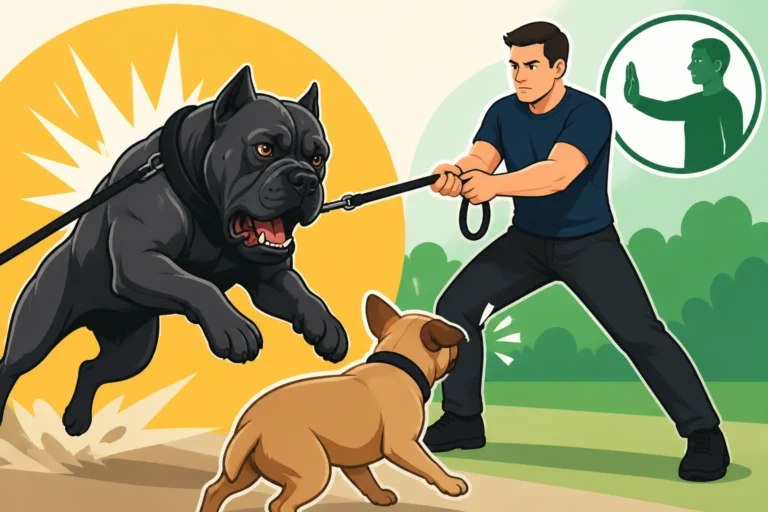
Think of your twelve-week-old Cane Corso puppy as a little scientist observing the world. Your goal is to let them witness the everyday hustle and bustle of life from a safe distance, without feeling compelled to interact. This means taking them to places where they can see people walking by, cars driving, children playing, or other dogs on leashes – all without needing to say hello, get petted, or play. The key is that the puppy is calm, observant, and not reacting. If your puppy is constantly barking, lunging, or pulling to get closer (or further away), they're not observing neutrally; they're reacting.
For example, a perfect neutral socialization outing might involve sitting on a park bench with your puppy on a leash, letting them watch the world go by. People might glance, but you gently signal "no" if they try to approach. You're teaching your Cane Corso that these things exist, they are normal, and they don't require a strong response. Why a Cane Corso Should Meet People Without Greeting Them is a philosophy that starts young, helping them understand that not every person or dog needs to be a friend, but they are also not inherently a threat. This builds a foundation of confidence and calm, rather than over-stimulation or anxiety.
The Importance of Not Forcing Greetings
This is where many well-meaning owners go wrong. They want their puppy to be "friendly," so they encourage every stranger to pet their dog or allow every dog to rush up and sniff. While a confident, well-socialized adult Cane Corso might enjoy some friendly interactions, forcing greetings on a young puppy can be detrimental. Imagine being a small child, pulled into hugging every new adult you meet, even if you're shy or uncomfortable. That's how a puppy can feel.
Forcing greetings can teach your Cane Corso several negative lessons:
- Strangers are unpredictable: They might rush in, grab, or do things the puppy doesn't like.
- You don't protect them: If you're allowing uncomfortable interactions, your puppy learns not to trust you to manage these situations.
- Reactivity works: If the puppy pulls, barks, or growls to get away, and it works, they learn that reactivity is an effective strategy.
Instead, when someone approaches, your job is to advocate for your puppy. You can politely explain, "We're doing socialization training; we're teaching him to observe quietly right now." Keep a treat pouch handy. Reward your puppy for looking at something new (a person, a bike, a stroller) and then looking back at you calmly. This builds a positive association with new stimuli and reinforces that you are the source of good things and safety. Reading a Cane Corso's Body Language at a Distance is also vital here – you need to be able to tell if your puppy is comfortable, curious, or starting to feel stressed, so you can adjust the situation.
Practical Steps for Socializing Your Twelve-Week-Old Cane Corso
Now that we understand the 'why' and 'what' of neutral socialization, let's dive into the 'how'. It's not about grand adventures every day, but consistent, structured exposure.
A Daily "Exposure Checklist"
Variety is the spice of life, and it's essential for your Cane Corso puppy's developing brain. Create a mental or physical checklist of different things to expose them to. Remember, these are brief, positive exposures, not prolonged, stressful events.
Here’s a sample checklist:
- Sights: People of all ages, genders, and ethnicities (wearing hats, glasses, carrying bags), people on bikes, skateboards, scooters, cars, trucks, buses, strollers, wheelchairs, flags flapping, umbrellas opening, shadows.
- Sounds: Traffic noise, sirens (from a distance!), children laughing/crying, construction noises, lawnmowers, vacuum cleaners, doorbells (inside), thunder (recorded quietly at first), loud music (briefly).
- Surfaces: Concrete, asphalt, grass, gravel, wood, carpet, tile, linoleum, grates (briefly), sand. The Surfaces and Noises a Cane Corso Meets Before Sixteen Weeks are crucial for building resilience.
- Objects: Crates, different types of leashes and collars, dog beds, toys of various textures, grooming tools (brushes, nail clippers).
The goal isn't for your puppy to interact with all of these, but to simply experience their presence calmly. You might take your puppy for a short walk on grass, then briefly over a concrete path, then sit and watch cars go by. Keep it short, positive, and end on a good note.
Where to Take Your Puppy for Positive Experiences
Choosing the right environments is key. You want places that offer a good amount of varied stimuli but aren't overwhelmingly crowded or chaotic. And always prioritize safety regarding vaccinations.
- Quiet Parks/Parking Lots: Not a dog park (too much unpredictable interaction), but a quiet corner of a park or a large parking lot where cars come and go. This offers diverse sights and sounds from a safe distance.
- Pet-Friendly Stores (if appropriate): Some hardware stores or pet supply stores are great because they often have wide aisles and allow dogs. Again, the goal isn't to greet every shopper, but to walk through calmly, experiencing new smells, sounds, and people. Make sure they are pet-friendly and your puppy is up-to-date on shots.
- School Drop-off/Pick-up (from a distance): The sights and sounds of children laughing, running, and the general bustle can be excellent exposure. Sit across the street or in your car with the window cracked. Introducing a Cane Corso Puppy to Traffic and the associated sounds is a great idea.
- Observation from a Vehicle: Sometimes, the safest and least stressful way to introduce your puppy to a busy environment is from the comfort of your car. Park somewhere busy, crack the window, and let them watch. Reward calm behavior with high-value treats.
- Friend's Quiet Home with a Calm, Vaccinated Adult Dog: If you have a friend with a very stable, well-socialized, vaccinated adult dog that you trust implicitly, a controlled, brief, quiet interaction can be beneficial. Emphasize calm interaction, not rowdy play. Avoid dog parks or uncontrolled group settings at this age. Where to Take a Cane Corso Puppy Every Week should focus on controlled environments.
| Exposure Type | Examples | Goal for Puppy |
|---|---|---|
| Sights | People (diverse), cars, bikes, strollers, flags, shadows | Observe calmly, look back at owner |
| Sounds | Traffic, distant sirens, kids playing, cash registers | Acknowledge without fear or overreaction |
| Surfaces | Grass, concrete, tile, gravel, wood, grates | Walk comfortably, no hesitation or fear |
| Objects | Leashes, collars, crates, vacuum, umbrellas | Accept presence, not react negatively |
| People | Different ages, genders, attire (hats, uniforms) | Observe from distance, no forced interaction |
| Animals | Calm, leashed dogs (from distance), birds, squirrels | Observe calmly, maintain focus on owner |
How to Introduce New Stimuli Safely
The key is gradual exposure and positive association. Always keep sessions short – we’re talking 5-10 minutes, maybe even less if your puppy shows signs of stress.
- Start Small: Don't jump into Times Square. Begin with less intense versions of stimuli. For example, introduce them to one new person at a time, or observe a quiet street corner before a bustling downtown area.
- Maintain Distance: Keep enough distance from the stimulus that your puppy notices it but isn't overwhelmed. If they're stiff, staring, whining, or trying to hide, you're too close. Move further away.
- Positive Reinforcement: High-value treats are your best friend. Every time your puppy calmly observes something new, even if it's just a quick glance, mark that moment with a "yes!" or a clicker and reward them with a treat. The goal is: New Thing = Good Treat.
- Watch Body Language: Your Cane Corso will tell you everything you need to know. A relaxed body, soft eyes, loose tail, and willingness to take treats are all good signs. If they're stiff, tail tucked, ears back, lip licking, yawning excessively, panting when not hot, or trying to hide, they're stressed. End the session immediately and try again in a less intense way later. Reading a Cane Corso's Body Language at a Distance is a skill every Cane Corso owner needs.
- Keep it Brief: Longer isn't better. A series of short, positive sessions will be far more effective than one long, potentially stressful one. Aim for Five Minute Cane Corso Sessions Twice a Day or more.
- End on a Good Note: Always try to finish a socialization session before your puppy gets tired or stressed. Leave them wanting more, not overwhelmed.
Common Pitfalls and How to Avoid Them
Even with the best intentions, socialization can go awry. Understanding common mistakes can help you steer clear of them.
Over-Stimulation and Under-Stimulation
This is the classic Goldilocks problem.
- Over-stimulation: Flooding your puppy with too much newness too fast. Imagine taking your shy, 12-week-old Cane Corso to a loud, crowded festival right off the bat. It's too much for their developing brain to process, leading to fear, anxiety, or even a shutdown. This can create negative associations with new experiences, making them wary or reactive in the future. Signs of over-stimulation include excessive panting, drooling, inability to focus, frantic pulling, hiding, or snapping.
- Under-stimulation: The opposite extreme, where the puppy isn't exposed to enough variety. If they only see your home and yard, the first time they encounter a bicycle or a child, it will be a terrifying, novel experience they haven't learned to process. This can lead to fear-based aggression or extreme shyness in adult dogs. What Goes Wrong When a Cane Corso Is a First Dog often involves a lack of proper socialization, which can quickly lead to behavioral problems.
The solution is balance: consistent, low-intensity, positive exposure. Always observe your puppy's comfort level and adjust the environment accordingly.
Letting Strangers "Rush" Your Puppy
As mentioned before, this is a huge one. Everyone loves a puppy, but not every puppy loves everyone rushing them.
- Problem: If you allow people to rush your Cane Corso, especially when they're small, it can teach them that human hands are unpredictable, potentially scary, or that they need to defend their space. This is a critical error for a guardian breed.
- Solution: Become your puppy's advocate. Put your body between strangers and your puppy if necessary. Use polite but firm language: "Please don't touch, he's in training," or "He's a little shy right now." You can also give them a high-value treat to toss away from your puppy, allowing them to approach on their own terms if they choose. This empowers your puppy to feel safe and teaches them that you are their protector. Don't be afraid to say no.
Focusing Only on Dog-Dog Interactions
Socialization isn't just about playing with other puppies.
- Problem: Owners sometimes assume "socialization" means endless playdates at the dog park. While healthy, appropriate play with known, stable, vaccinated dogs can be beneficial, relying solely on dog-dog interaction misses the vast majority of what a puppy needs to learn. Furthermore, uncontrolled dog parks can be terrifying for a young puppy, exposing them to rude dogs, potential bites, and negative experiences that can scar them for life.
- Solution: Prioritize environmental socialization – sights, sounds, surfaces, and people. When it comes to other dogs, aim for neutral observation from a distance. If you do arrange dog-dog interactions, make sure they are with one or two calm, well-mannered, vaccinated adult dogs who are known to be good with puppies. Supervise closely and keep interactions short and positive. Always make sure you know The Shot Schedule Before a Cane Corso Puppy Goes Out to protect their health.
Tools and Techniques for Successful Neutral Socialization
Having the right gear and strategies makes the whole process smoother and safer for both you and your Cane Corso.
Harnesses, Leashes, and Crates
Your gear plays a vital role in control and comfort.
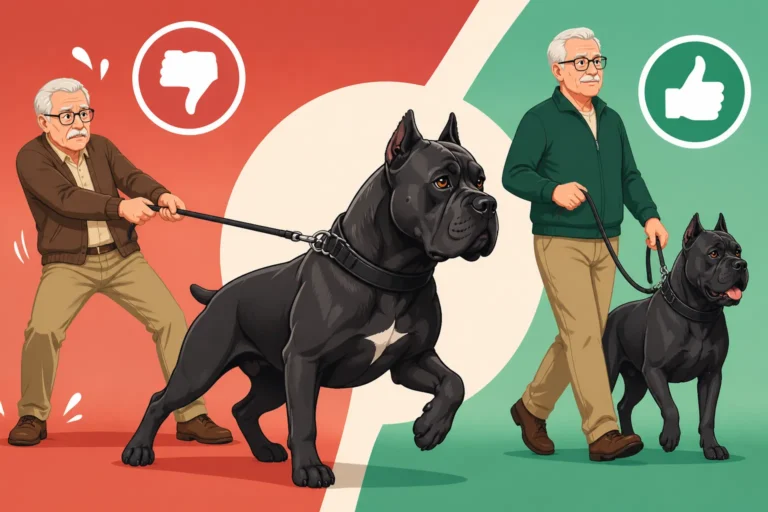
- Harness: For a growing Cane Corso puppy, a well-fitting, comfortable harness is often preferred over a collar for walks, as it distributes pressure evenly and protects their delicate trachea. A front-clip harness can also help gently redirect a pulling puppy, making walks more manageable as they grow.
- Leash: A standard 6-foot leash is generally ideal. Avoid retractable leashes, as they offer less control and can be dangerous. For neutral observation, a longer line (10-15 feet) can be helpful in a secure, open area, allowing your puppy to explore a bit more while still being tethered to you. You can find sturdy options for larger breeds on platforms like Amazon.
- Crate: Your puppy's crate isn't just for house training; it's a safe den, a place of retreat. During socialization, if your puppy becomes overwhelmed, returning to the comfort of their crate (even a portable one) can help them decompress. It teaches them that they have a safe space they can always rely on. Crates, Collars and Leads Sized for a Cane Corso should always be appropriate for their rapid growth.
- Place Cot/Mat: Teaching your Cane Corso the "place" command on a designated cot or mat is incredibly powerful for neutral socialization. It gives them a specific spot to settle down and observe the world from, reinforcing calm behavior. Teaching a Cane Corso to Hold a Place Cot from a young age is a game-changer for public outings.
High-Value Treats and Positive Reinforcement
This is the cornerstone of effective socialization. You want your puppy to associate all new experiences with positive outcomes.
- High-Value Treats: These are the treats your puppy absolutely adores. Think small pieces of cooked chicken, cheese, hot dogs, or liverwurst. These are far more motivating than everyday kibble when you're asking them to be brave in new situations. The higher the distraction, the higher the value of the treat needs to be.
- Timing is Everything: Deliver the treat immediately after your puppy exhibits the desired calm behavior (e.g., looking at a new object and then calmly back at you, or simply ignoring a passerby). This creates a clear association: "That new thing appeared, I stayed calm, and now I get a super yummy treat!"
- Marking Behavior: Use a verbal marker like "Yes!" or a clicker to precisely mark the exact moment your puppy performs the desired behavior. This helps them understand exactly what they're being rewarded for. The Reward a Cane Corso Actually Values can vary, so experiment to find what truly motivates your pup.
Online Resources and Training Programs
Even if you're doing hands-on socialization, supplementary resources can be invaluable.
- Online Courses: Programs like those offered by BAXTER & Bella provide structured, step-by-step guidance for puppy raising and socialization, often with videos and community support. These can be particularly helpful for first-time Cane Corso owners who want to ensure they're covering all their bases.
- Reputable Trainers: Seek out local trainers who specialize in positive reinforcement and force-free methods, especially those with experience with large guardian breeds. They can offer personalized advice and help you navigate specific challenges. A good trainer will emphasize neutral observation and building confidence.
- Books and Articles: Continuously educate yourself. Read books on puppy development and positive training methods. Understanding canine body language, for instance, is crucial for knowing if your puppy is coping well or becoming stressed.
Long-Term Benefits of Early Neutral Socialization
The effort you put into neutral socialization during these critical twelve weeks and beyond will pay dividends for years to come. It’s an investment in a stable, happy, and predictable future with your Cane Corso.
A Confident, Resilient Adult Cane Corso
A Cane Corso that has been properly socialized neutrally will likely be a much more confident and resilient adult. They will have learned that the world, while full of new and sometimes startling things, is generally safe and predictable. They won't need to react to every new person or strange noise with fear or aggression because they've learned to process these stimuli calmly. This confidence allows them to be more relaxed in various environments, from a busy vet's office to a quiet walk in a new neighborhood. You'll have a dog that chooses to be calm and observant, rather than one that is constantly on edge.
This also plays a huge role in their overall well-being. A confident dog is typically a happier dog, less prone to anxiety, stress-related behaviors, and misdirected aggression. Getting a Cane Corso Past Eleven Years Old will be a much more peaceful journey if they are well-adjusted from a young age.
Reduced Reactivity and Aggression
One of the primary goals of neutral socialization is to prevent fear-based reactivity and aggression, which can be particularly challenging to manage in a dog as large and powerful as a Cane Corso. By teaching your puppy to observe calmly and associate new things with positive reinforcement, you're building a buffer against negative reactions.
- Less Barking/Lunging: A neutrally socialized Cane Corso is less likely to bark incessantly at every passerby or lunge at other dogs because they've learned these things aren't threats and don't require an intense response.
- Better Impulse Control: The repeated practice of observing calmly helps build impulse control. They learn that they don't have to react to every stimulus immediately. Impulse Control Work for a Cane Corso starts with these early lessons.
- Safer Public Outings: When your Cane Corso is calm and non-reactive, public outings become much more enjoyable and safer for everyone. You can walk them with confidence, knowing they are less likely to cause a scene or pose a risk to others. This is essential for a breed that can sometimes face unwarranted scrutiny.
Easier Management of Guardian Instincts
Cane Corsos are guardian dogs. Their instinct to protect their family and property is inherent and strong. Proper socialization doesn't remove these instincts, but it channels them appropriately.
- Discernment: A well-socialized Cane Corso learns to discern between a genuine threat and a normal, non-threatening situation. They won't perceive every stranger as an intruder or every unfamiliar sound as a danger. They learn that most things are just "part of the environment," not something to react to. What a Cane Corso's Guardian Instinct Actually Is means they need to learn when to guard, not how to guard.
- Trust in Your Leadership: When you consistently act as your puppy's protector during socialization, advocating for their space and comfort, they learn to trust your judgment. They understand that you will handle situations, and they don't need to take on the burden of guarding everything themselves. This is crucial for building a strong, respectful relationship.
- Confidence in Novel Situations: Imagine bringing a contractor into your home or having friends over. A neutrally socialized Cane Corso will be able to observe these new people or situations calmly, relying on your cues and leadership, rather than becoming overly suspicious or reactive.
Ultimately, the goal is to raise a Cane Corso who is a joy to live with, a protector when truly needed, and a confident member of society. And it all starts with those vital, carefully managed twelve weeks.
Disclaimer
This article is for general informational purposes only and does not constitute professional advice. Laws, prices and regulations vary by location and change over time. Consult a qualified professional for guidance on your specific situation.