Introducing a Cane Corso Puppy to Traffic
Bringing a Cane Corso puppy into a bustling world, especially one filled with the sounds and sights of traffic, can feel like throwing a small boat into a stormy sea. Many new owners quickly realize that the sheer size and protective instincts of this magnificent breed mean that ignoring early exposure to these everyday stimuli isn't just irresponsible, it’s setting your future giant up for a lifetime of stress, fear, or reactivity. This guide will walk you through how to thoughtfully and safely introduce your Cane Corso puppy to traffic, ensuring they grow into a confident, well-adjusted companion who can navigate our modern world with ease.
The Critical Need for Early Traffic Socialization in a Cane Corso Puppy
It’s easy to think that because a Cane Corso is naturally confident and protective, they’ll just inherently handle anything thrown their way. But that’s a dangerous assumption, especially when it comes to the complex and often overwhelming environment of busy streets, honking cars, and rumbling trucks. For a breed that will easily reach over a hundred pounds, proper, calm exposure during their critical developmental stages isn't optional—it's absolutely essential for their well-being and the safety of everyone around them. Without it, you risk ending up with a powerful, anxious, or reactive dog that struggles with basic walks.
Understanding the Cane Corso's Natural Instincts Around Novelty
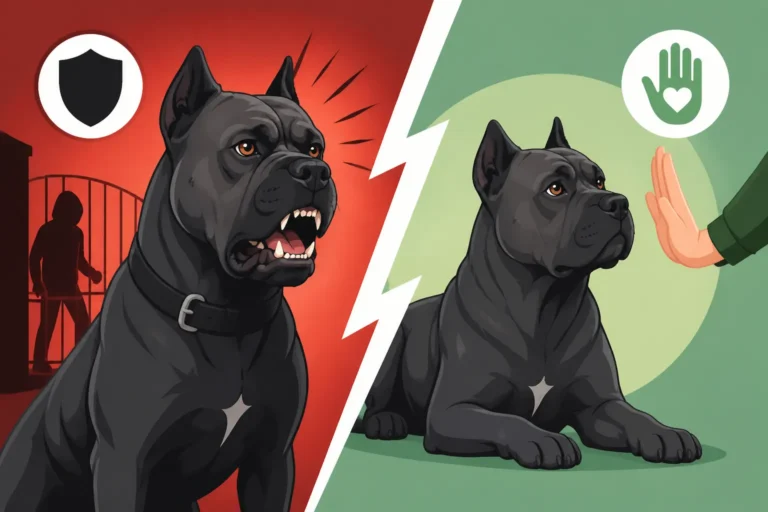
Cane Corsos were bred for centuries to be guardians and working dogs. Their purpose was to be observant, discerning, and protective of their family and property. This means they are inherently wired to notice things, to assess potential threats, and to react accordingly. While this is wonderful when it comes to home security, it can be a significant hurdle when you're trying to walk calmly down a street with cars whizzing by, motorcycles roaring past, or the sudden blast of an air horn. Without positive, early exposure, these everyday occurrences can easily be perceived as novel, startling, or even threatening events, triggering an instinctual response. A puppy that wasn't properly introduced to these stimuli might become jumpy, bark excessively, or try to lunge, which is manageable in a 30-pound puppy but becomes a serious challenge when they're a full-grown, strong Cane Corso.
Imagine taking a six-month-old Cane Corso, who has spent their entire life in a quiet rural setting, directly into a downtown city block during rush hour. Their inherent guarding instincts would likely kick into overdrive. Every loud truck, every sudden brake, every passing pedestrian could be interpreted as something to be wary of or challenged. Their large size already draws attention, and a reactive Cane Corso only amplifies that, creating a stressful experience for both the dog and the owner. This is precisely why controlled and positive exposure is paramount – it teaches them that these everyday noises and movements are simply part of the background, not something to be feared or guarded against.
The Puppy Socialization Window and Urban Environments
The "socialization window" for puppies is a critical period, generally considered to be between 3 to 16 weeks of age. During this time, puppies are most receptive to new experiences and form lasting impressions about the world. This is when you want to introduce them to a wide variety of sights, sounds, textures, and people, and yes, that absolutely includes traffic. Missing this window, or providing insufficient exposure, means that later introductions to novel stimuli can be much harder, often leading to fear, anxiety, or aggression. Think about how a child learns a new language more easily at a younger age; the puppy brain works similarly for learning about the world.
For a Cane Corso puppy, specifically, who matures into such a formidable and powerful dog, making sure they are comfortable with urban environments during this early phase is a non-negotiable part of responsible ownership. You want them to understand that the screech of tires or the rumbling of a bus is just background noise, not a signal for alarm. This doesn't mean you throw them into the deep end, but rather that you thoughtfully integrate traffic exposure into your regular The Socialization Window a Cane Corso Puppy Gets routine. Regular short trips to different environments, even just sitting in your car with the puppy at a busy intersection (windows open, but safe), can make a huge difference. The BAXTER & Bella online puppy program, for example, often emphasizes the importance of diverse environmental exposure, which includes sound desensitization that can be applied to traffic noises.
A Step-by-Step Approach to Introducing Your Cane Corso Puppy to Traffic
Successfully introducing your Cane Corso puppy to traffic requires a thoughtful, gradual, and positive approach. You can't just expect them to be fine; you need to actively teach them to be calm and confident. This process is all about building positive associations and gradually increasing the intensity of exposure, always keeping an eye on your puppy's comfort level. Remember, slow and steady wins the race, especially with a breed as sensitive and powerful as the Cane Corso.
Starting Small: Quiet Streets and Controlled Observations
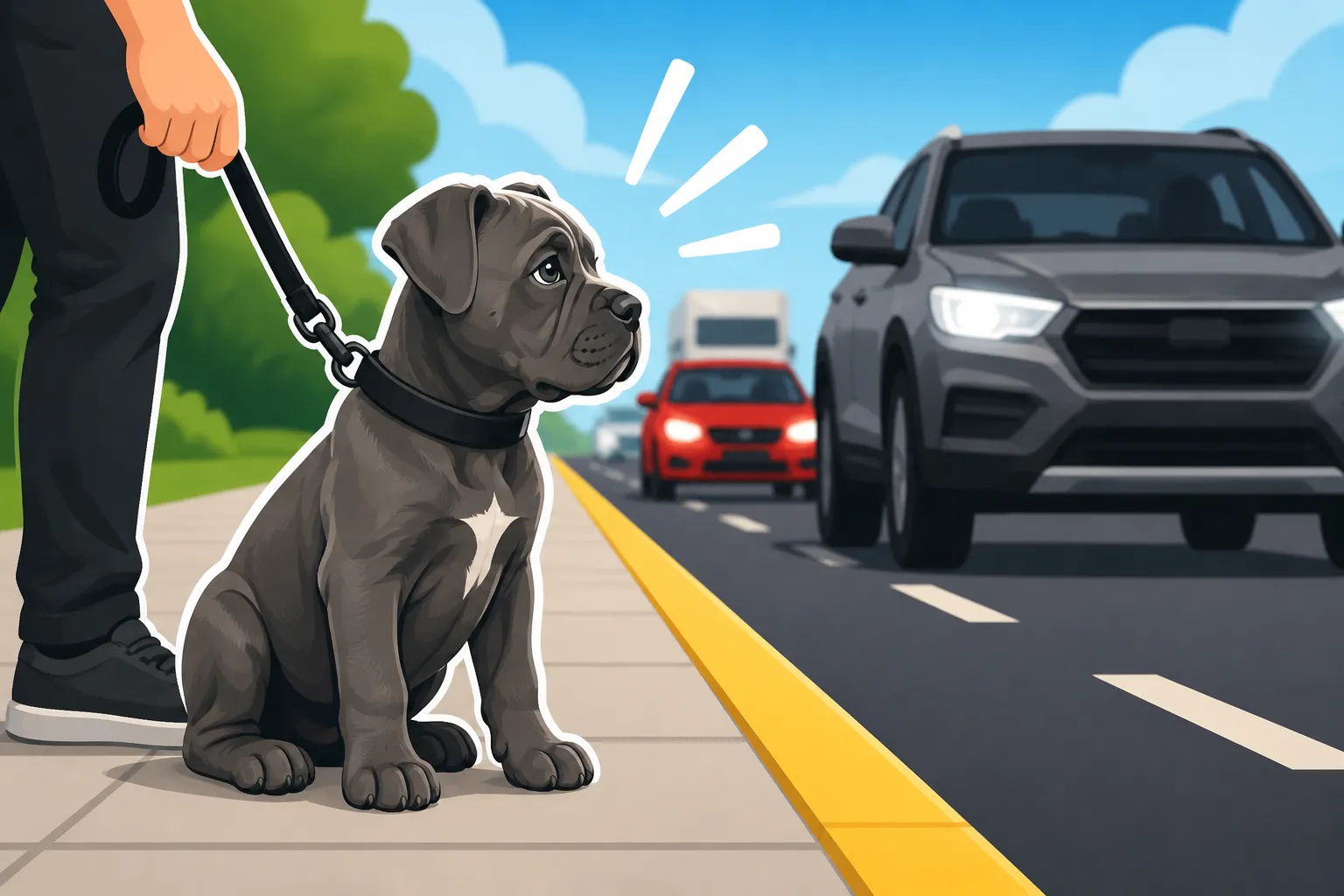
Begin your traffic exposure journey in a low-stress environment. Think about a quiet residential street where cars pass infrequently and at slower speeds. The goal here is passive observation, not active engagement.
- Choose the Right Spot: Find a bench or a safe grassy area a good distance from the street where your puppy can sit or lie down comfortably. The key is distance – far enough away that the traffic noises and sights are noticeable but not overwhelming.
- Short and Sweet Sessions: Keep these initial sessions very brief, perhaps just 5-10 minutes. The moment your puppy shows any signs of stress (tucked tail, flattened ears, excessive panting, trying to hide), it's time to end the session positively and move to a calmer area. We often talk about Five Minute Cane Corso Sessions Twice a Day for training, and this same principle applies here.
- Positive Reinforcement is Key: Bring high-value treats – think small pieces of cooked chicken, cheese, or hot dogs. Every time a car passes, or a bus rumbles by, and your puppy remains calm or just glances at it without reacting, immediately reward them with a treat and calm, reassuring praise. The goal is to create a strong association: traffic happens = yummy treats! You want them to realize that the noises are not scary, but rather predict something good.
- Observe, Don't Force: Don't try to force your puppy to look at the traffic. Let them observe at their own pace. If they're focused on you for a treat, that's great! It means you're more interesting than the traffic, which is exactly what you want.
- Repeat and Vary: Do these quiet street sessions regularly, several times a week. Once your puppy is consistently calm and happy in one spot, try another quiet spot with slightly more activity.
Gradually Increasing Exposure and Intensity
Once your Cane Corso puppy is comfortable with quiet street observations, you can start to slowly increase the level of exposure. This is a gradual progression, designed to build their confidence incrementally.
- Closer Proximity: Move your observation spot slightly closer to the street. Watch for signs of stress and revert to a greater distance if needed. Continue with high-value treats for calm behavior.
- Short Walks on Quieter Streets: Introduce very short walks on these same quiet residential streets. Focus on Loose Leash Walking a Cane Corso Puppy, keeping their attention on you. Again, reward calm behavior as vehicles pass. Don't push for long distances; a block or two is plenty.
- Varying Traffic Types: Introduce different types of traffic. Start with cars, then move to areas where you might see bicycles, then buses, and eventually larger trucks. Each new type of vehicle is a new stimulus that needs positive association. Using a sturdy, comfortable harness and leash, perhaps from a reputable brand found on Amazon, will give you better control and prevent injury if they do get startled.
- Neighborhood Exploration: Gradually expand your walking routes to slightly busier neighborhood streets. Remember the goal is exposure without overwhelming. If your puppy seems overwhelmed, you've gone too far too fast. Take a step back to where they were comfortable.
- Sounds First, Then Sights: Sometimes, the sound of traffic is more startling than the sight. Consider playing recordings of traffic sounds softly at home first, while your puppy is relaxed and playing, to begin desensitization in a very controlled setting.
Reinforcing Calmness and Positive Associations
Beyond just exposure, actively reinforcing calmness is crucial for a Cane Corso. You want them to learn that traffic is boring, not thrilling or terrifying.
- Engage and Reward Focus: During walks where traffic is present, practice basic obedience cues like "sit," "stay," or "look at me." Reward heavily when they comply, especially when a distraction (like a loud car) goes by. This teaches them to focus on you even amidst distractions. The Reward a Cane Corso Actually Values will be crucial here – use their absolute favorite treats!
- "Watch Me" Command: Teach a strong "watch me" or "focus" command indoors, then practice it in gradually more distracting outdoor environments, including near traffic. This tool will be invaluable for redirecting their attention away from potential triggers.
- No Baby Talk for Fear: If your puppy gets startled by a loud noise, avoid excessive comforting or baby talk. While it's natural to want to reassure them, doing so can inadvertently reinforce that there was something to be scared of. Instead, remain calm, give a cheerful "good dog!" and offer a treat for simply recovering quickly. Your calm demeanor teaches them there's nothing to worry about.
- "Place" Command Near Traffic: If you have a portable cot or mat, practice the "place" command on it near an area with light traffic. This helps them learn to settle in various environments and understand that they don't need to be constantly on guard. Teaching a Cane Corso to hold a place cot is a powerful impulse control exercise.
- Consistent Routine: Consistency is key. Regular, short, positive exposures will build confidence much more effectively than infrequent, long, overwhelming ones.
| Traffic Stimulus | Puppy Reaction | Owner Response |
|---|---|---|
| Distant Car Passing | Slight head turn, no major reaction | "Good dog!" + high-value treat |
| Close Car Passing | Ears twitch, slight startle, recovers quickly | Calm "Easy," then "Good dog!" + treat as they settle |
| Loud Truck/Bus | Jumps, pulls, barks, tucks tail | Create distance, calm "Let's go," redirect focus, treat once calm; reassess environment for next session |
| Bicycle/Jogger | Stares intently, tenses, low growl | "Leave it," redirect focus, move off path, reward for looking at you |
| Honking Horn/Siren | Strong startle, tries to bolt | Hold leash firmly (but gently), provide comfort calmly, move to quieter spot, end session |
| Busy Intersection (sitting) | Appears overwhelmed, panting, avoids eye contact | Shorten session, move further away, focus on calm petting and quiet reassurance, end on positive note |
Navigating Challenges: When Your Cane Corso Puppy Reacts to Traffic
Even with the best intentions and a careful approach, your Cane Corso puppy might still react to traffic in ways you didn't expect. This is completely normal! The key is to understand why they're reacting, how to interpret their body language, and then apply appropriate strategies to help them through it. Remember, these are powerful dogs, and their reactions, whether fear-based or territorial, need careful management.
Identifying Signs of Overwhelm or Fear
Understanding your puppy’s body language is the first line of defense against over-exposure and negative associations. A subtle sign of stress can quickly escalate if ignored.
- Lip Licking and Yawning (out of context): These are often calming signals that indicate mild stress or discomfort. If your puppy is doing this when no food is present or they're not sleepy, it's a sign they're feeling a bit uneasy.
- Head Aversion/Turning Away: If your puppy consistently turns their head or body away from the traffic, or tries to hide behind your legs, they are clearly trying to disengage from something they find unpleasant or scary.
- Flattened Ears and Tucked Tail: These are classic signs of fear or anxiety. A tightly tucked tail usually indicates significant stress.
- Excessive Panting or Drooling: If it’s not hot and your puppy hasn't been exercising, heavy panting or drooling can be a physiological response to stress.
- Freezing or "Sticking": The puppy suddenly stops moving, becomes rigid, and might stare intently at the source of stress. This "freeze" response is a clear indicator of fear.
- Excessive Barking, Lunging, or Whining: These are more overt signs of a puppy struggling to cope. They might be trying to make the scary thing go away (barking/lunging) or seeking reassurance (whining). If your What an Anxious Cane Corso Looks Like guide reveals similar behaviors, it's time to reassess your approach.
If you observe any of these signs, it's a signal to reduce the intensity of the situation immediately. That might mean moving further away from the street, ending the walk and going home, or finding a quieter path. Pushing a puppy past their threshold of comfort will only create more negative associations.
Strategies for Managing Reactivity and Distraction
When your Cane Corso puppy does react, having a plan of action is crucial. The goal is always to redirect their focus to you and to calmly guide them through the moment.
- Increase Distance: This is your number one tool. If your puppy is reacting, you are too close to the trigger. Create more space between your puppy and the traffic. Cross the street, step into a driveway, or even turn around and walk in the other direction.
- "Find It" Game: Scatter a handful of high-value treats on the ground for your puppy to sniff out. This engages their nose, which is a calming activity, and redirects their focus downwards and away from the perceived threat. Keep a bag of these special treats on hand, perhaps a treat pouch from Amazon, for quick deployment.
- "Watch Me" or "Focus" Command: If you've diligently practiced these, now is the time to use them. Ask for their attention, and when they give it, reward them heavily. This teaches them that looking at you is more rewarding than fixating on the traffic.
- "Let's Go!" Cue: This is a fantastic cue to use when you need to quickly change direction or move away from a trigger. Say "Let's go!" in a cheerful voice, turn sharply, and walk briskly in the opposite direction. Reward when they follow. This can be particularly useful when you're practicing Building a Cane Corso's Recall From Eight Weeks in a distracting environment.
- Keep Moving (If Safe): Sometimes, if a puppy is mildly anxious, gently encouraging them to keep moving can help. Stopping and staring can sometimes intensify their focus on the trigger. Maintain a confident, steady pace.
- Avoid Punishment: Never punish your Cane Corso puppy for reacting out of fear or overstimulation. Punishment will only increase their fear and damage your bond, making them even more reactive in the long run. They are communicating discomfort, not defiance.
- Consult a Professional: If you find yourself consistently struggling with your puppy's reactions, or if the reactivity is severe (e.g., aggressive lunging, unmanageable barking), don't hesitate to seek guidance from a certified professional dog trainer or behaviorist. They can provide personalized strategies and help identify underlying issues.
Essential Gear and Training Aids for Traffic Walks
Having the right equipment makes a huge difference in safety and control when introducing your Cane Corso puppy to traffic. Given their eventual size and strength, you want gear that is reliable and effective.
- Appropriate Collar and Leash: While a flat collar is fine for basic identification, for walks in public, a sturdy, well-fitting harness is highly recommended for a Cane Corso puppy. A front-clip harness can be particularly effective at discouraging pulling without putting pressure on their sensitive trachea. Look for Harnesses Rated for a Cane Corso's Pull from brands like Ruffwear or Kurgo available on Amazon. Pair this with a 6-foot standard leash made of durable nylon or leather. Avoid retractable leashes, as they offer little control, especially with a strong puppy. For more general advice, see Crates, Collars and Leads Sized for a Cane Corso.
- High-Value Treats: As mentioned, these are non-negotiable. Small, soft, smelly treats that your puppy absolutely adores will be your most powerful tool for positive reinforcement and distraction.
- Treat Pouch: A wearable treat pouch keeps your rewards readily accessible, allowing for immediate reinforcement when your puppy exhibits desired behavior. Speed is essential in linking the behavior with the reward.
- Muzzle Training (Proactive): While not for every walk, proactively Why Every Cane Corso Should Be Muzzle Trained Early is a responsible decision for any large guardian breed. A well-fitting basket muzzle allows your dog to pant, drink, and take treats, but provides a safety net should an unforeseen situation arise, or if your dog needs vet care where they might be stressed. Starting this early, with positive associations, makes it a non-event if it ever needs to be worn in public.
- Long Line: For practicing recall in a larger, but still controlled, outdoor space away from heavy traffic, a long line (15-30 feet) can be beneficial. It offers a sense of freedom while maintaining safety.
- Appropriate Footwear for You: Don't forget yourself! You'll be doing a lot of walking, potentially needing to quickly change direction or brace against a pull. Comfortable, sturdy shoes with good grip are essential for your safety and confidence.
Introducing your Cane Corso puppy to traffic is a journey, not a single event. It requires patience, consistency, and a deep understanding of your dog. By starting early, being gradual, and making every experience overwhelmingly positive, you'll lay the foundation for a confident, calm, and well-behaved Cane Corso who can confidently navigate any environment life throws their way.
Disclaimer
This article is for general informational purposes only and does not constitute professional advice. Laws, prices and regulations vary by location and change over time. Consult a qualified professional for guidance on your specific situation.