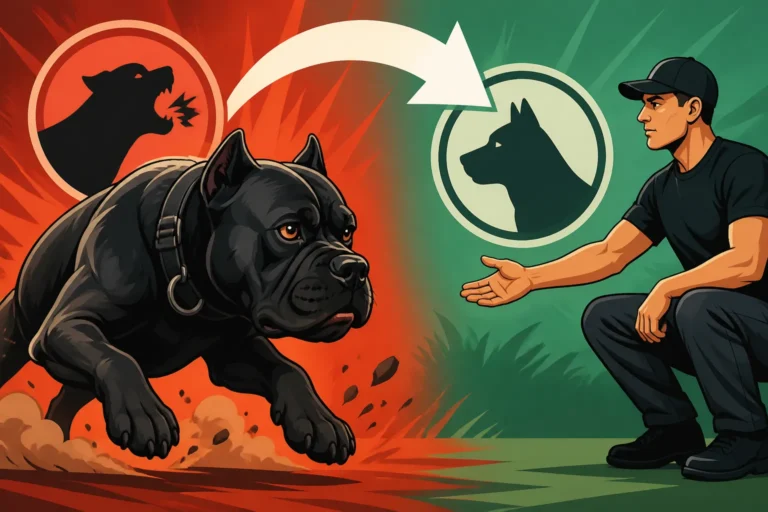
Why a Cane Corso Should Meet People Without Greeting Them
It’s a scenario many Cane Corso owners know all too well: you’re out for a walk, enjoying some quiet time with your magnificent dog, when someone inevitably approaches with a cheerful, “Can I pet your dog?” Your heart sinks a little, not because your Corso is mean, but because you know a simple greeting can quickly spiral into over-excitement, a misunderstood nudge, or even an unintended display of guarding. This guide is here to help you navigate these common interactions, understanding why teaching your Cane Corso to meet people without greeting them with boisterous enthusiasm is not only smart but essential for their well-being and your peace of mind.
Understanding the Cane Corso's Natural Temperament
Bringing a Cane Corso into your life means embracing a breed steeped in history as a protective guardian. They aren't your typical Golden Retriever, eager to make friends with every passing stranger. Their instincts are wired differently, and understanding this fundamental aspect is the first step in fostering appropriate public behavior.
The Instinct to Assess, Not Engage
Cane Corsos were bred for centuries to protect property and livestock, and to be loyal companions to their families. This means their initial reaction to someone new is often one of assessment. They observe, they evaluate, and they decide whether this person poses a threat or is benign. This isn't aggression; it's simply their ancient programming kicking in. They are naturally reserved with strangers, a trait that’s often misconstrued as aloofness or even unfriendliness. However, this reserve is a vital part of their character. When a stranger approaches, your Cane Corso isn't usually thinking, "Oh, a new friend to lick!" They're thinking, "Who is this person, and what are their intentions?" [The Guardian Instinct a Cane Corso Actually Is] dives deeper into this inherent trait.
It's a huge shift in perspective from many other breeds. Where a Labrador might bound up to someone for a head scratch, your Corso is more likely to stand calmly by your side, watching. This quiet observation is exactly what you want to encourage. It allows them to process information without immediately reacting, which is crucial for a dog of their size and protective capabilities. We, as owners, need to respect this natural inclination rather than try to force them into a mold that doesn't fit their genetic makeup. Trying to make them extroverted greeters can actually put them in an uncomfortable position, leading to stress or over-stimulation.
Why Forced Friendliness Can Backfire
Imagine being forced into a hug with someone you just met, or having to engage in intense small talk when you'd rather politely observe. That's often how a Cane Corso experiences being pushed into direct, enthusiastic greetings with strangers. When owners, in an attempt to prove their dog is friendly, encourage every person to pet their Corso, they can inadvertently create several problems. First, it can erode the dog's trust in you as their leader. If you're constantly putting them in situations that make them uncomfortable or over-stimulated, they might start to feel they need to take matters into their own paws.
Secondly, forced friendliness can lead to over-excitement. A large, powerful dog jumping up, even in a friendly way, can be intimidating or even dangerous for children or the elderly. This isn't what we want for a breed that already carries a certain reputation. We want them calm, controlled, and respectful of personal space. Thirdly, and perhaps most subtly, constantly seeking greetings can actually teach your Corso that every person approaching is a potential resource (attention, pets), rather than something to be ignored or calmly observed. This can heighten their arousal around new people, making genuine neutrality much harder to achieve. For instance, if your dog learns that barking or jumping leads to attention from people, they'll just keep doing it. This is why cultivating a respectful handler is paramount for a breed like the Cane Corso. The Handler a Cane Corso Respects explains more about building that critical bond.
The Risks of Uncontrolled Greetings for a Cane Corso
Allowing or even encouraging your Cane Corso to engage in uncontrolled greetings with every stranger they encounter might seem like a good way to socialize them, but for a breed like this, it often backfires. The consequences can range from minor annoyances to serious safety concerns, impacting both your dog's reputation and your own peace of mind.
Over-Excitement and Accidental Harm
A Cane Corso, even a friendly one, is a large and powerful animal. An excited Corso, weighing upwards of 100 pounds, can easily knock over an unsuspecting person, particularly a child or an elderly individual. Their enthusiasm, while well-intentioned, can lead to bruises, scrapes, or even broken bones. Picture a situation where your Corso lunges forward on the leash, not out of aggression, but sheer joy at seeing someone new. That sudden jolt could pull you off your feet, or worse, yank the leash from your hand. If your Cane Corso hasn't mastered Leash Manners Before a Cane Corso Hits Ninety Pounds, these enthusiastic greetings become incredibly difficult to manage.
Beyond the physical risk, there’s the sheer intimidation factor. Not everyone loves big dogs, and even fewer appreciate one bounding towards them. What your Corso perceives as a playful nudge, a stranger might interpret as aggressive behavior. This leads to negative perceptions of the breed, which is something we, as responsible owners, should always strive to avoid. Teaching neutrality helps prevent these accidental mishaps by ensuring your dog remains calm and in control, even when faced with novel stimuli. Their focus should always be on you, not on seeking out attention from passersby.
Reinforcing Unwanted Protective Behavior
Here’s a tricky one: imagine your Cane Corso is accustomed to enthusiastic greetings. Every time someone pets them, they get a surge of positive attention. But what happens when a person approaches who doesn't want to pet them, or approaches in a way that your Corso perceives as slightly off? If your dog has learned that all approaching people are "fair game" for interaction, they might become confused or even frustrated when a greeting isn't reciprocated or goes differently than expected. This confusion can sometimes manifest as unwanted protective behavior.
For example, a Corso that has been encouraged to greet everyone might feel a sense of ownership over these interactions. If a person attempts to walk away or doesn't engage with the dog as expected, the Corso might try to "herd" them back, or even block their path. This isn’t maliciousness, but a misunderstanding of social cues, amplified by their natural guarding instincts. By teaching neutrality – that people exist in their environment without necessarily needing to interact – you empower your Cane Corso to simply observe without feeling the need to engage or control the situation. It cultivates a calm, stable mindset where they look to you for guidance, rather than taking matters into their own paws. This is vital for managing A Cane Corso Meeting Guests at the Front Door gracefully.
Breed Perception and Public Safety
Let's be brutally honest: the Cane Corso, like many powerful guardian breeds, faces an uphill battle in public perception. Misunderstandings and negative stereotypes abound. Every uncontrolled lunge, every excited bark, every accidental bump against a stranger only reinforces those negative perceptions, making it harder for responsible owners to enjoy their dogs in public spaces.
When your Cane Corso is calm, collected, and ignores strangers, you are actively combating these stereotypes. You're demonstrating responsible ownership and showcasing the breed's true potential as a majestic, controlled companion. Conversely, a Cane Corso that is constantly seeking attention from strangers, or displays over-the-top reactions, can genuinely frighten people. This fear, even if unfounded, can lead to complaints, breed-specific legislation in your area, or worse, a situation where your dog is deemed a liability. Our goal should be for our Corsos to be seen as assets to our communities, not sources of anxiety. This is why instilling a culture of "meet without greeting" is not just about manners, but about safeguarding the future of the breed itself and ensuring public safety. This level of control and calmness is also beneficial when teaching your dog Building a Cane Corso's Recall From Eight Weeks, as a calm mind is more receptive to training.
Teaching Neutrality: The Foundation of Calm Interactions
Okay, so we've established why encouraging every stranger to fawn over your Cane Corso might not be the best idea. Now, let's talk about the how. The core concept here is teaching neutrality – the ability for your Cane Corso to acknowledge people and stimuli in their environment without feeling compelled to interact, react, or become over-stimulated. It's about building a solid foundation of calm focus on you.
The 'Meet Without Greeting' Principle
The "meet without greeting" principle doesn't mean your Cane Corso should be a recluse or a fear-biter. Far from it. It means teaching your dog that new people are simply part of the background, not an invitation for interaction, unless you initiate it. The goal is a calm, polite acknowledgment, or ideally, no acknowledgment at all. When someone walks by, your Corso should ideally continue walking with you, sniff the ground, or simply glance at them and then look back to you for direction. They should be neutral, not excited, not fearful, just…present.
This principle is particularly powerful because it takes the pressure off both you and your dog. You don’t have to constantly apologize or explain. Your dog doesn’t have to constantly assess whether this new person is a threat or a friend, or expend energy on trying to interact. It conserves their mental and emotional energy, allowing them to be more relaxed and receptive to your commands. Early and consistent The Socialization Window a Cane Corso Puppy Gets is critical here, focusing on exposure to a wide variety of sights, sounds, and people without forced interaction. The idea is exposure, not engagement.
Tools and Techniques for Controlled Encounters
To successfully teach neutrality, you’ll need the right tools and a consistent approach. This isn’t about punishment; it’s about clear communication, positive reinforcement for desired behaviors, and preventing unwanted behaviors from developing in the first place.
Here are some essential tools and techniques:
- High-Value Treats: Super delicious, small, and easily swallowed treats are your best friend. Think cooked chicken, hot dogs, or cheese.
- Appropriate Leash and Collar/Harness: A sturdy leash and a reliable collar (like a properly fitted slip lead or martingale) or a front-clip harness can give you more control without causing discomfort. Many owners find effective gear through retailers like Amazon.
- A "Place" or Mat Command: Teaching your Cane Corso to go to a designated "place" (a cot or mat) and stay there is invaluable for managing interactions within your home, especially when guests arrive.
- Muzzle Training: Even if you never expect to use it, Why Every Cane Corso Should Be Muzzle Trained Early is a crucial life skill. It removes the stress of needing one in an emergency and can be a valuable tool for practicing neutrality in highly stimulating environments, ensuring everyone's comfort.
Techniques:
- "Look at That" (LAT) Game: This game teaches your dog to look at a trigger (like a person walking by), then immediately look back at you for a treat. It changes their emotional response from excitement/anxiety to "look at that, then look at me for a reward."
- U-Turns and Directional Changes: If you see someone approaching and your Corso starts to focus, calmly do a U-turn or change direction. Reward them for following you. This teaches them that you are their guide and that they don't have to engage.
- Threshold Training: Practice having people walk by your home, or even by you on a bench, at a distance where your Corso can see them but isn't reacting. Gradually decrease the distance as they remain calm, rewarding heavily for calm observation.
- "Four Paws on the Floor": This is your mantra. Reward any person who interacts with your dog only when all four paws are on the floor. If they jump, the interaction stops immediately.
Consistency is Key for a Large Breed
This cannot be stressed enough: consistency is absolutely paramount when training a Cane Corso, especially when it comes to social interactions. They are intelligent, observant, and they learn quickly – for better or worse. If you are inconsistent, sometimes allowing enthusiastic greetings and other times correcting them, you will confuse your dog and slow down your progress significantly.
Every single interaction, or non-interaction, is a learning opportunity for your Corso. Every time they are allowed to jump on someone or pull towards a stranger, that behavior is being reinforced. This means every family member must be on board with the "meet without greeting" rule. It also means you need to be prepared to politely but firmly explain your training methods to well-meaning strangers who want to engage with your dog. Remember, you are your Cane Corso's advocate. Their safety, your safety, and the public's comfort depend on your unwavering consistency. A strong relationship with your trainer or an online platform like BAXTER & Bella which offers lifetime support, can provide the continuous guidance needed for consistent training across all family members. This kind of consistency is especially important for Getting a Cane Corso Through Adolescence when their focus can sometimes waver.
Practical Steps for Successful Neutral Encounters
Now that we’ve covered the "why" and the foundational principles, let's get into the nitty-gritty of putting "meet without greeting" into practice. These steps are designed to build your Cane Corso’s confidence and your control, ensuring that public interactions are calm and predictable.
Setting Up a Controlled Environment
The key to successful training is managing the environment so your dog can succeed. You wouldn't throw a child who can barely swim into the deep end of the pool, right? The same applies to your Cane Corso.
- Start Small, Stay Distant: Begin training in low-distraction environments. This might mean starting on a quiet street corner, a park during off-peak hours, or even just in your front yard with family members or trusted friends acting as "strangers." The goal is to be far enough away from the "trigger" (the person) that your Cane Corso notices them but doesn't react. If they are already lunging or barking, you’re too close.
- Short, Successful Sessions: Keep training sessions brief – 5 to 10 minutes at a time. It’s better to have several short, positive experiences than one long, frustrating one. End on a high note!
- Vary the Scenarios Gradually: Once your Corso is calm with distant, stationary people, slowly introduce more variables: people walking by, people with hats, people pushing strollers, children. Always maintain distance and gradually decrease it as your dog shows consistent calm. Remember, Where to Take a Cane Corso Puppy Every Week should focus on positive exposure, not forced interaction.
- Practice Place Work (Indoors and Out): A solid "place" command, where your dog goes to a designated spot and stays there calmly, is invaluable. Practice this indoors when guests arrive, then gradually try it in more stimulating outdoor environments, perhaps on a portable cot or mat available on Amazon. This teaches them to relax in a specific spot even when activity is happening around them.
Managing Your Cane Corso's Energy Levels
A tired dog is often a well-behaved dog. Before you embark on any training session involving potential people-encounters, make sure your Cane Corso has had appropriate physical and mental exercise.
- Pre-Walk Exercise: Don't expect your Corso to be a calm angel if they're bursting with pent-up energy. A brisk walk, a game of fetch, or some vigorous play in the yard before you head out for your neutrality training session can make a world of difference. Sixty to Ninety Minutes Across Two Cane Corso Walks is a good guideline for daily exercise for an adult Corso.
- Mental Stimulation: Physical exercise isn't enough for these intelligent dogs. Engage their minds with puzzle toys, scent work, or short obedience drills. A mentally stimulated Cane Corso is less likely to be bored and seek out inappropriate interactions when encountering people. Remember, Ninety Minutes a Day and a Cane Corso's Mind highlights the importance of consistent mental engagement.
- Observe and Adjust: Pay close attention to your dog's body language. Are they starting to get stiff, hyper-focused, or showing signs of stress? These are cues that their energy levels or mental state might not be optimal for the current training scenario. It's okay to cut a session short or increase your distance from the trigger. Pushing them past their threshold will only set you back.
Communicating Expectations to Others
This is often the hardest part for owners because it involves managing human expectations, not just canine ones. People, especially those who love dogs, often have a strong desire to interact.
- Be Proactive and Polite: When you see someone approaching, try to anticipate their move. A simple, "He's in training, please give him space," or "We're working on calm manners, so no greetings today, thanks!" can go a long way. You don’t need to apologize or give a long explanation.
- Use Clear Hand Signals: If someone asks, "Can I pet him?", you can politely say "No, he's working," while simultaneously using a hand signal (like a flat palm) to reinforce the message. This can prevent them from reaching out before you finish your sentence.
- Teach Your Dog a "Leave It" or "Ignore" Cue: Practice this command in various situations. When your Cane Corso starts to focus on an approaching person, use your "leave it" cue and reward them for disengaging and looking at you. This empowers your dog to make the right choice and gives you a powerful tool.
- Lead by Example: If you radiate confidence and calm, your Cane Corso is more likely to follow suit. If you get anxious or frustrated when people approach, your dog will pick up on that energy. Breathe, stay calm, and focus on your dog's success. For more help communicating with your dog, Whether Marker Training Holds a Cane Corso's Focus can be useful.
It's a marathon, not a sprint. There will be days when progress feels slow, or even like a step backward. But with patience, consistency, and the right approach, your Cane Corso can become a model of calm, neutral public behavior.
Long-Term Benefits of a Neutral Cane Corso
Embracing the "meet without greeting" philosophy for your Cane Corso isn't just about managing challenging moments in the short term. It's an investment in their overall well-being, your relationship, and the breed's reputation for years to come. The long-term benefits are substantial and create a much happier, safer, and more harmonious life for everyone involved.
Reducing Stress for Dog and Owner
Imagine the scenario again: you're walking your Cane Corso. Instead of bracing for an interaction, or worrying about an excited lunge, you simply enjoy the walk. Your dog, instead of being on high alert for potential greeters, is calmly trotting by your side, sniffing interesting smells, and checking in with you. This drastically reduces stress for both of you.
For your Cane Corso, not being constantly pushed into social interactions they might not naturally seek, or over-stimulated by every stranger, leads to a calmer disposition. They learn that they don't have to be "on" all the time. This mental relaxation can prevent anxiety-related behaviors from developing, and it contributes to a more balanced temperament. For you, the owner, the relief of knowing your large, powerful dog will remain composed around others is immense. You can take them more places, enjoy outings without constant vigilance, and feel confident in their behavior. This confidence translates directly to a more confident dog, creating a positive feedback loop. When your Cane Corso understands they don't have to engage with every stranger, they are less likely to display What an Anxious Cane Corso Looks Like in public.
Building a Reliable and Trustworthy Companion
A Cane Corso that understands the "meet without greeting" principle is a highly reliable and trustworthy companion. They learn that you are the decision-maker regarding interactions, and they look to you for guidance rather than acting independently. This strengthens your bond exponentially.
This reliability extends beyond just people interactions. When your Corso learns to disengage from one type of distraction (people), they are more likely to apply that same focus and deference to other distractions, whether it's another dog, a squirrel, or a loud noise. It cultivates a dog that is attentive, responsive, and respectful of boundaries. This allows for greater freedom and more enjoyable experiences together, like exploring new trails or visiting dog-friendly patios, knowing they will remain calm and under control. This is the foundation for a truly integrated family member who knows their role and respects yours. Ultimately, this approach leads to a well-adjusted dog that fits seamlessly into your life and community, becoming the dignified guardian they are meant to be. This reliability is the core of Why the Best Cane Corso Looks Boring in Public, because a "boring" Cane Corso is a safe, controlled, and trusted Cane Corso.
Comparison Table: Greeting vs. Neutral Interaction
To further illustrate the benefits, let's look at a quick comparison of encouraging spontaneous greetings versus fostering neutral interactions for your Cane Corso.
| Feature | Encouraging Spontaneous Greetings | Fostering Neutral Interactions |
|---|---|---|
| Dog's Focus | On approaching person (seeking attention/interaction) | On owner (for direction/guidance), or environment (calm observation) |
| Risk of Over-Excitement | High (jumping, pulling, barking for attention) | Low (calm observation, no active engagement) |
| Public Perception | Can be intimidating, reinforces "dangerous dog" stereotype | Calm and controlled, showcases responsible ownership, builds trust |
| Accidental Harm | Higher risk (knocking people over, pulling on leash) | Very low (dog remains by owner, no active physical engagement) |
| Dog's Comfort | Can be stressful (forced interactions, over-stimulation, confusion) | Relaxed (acknowledges presence without need to engage), lower anxiety |
| Owner's Stress | High (constant vigilance, managing interactions, apologizing) | Low (confidence in dog's behavior, enjoyable outings) |
| Training Focus | Managing exuberant behavior, teaching "off" or "down" | Building impulse control, "look at me," "leave it" commands, developing handler focus |
| Relationship Impact | Can create dog-centered interactions, dog may not rely on owner for decisions | Strengthens owner-dog bond, establishes clear leadership and trust |
| Breed Reputation | Can contribute to negative stereotypes, BSL risks | Positive representation, helps challenge negative perceptions, promotes responsible ownership |
Remember, teaching a Cane Corso to simply meet people without feeling the need to greet them isn't about creating an unfriendly dog. It's about cultivating a calm, confident, and highly reliable companion who understands their role and respects the world around them, making life safer and more enjoyable for everyone.
Disclaimer
This article is for general informational purposes only and does not constitute professional advice. Laws, prices and regulations vary by location and change over time. Consult a qualified professional for guidance on your specific situation.