Entropion Surgery Prices for a Cane Corso
One of the most disheartening things about welcoming a beautiful Cane Corso into your family is realizing they might be prone to certain health issues, like entropion. The worry quickly shifts from simply recognizing the problem to wondering how on earth you’ll afford the necessary surgery, especially when veterinary bills can feel like a bottomless pit. This guide is here to shed light on entropion surgery prices for your Cane Corso, breaking down what influences the cost and how you can prepare financially.
Understanding Entropion in Your Cane Corso
Finding out your loyal, majestic Cane Corso might need surgery can be a really anxious time. When it comes to eye issues, entropion is unfortunately a fairly common concern for our beloved giant breeds, and seeing your dog in discomfort is never easy. It's not just a cosmetic flaw; it’s a painful condition that needs addressing.
What is Entropion and Why Are Cane Corsos Prone?
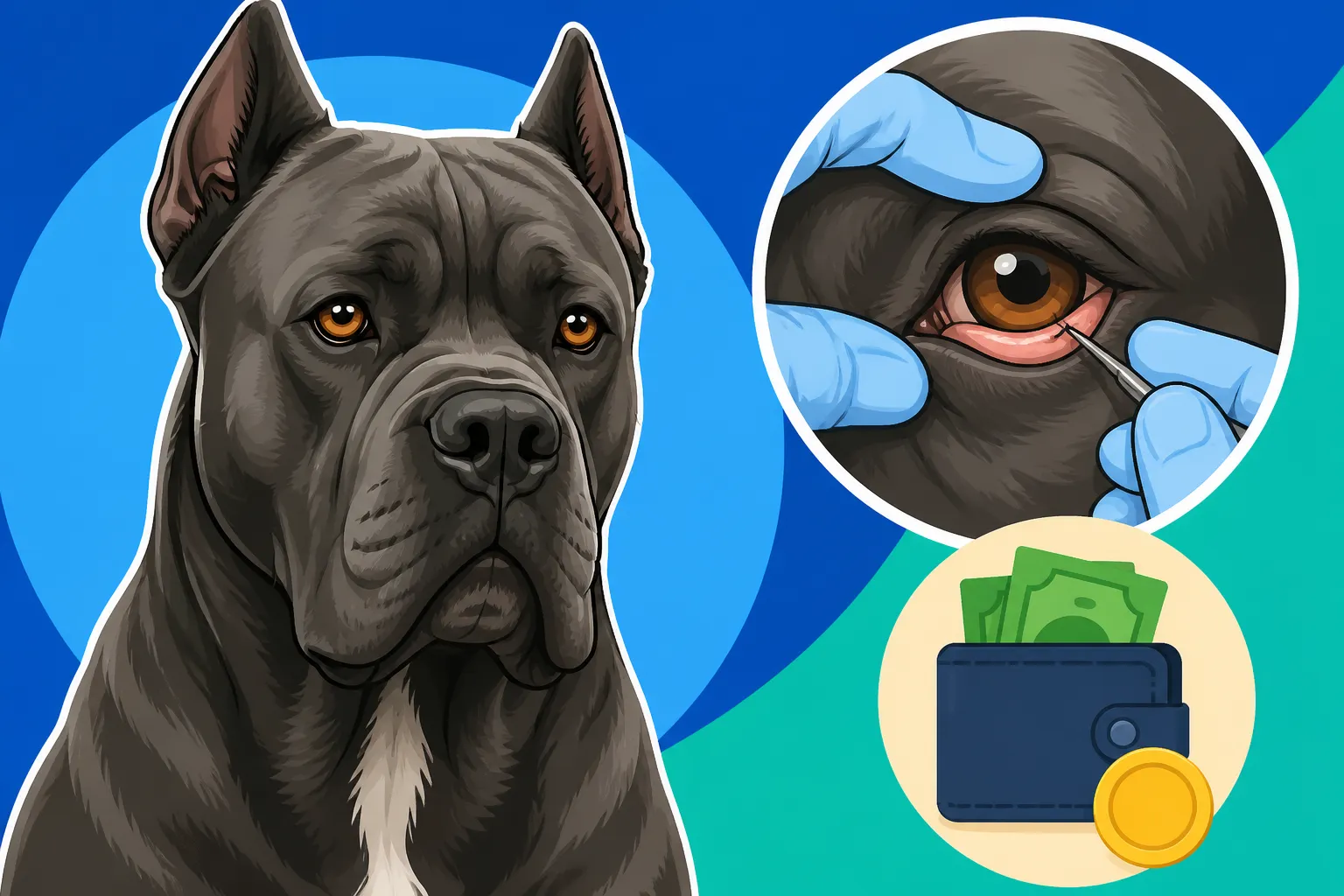
Simply put, entropion is a condition where a section of your dog's eyelid, often the lower one, rolls inward. Imagine having your eyelashes constantly scraping against your eyeball – that's what your Cane Corso experiences. This rubbing causes chronic irritation, pain, and can lead to more serious issues like corneal ulcers or even vision impairment if left unchecked. The thick, sometimes loose skin around a Cane Corso's eyes, part of their distinctive look, often predisposes them to this condition. Their breed standard can sometimes lean towards a slightly looser eyelid, which, while aesthetically desired by some, can also contribute to a higher risk of the lid rolling inward. It's a genetic predisposition, meaning it's something they're born with or develop very early in life, often becoming noticeable in puppyhood. You might even recall reading about this when looking into The Loose Eyelids Nearly Every Cane Corso Owner Meets.
This anatomical trait means that even well-bred Cane Corsos from reputable lines can develop entropion, although responsible breeders strive to minimize its incidence through careful selection. The folds and texture of their skin around the eye can just naturally lend itself to this inward curling, causing daily irritation. It's heartbreaking to see your big, tough dog squinting or rubbing their eyes, clearly in discomfort.
Recognizing the Signs and Symptoms
Catching entropion early is key to preventing prolonged discomfort and more severe eye damage. You might notice your Cane Corso squinting a lot, especially in bright light. Their eyes might appear watery, with excessive tearing, or you could see a thick discharge collecting at the corners. Often, the eye will look red and inflamed, and your dog might rub their face against furniture or paw at their eye in an attempt to relieve the itch or pain. Sometimes, you can even see the eyelid margin clearly rolled inwards, making the lashes disappear or point directly at the cornea.
A classic sign is also a bit of gunk or mucus building up, especially after a nap. Your dog might seem hesitant to open their eyes fully, or you might notice them blinking more rapidly than usual. In some cases, if the corneal surface is scratched, the eye might appear cloudy or dull. These signs can sometimes be subtle, particularly if only a small section of the lid is affected, so a keen eye on your part is crucial. Don't dismiss persistent watery eyes or squinting as just a quirk; it's always worth a closer look and a vet visit.
The Impact of Untreated Entropion
Ignoring entropion isn't just cruel, it's dangerous for your Cane Corso's long-term eye health. The constant friction from the inward-turned eyelid and eyelashes can lead to chronic inflammation of the conjunctiva (the lining of the eyelids and eyeball), recurring eye infections, and, most seriously, corneal ulcers. A corneal ulcer is essentially an open sore on the surface of the eye, which can be incredibly painful and, if deep enough, can rupture the eyeball, leading to permanent blindness or even loss of the eye itself.
Beyond the immediate physical pain and risk of infection, untreated entropion can significantly diminish your dog's quality of life. Imagine living with something constantly irritating your eye – it would affect your mood, your willingness to play, and your ability to see clearly. Your Cane Corso might become withdrawn, less active, or even show signs of aggression due to chronic pain. Over time, the repeated trauma can cause scar tissue to form on the cornea, further impairing vision. This is why addressing the issue, often through surgical correction, is so vital. It’s a common frustration to experience How Loose Lids Give a Cane Corso Chronic Eye Infections, making the surgery seem even more urgent.
Factors Influencing Entropion Surgery Costs
When you’re facing the prospect of entropion surgery for your Cane Corso, the first question that pops into your head, after "Will my dog be okay?", is usually "How much is this going to cost me?" The truth is, there isn't one single price tag. Several variables can significantly impact the final bill, and understanding them can help you budget and make informed decisions.
Geographic Location and Clinic Type
Just like human medical procedures, veterinary costs can vary wildly depending on where you live. A procedure performed in a bustling metropolitan area, like New York City or Los Angeles, will almost certainly be more expensive than the exact same surgery in a rural town in the Midwest. The cost of living, overhead for the veterinary practice, and local competition all play a role in setting prices.
Beyond location, the type of clinic matters. A general practice veterinarian might offer a more affordable rate compared to a board-certified veterinary ophthalmologist. While a general vet can perform many entropion surgeries, a specialist will have advanced training, specialized equipment, and extensive experience with complex eye cases. For simpler, less severe cases, your family vet might be perfectly capable. However, if your Cane Corso has a more complicated entropion presentation, or if a previous surgery has failed, a specialist might be highly recommended, even if it comes with a higher price tag. This is definitely something to discuss with your primary vet when considering The Age a Cane Corso's Entropion Gets Repaired.
Severity of the Condition and Surgical Complexity
Not all entropion cases are created equal. Some Cane Corsos might have a very mild, localized inward roll of a single eyelid, while others might suffer from severe entropion affecting both upper and lower eyelids on both eyes. The more extensive and severe the entropion, the more complex the surgery becomes. A simple procedure might involve removing a small sliver of skin to evert the lid, while a more intricate case might require multiple incisions, specialized suturing techniques, or even grafting procedures.
The complexity directly correlates with the amount of time the surgeon needs in the operating room, the types of instruments used, and the level of post-operative care required. If your Cane Corso has developed corneal ulcers due to the entropion, those secondary issues might also need treatment, adding to the overall cost and complexity. Sometimes, a "temporary tacking" procedure is done on puppies to buy time, which is less expensive initially, but often requires a permanent surgery later on. This also factors into the discussion around What Two Eyelid Surgeries Cost on One Cane Corso.
Anesthesia Protocols and Monitoring
Anesthesia is a significant component of any surgery, and its cost is a reflection of the safety measures involved. For a large breed like a Cane Corso, safe anesthesia requires careful planning and continuous monitoring. This typically includes pre-anesthetic blood work to assess organ function, intravenous fluids to maintain hydration and blood pressure during surgery, and a dedicated veterinary technician to monitor vital signs like heart rate, breathing, blood pressure, and oxygen saturation throughout the procedure.
The type of anesthetic agents used, the duration of anesthesia, and the sophistication of the monitoring equipment all contribute to the cost. Some clinics might offer advanced monitoring options or utilize specialized anesthesia protocols for brachycephalic (short-nosed) breeds or giant breeds, which can increase the price but also enhance safety. You want the absolute best and safest anesthesia for your Cane Corso, so while it adds to the bill, it’s a non-negotiable part of responsible surgery.
The Breakdown of Surgical Expenses
When you receive an estimate for your Cane Corso's entropion surgery, it can look like a long list of unfamiliar terms and numbers. It's helpful to understand what each line item generally represents so you can feel more informed and less overwhelmed. This isn't just one big lump sum; it's a careful accounting of all the services and materials involved.
Initial Consultation and Pre-Operative Diagnostics
Before any surgery can be scheduled, your veterinarian or a veterinary ophthalmologist will need to perform a thorough examination. This initial consultation fee covers their time and expertise in diagnosing the entropion, assessing its severity, and discussing the surgical options. During this visit, they'll likely perform several diagnostic tests.
These typically include a full eye exam, which might involve special stains to check for corneal ulcers, a Schirmer tear test to assess tear production, and possibly tonometry to measure eye pressure. Blood work is almost always required before anesthesia to ensure your Cane Corso's kidneys and liver are functioning properly and that they don't have any underlying conditions that could complicate the surgery or recovery. These pre-operative diagnostics are crucial for ensuring your dog is a good candidate for surgery and for customizing the anesthesia plan, but they do add to the initial cost.
Surgical Procedure and Anesthesia Fees
This is often the largest portion of the bill, encompassing the actual time and skill of the surgeon and the cost of the anesthesia itself. The surgical fee covers the labor involved in performing the precise incisions and suturing required to correct the eyelid defect. As mentioned earlier, the complexity of the surgery directly impacts this fee. For a mild case, it might be a relatively quick procedure, but a severe bilateral (both eyes) entropion could take significantly longer.
The anesthesia fee includes the anesthetic drugs, the equipment used for delivery and monitoring, and the dedicated personnel (usually a veterinary technician) who will be monitoring your Cane Corso's vital signs throughout the surgery. Post-operative pain management, often in the form of injectable pain medications given immediately after surgery, is also typically included in this section. For a large breed like a Cane Corso, ensuring they are comfortable and pain-free is paramount for a smooth recovery, so these costs are well worth it.
Medications and Post-Operative Supplies
Once the surgery is complete, your Cane Corso will need a course of medications to aid in healing and prevent infection. This usually includes oral antibiotics to prevent bacterial infections and anti-inflammatory pain medication to manage discomfort at home. Additionally, you’ll likely be sent home with eye drops or ointments to apply directly to the surgical site, which help with healing and prevent the eye from drying out.
Beyond medications, there are other supplies you might need. An Elizabethan collar (e-collar), often called the "cone of shame," is essential to prevent your Cane Corso from rubbing, scratching, or licking their incision, which could lead to infection or reopening of the sutures. Sometimes, special sterile wipes or cleaning solutions for the eye area are also prescribed. These items might seem minor individually, but together they add up to ensure a proper and uneventful recovery for your Cane Corso. If you need refills on these, places like Chewy are excellent for convenient delivery.
Here's a simplified table illustrating potential cost ranges for entropion surgery, keeping in mind these are very general estimates and can fluctuate greatly:
| Cost Component | Low Estimate (USD) | High Estimate (USD) | Notes |
|---|---|---|---|
| Initial Exam & Consultation | $75 | $200 | Varies by clinic type (general vs. specialist) |
| Pre-Operative Bloodwork | $150 | $300 | Essential for anesthesia safety |
| Anesthesia (including monitoring/fluids) | $300 | $800 | Depends on duration, size of dog, and monitoring sophistication |
| Surgical Procedure (per eye) | $500 | $1500+ | Increases with complexity, severity, and surgeon's expertise |
| Post-Operative Medications (oral & eye) | $50 | $200 | Antibiotics, pain relief, eye drops/ointments |
| E-collar & Post-Op Supplies | $30 | $80 | Necessary to prevent self-trauma |
| Total Estimated Range (per eye) | $1105 | $3080+ | For bilateral surgery, costs are typically higher, often not simply doubled. |
Please remember these figures are illustrative. Always get a detailed estimate from your veterinarian.
Managing the Financial Burden of Entropion Surgery
The costs associated with entropion surgery can feel substantial, especially for a large breed like a Cane Corso where anesthesia and medication dosages are higher. However, several options exist to help manage this financial burden, so don't despair before exploring them. Your Cane Corso's comfort and long-term health are worth investigating every avenue.
Pet Insurance Coverage for Entropion
Pet insurance can be a lifesaver for unexpected veterinary expenses, and entropion surgery often falls into this category. If you enrolled your Cane Corso in a pet insurance plan before the entropion was diagnosed, it's highly likely the surgery would be covered, minus your deductible and co-insurance. This is a crucial point: most pet insurance policies consider pre-existing conditions, so if the entropion was noted in your vet records before your policy started, it might be excluded.
However, if your Cane Corso developed entropion after your policy's waiting period, you could expect coverage for a significant portion of the costs. Plans like Healthy Paws are well-regarded for comprehensive accident and illness coverage, which typically includes surgical procedures. Always check your specific policy details, including deductibles, reimbursement percentages, and any annual limits. Understanding your policy will help you anticipate out-of-pocket costs and can offer immense peace of mind during a stressful time. Starting coverage early is a smart move for any Cane Corso owner, especially when considering Monthly Pet Insurance Premiums on a Cane Corso and even broader topics like whether a Cane Corso policy pays on hip surgery.
Payment Plans and Veterinary Financing Options
If pet insurance isn't an option or doesn't cover the full cost, many veterinary clinics understand the financial strain and offer solutions. Don't be afraid to ask your vet's office about payment plans. Some clinics have in-house plans where you can pay in installments, while others partner with third-party financing companies like CareCredit. These companies offer special financing options, often with deferred interest if paid within a certain promotional period, making it easier to manage large veterinary bills.
Applying for these credit options is usually quick and can provide immediate access to funds for your Cane Corso's surgery. It's always a good idea to discuss these options with your vet's front office staff before the surgery. They can walk you through the application process and help you understand the terms. Having a clear financial plan in place can significantly reduce the stress, allowing you to focus on your dog's recovery. You might find it helpful to look into arranging The Credit Line a Cane Corso Owner Should Arrange for such eventualities.
Considering a Rescue or Shelter with Pre-Paid Care
While this isn't an option for an existing pet, if you are considering bringing a Cane Corso into your home, looking at rescue organizations can sometimes offer a path to pre-addressed health issues. Many reputable Cane Corso rescues invest in the health of their adoptable dogs, often covering necessary surgeries like entropion repair before the dog goes to its forever home. This means the adoption fee, while still an investment, might encompass the cost of such a procedure, saving you significant out-of-pocket expenses down the line.
Adopting from a rescue also often means the dog comes fully vetted, spayed/neutered, and up-to-date on vaccinations. While not all rescue dogs will have entropion, those that do are typically treated. This approach can be a fantastic way to welcome a Cane Corso into your family without the immediate financial worry of a major surgery. It's about finding a win-win: providing a loving home and benefiting from the rescue's commitment to the dog's health.
Post-Operative Care and Potential Follow-Up Costs
The surgery itself is a huge hurdle, but the journey doesn't end there. Proper post-operative care is just as critical to ensuring a successful outcome and preventing complications. It's important to factor these follow-up needs into your budget and time commitment, as they are an integral part of your Cane Corso's healing process.
At-Home Care and Medication Administration
Once your Cane Corso is home from surgery, your primary role shifts to nurse and caretaker. You'll be responsible for administering oral medications, usually antibiotics and pain relievers, exactly as prescribed by your vet. This often means trying to get a large, sometimes stubborn, dog to take pills, which can be a challenge! Eye drops or ointments will also need to be applied multiple times a day, which requires patience and a gentle touch, especially around a sensitive healing eye.
Crucially, your Cane Corso will need to wear an e-collar, or "cone," continuously to prevent them from rubbing or scratching their surgical site. Even if they hate it (and most dogs do), it's non-negotiable for proper healing. Keeping the e-collar on for the entire recommended period, typically 10-14 days, is paramount. You'll also need to monitor the incision site for any signs of infection, excessive swelling, or discharge, and keep the area clean as instructed. This hands-on care is vital to prevent setbacks and ensures the investment you made in surgery truly pays off.
Follow-Up Appointments and Suture Removal
After a few days to a week, your Cane Corso will need to go back to the vet for a follow-up appointment. This visit allows the veterinarian to check the healing progress, ensure there are no immediate complications, and potentially adjust medications. These follow-up exams incur their own consultation fees, although sometimes they might be a reduced rate if they are purely for a quick check.
Typically, around 10 to 14 days post-surgery, the sutures will need to be removed. This is often done during another follow-up appointment. While generally a quick procedure, it might require a very mild sedative for a large, anxious Cane Corso, which would add a small fee. These visits are critical to confirm the surgical correction is holding and that the eye is healing without issues. It's also an opportunity to ask any questions you might have about your Cane Corso's ongoing recovery. This is separate from something like The Yearly Eye Exam a Breeding Cane Corso Needs, as this is directly related to post-surgical care.
Dealing with Complications or Recurrence
While entropion surgery has a high success rate, complications can sometimes arise, and it's essential to be prepared for this possibility. Minor complications might include irritation from the e-collar, temporary swelling, or a slight infection at the incision site, which would necessitate additional vet visits, medications, or even a different type of e-collar. More serious, though rare, complications could include adverse reactions to medication, or issues with suture integrity.
Perhaps the most significant concern is the possibility of recurrence or a need for further correction. Sometimes, especially in severe cases or if the initial surgery was not performed by an ophthalmologist, the eyelid might not fully evert or could roll back in partially, requiring a second, corrective surgery. This would, of course, incur additional costs, potentially restarting the cycle of diagnostics, surgical fees, and post-operative care. This is a crucial point to discuss with your vet before the initial surgery, especially concerning Whether a Cane Corso's Entropion Returns After Surgery. Ensuring excellent post-operative care is your best defense against such outcomes, and understanding the risks helps you remain vigilant. You'll also want to watch out for issues like Dry Eye in a Cane Corso After Lid Surgery, which can occasionally be a side effect.
Disclaimer
This article is for general informational purposes only and does not constitute professional advice. Laws, prices and regulations vary by location and change over time. Consult a qualified professional for guidance on your specific situation.