How Long the Wait Runs on a Tested Cane Corso Litter
It’s a frustrating scenario many prospective Cane Corso owners face: you’ve fallen in love with this magnificent breed, you’re ready to welcome one into your home, and then you discover that getting a puppy from a truly reputable, health-tested breeder isn't a simple "order and collect" process. Instead, you're looking at a waiting game. This guide is here to walk you through why these waits are not just normal, but actually a really good sign, and what to expect during this period, helping you understand the valuable journey to finding your healthy, well-adjusted Cane Corso.
The Real Reasons Behind the Wait for a Health-Tested Cane Corso
When you’re eager to bring a Cane Corso puppy home, finding out there’s a waitlist can feel like a setback. You might even be tempted to look for breeders who have puppies available right now. But that wait, that period of anticipation, is often the very first indicator that you’re dealing with a responsible, ethical breeder who prioritizes the health and future of their dogs above all else. It's not about making you wait; it's about making sure the wait is worth it for a truly sound companion.
Quality Over Quantity: The Responsible Breeder's Approach
A reputable Cane Corso breeder isn't running a puppy factory. Their focus isn't on churning out as many puppies as possible to meet demand. Instead, they are deeply invested in preserving the breed, ensuring that each litter contributes positively to the Cane Corso's genetic health, temperament, and adherence to the breed standard. This commitment naturally limits the number of litters they produce.
Think about it this way: a good breeder often breeds only one or two litters a year, if that. They might have a specific female they want to breed, but only if she's mature enough, healthy enough, and has recovered fully from any previous litters. They're not going to breed a female back-to-back just because there's a long list of eager buyers. This meticulous planning is a stark contrast to "backyard breeders" or "puppy mills" who breed frequently, often without proper health checks or concern for the well-being of the parent dogs, let alone the puppies. The best breeders are essentially curators of the breed, carefully selecting pairings based on extensive research into pedigrees, health clearances, and temperament evaluations, ensuring they are only breeding the best examples of the Cane Corso.
Furthermore, a dedicated breeder spends an incredible amount of time, energy, and financial resources on their dogs. This includes showing them to prove their conformation against the breed standard, training them for various titles, and simply raising them as beloved family members. All of this groundwork contributes to a limited breeding schedule, as each litter is a significant undertaking that requires full dedication and resources. The goal is to produce exceptional puppies, not just any puppies.
The Extensive Health Testing Protocol
One of the biggest factors contributing to the waitlist is the rigorous health testing that responsible Cane Corso breeders undertake. These aren't just quick vet check-ups; they are comprehensive screenings designed to minimize the risk of passing on genetic predispositions to serious health issues common in large breeds. This commitment to health means that the breeding dogs must reach certain ages before some of these tests can be performed definitively.
For example, certifications for hips and elbows, which are crucial for a breed as large and powerful as the Cane Corso, typically cannot be finalized until the dog is two years old. This means a breeder must wait two full years from a dog's birth before they can even consider that dog for breeding in good conscience. Beyond orthopedic concerns, responsible breeders also screen for heart conditions, eye diseases, and a panel of DNA tests for specific genetic ailments that can affect the breed. You can learn more about these critical screenings in articles like Hips and Elbows a Cane Corso Must Be Cleared On, The Cardiac Exam Behind a Cane Corso's Clearance, and The Two DNA Diseases in Cane Corso Pedigrees.
These tests aren't inexpensive, nor are they instant. The results need to be reviewed by specialists and often submitted to registries like OFA (Orthopedic Foundation for Animals) or PennHIP, which takes time. If a breeder is truly transparent, they'll happily share the results of these tests with you, demonstrating their commitment to producing healthy puppies. Without these clearances, a breeder is essentially breeding blind, risking producing puppies with devastating health problems that will lead to heartbreak and immense veterinary bills down the line for you, the owner. The waiting period ensures that these vital steps are not rushed or skipped.
Demand Versus Availability
It's a simple economic truth: high demand and limited supply lead to waiting lists. Because truly well-bred, health-tested Cane Corsos are relatively rare compared to the general desire for the breed, reputable breeders inevitably have more interested families than they have puppies. People who have done their research understand the value of a puppy from a healthy lineage with a solid temperament, and they are willing to wait for it.
The reputation of a good breeder grows through word of mouth, positive experiences, and the quality of the dogs they produce. This creates a cycle where more people seek out their puppies, leading to longer waitlists. It's not uncommon for a breeder to have a waiting list that stretches a year or even longer for a particular pairing or if they only breed sparingly. This isn't a marketing tactic; it's a consequence of their ethical breeding practices and the high regard in which their dogs are held. When you see a breeder with a long waitlist, it’s generally a sign that they are doing things right, and that their puppies are highly sought after for all the best reasons.
Navigating the Waiting List Experience
So, you've found a reputable breeder, you've seen their clearances, and you're ready to commit to a puppy from them. Now comes the practical side of being on a waiting list. It can feel a bit like applying for college, with applications and interviews, but it's all part of the process of ensuring these magnificent dogs go to the right homes.
Getting on a Reputable Breeder's List
The first step usually involves filling out a detailed application. This isn't meant to be intrusive; it's how a breeder gets to know you, your lifestyle, your living situation, and your experience with dogs, especially large, powerful breeds like the Cane Corso. They want to ensure their puppies are going to homes that are well-equipped to handle them and provide a lifetime of care and commitment. You might be asked about your fencing, your work schedule, your family dynamic, and your understanding of the breed's needs.
Following the application, many breeders will conduct an interview, either by phone or in person. This is a two-way street; it's your chance to ask them questions too, about their breeding philosophy, the specific parents, and what support they offer. Don't be shy about asking for references from previous puppy buyers. If a breeder seems hesitant to answer your questions or provide information, that’s a significant red flag.
Once both parties feel it’s a good fit, you’ll typically be asked to place a deposit to secure your spot on the waiting list. This deposit signifies your serious intent and helps the breeder plan for future litters. You can often find more specific information about this in articles like The Deposit a Cane Corso Breeder Asks For. Be sure to understand the breeder's policy regarding deposits, including whether it's refundable or transferable to another litter if circumstances change on either side. A transparent contract outlining these terms is a must.
Understanding Litter Planning and Timing
Even with the best planning, breeding dogs is not an exact science. A breeder might have a female they intend to breed, but there are many variables that can affect the timing and success of a litter. For instance, a female might not come into season when expected, or she might have a "slip heat." She might not conceive after breeding, or the litter size could be much smaller than anticipated. These are natural occurrences that are beyond a breeder's control, but they directly impact wait times.
Good breeders also typically breed only when they have a genuine purpose behind the litter, often meaning they plan to keep a puppy or two themselves for future showing or breeding programs. This means they are not just breeding to fill orders but are invested in the next generation. This meticulous approach means that sometimes, even if you're high on a waiting list, you might wait longer if the planned litter doesn't happen as expected, or if the puppies produced don't quite match what the breeder was hoping for in terms of type or temperament for specific placements.
A breeder will usually give you an estimated timeframe, but it’s important to understand that this is an estimate, not a guarantee. They might say, "We expect a litter in six months," but that could easily become nine months or more depending on nature's course. Patience truly is a virtue in this process, as you are waiting for living, breathing animals, not manufactured goods.
The Journey from Conception to Go-Home Day
Once a successful breeding has occurred and pregnancy is confirmed, the clock really starts ticking, but there's still a significant journey before puppies are ready for their new homes. The gestation period for a Cane Corso, like most dogs, is approximately 63 days. After birth, the puppies require intensive care from the breeder for at least eight weeks, which is the minimum age most reputable breeders will allow puppies to leave their mother and littermates. This period is crucial for proper socialization, development of bite inhibition, and learning canine communication skills from their mother and siblings.
During these eight weeks, the breeder is responsible for early neurological stimulation, proper nutrition, vet checks, deworming, and initial vaccinations. This also includes temperament testing, which often happens around 7-8 weeks of age. This testing helps the breeder match the right puppy with the right family, ensuring that a puppy's personality aligns with the prospective owner's lifestyle and experience. For example, a very dominant or high-drive puppy wouldn't be suited for a first-time dog owner or a very quiet household. The breeder will often make the final decision on puppy placement based on these evaluations and their deep understanding of each puppy's individual character. Getting a puppy ready also involves starting initial training, such as crate exposure and potty training. Knowing their The Shot Schedule Before a Cane Corso Puppy Goes Out is also essential for safe integration into your home and community.
This entire process, from conception to the day you bring your puppy home, can easily span several months. It's a significant commitment for the breeder, and the care provided during this crucial developmental window sets the foundation for your future companion.
What to Expect During Your Wait
The waiting period isn't just passive time; it's an opportunity. It's a chance to build a relationship with your breeder, learn more about the breed, and prepare your home for the arrival of your new family member. A good breeder will encourage this engagement and see it as part of their commitment to their puppies.
Communication and Transparency from Your Breeder
During your wait, a reputable breeder will maintain open lines of communication. They should provide updates on their breeding dogs, confirmation of pregnancy, and eventually, exciting news about the birth of the litter. Expect regular photos and videos of the puppies as they grow, reaching different milestones. This transparency helps you feel connected to the process and reassured that everything is proceeding as it should.
A good breeder will also be available to answer your questions throughout this period. They will be a wealth of knowledge on Cane Corso care, training, and health. This ongoing support is invaluable, especially for first-time Cane Corso owners. If a breeder goes silent, is hard to reach, or seems evasive when you ask for updates or information, consider it a serious red flag. You should feel comfortable and confident in your breeder, as they are your partner in bringing a healthy puppy into your life. They should also be transparent about things like The Papers a Cane Corso Breeder Should Hand Over and what those mean for your puppy.
Preparing for Your Cane Corso's Arrival
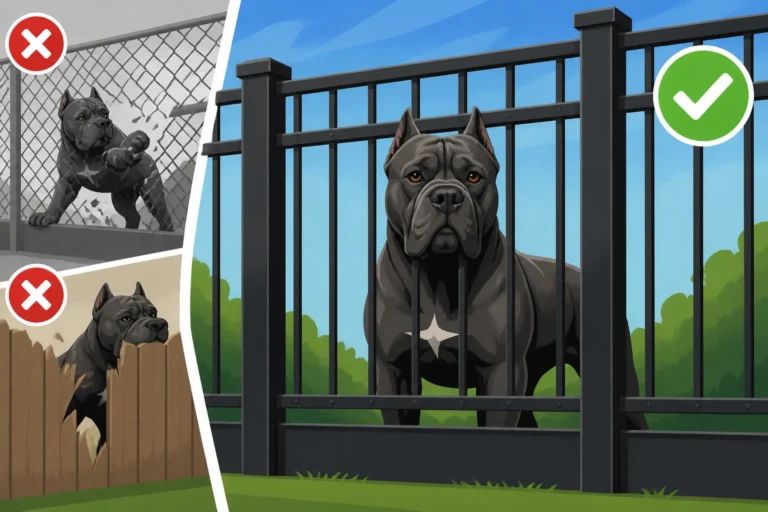
The months leading up to your puppy's arrival are the perfect time for preparation. This isn't a small dog you're bringing home; a Cane Corso requires specific gear, space, and a well-thought-out plan. Start by puppy-proofing your home and yard. Secure anything a curious puppy might chew or ingest, and ensure your fencing is appropriate for a large, powerful dog.
Next, gather your supplies. This includes a sturdy crate large enough for an adult Cane Corso, appropriate collars and leads (a regular flat collar and a training collar, perhaps a front-clip harness), food and water bowls, and a good quality large-breed puppy food. Consider durable chew toys that can stand up to a Cane Corso's powerful jaws. You can find many of these items easily through online retailers like Chewy, which offers a vast selection of supplies for giant breeds. For food, explore options like Ollie, which can offer tailored, fresh food plans, though always discuss dietary changes with your breeder first. Think about what kind of bed will actually withstand a Cane Corso's weight and playful nature. Take a look at Crates, Collars and Leads Sized for a Cane Corso for specific recommendations.
Beyond physical items, this is also the time to educate yourself. Read up on Cane Corso training, socialization, and common health concerns. Consider enrolling in puppy classes even before your puppy arrives, as some offer pre-puppy consultations. The financial investment in training will pay dividends throughout your dog's life, so budgeting for The Training Bill a Cane Corso Owner Cannot Skip is wise. Understanding basic obedience commands and positive reinforcement methods will give you a head start.
Financial Planning for Your New Companion
While you're waiting for your puppy, it's also a prime opportunity to get your finances in order for the significant, ongoing costs of Cane Corso ownership. The initial purchase price, which can range widely, is just the beginning. You can typically see pricing discussed in articles like What a Cane Corso Puppy Sells For in 2026, but remember that prices fluctuate and a truly health-tested puppy will be on the higher end of the spectrum.
Beyond food, training, and routine vet care, Cane Corsos, like many large breeds, are prone to certain health issues such as hip and elbow dysplasia, bloat, and certain eye conditions. These can lead to expensive surgeries or long-term medication. This is where pet insurance becomes a critical consideration. Researching different providers like Healthy Paws, and understanding their coverage, deductibles, and exclusions, can save you a significant amount of stress and money down the line. Starting coverage as early as possible can help ensure that potential issues aren't deemed "pre-existing conditions." You can delve deeper into this topic by reading Monthly Pet Insurance Premiums on a Cane Corso and The Surgeries Every Cane Corso Owner Should Budget For.
It's wise to set up a dedicated savings account for your dog's future needs, even with insurance. This financial preparation ensures that when your Cane Corso inevitably needs veterinary attention, you are ready to provide the best care without financial strain. Think about it: a responsible breeder has done everything they can to minimize inherited health risks, but no living creature is immune to illness or accident. Being prepared financially is a huge part of responsible ownership. Also, understanding Whether a Cane Corso Health Guarantee Is Worth Anything can help you assess a breeder's post-sale commitment.
Here’s a table outlining a typical timeline for the Cane Corso puppy journey, from planning to coming home:
| Stage of Process | Typical Duration | Key Breeder Actions | Your Actions During This Stage |
|---|---|---|---|
| Initial Research & Application | 1-3 months (or longer) | Breeder reviews applications, conducts interviews. | Research breeders, submit application, interview. |
| Waitlist (Pre-Breeding) | 3-12+ months | Breeder plans pairings, awaits female's heat cycle. | Place deposit, communicate with breeder, educate yourself. |
| Breeding & Pregnancy | ~2 months | Confirms pregnancy, prepares whelping area. | Follow updates, puppy-proof home, gather supplies. |
| Puppy Rearing (Birth to 8 weeks) | 8 weeks | Daily care, socialization, vet checks, temperament tests, vaccinations. | Receive photos/videos, prepare for pick-up, plan training. |
| Go-Home Day | Day 1 and beyond | Provides health records, registration papers, transition food. | Pick up puppy, begin bonding and training. |
The wait for a health-tested Cane Corso litter can indeed feel long, sometimes stretching for many months or even over a year. However, this period is a testament to the dedication of ethical breeders who prioritize health, temperament, and the long-term well-being of their dogs. It allows for rigorous health clearances, thoughtful breeding choices, and the crucial early development of the puppies under expert care. By understanding this process and using the waiting time to prepare thoroughly, you ensure that when your magnificent Cane Corso finally arrives, you are ready to welcome a healthy, well-adjusted companion into a well-prepared, loving home. The patience invested upfront will be richly rewarded with a loyal and magnificent family member for years to come.
Disclaimer
This article is for general informational purposes only and does not constitute professional advice. Laws, prices and regulations vary by location and change over time. Consult a qualified professional for guidance on your specific situation.