The Surgeries Every Cane Corso Owner Should Budget For
There's nothing quite like the overwhelming joy and immense responsibility that comes with bringing a majestic Cane Corso into your life. These magnificent dogs quickly become integral family members, with their loyal hearts and protective instincts. But as with any large, powerful breed, responsible ownership means being prepared for potential health challenges, and frankly, the often-staggering costs associated with keeping them healthy. It's a harsh reality that many devoted owners face: the emotional and financial strain when your beloved Corso needs significant veterinary intervention. This guide aims to prepare you for the types of surgeries a Cane Corso might require throughout their life, offering realistic insights into the procedures, recovery, and crucially, the financial commitments involved, so you can plan ahead and ensure your companion receives the best possible care.
Orthopedic Woes: Navigating Joint and Bone Surgeries
Cane Corsos, with their rapid growth and impressive size, are unfortunately prone to a range of orthopedic issues. These aren't just minor aches and pains; they can be debilitating conditions requiring serious surgical intervention to restore comfort and mobility. Ignoring these signs can lead to chronic pain and a significantly diminished quality of life for your dog.
Hip Dysplasia Interventions
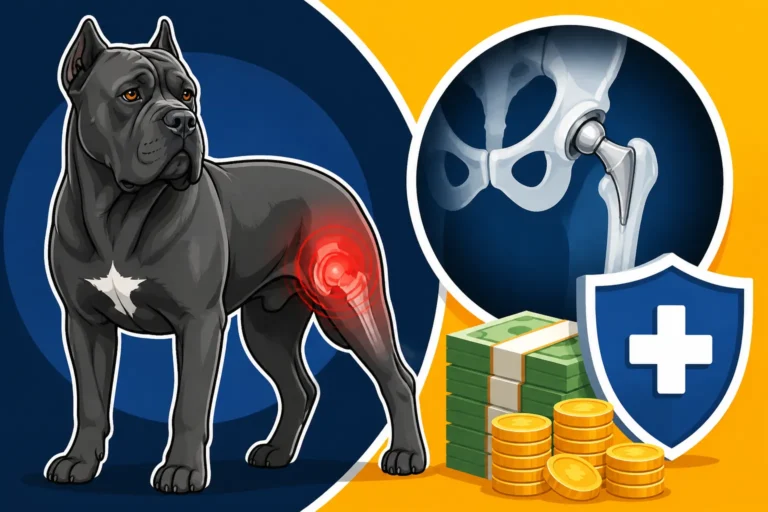
Hip dysplasia is a genetic condition where the hip joint doesn't form properly, leading to a loose joint that can cause pain, arthritis, and lameness. It's a common concern for many large breeds, and Cane Corsos are no exception. The signs might start subtle: a slight limp after exercise, difficulty rising, or a reluctance to jump. As the condition progresses, you might notice a more pronounced "bunny hop" gait or muscle loss in the hindquarters. Diagnosis typically involves physical examination and X-rays, often performed by a veterinary orthopedic specialist. Many reputable breeders will have their breeding dogs' hips cleared, and understanding Hips and Elbows a Cane Corso Must Be Cleared On is crucial when selecting a puppy.
When conservative management (pain medication, joint supplements, physical therapy, weight management) isn't enough, surgery becomes necessary. One common procedure is a Femoral Head Ostectomy (FHO), where the head of the femur is removed, allowing a "false joint" to form. This can relieve pain, especially in smaller dogs or those with less severe dysplasia, but may not restore full function. For more severe cases, or for dogs that are still young and active, a Total Hip Replacement (THR) is often the gold standard. This involves replacing the damaged ball and socket of the hip with prosthetic implants, offering excellent pain relief and restoration of function. However, THR is a highly specialized and expensive procedure, requiring extensive post-operative rehabilitation. It's truly life-changing for many dogs but comes with a significant price tag and recovery commitment. For a fast-growing Cane Corso, early diagnosis of Hip Dysplasia in a Fast Growing Cane Corso is key to discussing options with your vet.
Recovery from hip surgery, especially a THR, is a long and dedicated process. It involves strict activity restriction for weeks, followed by a gradual return to exercise through guided physical therapy. This therapy can include hydrotherapy, therapeutic exercises, and massage to rebuild muscle strength and improve range of motion. The costs associated with these surgeries are substantial, typically ranging from $3,500 to $7,000 per hip for an FHO and $6,000 to $12,000 per hip for a THR, depending on your location, the specialist's fees, and the complexity of the case. These figures usually encompass the pre-operative diagnostics, the surgery itself, anesthesia, hospitalization, and initial medications. However, they often don't include the many weeks or months of physical therapy that follow, which can add hundreds, if not thousands, more to the overall bill.
Elbow Dysplasia and Front Limb Issues
Just like their hips, Cane Corsos can also suffer from elbow dysplasia, another complex genetic condition affecting the elbow joint. This often manifests as lameness in the front limbs, which might be subtle at first, especially in a stoic breed. You might notice stiffness, a reluctance to bear weight, or a "paddling" gait. The condition actually encompasses several developmental abnormalities, including fragmented coronoid processes, ununited anconeal processes, and osteochondrosis dissecans (OCD) of the humeral condyle. All these issues lead to an ill-fitting joint, causing pain and progressive arthritis. Understanding Elbow Dysplasia and a Cane Corso's Front End is vital for early detection.
Diagnosis usually involves physical examination, gait analysis, and specialized X-rays of the elbows. Sometimes, a CT scan might be recommended for a more detailed view of the joint's intricate structures. The primary surgical approach for elbow dysplasia is arthroscopy, a minimally invasive procedure where a small camera and instruments are inserted into the joint to remove fragmented cartilage or bone. This method allows for faster recovery and less pain compared to traditional open surgery. However, in severe cases, or if significant arthritis has already developed, other procedures like ulna osteotomy might be considered, or even, in rare and very severe circumstances, total elbow replacement, which is even more specialized and expensive than hip replacement.
Post-operative care for elbow surgeries typically involves a period of rest, followed by controlled exercise and physical therapy. The goal is to reduce pain, improve joint function, and slow the progression of arthritis. While arthroscopy is less invasive, recovery still requires diligence to ensure proper healing and prevent re-injury. The costs for arthroscopic elbow surgery can range from $3,000 to $6,000 per elbow, depending on the specific findings and necessary interventions. This again covers the diagnostic workup, the surgical procedure, anesthesia, and initial post-op care. Long-term management often includes joint supplements, anti-inflammatory medications, and continued weight management to minimize stress on the affected joints.
Cruciate Ligament Tears and Other Traumatic Injuries
Cruciate ligament tears are one of the most common orthopedic injuries in dogs, especially active, large breeds like Cane Corsos. The cranial cruciate ligament (CCL), similar to the ACL in humans, stabilizes the knee joint. A tear can occur suddenly during vigorous play, a misstep, or a sudden change in direction, or it can be a degenerative process that worsens over time, leading to a partial or complete rupture. When this happens, the knee becomes unstable, causing significant pain and lameness. You'll likely see your Corso suddenly hold up a hind leg, or walk with a severe limp that doesn't resolve.
There are several surgical techniques to stabilize a torn CCL, with the most common and often recommended for large breeds being Tibial Plateau Leveling Osteotomy (TPLO) or Tibial Tuberosity Advancement (TTA). Both procedures involve changing the biomechanics of the knee joint to eliminate the need for the torn ligament, effectively creating a stable knee. A third, older option is Extracapsular Repair (lateral suture technique), which uses a strong suture placed outside the joint to mimic the ligament's function, but this is less often recommended for very large or active dogs due to higher failure rates.
TPLO and TTA are complex, highly skilled surgeries, often performed by board-certified veterinary surgeons. The recovery period is extensive, requiring strict confinement, limited activity, and a comprehensive rehabilitation program for several months to ensure successful healing and return to function. This typically involves a combination of at-home exercises and professional physical therapy sessions, similar to human athletes recovering from knee surgery. The costs for TPLO or TTA surgery can range from $4,000 to $8,000 per knee, sometimes even higher in specialty centers, encompassing diagnostics (including advanced imaging like MRI in some cases), the surgery itself, anesthesia, pain management, and initial post-operative appointments. The ongoing physical therapy costs can add another $1,000 to $3,000 or more, making these among the most expensive single surgeries your Cane Corso might face.
The Bloat Emergency: Gastric Dilatation-Volvulus
Few veterinary emergencies strike as much fear into the hearts of large breed owners as Gastric Dilatation-Volvulus (GDV), commonly known as bloat. This truly life-threatening condition is a particular risk for deep-chested breeds like the Cane Corso, and understanding it is paramount for any owner.
Understanding and Preventing GDV
Bloat occurs when a dog's stomach fills with gas and twists on its axis, cutting off blood supply and trapping the gas, food, and fluids inside. This rapidly becomes a medical crisis, causing severe pain, shock, and potentially organ damage. Within hours, it can be fatal if not treated immediately. The exact causes aren't fully understood, but risk factors for Cane Corsos include their deep chest conformation, eating one large meal a day, eating rapidly, exercising too close to meals, and stress. The symptoms can be subtle at first: restlessness, pacing, unproductive retching (trying to vomit but nothing comes up), drooling, and a distended, hard abdomen. Knowing Bloat and What a Cane Corso's Deep Chest Costs is not just about financial preparedness, but also about the gravity of the condition.
Given the breed's predisposition and the emergency nature of GDV, many Cane Corso owners opt for a preventive surgery called gastropexy. This procedure involves surgically tacking the stomach to the abdominal wall, preventing it from twisting. While it doesn't prevent the stomach from dilating (filling with gas), it does prevent the life-threatening volvulus (twisting). A gastropexy can be performed as a standalone laparoscopic procedure (minimally invasive) or, more commonly, at the same time as a spay or neuter. Deciding Whether a Cane Corso Should Have a Preventive Gastropexy is a serious discussion to have with your veterinarian, but for many, the peace of mind it offers is invaluable.
The cost of a prophylactic gastropexy varies but typically ranges from $400 to $1,000 as an add-on during a spay/neuter, or $800 to $2,000 for a laparoscopic standalone procedure. These costs are significantly less than the emergency surgery for actual bloat, highlighting the preventative value. The recovery from a prophylactic gastropexy is usually straightforward, especially if combined with another routine surgery, involving a few weeks of restricted activity and careful monitoring. It’s a relatively small investment that can prevent a much larger, and potentially tragic, emergency down the line.
Emergency Bloat Surgery and Recovery
If a Cane Corso develops GDV and hasn't had a preventive gastropexy, emergency surgery is the only course of action. This is a critical, complex, and time-sensitive procedure. Upon arrival at the emergency vet, initial stabilization will involve administering IV fluids for shock, pain medication, and attempting to decompress the stomach with a tube or needle. Once stable enough, the dog is rushed into surgery. The surgeon must carefully de-rotate the stomach, assess any damage to the stomach wall or other organs, and then perform a gastropexy to prevent recurrence. In some severe cases, parts of the stomach or spleen may be so damaged that they need to be removed, which further complicates the surgery and recovery. Recognizing Bloat in a Cane Corso Before It Turns is incredibly important, as every minute counts.
The costs for emergency bloat surgery are substantial, typically ranging from $3,000 to $8,000, or even higher in large metropolitan areas or if complications arise. This comprehensive fee covers the initial emergency stabilization, the complex surgery, extensive anesthesia monitoring, several days of intensive care hospitalization (often including IV fluids, medications, and round-the-clock monitoring), and follow-up care. The recovery period is intense, requiring careful monitoring for complications such as cardiac arrhythmias, infections, or further stomach issues. Dogs often need prescription diets, small frequent meals, and strict activity restriction for weeks.
The emotional toll on owners during an emergency bloat situation is immense, often involving late-night decisions under extreme stress. The financial burden can be equally crushing, which is why preventive measures and financial planning are so important for Cane Corso owners. Even with successful surgery, there's always a risk of complications, and a deep understanding of the recovery process is essential for ensuring the best possible outcome for your brave companion.
Eyesight and Eyelid Repairs: Protecting Those Expressive Eyes
A Cane Corso's expressive eyes are a defining feature, but they can also be prone to several hereditary conditions requiring surgical correction. Early detection and intervention are key to preventing chronic discomfort, infections, and even vision loss.
Entropion and Ectropion Correction
One of the most common eye issues in Cane Corsos is loose eyelids, specifically entropion and ectropion. Entropion is a condition where the eyelid rolls inward, causing the eyelashes and fur to rub against the cornea. This constant irritation leads to pain, excessive tearing, conjunctivitis, corneal ulcers, and potentially vision impairment if left untreated. Conversely, ectropion is when the eyelid rolls outward, exposing the delicate conjunctiva and leaving the eye vulnerable to dryness, irritation from foreign bodies, and infections. For many owners, The Loose Eyelids Nearly Every Cane Corso Owner Meets can be a frustrating and recurring problem. Entropion in a Cane Corso's Lower Lid is particularly prevalent.
Diagnosis is usually straightforward, involving a visual examination by a veterinarian or a veterinary ophthalmologist. The treatment for both conditions is surgical correction, aimed at repositioning the eyelids to their normal anatomical position. In puppies, a temporary "tacking" procedure might be performed, where sutures are placed to roll the eyelid outward or inward, allowing the puppy to grow into their skin. This is often successful, but permanent surgical correction is typically performed once the dog has reached full adult size, around 12 to 18 months, as the facial structure stabilizes.
The surgery itself involves removing a small strip of skin from the affected eyelid to tighten or loosen it, depending on the condition. This procedure, known as blepharoplasty, is precise and requires a skilled surgeon to achieve the correct tension and avoid overcorrection. The costs for entropion or ectropion surgery can range from $500 to $1,500 per eye, potentially more if performed by a specialist. These costs usually cover the pre-operative consultation, the surgical procedure, anesthesia, and post-operative medications. Recovery involves wearing an Elizabethan collar (E-collar) to prevent the dog from rubbing or scratching the surgical site, along with eye drops or ointments to prevent infection and reduce inflammation. In some cases, a second surgery might be necessary if the initial correction isn't perfect, adding to the overall cost and recovery time.
Cherry Eye Repair
Cherry eye is another relatively common ophthalmic issue seen in Cane Corso puppies and young adults. It occurs when the gland of the third eyelid, normally tucked away and unseen in the inner corner of the eye, prolapses or "pops out," appearing as a red, swollen mass – much like a cherry – at the corner of the eye. This gland is crucial for tear production, contributing a significant portion of the eye's natural lubrication. The Cherry Eye a Cane Corso Puppy Shows at Four Months can be quite alarming for new owners.
While it might look painful, dogs are often more bothered by the obstruction and potential for infection or dryness of the exposed gland. Left untreated, the prolapsed gland can become irritated, dry, and lead to reduced tear production, predisposing the dog to dry eye (keratoconjunctivitis sicca) later in life. Diagnosis is simple; it's visually evident. The treatment is almost always surgical, as non-surgical approaches are rarely successful in the long term for Cane Corsos.
The preferred surgical method for cherry eye is to replace the gland back into its normal position and secure it with sutures, often using a "pocket technique." It's crucial to reposition the gland rather than remove it, as removing it significantly increases the risk of dry eye, which is a lifelong and costly condition to manage. However, in some complex or recurrent cases, partial removal might be considered as a last resort. The cost for cherry eye surgery typically ranges from $800 to $2,000 per eye, depending on the vet's fees, location, and the complexity of the prolapse. Recovery involves an E-collar, eye drops, and close monitoring for swelling or recurrence. It’s not uncommon for cherry eye to affect both eyes, either at the same time or sequentially, doubling the surgical and recovery commitment.
Unwelcome Growths and Cancer Battles: Preparing for Oncology Costs
As Cane Corsos age, or even sometimes in younger individuals, the appearance of lumps and bumps becomes a common concern. While many are benign, some can be malignant, leading to costly and emotionally taxing cancer treatments. Being prepared for these possibilities is a crucial aspect of responsible ownership.
Benign and Malignant Skin Tumors
It’s almost a rite of passage for owners of older Cane Corsos to discover a new lump or bump. These can range from harmless fatty tumors (lipomas) or sebaceous cysts to more concerning mast cell tumors or melanomas. While a small, slow-growing lump might not seem urgent, any new growth should be checked by your veterinarian. The location, size, and rate of growth are all important factors, but only diagnostic testing can definitively determine if a mass is benign or malignant.
Initial diagnosis often involves a fine needle aspirate (FNA), where a small sample of cells is collected with a needle and examined under a microscope. If the FNA is inconclusive or suggests malignancy, a biopsy (surgical removal of a small piece of the mass) or complete surgical excision of the mass is typically recommended for definitive diagnosis and treatment. Even benign growths like large lipomas, if they are in an awkward location or growing rapidly, may require surgical removal to prevent discomfort or mobility issues.
The cost of surgical excision for skin tumors varies widely based on size, location, and the complexity of the procedure. A small, superficial mass might cost $300 to $800 to remove, including pathology. Larger, deeper, or more complex masses requiring reconstructive skin flaps could easily run $1,000 to $3,000. If the mass is malignant (e.g., a mast cell tumor), additional procedures like wider surgical margins (removing more surrounding tissue) or follow-up radiation therapy might be necessary, significantly increasing the overall cost. For instance, a mast cell tumor might involve advanced diagnostics like lymph node biopsies or abdominal ultrasound to check for spread, adding thousands to the bill. Regular checks and early intervention are key to keeping these costs down and improving prognosis.
Internal Cancers and Advanced Treatments
While external lumps are often visible, some of the most aggressive and costly cancers in Cane Corsos can develop internally. Two significant ones to be aware of are osteosarcoma (bone cancer) and hemangiosarcoma (a highly aggressive cancer originating in blood vessel lining, often found in the spleen or heart). These diagnoses are devastating and typically require extensive and expensive treatments. For a Cane Corso, a sudden lameness might be an orthopedic issue, but it could also be Bone Cancer in a Cane Corso's Front Leg, a truly grim prognosis. Similarly, a sudden collapse in an older dog might point to Spleen Tumors in an Older Cane Corso.
Diagnosing internal cancers usually involves a comprehensive workup, including blood tests, X-rays, ultrasound, and often advanced imaging like CT scans or MRIs to determine the extent of the disease and if it has spread. For osteosarcoma, initial diagnosis is often made via X-ray, followed by a biopsy. Treatment almost always involves amputation of the affected limb to remove the primary tumor, followed by chemotherapy to slow the spread of microscopic disease, as osteosarcoma is highly metastatic. The cost of amputation can range from $2,500 to $5,000, and a course of chemotherapy can add another $3,000 to $8,000 or more, depending on the protocol and number of sessions.
Hemangiosarcoma is often a silent killer, presenting with sudden collapse due to internal bleeding from a ruptured tumor, typically on the spleen. Emergency surgery (splenectomy) is required to remove the ruptured spleen and stop the bleeding. The cost for emergency splenectomy, including diagnostics, surgery, and intensive post-operative care, can range from $4,000 to $9,000. Even after successful surgery, chemotherapy is recommended to target the aggressive microscopic disease, which usually costs thousands more. Prognosis for these aggressive cancers, even with surgery and chemotherapy, can be guarded, but these treatments can extend a dog's life and improve its quality. The emotional and financial strain during these battles is immense, underscoring the need for financial preparedness.
Dental Health and Other Surprises: Beyond the Major Procedures
While orthopedic issues, bloat, and cancer often grab the headlines due to their severity and cost, everyday veterinary care, including dental health, can also lead to significant surgical expenses. Moreover, dogs, being dogs, are prone to unpredictable accidents and illnesses that can necessitate emergency surgery.
Comprehensive Dental Surgery
Many owners mistakenly believe dental care for their Cane Corso simply means brushing their teeth, or maybe an occasional professional cleaning. While these are vital, sometimes a professional dental cleaning, which requires anesthesia, reveals more serious underlying issues. Dogs can suffer from fractured teeth, severe periodontal disease leading to bone loss, or even retained deciduous (puppy) teeth that can cause overcrowding and malocclusion. A powerful chewer like a Cane Corso can easily fracture a molar on a hard chew, leading to pain and potential infection, necessitating extraction or a root canal.
Dental surgery, especially extractions, often involves X-rays to assess the tooth roots and jawbone, followed by surgical removal of the affected teeth. Given the size of a Cane Corso, the anesthesia alone is a significant cost factor, and then there's the skill required for complex extractions. The cost for a comprehensive dental cleaning with extractions can range from $800 to $2,500 or more, depending on the number and complexity of extractions, the need for specialized equipment (like a dental drill or bone burrs), and the length of anesthesia. This usually includes pre-anesthetic bloodwork, anesthesia monitoring, the dental procedure itself, pain medication, and antibiotics.
Recovery from extensive dental surgery involves soft food, pain management, and sometimes antibiotics. It's a reminder that good preventative dental hygiene at home is not just about fresh breath; it's about avoiding painful and expensive surgical interventions down the line. Many pet food retailers, like Chewy, offer a variety of dental chews and brushes designed for large breeds, which can help in your preventative efforts.
Other Unexpected Surgical Needs
Beyond the common breed-specific conditions, life with a Cane Corso, or any dog, is unpredictable. Accidents happen, and sometimes they require emergency surgery. Your Corso might ingest a foreign object – a sock, a toy, or a piece of furniture – leading to an intestinal obstruction that requires immediate surgical removal. These surgeries are highly urgent and can cost $3,000 to $7,000, including diagnostics (X-rays, ultrasound), surgery, and hospitalization. Another common scenario is a deep wound from a dog fight, an accident in the yard, or an impact injury. These often require extensive cleaning, debridement (removal of damaged tissue), and surgical closure, sometimes involving drains, costing hundreds to thousands depending on severity.
Even seemingly minor issues can escalate. For instance, in older male Cane Corsos, perineal hernias (where abdominal contents protrude into the perineal region) can develop, requiring complex surgical repair. Or a severe skin infection or abscess might need surgical drainage. These "other" surgeries are often less predictable than breed-specific predispositions but can be equally devastating to your wallet. Having a financial safety net is critical for these unforeseen circumstances. Pet insurance, like policies from Healthy Paws, can be a lifesaver for such unexpected accidents and illnesses, covering a significant portion of these high emergency costs.
Budgeting for the Unexpected: Financial Preparedness
Bringing a Cane Corso into your home is a long-term commitment, and while you hope for a lifetime of perfect health, reality often presents challenges. Being financially prepared for potential surgeries is not just smart planning; it's a testament to your dedication to your dog's well-being.
Understanding Surgical Costs
The cost of veterinary care, especially specialized surgery, can be daunting. It's not just the surgeon's fee; it includes a whole suite of services: pre-operative diagnostics (blood work, X-rays, ECG), anesthesia (which is more complex and costly for large breeds), the surgical procedure itself, materials (implants, sutures), post-operative pain management, medications, and crucial hospitalization for recovery. Specialist hospitals, often the best choice for complex procedures like orthopedic or emergency surgeries, will naturally have higher fees than a general practice veterinarian. Location also plays a huge role; costs can be significantly higher in major metropolitan areas compared to rural regions.
Here's a general overview of estimated cost ranges for common Cane Corso surgeries. Remember, these are broad estimates and can vary greatly:
| Surgery Type | Estimated Cost Range (USD) | What's Included (Generally) | Recovery Time |
|---|---|---|---|
| FHO (Hip) | $3,500 – $7,000 (per hip) | Pre-op, surgery, anesthesia, hospitalization, initial meds. | 6-8 weeks restricted activity, then PT |
| Total Hip Replacement (THR) | $6,000 – $12,000 (per hip) | Pre-op, surgery, complex implants, anesthesia, extended hospitalization, initial meds. | 3-4 months strict recovery & intensive PT |
| Elbow Arthroscopy | $3,000 – $6,000 (per elbow) | Pre-op, surgery, anesthesia, hospitalization, initial meds. | 4-8 weeks restricted activity, then PT |
| TPLO/TTA (Cruciate Repair) | $4,000 – $8,000 (per knee) | Pre-op, surgery, anesthesia, hospitalization, initial meds. | 3-5 months strict recovery & intensive PT |
| Prophylactic Gastropexy | $400 – $2,000 | Pre-op, surgery (often laparoscopic), anesthesia, short hospitalization, initial meds. | 1-2 weeks restricted activity |
| Emergency GDV (Bloat) Surgery | $3,000 – $9,000 | Emergency stabilization, complex surgery, intensive anesthesia, multi-day ICU, initial meds. | Weeks of strict monitoring, special diet |
| Entropion/Ectropion Surgery | $500 – $1,500 (per eye) | Pre-op, surgery, anesthesia, short hospitalization, eye meds, E-collar. | 2-3 weeks, E-collar |
| Cherry Eye Repair | $800 – $2,000 (per eye) | Pre-op, surgery, anesthesia, short hospitalization, eye meds, E-collar. | 2-3 weeks, E-collar |
| Skin Tumor Excision | $300 – $3,000+ | Pre-op, surgery, anesthesia, pathology, initial meds (varies by size/type). | 1-3 weeks (depends on size/location) |
| Emergency Splenectomy (e.g., tumor) | $4,000 – $9,000 | Emergency stabilization, complex surgery, intensive anesthesia, multi-day ICU, initial meds. | Weeks of strict monitoring |
| Intestinal Foreign Body Removal | $3,000 – $7,000 | Pre-op diagnostics, surgery, anesthesia, multi-day hospitalization, initial meds. | 2-4 weeks, special diet |
| Extensive Dental Extractions | $800 – $2,500+ | Pre-op, anesthesia, dental exam, X-rays, extractions, initial meds. | 1-2 weeks soft food |
The Role of Pet Insurance
For many Cane Corso owners, pet insurance isn't a luxury; it's a necessity. Faced with potential bills running into the thousands for a single surgery, a good pet insurance policy can quite literally be a lifesaver for your dog and your finances. It allows you to make medical decisions based on what's best for your Corso, rather than solely on what you can afford. This is particularly true for a breed like the Cane Corso, which has several known health predispositions. Understanding Insuring a Cane Corso When Carriers Say No and finding the right policy is crucial.
Policies typically cover accidents, illnesses, and emergency care, including diagnostics, surgeries, and medications. Some plans, like those offered by Healthy Paws, are comprehensive and cover unexpected accidents and illnesses, which is exactly what you need for major surgeries. It's vital to enroll your Cane Corso as early as possible, ideally as a puppy, before any pre-existing conditions develop. Most policies will not cover conditions that were present before enrollment or during a waiting period. Research different providers, compare deductibles, reimbursement percentages (e.g., 70%, 80%, or 90% of eligible vet bills), and annual limits. For example, knowing What a Cane Corso Policy Pays on Hip Surgery can inform your decision, as some policies might have specific clauses or higher deductibles for orthopedic conditions.
While pet insurance doesn't cover routine wellness exams, vaccinations, or typically pre-existing conditions, it is invaluable for those unexpected, high-cost surgical emergencies and treatments for chronic illnesses. You pay a monthly premium, and in return, you get significant financial relief when those large vet bills arrive.
Alternative Financial Planning
Even with pet insurance, there will be deductibles and co-pays, and some owners might not have insurance. Therefore, having alternative financial plans in place is wise. Creating a dedicated emergency savings fund for your Cane Corso is an excellent proactive step. Setting aside a certain amount each month, specifically for vet emergencies, can provide a cushion when unexpected costs arise. Understanding What Running a Hundred Pound Cane Corso Costs Yearly can help you factor these potential expenses into your overall pet budget.
Another option to consider is medical credit cards like CareCredit, which offer deferred interest plans for veterinary expenses. This allows you to pay for expensive treatments over time, without incurring interest if you pay within the promotional period. While not ideal for every situation, it can be a valuable tool in an emergency. Finally, always discuss payment options with your veterinarian or the specialty hospital. Many clinics understand the financial strain and may offer payment plans or work with you to find a solution. Websites like Chewy also often have prescription food programs that can help manage long-term dietary needs for dogs recovering from surgery, offering convenience and potentially discounted pricing. And if your Cane Corso needs a very specific, easy-to-digest diet post-surgery, some fresh food providers like Ollie can provide tailored meal plans that might be recommended by your vet to aid recovery and boost nutrition.
The bottom line is that Cane Corsos, like all beloved pets, come with a financial commitment that extends beyond their initial purchase price and routine care. By understanding the potential surgical needs and proactively planning for them, you can ensure you're ready to provide the best possible care for your loyal companion, no matter what challenges come your way.
Disclaimer
The information provided in this guide is for general informational purposes only and is not intended to be a substitute for professional veterinary advice, diagnosis, or treatment. Always seek the advice of your veterinarian or other qualified animal health provider with any questions you may have regarding a medical condition or treatment for your Cane Corso. Never disregard professional veterinary advice or delay in seeking it because of something you have read here.