The Crate Size a Grown Cane Corso Needs
Bringing a magnificent Cane Corso into your home is an incredible experience, but one of the first practical challenges many new owners face is figuring out the right crate size for such a powerful and rapidly growing dog. It's a common frustration: you want your dog to be comfortable and safe, but the sheer variety of crates and conflicting advice can be overwhelming. This guide is here to cut through the confusion and provide clear, actionable insights into selecting the ideal crate for your adult Cane Corso, ensuring their comfort and your peace of mind.
Why a Properly Sized Crate is Non-Negotiable for Your Cane Corso
Choosing the right crate isn't just about finding something your Cane Corso fits into; it's about providing a safe haven that supports their physical well-being, helps with house training, and nurtures good behavior. A crate that's too small can cause significant problems, leading to physical discomfort, anxiety, and even behavioral issues. Conversely, one that's too large can undermine house training efforts by allowing your dog to soil one end and sleep in the other, negating the natural instinct to keep their den clean.
The Impact of an Ill-Fitting Crate
Imagine trying to sleep in a space where you can't fully stretch out or turn around comfortably. That's precisely what a Cane Corso experiences in a crate that's too small. These are large, muscular dogs, and they need ample room to stand up, turn around, and lie down in various positions without feeling cramped or restricted. A crate that inhibits natural movement can lead to stiffness, joint pain, and even pressure sores over time, especially for a breed prone to orthopedic issues. Beyond physical discomfort, a dog forced into a tight space can develop an aversion to their crate, turning what should be a secure den into a source of stress and anxiety. This can make crate training a nightmare and impact their overall mental well-being.
On the flip side, a crate that is excessively large, particularly during puppyhood or early house training, can create its own set of problems. Puppies, and even some adult dogs, will often relieve themselves in one corner if there's enough room, learning that it's acceptable to soil their sleeping area. This completely defeats the purpose of using a crate as a house training tool, as it removes the dog's natural inclination to avoid soiling their den. For a growing Cane Corso, who might be learning Crate Training a Cane Corso That Outgrows Every Crate, it's crucial to get this balance right from the start.
The Crate as a Safe Haven and Training Aid
When sized correctly, the crate becomes more than just a containment tool; it transforms into a personal sanctuary for your Cane Corso. It’s a quiet place they can retreat to when they need a break, feel overwhelmed, or just want to nap undisturbed. For a breed that thrives on routine and clear boundaries, the crate offers a consistent "den" that can reduce anxiety and promote feelings of security. Many owners use crates not only for house training but also for managing potentially destructive chewing phases or for providing a safe space when guests are over. A well-crated Cane Corso is a Cane Corso that understands its boundaries and has a comfortable place to call its own.
Think about how much The Structure a Cane Corso Needs Every Single Day. The crate can be a fundamental part of establishing that structure. It teaches them to settle, provides a secure spot when you're away, and can be invaluable for travel or vet visits. Without a properly sized crate, you risk turning a valuable training tool into a source of stress or, worse, an ineffective piece of equipment that merely contains without truly benefiting your dog.
Measuring Up: Getting the Right Dimensions for Your Full-Grown Cane Corso
Accuracy is key when it comes to selecting a crate size. You can't just guess or rely on generic breed recommendations because individual Cane Corsos can vary significantly in size. A male might weigh How Much a Grown Male Cane Corso Weighs and stand taller than a female, whose weight might be closer to The Weight a Female Cane Corso Settles At. Taking precise measurements of your specific dog will ensure you choose a crate that is truly comfortable and appropriate.
How to Measure Your Cane Corso Accurately
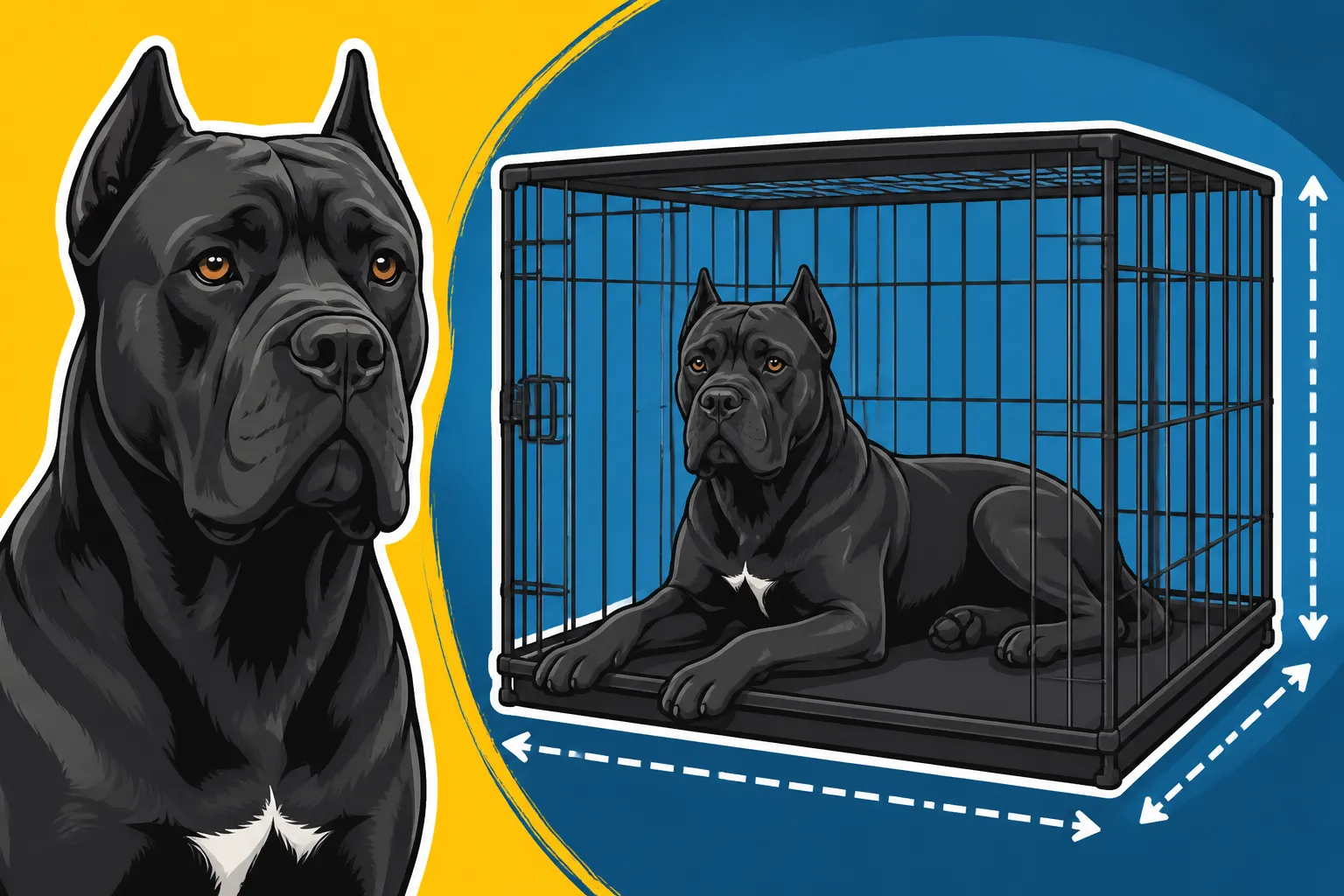
The general rule of thumb for crate sizing is that your dog should be able to stand up, turn around easily, and lie down comfortably in any position, including fully stretched out. To translate this into actual measurements, you'll need a tape measure and your Cane Corso standing naturally.
- Measure Length: Have your Cane Corso stand upright. Measure them from the tip of their nose to the base of their tail. Do not include the tail's full length, as it can curl or move. Once you have this measurement, add 2 to 4 inches to it. This extra length ensures they can turn around without bumping into walls and have enough space to lie down comfortably.
- Measure Height: Again, have your Cane Corso stand tall. Measure from the top of their head (or the tip of their ears if they stand erect, like a cropped Cane Corso) to the floor. Add 2 to 4 inches to this measurement. This ensures they can stand fully erect without their head touching the top of the crate. You don't want them slouching or hitting their head when they stretch or shift position.
These measurements will give you the minimum internal dimensions for your Cane Corso's crate. Remember, a snug fit (allowing for comfortable movement) is better for house training and security than a sprawling, oversized crate, but "snug" does not mean "tight" or "cramped."
Accounting for Growth in Younger Cane Corsos
If you're bringing home a Cane Corso puppy, you have a couple of options. You could buy a large adult-sized crate right away and use a divider to adjust the internal space as they grow. This is often the most cost-effective solution in the long run. The divider allows you to expand the crate gradually, ensuring it's always appropriately sized for house training while preventing them from soiling one end and sleeping in the other. This prevents issues with The Damage a Bored Cane Corso Does Indoors if they're given too much space too soon.
When selecting a crate with a divider, make sure the divider is sturdy and can be securely fastened at various points. As your Cane Corso puppy grows at an astonishing rate, gaining The Two to Four Pounds a Cane Corso Puppy Gains Weekly in their early months, you'll be adjusting that divider frequently. Alternatively, you could start with a medium-to-large puppy crate and upgrade as they get bigger, but this means buying multiple crates and is generally less practical. The most important thing is that their current crated space allows them to stand, turn, and lie down comfortably at their current size, without being so large they can relieve themselves away from their sleeping area.
Navigating the Crate Market: Sizes and Styles That Suit a Cane Corso
Once you have your measurements, it's time to look at the market. Cane Corsos typically require some of the largest crates available, so you'll often be looking at "XL," "Giant," or even custom sizes. The type of material also plays a crucial role, given the Cane Corso's strength and potential for chewing.
Common Crate Sizes and Cane Corso Suitability
While manufacturers might label their crates differently, there are some generally accepted size ranges. For a grown Cane Corso, you're almost certainly going to need something in the 48-inch to 54-inch range, at minimum. However, always refer to the actual internal dimensions listed by the manufacturer rather than just the generic size name.
Here’s a general guide to common large crate sizes and how they might fit a Cane Corso:
| Crate Label (Approximate) | Length (inches) | Width (inches) | Height (inches) | Suitability for Adult Cane Corso | Notes |
|---|---|---|---|---|---|
| XL | 42 | 28 | 30 | Too Small | Often listed for dogs up to 90 lbs, but usually too short and narrow for a Cane Corso to stand and turn comfortably. |
| Giant / XXL | 48 | 30 | 32 | Minimum for smaller females, possibly snug for males | This is typically the smallest acceptable size for a petite female Cane Corso. Many males will find it too tight. Ensure your dog's measurements fit within these internal dimensions with the added buffer. |
| Giant / XXXL | 54 | 37 | 45 | Ideal for most adult Cane Corsos | This size provides ample room for standing, turning, and lying down comfortably for most males and larger females. This is often the sweet spot. |
| Custom/Heavy Duty | 54+ | 37+ | 45+ | Excellent for very large males | If your Cane Corso is at the top end of the breed standard for height and weight, a custom or extra-large heavy-duty crate might be necessary. |
When you're browsing online, perhaps on a site like Chewy, always double-check the detailed product specifications for actual dimensions. Manufacturers can vary widely. Don't just go by the suggested breed list; measure your dog!
Exploring Different Crate Materials
The material of your Cane Corso's crate is just as important as its size, particularly if you have a dog that is prone to destructive chewing, which is a common trait during The Chewing Stage a Cane Corso Goes Through. A flimsy wire crate might not stand up to the strength and determination of a full-grown Cane Corso.
- Standard Wire Crates: These are the most common and generally affordable. They offer good ventilation and visibility. However, for a powerful Cane Corso, many standard wire crates might not be durable enough, especially if they are escape artists or aggressive chewers. Look for models with thicker gauge wire and reinforced latches. Some dogs with Separation Anxiety in a Cane Corso Left in a Crate can bend or break out of lighter wire crates, potentially injuring themselves.
- Heavy-Duty Steel Crates: These are a significant upgrade in terms of durability. Made from thicker steel bars, often with double or triple latches and a more robust construction, these crates are designed for powerful breeds. They are more expensive but offer superior security and longevity. If your Cane Corso has a history of destroying crates, this is likely the route you'll need to go.
- Plastic/Vari-Kennel Crates: These crates are lightweight, portable, and provide a more "den-like" feel, which some dogs prefer. They're excellent for travel, especially air travel, as they meet airline requirements. However, they don't offer the same ventilation or visibility as wire crates, and a determined Cane Corso can potentially chew through the plastic if not properly acclimated or if experiencing severe anxiety. They are generally not recommended as the primary long-term crate for a powerful chewer.
- Furniture Style Crates: These are aesthetically pleasing crates designed to blend into your home decor. They are often made of wood or wood composites. While attractive, they are generally not suitable for a Cane Corso, especially if the dog is still in a chewing phase or has any tendency towards anxiety or destruction. They are rarely built with the robust construction required to safely contain a strong working breed.
Always prioritize safety and durability over aesthetics, especially with a breed as powerful as the Cane Corso.
Beyond the Basics: Crate Considerations and Accessories for Your Cane Corso
Once you've narrowed down the size and material, there are a few more things to think about to make your Cane Corso's crate experience as positive and comfortable as possible.
Making the Crate a Comfortable Space
A bare metal crate might not look very inviting. To make it a true den, you'll want to add comfortable bedding. Look for Beds Built to Take a Cane Corso's Weight and durability. Orthopedic beds are an excellent choice for large breeds like the Cane Corso, providing joint support that can be beneficial throughout their life. Many brands offer durable, chew-resistant covers that can be easily washed, which is a must-have for any dog bed. Some owners even put a fitted sheet over the bed for extra comfort and easy cleaning.
Beyond bedding, consider adding a favorite chew toy. This provides mental stimulation and can help reduce boredom, especially if your Cane Corso needs to be crated for How Many Hours a Cane Corso Can Be Left Alone. Just be sure to choose toys that are appropriate for their size and chewing power, to avoid choking hazards. A puzzle toy filled with a healthy treat, perhaps some high-quality kibble or a fresh food option like Ollie offers, can turn crate time into a rewarding experience.
Crate Placement and Positive Reinforcement
Where you place the crate in your home can significantly impact its effectiveness. It should be in a quiet, low-traffic area where your Cane Corso can feel secure but still be part of the family activities. Avoid placing it in isolated spots like the basement, especially if your dog is still adjusting or prone to Separation Anxiety in a Cane Corso Left in a Crate. A common area like a family room or bedroom can help them feel connected.
Positive reinforcement is crucial for successful crate training. Never use the crate as punishment. Instead, associate it with good things:
- Feed meals in the crate.
- Offer high-value treats every time they go in voluntarily.
- Practice short, positive crate sessions, gradually increasing the duration.
- Praise and reward calm behavior in the crate.
By consistently creating positive associations, your Cane Corso will learn to view their crate as a safe, comfortable place where good things happen, rather than a confinement tool. And while you're thinking about investing in quality care for your Cane Corso, don't forget the importance of preparing for potential health concerns. Veterinary care can be costly for large breeds, and considering options like pet insurance from Healthy Paws could offer a layer of financial security for unexpected medical needs throughout your dog's life.
Disclaimer
This article is for general informational purposes only and does not constitute professional advice. Laws, prices and regulations vary by location and change over time. Consult a qualified professional for guidance on your specific situation.