Signs a Cane Corso’s Hips Are Starting to Go
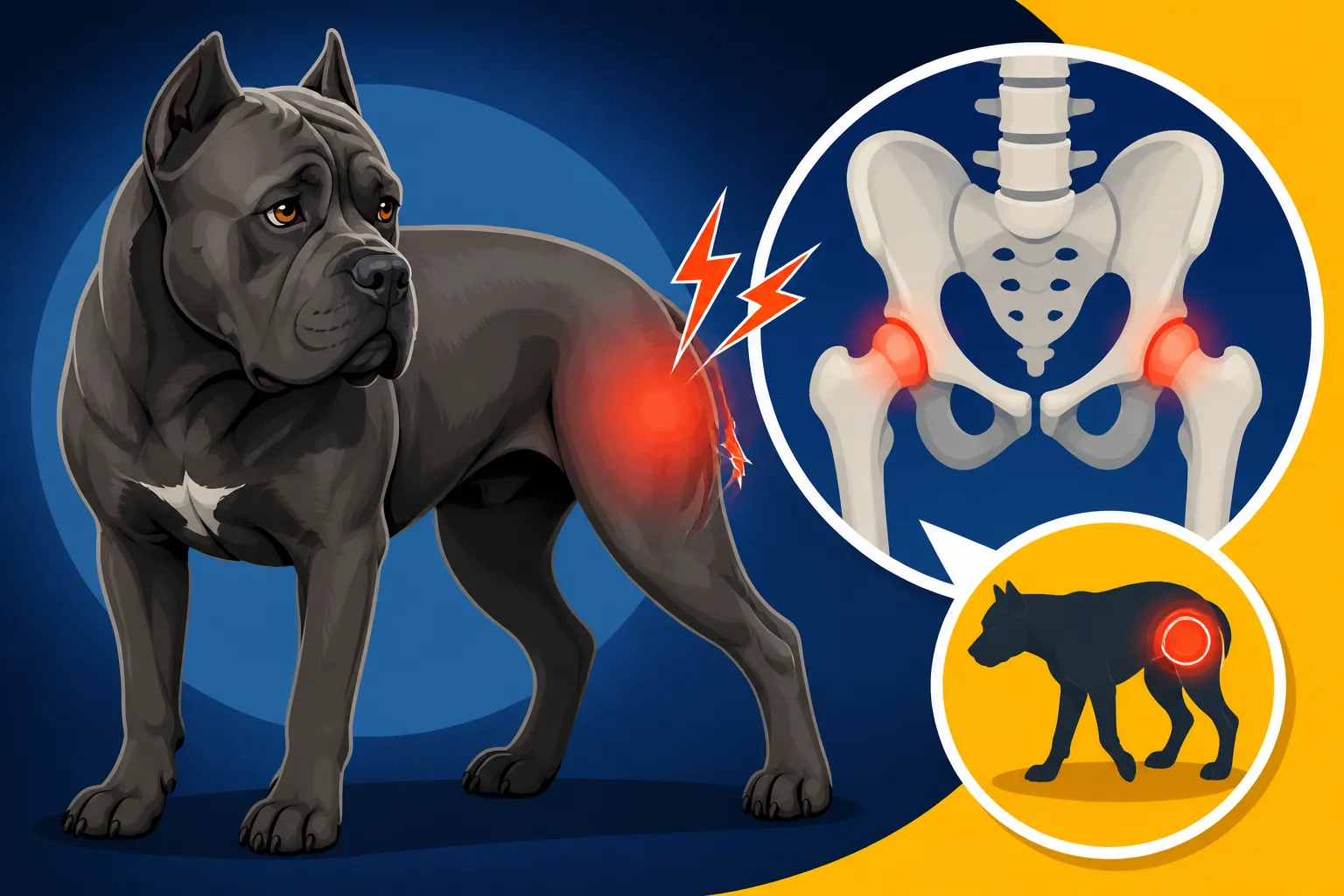
It’s a heartbreaking moment for any Cane Corso owner: you notice something is just a little off with your powerful, protective companion. Maybe they’re hesitating before jumping into the car, or their morning stretch seems a bit stiffer. These subtle shifts can often be the first whispers that your Cane Corso’s hips are starting to go, and understanding these signs early can make all the difference in managing their comfort and quality of life. This guide will walk you through the various indicators, from the barely noticeable to the more pronounced, helping you recognize when it’s time to consult your veterinarian.
The Subtle Shifts in Movement and Posture
Sometimes, the earliest signs of hip issues in a Cane Corso aren't outright limping or crying in pain, but rather small, almost imperceptible changes in how they move or hold themselves. It’s easy to dismiss these initially, especially in a breed known for its stoic nature, but paying close attention can provide crucial insights. Think of it as a baseline – anything deviating from your dog’s usual gait or posture should raise a little flag.
A Reluctance to Engage in Favorite Activities
One of the first things you might notice, even before any obvious physical lameness, is a slight hesitation or decrease in enthusiasm for activities your Cane Corso once loved. Did they used to bound out the door for a walk, but now they take a moment longer to stand up? Are they skipping the vigorous chase with a ball that used to be their absolute favorite game? This isn't necessarily a sign of aging or laziness; it could be their way of avoiding movements that cause discomfort. For a powerful breed like the Cane Corso, known for its drive and endurance, a sudden drop in activity level should never be ignored. They might still participate, but with less gusto, or they might quit sooner than usual. You might notice them taking an extra moment to settle into a comfortable position after lying down, or shifting their weight more often when standing still. This subtle withdrawal from physical exertion is often an early warning signal that their hips aren't feeling quite right.
The "Bunny Hop" Gait or Altered Stride
As hip discomfort progresses, you might start to observe changes in your Cane Corso's actual gait. One common, though not always present, sign of hip dysplasia is what’s affectionately (but concerningly) called a "bunny hop." This is when your dog uses both back legs simultaneously, almost like a rabbit, to propel themselves forward, particularly when running or going up stairs. Instead of their usual powerful, coordinated stride, their rear end might seem to move as one unit to minimize the individual movement of each hip joint. This compensation technique helps them avoid extending and flexing their hips fully, which can be painful. Even a less dramatic shift, such as a shorter stride in their hind legs, or a wider stance to better distribute weight, can indicate that the internal mechanics of their hips are becoming compromised. Keep an eye out during walks or playtime; small changes like these are often clearer when they're moving at speed rather than just strolling.
Difficulty Rising or Lying Down
Imagine the effort it takes for a Cane Corso, a breed that can easily weigh over a hundred pounds, to smoothly transition from lying down to standing up. When their hips are starting to ache, this simple act becomes a chore. You might observe them struggling, using their front legs to push themselves up with noticeable effort, perhaps even groaning softly or exhibiting a wince. Similarly, when they go to lie down, instead of a fluid motion, they might collapse more heavily or circle several times before finding a pain-free position. This can be particularly noticeable after periods of rest, like first thing in the morning or after a long nap. It's not just stiffness; it's a deliberate, slow, and often awkward maneuver to minimize pressure on their sore joints. If your once-graceful giant suddenly seems clumsy or labored during these everyday transitions, it's a strong indicator that something is amiss with their hip health. This is also a good time to consider The Age a Cane Corso Is Counted as Old to see if these signs align with typical aging or an earlier onset of joint issues.
Observable Changes in Physical Appearance and Demeanor
Beyond just how they move, hip problems can start to manifest in more visual ways, affecting your Cane Corso's muscle structure and overall posture. These aren't just aesthetic changes; they’re direct physical consequences of their body trying to cope with chronic joint pain.
Muscle Atrophy in the Hindquarters
When a Cane Corso is favoring their hips due to pain, they naturally use those muscles less. Over time, this reduced activity leads to muscle atrophy, meaning the muscles start to waste away. You might notice that their hindquarters, which should be robust and powerful, appear thinner or less defined compared to their front half. This isn't usually a symmetrical process; one side might be more affected than the other, depending on which hip is causing more trouble. Run your hands over their rear legs and rump – do they feel less firm or look noticeably smaller? This asymmetry or general thinning can be a stark visual cue that they've been compensating for pain for a while. Regular physical activity, even gentle walks, is essential, but if they're avoiding certain movements, those muscles simply won't get the workout they need. A lean Cane Corso often Why a Lean Cane Corso Keeps Its Hips Longer, which can help mitigate some of the stress on their joints, but atrophy indicates a deeper problem.
Shifting Weight to the Front Legs
To alleviate pressure and pain in their hips, Cane Corsos will instinctively shift more of their body weight onto their front legs. Over time, this compensation can lead to an overdevelopment of their shoulder and chest muscles, making their front end look disproportionately muscular compared to their hindquarters. Think of it as their body trying to create a new center of gravity. You might even notice their front paws wearing down faster or a change in how they stand, almost leaning forward. This uneven muscle development isn't just cosmetic; it can also put undue stress on their front joints and spine, potentially leading to secondary issues down the road. It’s a clear sign that their body is desperately trying to find a comfortable way to carry its massive weight, indicating significant discomfort in their rear. Considering pet insurance options like Healthy Paws early on can be beneficial here, as diagnosing and treating these conditions can involve various specialist appointments and therapies.
Stiffness, Limping, and Obvious Pain
As hip dysplasia or arthritis progresses, the subtle signs can give way to more overt and undeniable indicators of pain. Stiffness, especially after rest or in colder weather, becomes much more pronounced. Your Cane Corso might struggle significantly to get up, or they might walk with a stiff, unnatural gait for the first few minutes after rising. A noticeable limp in one or both hind legs is a clear red flag. This limp might worsen with exercise and improve slightly with rest, but it will consistently be present. They might also show direct signs of pain: yelping, flinching, or even growling if you touch their hips or try to manipulate their legs. For a breed known for its high pain tolerance, any vocalization or defensive reaction to touch around their hips is a serious concern and warrants immediate veterinary attention. This is a stage where ignoring the signs becomes impossible, and rapid intervention is key to managing their comfort. When you see these signs, it's time for a vet visit, and having something like a Healthy Paws plan can provide peace of mind regarding diagnostic costs.
Behavioral and Temperamental Clues
Beyond physical manifestations, a Cane Corso experiencing hip pain might exhibit changes in their usual behavior and temperament. Pain can be a huge factor in how a dog interacts with its environment and its family. These changes are often easy to attribute to other causes, but coupled with physical signs, they paint a clearer picture.
Increased Irritability or Withdrawl
Chronic pain is exhausting and can make anyone, including your beloved Cane Corso, feel grumpy or withdrawn. A dog that is usually friendly and outgoing might become more irritable, snapping or growling more easily, especially if approached while resting or if touched in a sensitive area. Conversely, some dogs might become more withdrawn, seeking solitude and avoiding interaction, even with their favorite family members. They might spend more time sleeping or simply lying quietly, avoiding movement altogether. This isn't a personality flaw; it's a direct consequence of ongoing discomfort. If your Cane Corso's usual cheerful demeanor or tolerant nature seems to be waning, and they're showing less patience or more isolation, consider pain as a potential underlying cause. Understanding these behavioral changes can sometimes be the first alert for an owner, even before they notice a physical limp.
Reluctance to Be Touched or Groomed
Imagine having a constant ache, and someone tries to manipulate that sore spot. It's naturally going to elicit a negative reaction. Your Cane Corso might become unusually sensitive or defensive when you attempt to touch their hindquarters, lower back, or even their tail. Grooming, which was once a routine or even enjoyable activity, might become a battle. They might pull away, snap, or resist being brushed or having their nails trimmed, especially if these actions require them to shift weight or flex their hips. This isn't defiance; it's a clear communication that they are hurting. Be particularly gentle around their hips and spine, and watch for any subtle flinches, ear flattening, or lip licking, which are all signs of discomfort. If your dog suddenly dislikes touch in areas they previously tolerated, or even enjoyed, it's a strong indicator of pain. For breeds like the Cane Corso, understanding the early signs of Hip Dysplasia in a Fast Growing Cane Corso is critical for long-term health.
Changes in Appetite or Potty Habits
While not a direct sign of hip issues, chronic pain can absolutely impact a dog's overall well-being, leading to secondary behavioral changes like alterations in appetite or even potty habits. A dog in constant discomfort might lose interest in food or, conversely, become somewhat depressed and use food as a comfort, leading to weight gain. Weight management is especially important since What Extra Weight Does to a Cane Corso's Hips. More directly related, pain can make it difficult for them to get into position to relieve themselves. They might squat awkwardly, take longer, or even have accidents indoors because the effort of going outside and getting into position is too painful. They might also become constipated if moving their bowels causes strain that exacerbates hip pain. Any deviation from their normal routine, especially combined with other physical or behavioral changes, should be discussed with your vet. Timely interventions, whether medical or through management with a provider like Healthy Paws, can often improve these secondary symptoms.
When to Seek Veterinary Attention and What to Expect
Recognizing these signs is the crucial first step. The next is understanding when to call the vet and what diagnostic steps they might take. Early intervention can significantly impact the progression and management of hip issues.
Initial Veterinary Consultation and Physical Exam
If you've noticed any of the signs discussed, even the subtle ones, don't delay in scheduling an appointment with your veterinarian. During the initial consultation, your vet will perform a thorough physical examination. This will involve observing your Cane Corso's gait, checking for symmetry in their musculature, and carefully palpating their hips, legs, and spine. They'll also gently manipulate your dog's hip joints through their range of motion, looking for signs of pain, grinding (crepitus), or reduced flexibility. Don't be surprised if your dog vocalizes or tries to pull away during this part of the exam; it helps the vet pinpoint areas of discomfort. Be prepared to provide a detailed history of the symptoms you’ve observed, including when they started, how they've progressed, and what activities seem to make them better or worse. This comprehensive history, combined with the physical exam, will guide the next steps in diagnosis.
Diagnostic Imaging: X-rays are Key
Once a physical exam suggests hip issues, the definitive diagnostic tool is often radiographs, or X-rays. Your vet will likely recommend sedating your Cane Corso for these X-rays. This is vital because proper positioning is absolutely crucial for accurate imaging of the hip joints. With a large, powerful breed like the Cane Corso, trying to get them to lie still in precise positions without sedation is nearly impossible and stressful for the dog. The X-rays will show the bone structure of the hips, revealing any changes indicative of hip dysplasia (such as shallow hip sockets, flattened femoral heads, or signs of osteoarthritis like bone spurs). You might have heard of different evaluations like PennHIP Against OFA for a Cane Corso's Hips; these often involve specific radiographic techniques to assess hip laxity and structure. The results of these X-rays will determine the severity of the hip dysplasia or arthritis and inform the treatment plan.
Treatment Options and Long-Term Management
Based on the diagnostic imaging, your veterinarian will discuss the available treatment options, which can range from conservative management to surgical intervention. For milder cases or early arthritis, conservative management typically involves pain medication, anti-inflammatory drugs, joint supplements (like glucosamine and chondroitin, often covered by Healthy Paws), weight management, and controlled exercise. Physical therapy, hydrotherapy, and even acupuncture can also play a significant role in improving comfort and mobility. If the condition is severe, particularly in younger dogs, surgical options like a triple pelvic osteotomy (TPO) or Hip Replacement Surgery on a Cane Corso might be considered to improve joint function and alleviate pain. However, these are major surgeries with significant recovery periods. The goal is always to improve your Cane Corso's quality of life and manage their pain effectively. Many owners also look into Whether a Cane Corso Benefits From Joint Supplements as a preventive measure or part of a management plan. This long-term care often involves a combination of medication, lifestyle adjustments, and regular vet check-ups. Managing Arthritis in a Hundred Pound Cane Corso is an ongoing commitment, but with proper care, your Cane Corso can still live a comfortable and fulfilling life.
| Symptom Category | Early/Subtle Signs | Advanced/Obvious Signs |
|---|---|---|
| Movement | Slight hesitation for activity | Bunny hop gait, clear limp |
| Takes longer to stand/lie down | Struggles significantly to rise/collapse | |
| Reduced enthusiasm for walks/play | Avoids stairs, jumping, running | |
| Physical | Mild stiffness after rest | Pronounced stiffness, audible joint sounds |
| Subtle muscle thinning in hindquarters | Noticeable muscle atrophy, uneven gait | |
| Overdeveloped front muscles | ||
| Behavioral | Less playful, slightly withdrawn | Irritability, snapping/growling |
| Reluctance for specific touches | Defensiveness during routine handling | |
| Minor changes in appetite/potty posture | Accidents indoors, straining to defecate |
Disclaimer
The information provided in this article is for educational purposes only and should not replace professional veterinary advice. Always consult with a qualified veterinarian for any health concerns or before making any decisions about your Cane Corso's care.