Entropion in a Cane Corso’s Lower Lid
It's incredibly distressing to watch your magnificent Cane Corso struggling with eye discomfort, especially when their lower eyelids seem to betray them, turning inwards and rubbing against their sensitive eyes. This painful condition, known as entropion, isn't just a minor irritation; it's a chronic source of pain and can lead to serious vision problems if left unaddressed. This guide will walk you through everything you need to know about entropion in your Cane Corso's lower lid, from recognizing the subtle signs to navigating treatment and ensuring their long-term comfort.
Understanding Entropion: What It Means for Your Cane Corso's Lower Lids
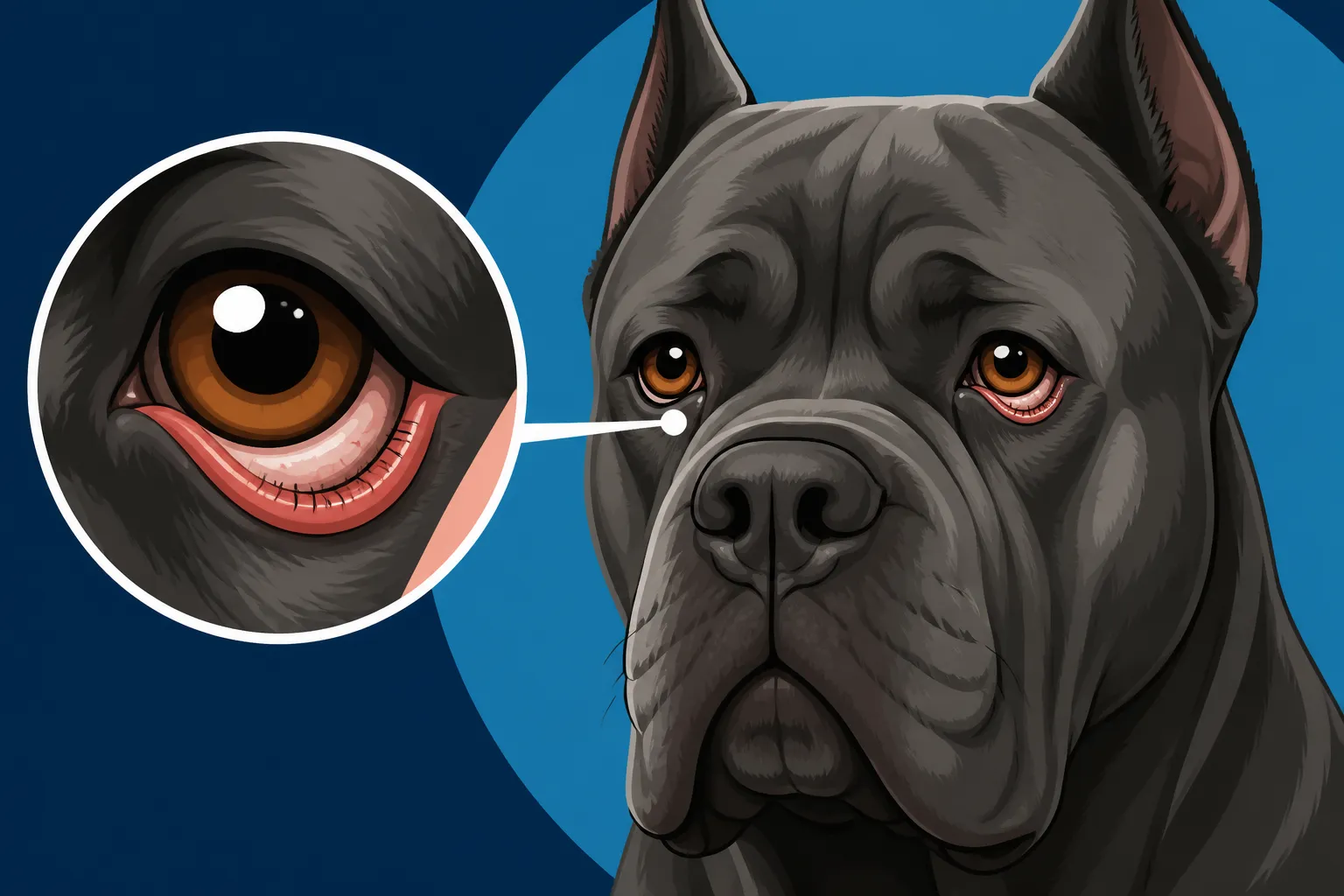
Entropion is a common eye condition, particularly in certain breeds, where a section of the eyelid, usually the lower one, rolls inward towards the eye. For a breed like the Cane Corso, with its often deep-set eyes and distinct facial structure, this issue can be a significant concern. It’s not just a cosmetic flaw; it’s a constant source of agony that can severely impact their quality of life.
The Mechanics of an Inward-Rolling Eyelid
Imagine having sandpaper constantly rubbing against your eyeball – that's essentially what your Cane Corso experiences with entropion. When the lower eyelid rolls inward, the eyelashes and the coarse hair on the outer skin surface are brought into direct contact with the delicate cornea and conjunctiva of the eye. This constant friction causes irritation, inflammation, and can even lead to corneal abrasions or ulcers. Over time, repeated trauma to the cornea can result in scarring, affecting your dog's vision and potentially causing permanent damage. It's a relentless assault on one of their most vital senses, and it's heartbreaking to witness their discomfort.
Why Cane Corsos Are Particularly Susceptible to Lower Lid Issues
Cane Corsos, like many large, molosser-type breeds, are unfortunately predisposed to certain conformational issues that contribute to entropion. Their breed standard often features deep-set eyes, heavy brows, and sometimes a looser skin around the face. While these traits contribute to their majestic and imposing appearance, they can also create a perfect storm for eyelid problems. The extra skin around the eyes can sometimes sag or pull in such a way that the lower lid is encouraged to roll inward. This isn't a fault of the individual dog, but rather an inherent predisposition within the breed that responsible breeders strive to minimize. Many Cane Corso owners eventually encounter The Loose Eyelids Nearly Every Cane Corso Owner Meets, and entropion is often a direct consequence of this.
The Pain and Discomfort Your Dog Experiences
It’s easy to underestimate the chronic pain a dog experiences from entropion because they can be so stoic. However, the continuous rubbing of hair and lashes on the eye is intensely uncomfortable, causing a persistent stinging or scratching sensation. This isn't just fleeting discomfort; it's a constant, nagging irritation that can affect their mood, their willingness to engage, and even their appetite. Your Cane Corso might become less active, more withdrawn, or simply seem generally unhappy because they are in constant pain. It’s crucial to recognize that even if they aren't crying out, the discomfort is very real and requires prompt attention.
Recognizing the Signs: Catching Lower Lid Entropion Early
Spotting entropion early can make a world of difference in your Cane Corso's treatment and recovery. The signs can sometimes be subtle, especially in the initial stages, but knowing what to look for can help you intervene before the condition worsens and causes more severe damage to their eyes. Don't dismiss slight changes as just "part of the breed"; these can be early warnings.
Visible Cues: Squinting, Tearing, and Redness
One of the most common and noticeable signs of entropion is persistent squinting, also known as blepharospasm. Your Cane Corso will squint because it's their body's way of trying to protect the irritated eye from light and further friction. You might also notice excessive tearing, a condition called epiphora. The tears aren't necessarily a sign of sadness; they're the eye's attempt to flush out the irritants. This often leads to tear staining, especially noticeable on lighter-colored Cane Corsos. The whites of their eyes (sclera) or the conjunctiva (the pink membrane lining the eyelids) might appear red and inflamed due to the constant irritation. If you see your Cane Corso’s Why a Cane Corso's Eyes Run All Day, especially accompanied by other symptoms, it's a strong indicator something is wrong.
Behavioral Changes: Pawing at Eyes and Light Sensitivity
Beyond the visible physical signs, pay close attention to your Cane Corso's behavior. A dog with entropion might frequently paw at their face or rub their eyes on furniture or carpets in an attempt to alleviate the discomfort. This rubbing can, unfortunately, exacerbate the problem by further irritating the eye or even introducing bacteria, leading to secondary infections. You might also notice them becoming more sensitive to light, known as photophobia. They might prefer to stay in darker areas, turn their head away from bright lights, or squint even more intensely when outside on a sunny day. These behavioral shifts are clear indicators that your dog is in pain and needs veterinary attention.
Differentiating Entropion from Other Eye Conditions
While the signs of entropion can be quite characteristic, it's important to remember that other eye conditions can present with similar symptoms. For instance, an allergic reaction, conjunctivitis, or even a foreign body lodged in the eye could cause redness, tearing, and squinting. Sometimes, a Cane Corso can develop The Cherry Eye a Cane Corso Puppy Shows at Four Months, which involves the third eyelid and looks very different but still causes irritation. A veterinarian or, ideally, a veterinary ophthalmologist, will be able to perform a thorough examination to accurately diagnose entropion and rule out other potential issues. They'll use specialized tools to examine the cornea for abrasions or ulcers, which are common complications of entropion. Don't try to self-diagnose; a professional opinion is essential for the correct treatment.
The Root Causes: Why Some Cane Corsos Develop Entropion
Understanding why entropion occurs in Cane Corsos isn't about placing blame, but about arming yourself with knowledge. It’s a multi-faceted issue, often stemming from a combination of genetic factors and the unique physical characteristics of the breed. Knowing these underlying causes can help owners make informed decisions, especially when it comes to choosing a reputable breeder.
Genetic Predisposition in Mastiff-Type Breeds
Unfortunately, a genetic predisposition is a primary driver for entropion in Cane Corsos. It’s not just a random occurrence; certain genes contribute to the conformation of the eyelids and the surrounding facial skin, making some lines more susceptible than others. This is why it’s so critical for prospective owners to research breeders thoroughly and inquire about the health history of the parent dogs, specifically regarding eye issues. Reputable breeders will often have a history of clear-eyed dogs in their lines and will be transparent about any instances of entropion. This hereditary component is a frustrating reality for many Cane Corso families.
Breed-Specific Conformation and Loose Skin
Beyond pure genetics, the breed's distinct conformation plays a huge role. Cane Corsos are known for their powerful build, substantial bone, and often, a degree of loose skin, particularly around the head and neck. While this contributes to their impressive appearance, it can also lead to the lower eyelids not sitting flush against the eyeball. Instead, they might be prone to sagging or rolling inward, especially if the dog has very deep-set eyes or a particularly heavy brow. This characteristic means that even if a Cane Corso doesn't inherit a direct "entropion gene," their physical structure can still make them vulnerable to The Sagging Lower Lid on a Cane Corso which can quickly turn into entropion. It’s a delicate balance between maintaining breed type and ensuring functional health.
Environmental Triggers and Exacerbating Factors
While genetics and conformation lay the groundwork, environmental factors can sometimes trigger or worsen entropion. Exposure to strong winds, dust, allergens, or even certain types of shampoo can irritate an already predisposed eye, causing increased squinting and spasms that encourage the lid to roll further inward. For a Cane Corso living in a dusty rural environment or one frequently exposed to environmental irritants, managing these external factors can become part of the overall care strategy. While these aren't the primary cause, they can certainly complicate the situation, making an uncomfortable condition even more miserable for your dog.
Diagnosis and Treatment Paths: Navigating Vet Visits and Options
When you suspect your Cane Corso has entropion, the path forward involves accurate diagnosis and a clear treatment plan. It can feel overwhelming, but your vet is your best ally in alleviating your dog's discomfort and preserving their vision. Remember, early intervention is key to minimizing long-term damage.
The Initial Vet Examination and Referral to a Specialist
Your journey will typically begin with a visit to your regular veterinarian. They will conduct a thorough physical examination, paying close attention to your Cane Corso's eyes. They'll likely use an ophthalmoscope to look for corneal damage, such as abrasions or ulcers, which are common secondary issues caused by the constant rubbing of the eyelid. They might also apply a fluorescent stain to the eye, which highlights any damage to the cornea, making it visible under a special blue light. In many cases, especially if surgery is being considered or if the case is complex, your vet will recommend a referral to a board-certified veterinary ophthalmologist. These specialists have advanced training and equipment to provide the most precise diagnosis and treatment. This step is crucial for an accurate assessment of the severity and type of entropion.
Temporary Solutions for Puppy Entropion: Tacking
It's not uncommon for Cane Corso puppies to show signs of entropion during their rapid growth phase. Sometimes, as they mature, the condition resolves itself as their facial structure develops. However, to prevent discomfort and permanent damage during this crucial period, temporary solutions are often employed. The most common is a procedure called eyelid "tacking." This involves placing a few temporary sutures in the affected eyelid to roll it outwards and relieve the irritation. These sutures typically stay in for a few weeks, providing relief and allowing the puppy's face to grow and settle. The hope is that by the time the sutures are removed, the lid will remain in a normal position. It’s a less invasive option for younger dogs, and many ask Whether a Cane Corso Puppy Grows Out of Entropion after this kind of intervention. If a puppy continues to show signs of entropion even after tacking, then more permanent solutions will be considered as they reach maturity.
Surgical Correction: The Permanent Fix for Adult Dogs
For adult Cane Corsos, or for puppies whose entropion doesn't resolve with tacking, surgical correction is typically the definitive treatment. This procedure, known as blepharoplasty, involves removing a small, crescent-shaped piece of skin and muscle from the affected eyelid, which effectively tightens the lid and rolls it outwards. The goal is to achieve an eyelid position that no longer irritates the eye, while maintaining a natural appearance. It's a delicate surgery, often performed by a veterinary ophthalmologist, who will carefully assess how much tissue to remove to prevent overcorrection (ectropion, where the lid rolls outward). Owners frequently wonder The Age a Cane Corso's Entropion Gets Repaired, and generally, vets prefer to wait until the dog is close to full maturity, usually after 6-12 months, to ensure their facial structure has largely settled. The cost of such surgery can be significant, so having pet insurance, like a policy from Healthy Paws, can certainly help ease the financial burden associated with specialist veterinary care.
Life After Surgery: Managing Recovery and Preventing Recurrence
Undergoing surgery for entropion is a big step, and your Cane Corso will need your dedicated care during recovery. It's a period of careful monitoring and adherence to veterinary instructions to ensure the best possible outcome. While surgery is highly effective, understanding what comes next is crucial.
Post-Operative Care: Protecting the Surgical Site
Immediately after surgery, your Cane Corso will likely have an Elizabethan collar (the "cone of shame") to prevent them from rubbing or scratching at their incision site. This is non-negotiable, no matter how much they might protest! You'll also be given eye drops or ointments to administer, which help reduce inflammation, prevent infection, and aid healing. It’s vital to follow the schedule prescribed by your vet, even if it feels like a lot of drops. Your vet will instruct you on how to clean the surgical site gently and what to watch for. Keep your dog's activity levels low during this time to prevent any strain on the sutures. This period of rest and careful attention directly impacts the success of the surgery.
Potential Complications and What to Watch For
While entropion surgery is generally successful, complications can arise. Swelling and bruising around the eye are normal in the immediate aftermath, but excessive swelling, pus-like discharge, or an increasingly painful eye warrant immediate contact with your vet. Infection is always a risk with any surgery, so look for signs of redness, heat, or unusual discharge around the incision. In some cases, Dry Eye in a Cane Corso After Lid Surgery can occur if the tear ducts were inadvertently affected, requiring ongoing management. Another concern is undercorrection, where not enough tissue was removed, meaning the lid still rolls inward, or overcorrection, leading to ectropion. This is why choosing an experienced veterinary ophthalmologist is so important, as their precision minimizes these risks.
Long-Term Outlook and the Possibility of Revision Surgery
The long-term outlook for Cane Corsos after successful entropion surgery is generally excellent, with most dogs experiencing complete relief from discomfort and a preserved quality of vision. However, it's realistic to know that sometimes, especially with large, rapidly growing breeds, revision surgery might be necessary down the line. This could be due to subtle changes in facial structure as the dog fully matures, or if the initial correction was not quite sufficient. If you’re ever unsure or notice your Cane Corso's Lashes That Rub a Cane Corso's Cornea again, don’t hesitate to reach out to your vet. Regular follow-up appointments with your ophthalmologist are essential to monitor the eye health and ensure the correction holds. Having a pet insurance plan, such as those offered by Healthy Paws, can be invaluable here, as it can help cover the costs of any necessary follow-up treatments or potential revision surgeries, providing peace of mind.
Preventative Measures and Responsible Breeding Practices
Preventing entropion, or at least minimizing its occurrence, starts long before a puppy even comes home. It involves responsible breeding, careful observation, and proactive care throughout your Cane Corso's life. As an owner, your choices play a significant role in their health.
Screening Parents to Reduce Genetic Risk
For breeds known to have genetic predispositions to conditions like entropion, health testing of breeding dogs is paramount. Reputable Cane Corso breeders understand this and will perform thorough eye examinations on their breeding stock, often certified by the Orthopedic Foundation for Animals (OFA) or the Canine Eye Registration Foundation (CERF). These certifications provide a snapshot of the parents' eye health and can help identify dogs that might carry genes for entropion or other ocular issues. When you’re looking for a puppy, always ask to see these health clearances for both parents. Understanding What a Cane Corso CHIC Number Actually Certifies is also important, as this indicates a dog has completed all the recommended health screenings for the breed. By choosing a puppy from health-tested parents, you significantly reduce the likelihood of your Cane Corso developing hereditary entropion.
| Eye Health Certification | Purpose | Typical Age for Screening | Importance for Cane Corsos |
|---|---|---|---|
| OFA Eye Certification | Screens for a variety of inherited eye diseases, including entropion, ectropion, progressive retinal atrophy, cataracts, and more. | Annually for breeding dogs | Crucial for identifying affected breeding stock and ensuring clear lines. Helps reduce the incidence of genetically inherited eye conditions in puppies. |
| CAER (Companion Animal Eye Registry) | Formerly CERF, this exam evaluates for inheritable eye diseases and registers clear-eyed dogs. | Annually for breeding dogs | Provides similar benefits to OFA Eye Certification, offering transparency and documentation of eye health for breeders and buyers. |
Early Intervention for Puppies and Ongoing Monitoring
Even with the best breeding practices, occasional cases of entropion can still pop up, especially in breeds with a specific head type like the Cane Corso. This is where early intervention becomes critical. If you notice any of the signs of entropion in your Cane Corso puppy, even subtle ones like mild tearing or occasional squinting, don't wait. Get them to the vet for an examination. As mentioned earlier, puppies can sometimes be managed with temporary tacking, which can prevent permanent damage during their growth. Regular The Yearly Eye Exam a Breeding Cane Corso Needs is a good practice for all Cane Corsos, not just those used for breeding, as it allows for ongoing monitoring of eye health and early detection of any developing issues, whether they are hereditary or age-related.
The Role of the Cane Corso Owner in Eye Health
As a Cane Corso owner, you are the first line of defense for your dog's health. This means being observant and proactive. Beyond looking for the obvious signs of entropion, simply being aware of your dog's general eye appearance and behavior can help. Wiping your Cane Corso’s eyes gently daily can help keep them clean, especially if they have some natural discharge. Protecting their eyes from excessive wind and dust during outdoor activities can also be beneficial, particularly for dogs with already looser lids. Choosing a diet rich in essential fatty acids may support overall eye health, though it won't prevent genetic entropion. Ultimately, staying informed, maintaining regular veterinary check-ups, and being prepared for potential health challenges will ensure your magnificent Cane Corso lives a comfortable and pain-free life, looking at the world through clear, healthy eyes.
Disclaimer
This article is intended for informational purposes only and does not constitute veterinary advice. Always consult with a qualified veterinarian or veterinary ophthalmologist for any health concerns or before making any decisions about your pet's medical care.