Whether Cropped Cane Corso Ears Get Fewer Infections
One of the most common frustrations for any dog owner, especially those with breeds like the Cane Corso who have those beautiful, deep-set, often floppy ears, is dealing with persistent ear infections. You might have heard whispers, or even strong opinions, that cropping a Cane Corso's ears could somehow magically make these infections disappear. It’s a compelling thought, especially when you're on your third round of antibiotics and ear flushes for your poor pup. This guide is going to dive deep into that belief, examining the realities of ear anatomy, infection causes, and the truth behind whether cropped ears truly offer a protective shield against those itchy, painful, and often smelly ear woes.
The Anatomy of a Cane Corso's Ear: Natural vs. Cropped
Before we can even begin to discuss whether cropping makes a difference, it's crucial to understand the fundamental differences in ear anatomy between a natural, uncropped Cane Corso and one with surgically altered ears. These differences aren't just aesthetic; they play a significant role in airflow, moisture retention, and overall ear health.
The Natural Cane Corso Ear
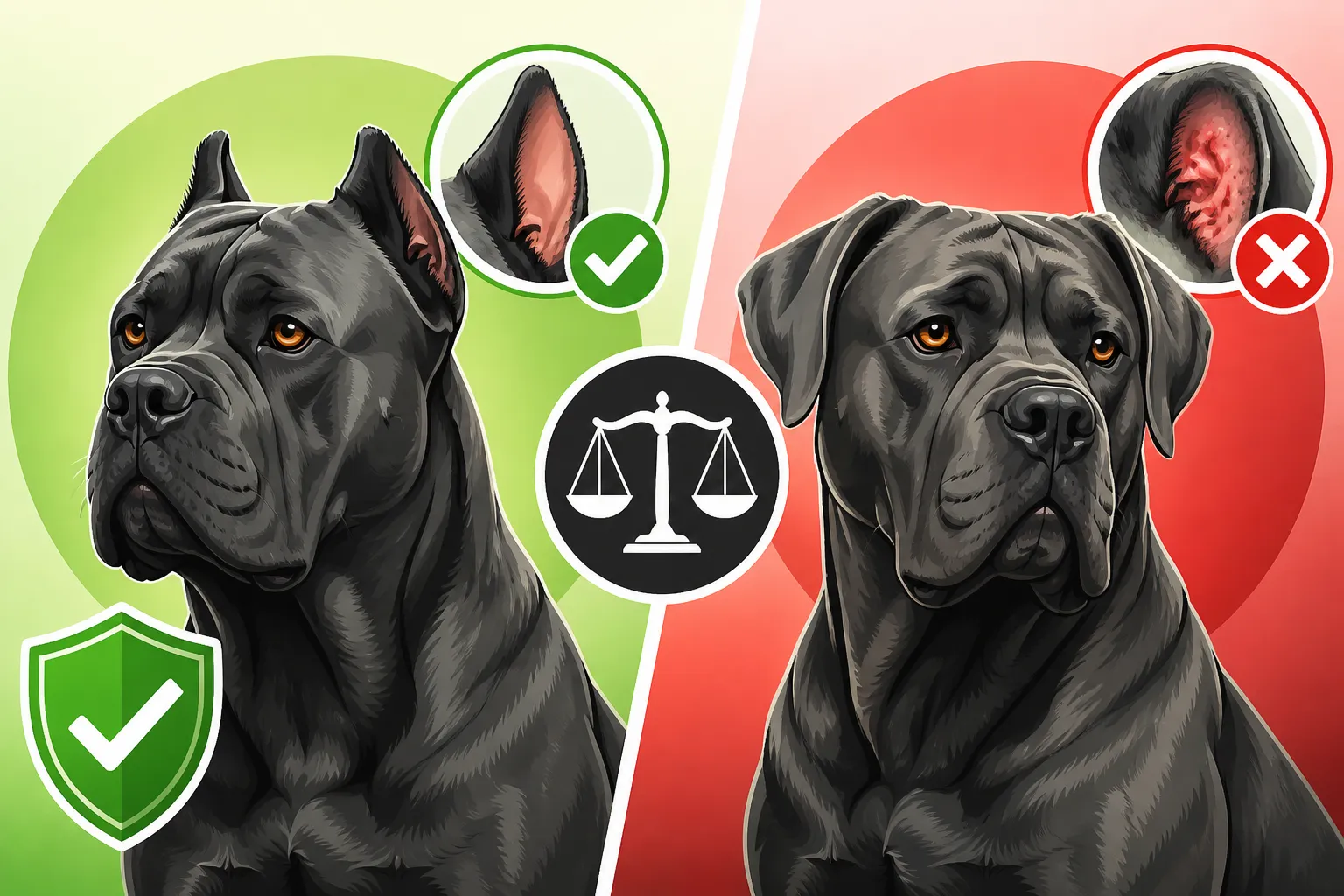
Picture a natural Cane Corso ear: it's a relatively large, heavy flap of cartilage and skin that hangs close to the side of the head. These ears are typically thick and robust, designed to protect the ear canal from debris and the elements. However, this protective design comes with a trade-off. The ear flap effectively seals off the entrance to the ear canal, creating a warm, dark, and often moist environment. This enclosed space is, unfortunately, a perfect breeding ground for bacteria and yeast, the primary culprits behind most canine ear infections. Think of it like a tiny greenhouse for microorganisms – everything they need to thrive is right there. The skin on the inside of the ear flap and the lining of the ear canal itself can also be prone to irritation from trapped moisture, allergens, or parasites. Whether an Uncropped Cane Corso Needs More Ear Cleaning is a question many owners of natural-eared Corsos grapple with, and the answer often leans towards more diligent care.
The Cropped Cane Corso Ear
Ear cropping, in essence, is a surgical procedure that removes a portion of the ear flap, leaving a more upright, often pointed ear. The goal, from a historical and aesthetic standpoint, was to give the dog a more imposing appearance and, for working dogs, to prevent injuries in confrontations with livestock or game. From a practical health standpoint, the argument for cropping often centers on improving airflow to the ear canal. With the ear flap no longer covering the opening, air can circulate more freely, theoretically reducing moisture buildup and making the environment less hospitable for infection-causing pathogens. The different styles, from short utility crops to longer show crops, all aim for this basic principle of opening up the canal. Why Cane Corso Ears Are Cropped in the First Place delves into the historical reasons, but the health argument is a modern justification often heard.
Understanding Canine Ear Infections: More Than Just Floppy Ears
It's easy to point fingers at floppy ears, but the truth is, ear infections in dogs are complex, and a variety of factors contribute to their development. Simply opening up the ear canal might address one piece of the puzzle, but it rarely solves the entire problem, especially if underlying issues are at play.
Common Causes of Ear Infections
The vast majority of canine ear infections, known medically as otitis externa, are caused by opportunistic invaders like bacteria and yeast. These organisms are often naturally present in small numbers in a dog's ear, but when conditions are right, they can multiply rapidly and cause trouble.
- Moisture: As mentioned, a warm, moist environment is ideal for these pathogens. This can come from bathing, swimming, or even just humidity trapped by a floppy ear.
- Allergies: This is a huge, often overlooked, factor. Dogs with environmental allergies (pollen, dust mites) or food sensitivities can manifest their allergic reactions through inflamed, itchy skin – and the ears are a prime target. When the ear canal becomes inflamed and itchy, the dog scratches, further damaging the skin and creating micro-abrasions that allow bacteria and yeast to take hold. Skin Allergies That Flare on a Cane Corso can often lead directly to ear infections.
- Ear Mites: These tiny parasites cause intense itching and inflammation, leading to a buildup of dark, crumbly debris. While more common in puppies, adults can get them too.
- Foreign Bodies: Grass awns, small seeds, or even clumps of matted hair can work their way into the ear canal, causing irritation, inflammation, and providing a foothold for infection.
- Glandular Issues: Some dogs have overactive glands in their ears that produce excessive wax, which can then trap moisture and debris, creating a fertile ground for infection.
- Conformation: Beyond just the ear flap, the actual shape of the ear canal itself can predispose some dogs to infections. Narrow or convoluted ear canals make cleaning difficult and can trap more debris.
Why Infections Recur
The frustrating cycle of recurrent ear infections is often due to not fully addressing the root cause. If you only treat the secondary bacterial or yeast infection but don't figure out why it started in the first place, it's likely to come back. For many Cane Corsos, especially those with natural ears, allergies are a huge driver of chronic ear issues. If their ears are constantly inflamed from allergens, even a cropped ear might still experience irritation, leading to infection. It’s also important to follow through completely with prescribed medications, even when the ear looks better, to ensure all pathogens are cleared.
Debunking the Myth: Do Cropped Ears Really Prevent Infections?
This is the million-dollar question for many prospective and current Cane Corso owners. The short answer, backed by veterinary consensus, is generally no, ear cropping does not reliably prevent ear infections, nor does it necessarily lead to significantly fewer infections compared to well-cared-for natural ears.
The Argument for Cropping and Its Flaws
The main argument for cropping in relation to health is improved airflow. Logic suggests that if air can circulate freely, the ear canal stays drier, reducing the hospitable environment for bacteria and yeast. While this makes sense on paper, several factors complicate this simple premise:
- Underlying Causes Remain: As discussed, many ear infections stem from allergies, diet, or other systemic issues. Cropping the ear does absolutely nothing to address these underlying problems. If a Cane Corso has a food allergy that manifests in itchy, inflamed ears, they will still have itchy, inflamed ears whether they are cropped or not. You might find yourself still reaching for ear cleaners and medications from Chewy or your vet.
- Surgical Complications: Cropping is surgery. Any surgery carries risks, including infection at the incision site, improper healing, pain, and the potential for a "bad crop" that can lead to chronic irritation or structural issues that actually increase problems. Poorly done crops can leave jagged edges, scar tissue, or ears that don't stand properly, potentially creating new pockets for moisture or rubbing that cause irritation. What Collects in a Cropped Cane Corso's Ear can still be an issue if aftercare isn't meticulous.
- Not a Universal Cure: Even among breeds traditionally cropped, like Dobermans or Great Danes, ear infections still occur. If cropping were a surefire preventative, these breeds would be virtually immune, which they are not. The incidence might be slightly lower in some studies, but it's far from eliminated.
The Reality of Natural Ears and Infections
On the flip side, simply having natural, floppy ears doesn't condemn a Cane Corso to a lifetime of ear infections. Many natural-eared Corsos go their entire lives with perfectly healthy ears, provided they receive appropriate care.
- Vigilant Care: The key for natural ears is proactive care. Regular cleaning, especially after swimming or bathing, can significantly reduce moisture and wax buildup. Cleaning a Cane Corso's Ear Without Going Deep is crucial to prevent pushing debris further in.
- Addressing Allergies: If a Cane Corso with natural ears does get recurrent infections, the focus should immediately shift to investigating underlying allergies. This might involve working with your vet on elimination diets or allergy testing. Sometimes, switching to a high-quality, limited-ingredient food, or exploring fresh food options like those from Ollie, can make a world of difference for dogs with food sensitivities contributing to ear issues.
- Routine Checks: A The Weekly Ear Check a Cane Corso Owner Should Do is invaluable. Catching early signs of redness, odor, or discharge allows for intervention before a full-blown infection takes hold.
Ultimately, while cropping might offer a slight advantage in terms of airflow for some individuals, it's not a magic bullet against ear infections. Diligent care, whether the ears are natural or cropped, and addressing any underlying health issues like allergies, are far more impactful in preventing these common canine ailments.
Essential Ear Care for Every Cane Corso, Cropped or Natural
Regardless of whether your Cane Corso has those stately cropped ears or the soft, natural flaps, proper ear care is non-negotiable for their comfort and health. Consistency is key, and knowing what to look for can save you a lot of heartache and vet bills.
Daily and Weekly Ear Maintenance
Regular attention to your Cane Corso's ears is your best defense against infections. This isn't just about cleaning, but about observation.
- Visual Inspection: Make it a habit to look inside your Cane Corso's ears a few times a week, especially after they've been swimming or playing in dusty environments. What you're looking for is any redness, swelling, unusual discharge, or a strong odor. Healthy ears should be clean, pale pink, and free of unpleasant smells. A healthy Cane Corso ear might have a very light, almost imperceptible, waxy film, but nothing thick or dark.
- Smell Test: This might sound odd, but your nose is a powerful tool. Stick your nose right up to your dog's ear. A healthy ear generally smells like… nothing, or perhaps very faintly like clean dog. Any sweet, yeasty, or foul odor is a strong indicator that something is amiss, often the first sign of a bacterial or yeast overgrowth. The Yeast Smell on a Cane Corso's Skin Folds can often extend into the ear canal.
- Gentle Cleaning: For most healthy ears, cleaning isn't a daily task, but rather done on an as-needed basis, or perhaps weekly for dogs prone to wax buildup or those with natural ears. Use a vet-approved ear cleaning solution – you can find many good options on Chewy or Amazon – and cotton balls. Avoid cotton swabs (Q-tips) as they can push debris deeper into the ear canal or even damage the eardrum. Simply saturate a cotton ball with the cleaner, gently wipe the visible parts of the ear canal and the underside of the ear flap, then allow your dog to shake their head. This helps dislodge deeper debris. Whether a Cane Corso Needs a Probiotic is a different topic, but gut health can sometimes tie into overall immune response which impacts skin and ear health.
Addressing Specific Concerns
Even with the best routine, sometimes problems arise. Knowing when to escalate your care is important.
- Post-Cropping Aftercare: If your Cane Corso has recently had their ears cropped, the aftercare is a specialized process. This involves keeping the incision sites clean and dry, managing pain, and potentially taping or "posting" the ears to help them stand erect. Aftercare on a Freshly Cropped Cane Corso details these critical steps, which are vital not just for the aesthetic outcome but to prevent complications like infection at the surgical site. During this healing period, it's particularly important to monitor for signs of infection such as excessive redness, swelling, pus, or foul odor around the sutures.
- Signs of Infection: If you notice any persistent shaking of the head, scratching at the ears, rubbing ears on furniture, redness, swelling, discharge (especially yellow, green, or black), or a strong odor, it's time to call your veterinarian. These are classic signs of an active ear infection that requires professional diagnosis and treatment. Delaying treatment can lead to more severe infections, pain, and even permanent damage to the ear canal.
- Vet Visits and Diagnosis: Your vet will examine the ear, possibly clean it, and often take a swab for cytology – looking at the cells under a microscope to identify whether bacteria, yeast, or mites are the culprits. This allows them to prescribe the most effective medication. Sometimes, if allergies are suspected as the root cause, your vet might recommend further investigations, such as dietary trials or dermatology referrals.
When it comes to the debate of cropped versus natural ears and infection rates, it's clear that neither choice grants immunity. While cropped ears can offer better airflow, this benefit is often overshadowed by the many other factors that contribute to ear infections, particularly allergies. Ultimately, whether your Cane Corso's ears are standing proud or flopping gracefully, consistent observation, proper cleaning, and a proactive approach to their overall health are the truest ways to keep those ears healthy and happy.
| Feature | Natural Ears | Cropped Ears |
|---|---|---|
| Appearance | Large, floppy, hangs close to the head | Upright, often pointed, stands erect |
| Airflow | Limited, can trap moisture | Improved, more open to air circulation |
| Moisture | More prone to moisture retention | Less prone to moisture retention |
| Cleaning | Requires careful lifting and wiping | Easier access to ear canal |
| Infection Risk | Higher risk if neglected, common with allergies | Still susceptible, especially if underlying issues persist |
| Aftercare | Standard grooming, regular checks | Surgical wound care, potential posting/taping |
| Historical Purpose | Original breed form, protective | Often for working function, now aesthetic |
Disclaimer
This article is for general informational purposes only and does not constitute professional advice. Laws, prices and regulations vary by location and change over time. Consult a qualified professional for guidance on your specific situation.