Whether a Cane Corso Puppy Should Run on Concrete
It's completely natural to want to exercise your energetic Cane Corso puppy, especially when they're bursting with playful energy and growing by the day. But that instinct often clashes with a nagging worry: are all those leaps and runs on hard surfaces like concrete damaging their still-developing bodies? You're right to be concerned, because a Cane Corso puppy's bones and joints are incredibly vulnerable, and how you manage their exercise now can have lasting effects. This guide will help you understand the risks and discover safe, effective ways to keep your big puppy happy and healthy.
Understanding the Vulnerable Growth Plates in a Cane Corso Puppy
When you look at your adorable Cane Corso puppy, you see a sturdy, powerful future companion. What you can't see, however, are their growth plates – the areas of soft, developing cartilage at the ends of their long bones. These aren't fully calcified until well into adolescence, typically between 18 to 24 months for giant breeds like the Cane Corso. Until then, they are remarkably fragile and susceptible to injury.
The Science Behind Puppy Growth and Bone Development
Imagine your puppy's bones as a construction project still very much in progress. The growth plates, also known as physes, are like the active construction zones where new bone tissue is constantly being added, lengthening the bones. This rapid growth is especially pronounced in large and giant breeds. Any significant trauma, repetitive stress, or even improper nutrition during this critical period can disrupt these growth plates. This disruption can lead to abnormal bone development, potentially causing limb deformities, uneven limb length, or increasing the likelihood of conditions like hip and elbow dysplasia later in life. It's a delicate balance, and patience during this phase is truly a virtue for your Cane Corso's long-term health. The Growth Curve a Cane Corso Follows to Nineteen Months explains more about this critical development period.
Why Growth Plates Are Easily Damaged
Growth plates are weaker than the surrounding ligaments and tendons, and significantly weaker than mature bone. This means that a relatively minor force that might just sprain an adult dog's ligament could cause a severe fracture through a puppy's growth plate. Think of it like a wet sapling compared to a mature oak tree; the sapling bends and breaks much more easily. Activities involving high-impact landings, sudden stops and starts, or repetitive jarring motions on hard surfaces can put immense stress on these vulnerable areas. When a Cane Corso puppy is running full tilt on concrete, every stride sends a shockwave up their legs, directly impacting these soft, developing growth plates. It's not just about acute injury from a fall; it's also about the cumulative micro-trauma that can quietly set the stage for future orthopedic problems.
The Impact of Hard Surfaces on Developing Cane Corso Joints
Concrete, asphalt, and other hard, unforgiving surfaces are simply not designed for the natural biomechanics of a growing Cane Corso. Their bodies are built to absorb impact on softer, more yielding terrain. When they're asked to consistently perform high-energy activities on hard ground, the shock absorption capabilities of their joints are severely tested.
How Concrete Exacerbates Joint Stress
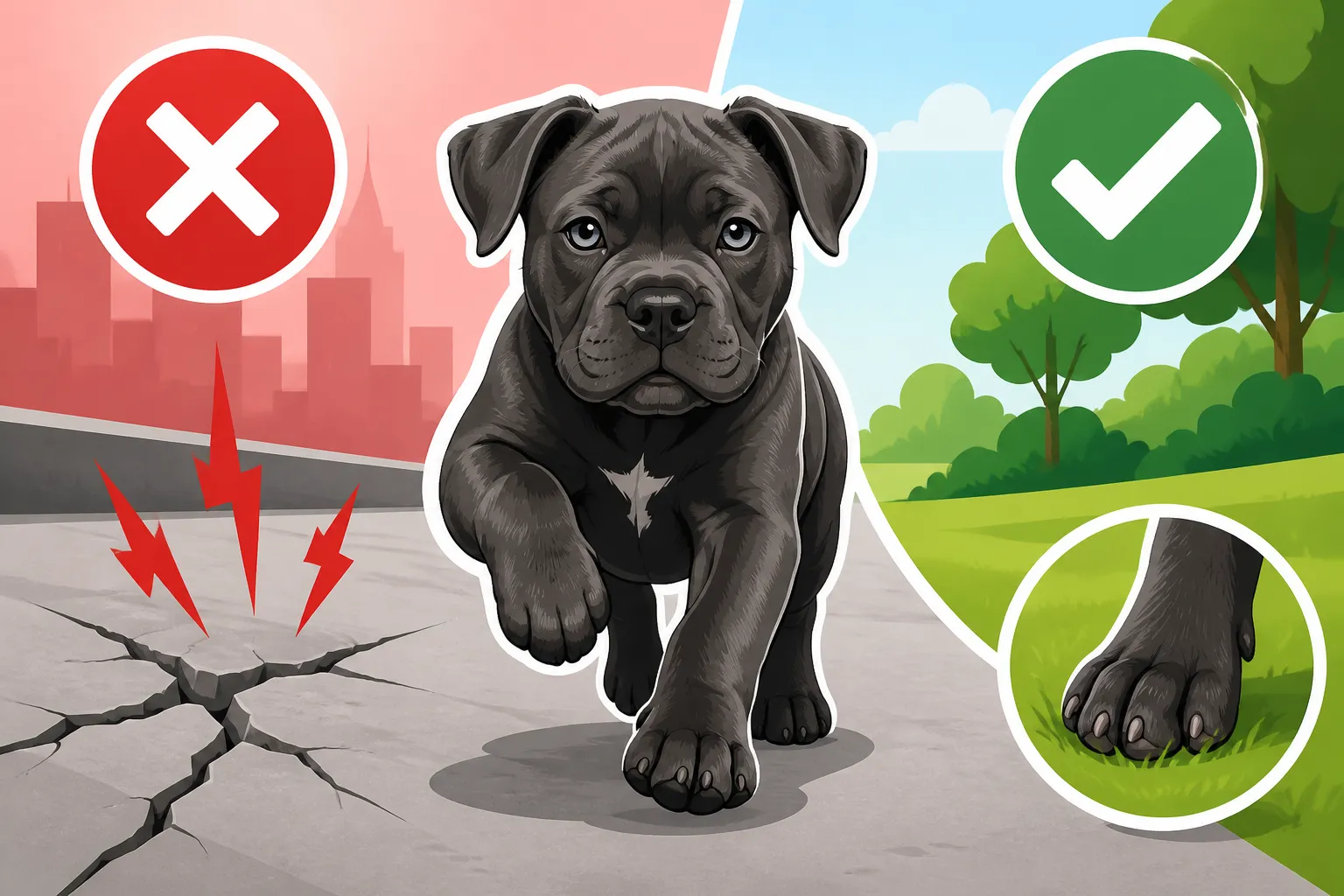
Unlike grass, dirt, or even padded indoor flooring, concrete offers almost no shock absorption. When your heavy-boned Cane Corso puppy runs, jumps, or even walks briskly on concrete, the impact energy has nowhere to go but directly into their joints – their ankles, knees, hips, and elbows. This constant jarring can inflame the joint capsules, put undue pressure on the cartilage surfaces, and contribute to the premature wear and tear that can lead to arthritis down the line. It's like repeatedly hitting a delicate machine with a hammer; eventually, something is going to give. For a breed already predisposed to joint issues, this added stress is something every dedicated owner wants to avoid. Hip Dysplasia in a Fast Growing Cane Corso and Elbow Dysplasia and a Cane Corso's Front End delve into specific conditions exacerbated by such stresses.
Long-Term Risks of Early Concrete Running
The consequences of allowing too much high-impact activity on concrete during puppyhood can be severe and lifelong. Beyond acute injuries like growth plate fractures, sustained stress can contribute significantly to the development or worsening of orthopedic conditions such as hip and elbow dysplasia. These conditions are genetically influenced, yes, but environmental factors, especially during growth, play a huge role in their expression. An active puppy whose joints are repeatedly stressed on concrete is much more likely to show clinical signs of these diseases earlier and more severely than a puppy from the same litter whose exercise was managed carefully on softer surfaces. This can lead to chronic pain, costly surgeries, and a significantly reduced quality of life for your beloved companion, potentially requiring interventions like physical therapy much earlier than normal. Physical Therapy Prices for a Cane Corso After Surgery highlights the financial implications.
Safe and Healthy Exercise Alternatives for Your Growing Cane Corso
Don't despair! Avoiding concrete for high-impact activities doesn't mean your Cane Corso puppy needs to be a couch potato. There are plenty of wonderful, enriching ways to exercise them that support healthy growth without risking their joints. The key is controlled, low-impact activity on forgiving surfaces.
Controlled Play and Walks on Soft Surfaces
Focus on quality over quantity when it comes to puppy exercise. Short, frequent walks on grass, dirt trails, or even indoor carpeting are ideal. These surfaces provide natural cushioning, allowing their muscles to develop properly while minimizing stress on their growth plates. Instead of long, forced marches, think about multiple short outings throughout the day. Supervised playtime in a grassy, securely fenced yard is fantastic for letting them explore and burn off energy naturally. When they start to get clumsy or tired, it’s time to stop. Remember, puppies don't have an "off" switch like adult dogs, so it's up to you to manage their activity levels. For indoor play, consider non-slip mats, easily found on Amazon, to provide traction and cushion on slick flooring. How Much Walking a Cane Corso Puppy Should Do offers more guidance on appropriate activity levels.
Swimming and Other Low-Impact Activities
Swimming is often called the perfect exercise for growing puppies because it provides excellent muscle development and cardiovascular benefits without any impact on joints. If you have access to a clean, safe body of water or a dog-friendly pool, introducing your Cane Corso puppy to swimming can be a fantastic way to exercise them. Always supervise closely and ensure they are comfortable and safe. Other low-impact activities include short sessions of "structured play" like teaching them to retrieve a soft toy on a grassy surface, or engaging their minds with puzzle toys. Mental exercise is just as tiring as physical exercise, and it's much safer for their developing bodies. You can find a wide variety of engaging puzzle toys and other enrichment items on Chewy.
The Role of Nutrition and Supplements in Joint Health
Beyond exercise, proper nutrition plays a foundational role in joint health. A high-quality large breed puppy food is crucial, as it's formulated with the appropriate calcium-to-phosphorus ratio to support slow, steady growth. Overfeeding or feeding a regular puppy food can cause too rapid growth, putting extra strain on developing joints. Why a Cane Corso Puppy Should Not Grow Too Fast is a must-read on this topic. Some owners also consider joint supplements, though it's vital to discuss this with your veterinarian first. Your vet can recommend specific supplements, like those containing glucosamine and chondroitin, often available from reputable pet supply retailers like Chewy, or even specialized fresh food diets, like those offered by Ollie, to ensure balanced nutrition without overdoing any particular nutrient.
Recognizing the Signs of Joint Strain and When to Seek Help
Even with the best intentions and careful management, accidents happen, or underlying issues might surface. Knowing what to look for can help you intervene early and prevent further damage.
Subtle Indicators of Discomfort or Injury
Cane Corsos are tough dogs, and puppies are often resilient, sometimes masking discomfort. However, there are subtle signs that your puppy might be experiencing joint pain or strain. Keep an eye out for any changes in gait, such as a slight limp that comes and goes, or a reluctance to put weight on a particular leg. You might notice them favoring a limb after resting, struggling to get up, or showing less enthusiasm for play than usual. Swelling around a joint, crying out when touched in a certain area, or changes in their normal posture can also be red flags. Sometimes, they might just seem "off" or more tired than usual. Trust your gut; if something feels wrong, it probably is. Pay close attention to how they use their bodies, especially after a burst of activity.
When to Consult Your Veterinarian
If you observe any of these subtle signs, or if your puppy suddenly becomes lame or unwilling to move, it's crucial to contact your veterinarian immediately. Don't wait to see if it "gets better on its own." Early diagnosis and intervention are key to managing joint issues effectively and preventing long-term damage. Your vet may recommend physical examination, X-rays, or other diagnostics to identify the cause of the discomfort. They can also advise on pain management, anti-inflammatory medications, rest protocols, or even refer you to a specialist for advanced imaging or orthopedic consultation. Remember, a Cane Corso's health journey is a marathon, not a sprint, and proactive care during their critical growth phases is an investment in their entire lifespan. The Age a Cane Corso Can Be Hip Scored and Reading a Cane Corso's Hip Grade Against the CHIC List cover later diagnostic steps.
Here’s a quick overview of safe exercise surfaces versus those to avoid for your growing Cane Corso puppy:
| Surface Type | Pros for Cane Corso Puppy | Cons for Cane Corso Puppy | Ideal Use |
|---|---|---|---|
| Grass/Dirt | Excellent shock absorption, natural traction. | Can be uneven, potential for burrs/pests. | Daily walks, supervised free play, training sessions. |
| Sand/Beach | Low impact, builds muscle, fun. | Can be physically tiring, fine sand can get into paws/ears. | Controlled play, short walks (ensure not too deep/soft to overwork). |
| Rubber Mats/Turf | Good cushioning, consistent, easy to clean indoors. | Can get hot outdoors, less natural feel. | Indoor play areas, agility work (once older), dedicated training spaces. |
| Carpet | Moderate cushioning, good traction indoors. | Can harbor allergens, can get worn in high-traffic areas. | Indoor play, learning basic commands, resting. |
| Water (Swimming) | Zero impact, excellent for muscle and cardio. | Requires supervision, access to safe, clean water. | Therapeutic exercise, fun activity, building strength. |
| Concrete/Asphalt | Convenient, common. | No shock absorption, high impact on joints, can be abrasive. | Minimal use for very short potty breaks, avoiding running/jumping. |
| Tile/Hardwood | Easy to clean. | Very slippery, no shock absorption, encourages splaying. | Use with non-slip mats (e.g., from Amazon), avoid running. |
Managing Your Cane Corso's Growth for Optimal Health
Raising a Cane Corso puppy is an immense responsibility, and part of that is safeguarding their future health by making informed choices during their formative months. While it might be tempting to let them run wild and burn off their boundless energy on any available surface, understanding the unique vulnerabilities of their growth plates and developing joints is paramount.
The Importance of a Balanced Approach
The goal isn't to prevent your Cane Corso puppy from moving or playing, but to ensure that their physical activity is appropriate for their age and stage of development. A balanced approach means a combination of controlled, low-impact exercise on soft surfaces, mental stimulation, and a high-quality, large-breed specific diet. Think about short, frequent walks on grassy trails rather than long jogs on city sidewalks. Opt for play sessions in the park over intense games of fetch on your concrete driveway. Providing appropriate chew toys (you can find durable options on Amazon) and puzzle feeders (also widely available on Chewy) can also redirect their energy and provide mental enrichment without taxing their joints. This careful management during their first 18-24 months sets the stage for a lifetime of mobility and comfort.
Consulting Professionals for Guidance
Never hesitate to lean on the expertise of veterinary professionals. Your veterinarian is your best resource for personalized advice regarding your Cane Corso puppy's specific growth rate, nutritional needs, and exercise regimen. They can monitor their development, address any concerns about limping or stiffness, and offer recommendations for joint support if needed. Don't be afraid to ask about preventative measures like monitoring their weight carefully, as What Extra Weight Does to a Cane Corso's Hips explains. Investing time and care into understanding and protecting your Cane Corso's joints during puppyhood is one of the most loving and impactful things you can do for them. It’s a commitment to ensuring they grow into a robust, healthy adult, ready to enjoy many happy years by your side. Getting a Cane Corso Past Eleven Years Old is the ultimate goal, and healthy joints are a huge part of that journey.
Disclaimer
This article is for general informational purposes only and does not constitute professional advice. Laws, prices and regulations vary by location and change over time. Consult a qualified professional for guidance on your specific situation.