The Discharge That Collects in a Cane Corso’s Lid
One of the things many Cane Corso owners quickly discover is that these magnificent dogs, with their strong features, often come with a bit of a quirk: eyes that seem to collect discharge more readily than other breeds. It can be a real head-scratcher, leaving you wondering if it's just a normal part of life with a Corso or a sign of something more serious. This comprehensive guide is here to unravel the mystery of that gunky build-up, helping you understand what's normal, what's not, and how to keep your big companion's eyes clear and comfortable.
Understanding Normal Eye Discharge in Cane Corsos
Let's be honest, every dog, and indeed every human, has some level of eye discharge. It’s a natural process, a way for the eyes to clean themselves. But with a breed like the Cane Corso, known for its sometimes prominent or slightly looser eyelids, this natural discharge can appear more noticeable or accumulate faster. It’s important to distinguish between what’s healthy and what warrants a closer look.
The Anatomy of a Cane Corso's Eye and Lids
The Cane Corso, a true working breed, possesses a powerful and expressive face, and their eyes are a central part of that. Their eyes are typically medium-sized, oval, and set almost parallel to the muzzle. The eyelids themselves are crucial in protecting the eye, spreading tears, and sweeping away irritants. However, many Corsos exhibit a degree of "haw" or visible conjunctiva in the lower lid, which is not uncommon for the breed. This slight looseness, or even a more pronounced laxity, can be a double-edged sword. While it contributes to their distinctive appearance, it can also create a small pocket where dust, debris, and natural tear film can gather more easily. Unlike breeds with very tight eyelids that completely seal, a Corso's lid might not provide that same snug barrier, making them a little more susceptible to accumulation. This anatomical predisposition doesn't necessarily mean there's a problem, but it does mean owners need to be more vigilant. You might also find yourself Wiping a Cane Corso's Eyes Every Morning due to this natural tendency.
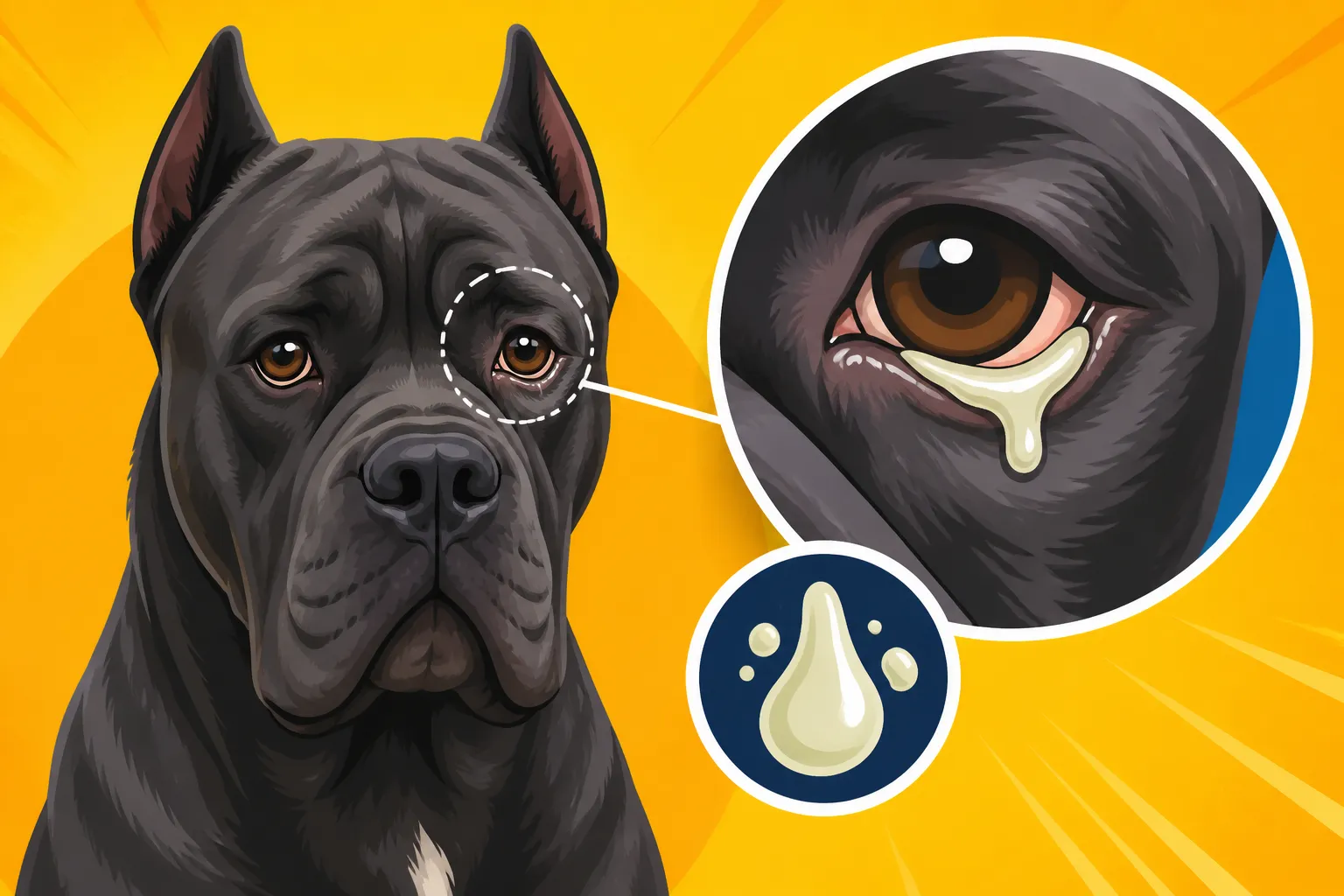
Consider a typical morning: you wake up, and your Corso stretches, giving you a big yawn. As you look at them, you might notice a small amount of crusty, reddish-brown discharge in the corner of one or both eyes. This is often just dried tear film and cellular debris that has accumulated overnight. Because of their lid structure, it simply has more space to settle rather than being blinked away entirely. Think of it like a tiny, shallow gutter that collects a bit more residue. This is generally quite normal and easily wiped away.
What Healthy Eye Secretions Look Like
So, what's "normal" when it comes to eye gunk? For a Cane Corso, normal discharge is usually clear or a very light, milky white, and has a thin, watery consistency. When it dries, it might form a small, crusty bit in the inner corner of the eye, often referred to as "sleepies" or "eye boogers." The key here is the amount and the color. A small, pea-sized amount, especially after a long nap or overnight, is typically nothing to worry about. It should not be copious, nor should it be continuous throughout the day.
Imagine your Corso has just finished a rousing play session in the yard, chasing squirrels and sniffing every blade of grass. You might notice a bit of clear, watery discharge as their eyes react to pollen or dust. This is the eye's natural flushing mechanism working. It should clear up quickly once they come inside and relax. If you see this type of discharge, it's generally indicative of a healthy eye reacting to its environment. The important thing is that it doesn't persist, doesn't change color, and isn't accompanied by other concerning symptoms like redness or squinting. Regular, gentle cleaning with a soft, damp cloth can manage this accumulation, keeping their eyes looking bright and clear.
When Discharge Becomes a Concern: Signs to Watch For
While a little bit of eye gunk is perfectly normal, there are definite red flags that every Cane Corso owner needs to be aware of. Ignoring these signs can lead to more serious problems, so knowing when to act is crucial for your dog's comfort and health.
Color and Consistency: Red Flags in Eye Gunk
The color and consistency of your Cane Corso's eye discharge are often the first indicators of a potential problem. If you notice a shift from clear or milky white to something more vibrant or dense, it’s time to pay attention.
- Yellow or Green Discharge: This is a major red flag. Yellow or green eye discharge almost always indicates a bacterial infection. This kind of discharge is often thick and pus-like, possibly sticky, and might even make the eyelids appear to be stuck together, especially after sleep. If you see this, it means your Corso's immune system is actively fighting off something, and they likely need veterinary attention and antibiotics. It's not something to "wait and see" with, as bacterial infections can quickly worsen and cause significant discomfort.
- Thick, White, or Mucus-Like Discharge: While a little milky discharge is okay, an excessive amount of thick, white, stringy mucus can point to inflammation, allergies, or even dry eye syndrome (keratoconjunctivitis sicca or KCS). This might look like long, gooey strands or chunky white blobs. It’s different from the clear, watery response to dust, indicating a more persistent irritation or lack of proper lubrication.
- Reddish-Brown or Rusty Discharge: This can sometimes be a normal, oxidized tear stain, especially in lighter-colored Corsos, caused by porphyrins in the tears reacting with air. However, if it's accompanied by increased volume, irritation, or stickiness, it could signify a blocked tear duct, an infection, or even irritation from hair rubbing the eye. It's often associated with Why a Cane Corso's Eyes Run All Day. While tear staining itself isn't usually an emergency, a sudden increase or change alongside other symptoms should prompt a vet visit.
- Bloody Discharge: This is a rare but serious symptom. Any hint of blood in your Cane Corso's eye discharge requires immediate veterinary attention. It could indicate trauma to the eye, a severe infection, an ulcer, or even an internal issue.
Observing these changes diligently is critical. It’s not just about what you see in the morning, but whether the discharge is present throughout the day, how much there is, and if it's getting worse.
Beyond the Discharge: Other Symptoms Indicating Trouble
Eye discharge rarely comes alone when there’s a real problem. Often, it’s accompanied by other signs that scream "vet visit."
- Redness: If the whites of your Corso’s eyes (sclera) or the pink lining of their eyelids (conjunctiva) appear noticeably red or inflamed, this is a clear sign of irritation or infection. This isn’t just a little pinkish hue; it’s a distinct redness that suggests inflammation.
- Swelling: Swelling around the eye, of the eyelids themselves, or of the third eyelid (the nictitating membrane that sweeps across the eye) is a strong indicator of an allergic reaction, infection, injury, or even a more serious underlying condition like a tumor. You might notice the eye looks puffy or that the third eyelid is more prominent than usual, sometimes a symptom seen with The Cherry Eye a Cane Corso Puppy Shows at Four Months.
- Squinting or Excessive Blinking: A dog squinting or blinking rapidly is often trying to tell you their eye hurts or is irritated. They might even try to keep the affected eye closed. This could be due to a foreign body, an ulcer on the cornea, or severe inflammation.
- Rubbing or Pawing at the Face: If your Cane Corso is constantly pawing at their face, rubbing their eye on furniture, or dragging their face along the carpet, it’s a sign of intense discomfort or itchiness. This behavior can also worsen the problem by introducing more bacteria or causing further trauma.
- Sensitivity to Light (Photophobia): Dogs with eye pain or inflammation might shy away from bright light. You might notice them seeking out darker areas or squinting more intensely when outside in the sun.
- Vision Changes: While harder to spot quickly, if your Corso is bumping into things, seems disoriented, or struggles to track objects, it could indicate that their vision is impaired due to the eye issue.
- Lethargy or Loss of Appetite: If the eye issue is severe enough to cause significant pain or if it’s part of a larger systemic illness, your Corso might become lethargic, lose interest in food, or generally seem unwell. These are overall signs that your dog is suffering and needs medical attention.
Keeping a close watch on these accompanying symptoms, combined with the characteristics of the discharge, will give you a much clearer picture of your Cane Corso's eye health and when to seek professional help. Don't hesitate to take a photo of the eye to show your vet, as symptoms can sometimes be intermittent.
Common Causes of Abnormal Eye Discharge
Once you've identified that the discharge is not normal, the next step is understanding what might be causing it. Cane Corsos, like many large breeds, can be prone to specific eye conditions that lead to problematic discharge.
Environmental Factors and Irritants
Just like us, dogs can get things in their eyes that cause irritation and discharge. For a Cane Corso, whose face might be closer to the ground, this is a very common culprit.
- Dust, Pollen, and Allergens: Our big dogs love to sniff, dig, and roll around, often bringing their faces into direct contact with dust, dirt, and pollen. These tiny particles can irritate the conjunctiva, leading to a watery, clear discharge as the eye tries to flush them out. If your Corso spends a lot of time outdoors, especially in dry, dusty, or high-pollen environments, you might see this more frequently. Seasonal allergies can also manifest as itchy, red eyes with clear to slightly milky discharge. You might notice your Corso rubbing their face a lot during certain times of the year. In some cases, allergies can be severe enough to require an Allergy Testing for an Itchy Cane Corso.
- Chemical Irritants: Household cleaning products, sprays, or even strong perfumes can irritate a dog's sensitive eyes. If you’ve recently used a new cleaner or sprayed something nearby, consider if that could be the cause. Even shampoo during bath time, if not rinsed thoroughly, can be a major irritant. Always use dog-specific, gentle shampoos and be extremely careful around their eyes.
- Smoke and Air Quality: Just like for humans, poor air quality, whether from cigarette smoke, wood-burning fires, or general pollution, can lead to chronic eye irritation and discharge. If you live in an area with frequent wildfires or high urban pollution, this could be a contributing factor.
- Foreign Bodies: Sometimes, something larger than dust gets into the eye – a stray piece of grass, a tiny twig, or even an eyelash. This can cause significant pain, copious watery discharge, squinting, and rubbing. If you suspect a foreign body, it’s a veterinary emergency, as it can quickly lead to corneal abrasions or ulcers.
These environmental factors are often manageable with careful cleaning and by being mindful of your Corso’s surroundings. However, if the irritation persists despite your best efforts, it’s time to consult your vet.
Eyelid Conformation Issues Unique to Cane Corsos
The unique structure of the Cane Corso's eyelids, while a breed characteristic, can unfortunately predispose them to certain conditions that cause chronic discharge. These are structural issues that often require surgical intervention for a long-term solution.
- Entropion: This is a condition where the eyelid (usually the lower one) rolls inward, causing the eyelashes and fur to rub against the cornea. Imagine having a constant hair in your eye – it's incredibly uncomfortable. Entropion leads to chronic irritation, pain, excessive tearing, and often a thick, mucoid discharge as the eye tries to protect itself. It's a common issue in Cane Corsos, sometimes seen in puppies, but often becoming more apparent as they grow. Early detection is key to preventing corneal damage. You might notice Entropion in a Cane Corso's Lower Lid and the irritation it causes.
- Ectropion: The opposite of entropion, ectropion is when the eyelid rolls outward, exposing the delicate conjunctiva and the eye itself to the environment. This creates a "sagging" appearance, often referred to as The Sagging Lower Lid on a Cane Corso. The exposed tissue can dry out, become inflamed, and easily collect dust, dirt, and bacteria, leading to chronic irritation, redness, and discharge. While less common than entropion in Corsos, it can still be a problem. The degree of ectropion can vary, and milder cases might be managed, but severe cases often need surgery.
- Cherry Eye (Prolapse of the Third Eyelid Gland): While not strictly an eyelid conformation issue, it relates closely to the eye's accessory structures. Cherry eye occurs when the gland of the third eyelid prolapses, appearing as a red, swollen mass in the inner corner of the eye. This exposed gland can become inflamed, dry, and irritated, leading to watery to thick, reddish discharge. It's usually easily identifiable due to its distinctive appearance. This is another condition that often needs surgical correction.
These conditions are often genetic and can be present from a young age. If you suspect your Corso has any of these conformation issues, it’s essential to get a veterinary ophthalmologist's opinion. They can assess the severity and recommend the most appropriate course of action, which is often a surgical correction to restore normal eyelid function and prevent ongoing irritation and potential vision problems.
Allergies and Systemic Health Issues
Sometimes, eye discharge is just one symptom of a larger underlying health problem, rather than a localized eye issue. It’s crucial to consider these possibilities, especially if other symptoms are present.
- Allergies: As mentioned, environmental allergens like pollen, dust mites, or molds can cause itchy, watery, and sometimes mildly discolored eye discharge. However, food allergies can also manifest with eye symptoms, often accompanied by skin issues like itching, redness, or Skin Allergies That Flare on a Cane Corso. If your Corso has chronic discharge along with other allergy signs, your vet might suggest an elimination diet or allergy testing. Switching to a limited ingredient diet might be recommended, with options available from brands like Ollie or even specialized foods found on Chewy.
- Dry Eye (Keratoconjunctivitis Sicca – KCS): KCS occurs when the eyes don’t produce enough tears to properly lubricate and clean the eye. Without adequate tears, the eyes become dry, irritated, and susceptible to infection. Paradoxically, one of the main symptoms of KCS is a thick, stringy, white or yellowish mucus discharge, as the eye tries to compensate with thicker secretions. It’s a painful condition that can lead to corneal ulcers and even blindness if left untreated. Your vet can diagnose KCS with a simple tear test.
- Upper Respiratory Infections: In puppies or dogs with compromised immune systems, upper respiratory infections (like kennel cough, for example) can sometimes cause secondary eye discharge, often clear and watery, accompanied by sneezing, coughing, and nasal discharge. The eyes can become inflamed as part of the overall viral or bacterial attack.
- Glaucoma: This serious condition involves increased pressure within the eye, which can cause pain, redness, cloudiness, and sometimes watery discharge. It’s an emergency as it can lead to permanent blindness if not treated quickly.
- Other Systemic Diseases: Less commonly, certain systemic diseases or autoimmune conditions can have ocular manifestations, including abnormal discharge. This is why a thorough veterinary examination is always recommended when symptoms are persistent or accompanied by general malaise.
- Trauma: While not a systemic issue, trauma can cause discharge. A scratch, a poke, or blunt force to the eye can lead to swelling, redness, pain, and watery or bloody discharge. Always inspect your Corso's eyes carefully after any rough play or suspected injury.
When considering these broader health issues, it’s important to give your vet a full picture of your Cane Corso's health, including any other symptoms, changes in behavior, or recent exposures. This holistic approach helps them accurately diagnose the root cause of the eye discharge.
At-Home Care and Prevention Strategies
Once you understand the difference between normal and concerning discharge, you can take proactive steps to maintain your Cane Corso's eye health. A little bit of routine care can go a long way in preventing minor irritations from escalating.
Gentle Cleaning Techniques for Your Cane Corso's Eyes
Regular, gentle cleaning is paramount, especially for a breed like the Cane Corso with potentially looser eyelids. This isn't just about aesthetics; it's about hygiene and preventing bacterial build-up.
- Materials You'll Need: Always use soft, clean materials. Cotton balls, sterile gauze pads, or soft cloths are ideal. Avoid using paper towels, which can be abrasive. For cleaning solutions, plain warm water is often sufficient. You can also use a veterinarian-approved saline solution or specific eye wipes designed for dogs. Many owners find specialized pet eye wipes, readily available on platforms like Amazon or Chewy, very convenient for daily use.
- The Cleaning Process:
- Preparation: Have your Corso in a calm, comfortable position. If they are prone to wiggling, having a second person to gently hold them can be helpful.
- Dampen: Moisten your cotton ball or cloth with warm water or the approved solution. It should be damp, not dripping.
- Wipe Gently: Start at the inner corner of the eye and wipe outward, towards the nose. This motion helps to sweep debris away from the eye itself. Use a fresh cotton ball or a clean section of the cloth for each eye to prevent cross-contamination if one eye has an infection.
- Be Thorough but Gentle: For dried crusts, hold the damp cloth over the area for a few seconds to soften the gunk before gently wiping. Never rub or scrub harshly.
- Clean the Surrounding Area: Don't forget to clean the fur around the eye, especially in the folds or wrinkles, where discharge can collect and irritate the skin.
- Frequency: For a Cane Corso with normal, minimal discharge, once a day, typically in the morning, is often enough. If your dog is prone to more accumulation, or if they've been playing in dusty environments, you might need to clean more frequently. The goal is to prevent dried, crusty build-up that can be irritating and a breeding ground for bacteria. You can read more about routine care in Daily Eye Care on a Cane Corso's Loose Lids.
- What to Avoid:
- Human Eye Drops: Never use human eye drops without explicit veterinary instruction, as many are harmful to dogs.
- Rough Materials or Harsh Chemicals: Stick to soft, pet-safe materials and solutions.
- Direct Contact with the Eyeball: While cleaning around the eye is good, avoid touching the eyeball directly with your fingers or anything abrasive.
Maintaining a Clean Environment to Reduce Irritants
Beyond direct eye cleaning, managing your Cane Corso's environment can significantly reduce their exposure to irritants that cause discharge.
- Regular Grooming: Keep the hair around your Cane Corso's eyes trimmed, especially if they have longer facial hair (though less common for Corsos, it can happen). Hair rubbing against the eye can be a constant source of irritation. If you're unsure how to trim safely, ask your groomer or vet for guidance.
- Dust Control: Regularly vacuuming, dusting, and washing bedding can help reduce dust mites and airborne particles in your home. Consider using an air purifier, especially in rooms where your Corso spends a lot of time.
- Outdoor Awareness: Be mindful of where your Corso plays. Avoid areas with excessive dust, sand, or tall, seed-heavy grasses that can easily get into their eyes. If they do play in such areas, a quick eye rinse with saline or a thorough cleaning afterward can be beneficial.
- Chemical Exposure: Be cautious when using household cleaners, pest sprays, or garden chemicals. Always ensure your Corso is out of the area until fumes have dissipated and surfaces are dry.
- Dog Bedding and Toys: Ensure your Corso’s bedding is clean and free of excessive dust or fibers. Wash it regularly. Similarly, check their toys for any sharp edges or small, loose parts that could potentially injure an eye during play.
- Window and Car Travel: When driving with your Cane Corso, resist the urge to let them hang their head completely out the window, especially at high speeds. The wind, dust, and debris can cause serious eye irritation or even trauma. Keep windows rolled up enough to prevent this, or use a car safety restraint that keeps them safely inside. Protecting them from wind can prevent Wind Damage to a Cane Corso's Exposed Lower Lids.
By combining diligent at-home cleaning with environmental management, you can create a healthier, more comfortable existence for your Cane Corso and potentially reduce instances of troublesome eye discharge.
When to Call the Vet: Professional Diagnosis and Treatment
Despite your best at-home efforts, some eye issues simply require professional veterinary intervention. Knowing when to stop trying home remedies and pick up the phone is vital for your Cane Corso's health and vision.
Diagnostic Tools and Procedures
When you bring your Cane Corso to the vet with concerning eye discharge, they won't just guess. They have a range of diagnostic tools to pinpoint the exact problem.
- Thorough Ophthalmic Exam: This is the starting point. Your vet will visually inspect your Corso's entire eye, eyelids, third eyelid, and the surrounding structures. They'll look for redness, swelling, foreign bodies, and assess the nature of the discharge. They might use a bright light and magnification to get a closer look at all the delicate structures.
- Schirmer Tear Test (STT): This is a simple, quick test to measure tear production. A small strip of paper is placed under the lower eyelid for one minute, and the amount of moisture absorbed indicates whether your Corso is producing enough tears. This test is crucial for diagnosing Dry Eye in a Cane Corso After Lid Surgery or KCS.
- Fluorescein Stain Test: This test involves applying a special orange dye to the eye. The dye will adhere to any abrasions or ulcers on the cornea, showing up as bright green under a cobalt blue light. This is how corneal scratches or ulcers, which are incredibly painful and can lead to serious complications, are diagnosed.
- Tonometry: This procedure measures the pressure inside the eye. A small, specialized instrument gently touches the surface of the eye (after numbing drops are applied) to get a reading. High intraocular pressure is a key indicator of glaucoma, a painful and vision-threatening condition.
- Conjunctival Swabs/Scrapings: If an infection is suspected, your vet might take a sterile swab or gently scrape cells from the conjunctiva. These samples can then be sent to a lab for culture (to identify the specific bacteria or fungus) and sensitivity testing (to determine which antibiotics will be most effective), or for cytology (to examine cell types for inflammation or other abnormalities).
- Eyelid Eversion/Manipulation: To properly examine the inner surfaces of the eyelids and the third eyelid, the vet may gently evert them, especially if they suspect entropion, ectropion, or a foreign body hiding beneath.
- Bloodwork and Allergy Testing: If systemic issues or allergies are suspected, your vet might recommend blood tests to check for underlying diseases or refer you for specific allergy testing, as discussed previously.
- Referral to a Veterinary Ophthalmologist: For complex or persistent eye conditions, your primary vet may recommend a referral to a board-certified veterinary ophthalmologist. These specialists have advanced training and equipment to diagnose and treat intricate eye problems.
Never try to self-diagnose severe eye issues. A prompt and accurate diagnosis from your vet is critical, as many eye conditions can worsen rapidly and lead to permanent vision loss if not addressed properly.
Treatment Options for Persistent Eye Issues
Once a diagnosis is made, your vet will outline a treatment plan tailored to your Cane Corso's specific condition. Treatments can range from simple medications to complex surgeries.
- Topical Medications (Drops and Ointments): For infections, allergies, or inflammation, medicated eye drops or ointments are often prescribed. These might include:
- Antibiotic drops/ointments: To treat bacterial infections. It's crucial to administer the full course as prescribed, even if symptoms improve quickly.
- Anti-inflammatory drops: To reduce swelling and irritation from allergies or non-infectious inflammation.
- Steroid drops: Used with caution for severe inflammation, but never if a corneal ulcer is present, as they can worsen ulcers significantly.
- Lubricating drops/artificial tears: For dry eye conditions (KCS) or general irritation. Brands like Optixcare are often recommended by vets. You can often find these, along with special applicators, on Chewy or Amazon.
- Immunosuppressants (e.g., Cyclosporine, Tacrolimus): Commonly prescribed for KCS to stimulate tear production.
- Oral Medications: In some cases, oral antibiotics, anti-inflammatories, or antihistamines might be prescribed, especially if the eye issue is part of a systemic infection or severe allergic reaction.
- Surgical Correction: For conformational issues like entropion, ectropion, or cherry eye, surgery is often the most effective and sometimes the only permanent solution.
- Entropion/Ectropion Repair: These procedures involve carefully removing a small strip of skin and muscle from the eyelid to gently roll it into the correct position. The goal is to prevent the eyelashes from rubbing the eye (entropion) or to protect the exposed conjunctiva (ectropion). Sometimes, temporary "tacking" sutures are used in puppies to see if they grow out of it before committing to permanent surgery. The Age a Cane Corso's Entropion Gets Repaired can vary.
- Cherry Eye Repair: This involves surgically repositioning the prolapsed gland of the third eyelid back into its normal pocket, often using a "pocket technique" to secure it. It's usually important to preserve the gland, as it's vital for tear production. Removing Versus Tacking a Cane Corso's Third Eyelid is a significant decision.
- Foreign Body Removal: If a foreign body is present, the vet will carefully remove it, often under local anesthetic or light sedation. They will then treat any resulting corneal abrasions with antibiotic drops to prevent infection.
- Treatment for Glaucoma: Glaucoma is a medical emergency requiring immediate treatment with pressure-reducing eye drops and possibly oral medications. In severe or unresponsive cases, surgery may be considered to save vision or relieve pain.
- Management of Chronic Conditions: For conditions like KCS or chronic allergies, treatment often involves long-term management with daily drops or environmental controls.
Following your vet's instructions precisely is paramount for successful treatment. Missing doses, stopping medication early, or failing to follow post-surgical care can lead to relapse or worsening of the condition. Your Cane Corso relies on your diligence to protect their precious eyesight.
Disclaimer
This article is for general informational purposes only and does not constitute professional advice. Laws, prices and regulations vary by location and change over time. Consult a qualified professional for guidance on your specific situation.